

Blog

New Free Read: Miss Whitaker’s Blankets
Isabella’s sister, Marcia Livingston penned this month’s delightful Free Read.
In the “Season of Giving” Miss Rachel Whitaker is no stranger to charitable causes. She’s a good Christian woman who faithfully donates to her church and mission boards, like her parents did before her. But when she is confronted by someone in need on her own doorstep, will she answer the call?

You can read “Miss Whitaker’s Blankets” on your phone, ipad, Kindle, or other electronic device.
Or you can read it as a PDF document on your computer screen. You can also print the story to share with friends.
To begin reading, just click on the book cover to choose your preferred format from BookFunnel.com.
Share this:

The Great Bob Debate
The following illustration appeared in a women’s magazine in the early 1920s.

To our 21st Century eyes, the ad is pleasing enough, but in the 1920s, it was ground-breaking.
For centuries women wore their hair long, and considered it, as I Corinthians tells us, their glory.
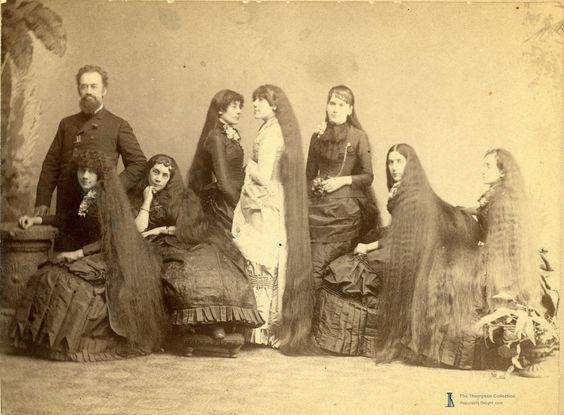
That was true in Isabella’s lifetime. Women grew their hair long, which they “dressed” by wearing it up in arrangements on their head. Isabella chose to arrange her hair parted in the middle, and braided into a bun pinned low at the back of her head.
For young girls who reached maturity, making the change from wearing their hair down to wearing it pinned up was something of a rite of passage.
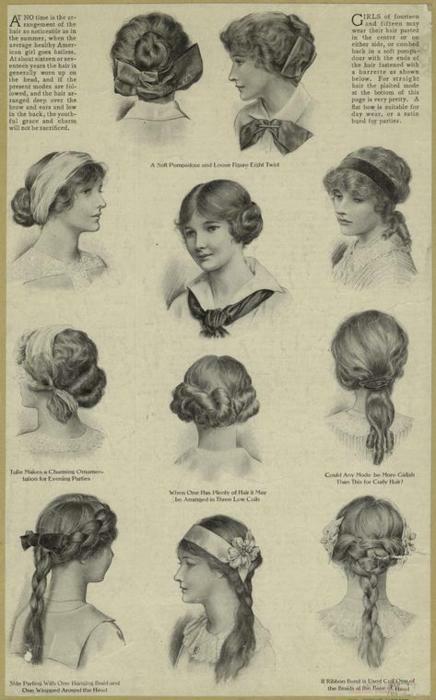
Ladies who needed assistance in washing or dressing their hair visited a salon, where a hair-dresser (usually a woman) was skilled in arranging the latest styles for long hair.
But all that changed in 1915.
In that year, one of the most popular entertainers in America was a woman named Irene Castle.
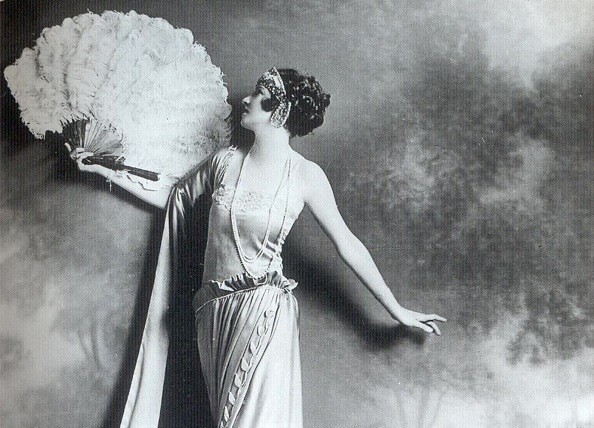
She and her husband Vernon were ballroom dancers who appeared in films and on Broadway stages. They gained an entirely new generation of fans when they created a popular dance called The Castle Walk.
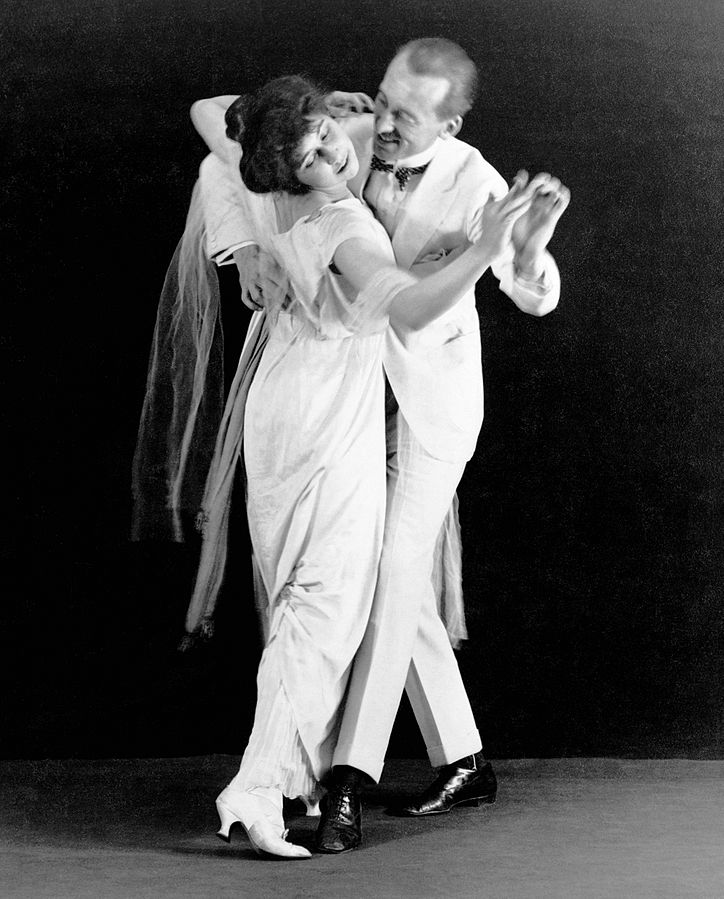
Legions of American women copied the gowns Irene Castle wore in films and on stage, as well as her accessories and hair styles. She was an early 20th century fashion icon.
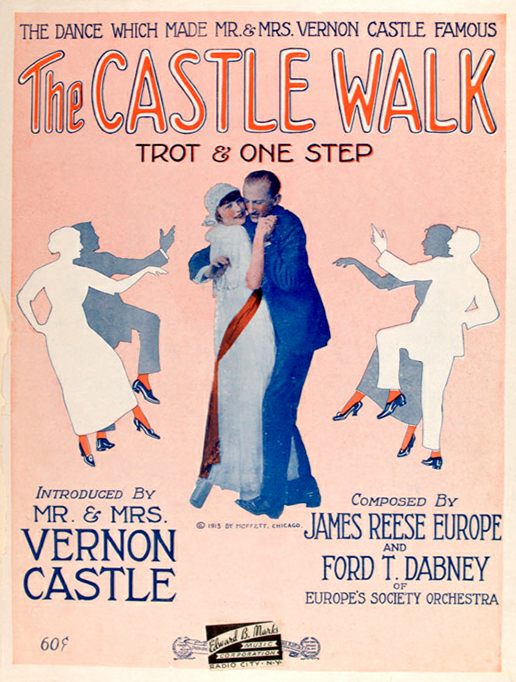
When Irene Castle was forced to take a break from dancing to have her appendix removed, she knew she wouldn’t want to have to worry about her clothes and hairstyle during her hospital confinement and recuperation. Being a practical woman, she decided to cut off her hair before the surgery.
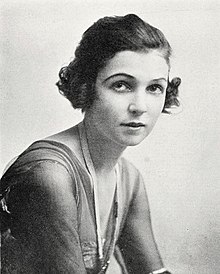
Later, when Irene began making public appearances again, she initially hid her short hair under a turban; but one night, she went out to dinner with her husband with her hair uncovered.
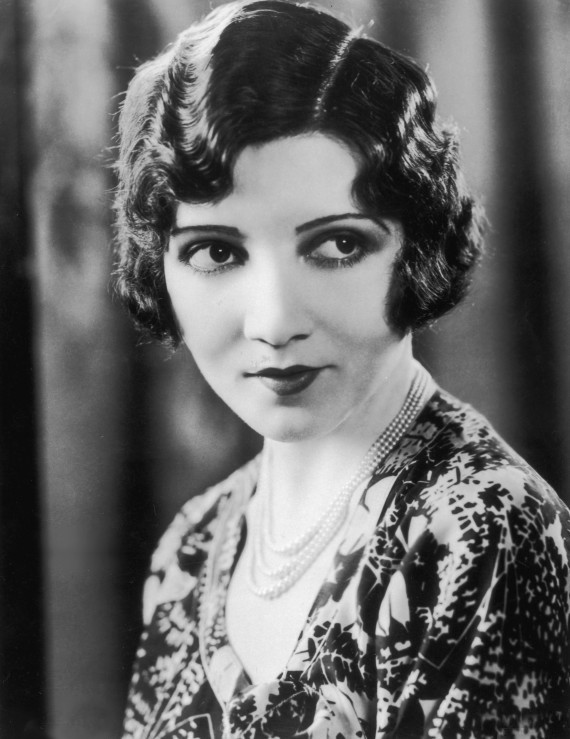
Her short bobbed hairstyle caused an immediate sensation. Within days women were flooding hair salons, asking for the Castle Bob—only to be turned away. No respectable ladies’ hair-dresser would dream of complying with such a shocking request.
Undeterred, women who were determined to look like their idol Irene turned to their local barbershops and found plenty of men—who were used to styling short hair—willing to give them what they wanted.
The trend shocked many, and some newspapers wrote articles decrying the new fashion. Here are the opening lines in an article in the Omaha Daily Bee:
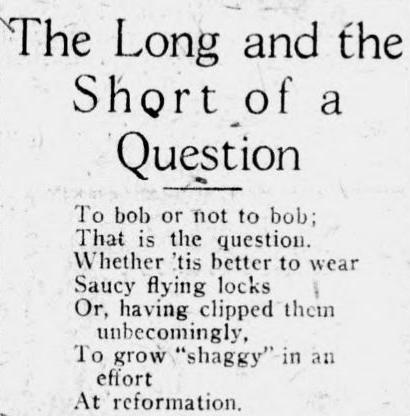
And this from a newspaper editor in Bisbee, Arizona:
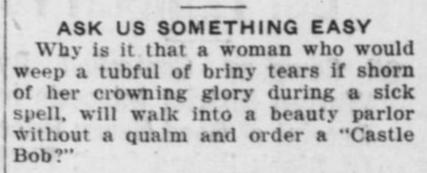
America’s scandalized reaction to women with short hair didn’t last long, as more and more women recognized the advantages and the ease of short hair. Professional hair-dressers soon realized they had to get on board with the trend if they wanted to remain in business, and began publishing advertisements like this:

Those beauty salons needed tools and supplies designed to work with short hair, and that need opened up an entirely new market of products designed just for women with bobbed hair

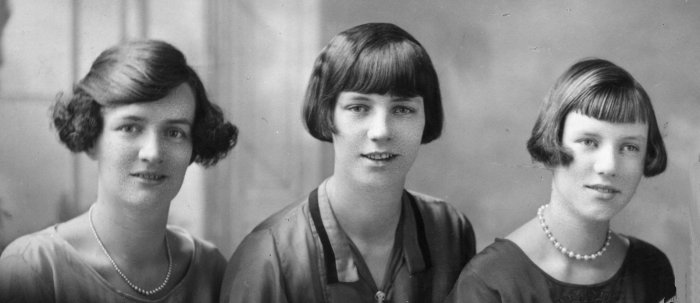
Despite its scandalous beginnings, bobbed hair was here to stay, and by the time America entered World War I, bobbed hair wasn’t just for the fashionably young; women of all ages—mothers and daughters, grandmothers and girls—wore their hair short in a variety of styles, that all started with the Castle Bob.
Share this:

Happy Thanksgiving!
Wishing you a happy and blessed day of Thanksgiving!
Share this:

Happy Thanksgiving and a New Free Read!
Tomorrow is Thanksgiving and in honor of the day, we’re sharing one of Isabella’s short stories from 1891.
About the Story:
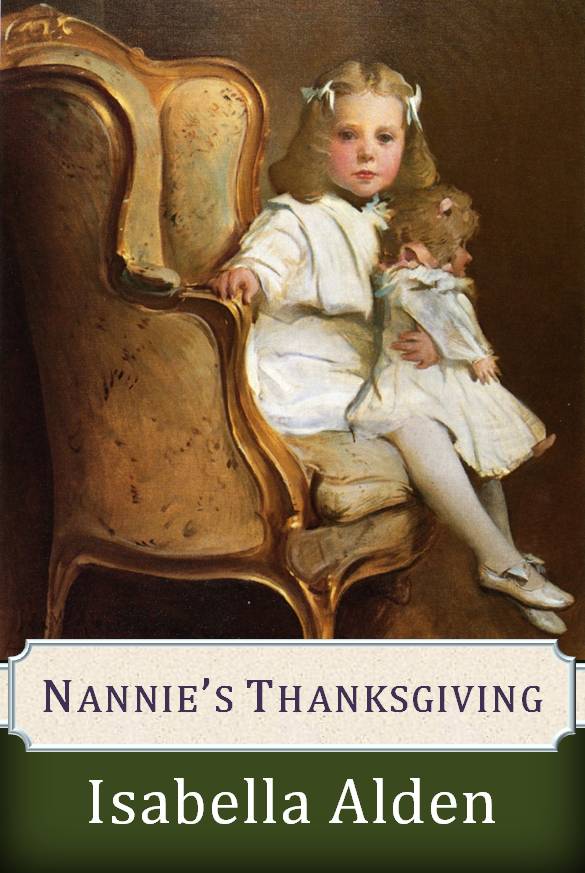 Little Nannie Walters simply wishes to dress her favorite doll in lace and linen; but she quickly learns there are consequences for little girls who take things that belong to others—a lesson that could ruin her Thanksgiving day plans.
Read it for free!
You can read “Nannie’s Thanksgiving” on your phone, ipad, Kindle, or other electronic device. Just click here to download your preferred format from BookFunnel.com.
Or you can click here to read it as a PDF document on your computer screen. You can also print the story to share with friends.
Share this:

Happy Birthday, Isabella!
Isabella was born on November 3, 1841 in Rochester, New York.

When she celebrated her 87th birthday in 1928 she was living in Palo Alto, California. A few days later, on November 6, a San Francisco newspaper ran a short article, describing Isabella’s birthday celebrations.
Mrs. Alden is confined to her room, which was filled today with flowers, gifts and birthday messages.
It’s nice to know Isabella received so many expressions of love on her special day!
Amazingly, Isabella was still writing, and the article mentions the last three books she worked on: Memories of Yesterday, The Fortunate Calamity, and An Interrupted Night.
You can read the entire news article below. Just click on this headline to see a large version.
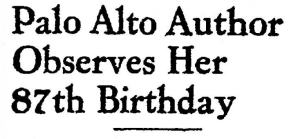
You can read more about Isabella’s home in Palo Alto by clicking here.
Click here to read more about Isabella’s last book, An Interrupted Night.
Share this:

Traveling America with Phoebe Snow
Isabella Alden was a great traveler. In her young adult years, she traveled all over the eastern part of the United States—from New York to Ohio, Pennsylvania to Washington, D.C.—as her husband took charge of different Presbyterian churches.
When her writing career took off, so did Isabella’s travel schedule. From California to Florida and everyplace in between, Isabella spoke at churches, taught Sunday-school classes, and delivered lectures on a variety of topics before women’s groups.
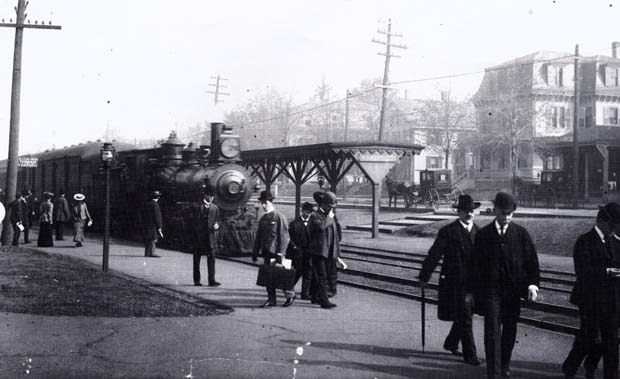
At the time, train travel was the only transportation option available to her for traveling long distances.
But there was a problem with train travel: it was a dirty business.
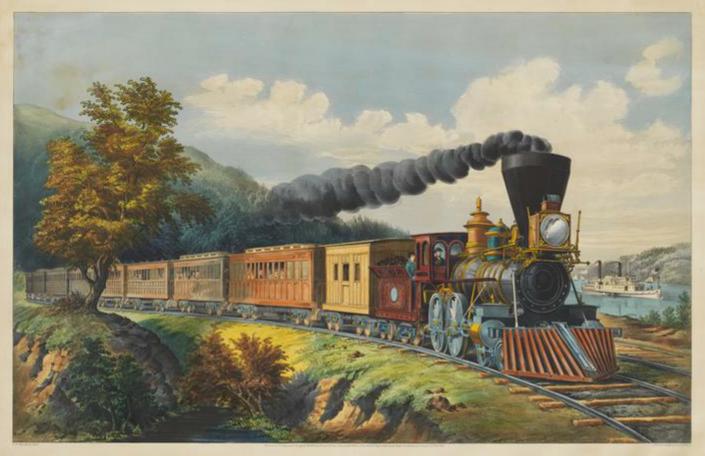
Soot and smoke and dust from the steam engine’s exhaust permeated everything it touched; train stations, passengers, and luggage were all tainted.

But all of that changed when the Delaware, Lackawanna and Western Railroad (a Pennsylvania-based rail company) introduced a new power source for their train engines: Anthracite.

While Anthracite is a coal, it has fewer impurities than common soft coal, and it burns cleaner. The Lackawanna Railroad company had almost exclusive access to America’s Anthracite source.

Realizing their clean-burning Anthracite-powered engines were an advantage for travelers, the Lackawanna Railroad came up with an ingenious marketing plan to highlight Anthracite’s advantages.

They launched an advertising campaign that featured a fictional character named Phoebe Snow.

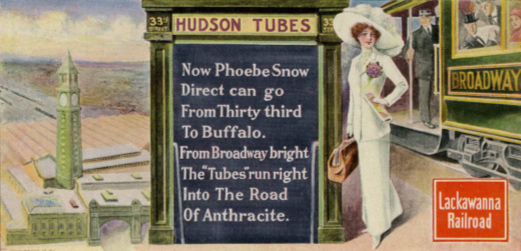
Gowned in white, and wearing only a corsage of purple lilacs for a touch of color, Miss Phoebe Snow confidently traveled “The Road of Anthracite” and arrived at her destination as fresh and clean as when she first set out.
In addition to Phoebe’s image, each advertisement contained a short poem, written to mimic the cadence of a moving train.
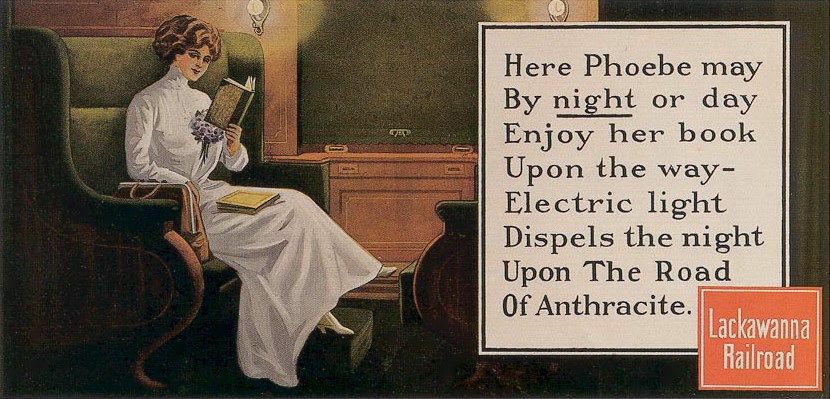
The ad campaign was a hit. Soon Phoebe Snow’s image and the catchy railroad jingles began appeared in newspapers and magazines, and on postcards and posters.

As her popularity grew, so did Phoebe’s adventures.

She was spotted camping in the Rocky Mountains, and strolling along Broadway in New York City.
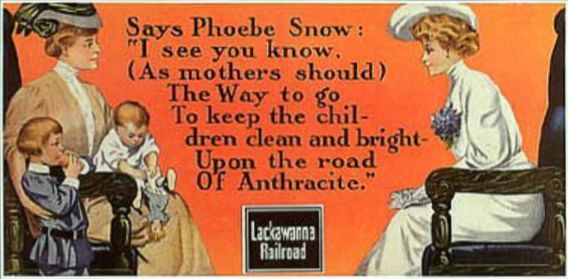
She even counseled mothers on the pleasures of traveling with children on “The Road of Anthracite.”
In 1903 Thomas Edison’s newly-formed motion picture company jumped on the Phoebe Snow band-wagon, and produced a short silent film about Phoebe and her railroad-riding adventures.
In the film, Phoebe’s travels include finding love and getting married to a fellow train rider dressed in (what else?) white.
Phoebe Snow’s adventures might have gone on forever, were it not for World War I. In 1917 the Lackawanna Railroad’s source of Anthracite was rerouted to help with the war effort, and Miss Phoebe Snow’s traveling days came to an end.
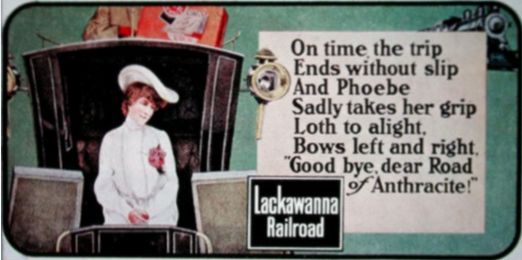
In her almost twenty-year career, fictional Phoebe inspired a generation of young women to travel. She was also the inspiration behind an entirely new genre of American advertising: the character-driven ad campaign, which we still see used in advertising today.
Share this:

A New Free Read: Mary Burton
This month’s free read is short, but very sweet.
Written in the first person narrative (Could this be a true story from Isabella’s life?), the story is about Miss Smith, a new Sunday-school teacher who finds herself drawn to one of her pupils. Little Mary Burton is fair-haired and blue-eyed, but it is her expression of Godly contentment that first catches Miss Smith’s eye.
Soon Mary Burton experiences troubles in her life. Will Miss Smith be able to help her to regain her contented spirit?
You can read the story here on the blog.
 Or click on the book cover to download a version to read on your phone or tablet, or to print and share with friends.
.
MARY BURTON
It is many years ago that I went one morning, at the request of the clergyman of my parish, to undertake the teaching of a class of Sunday scholars. As I entered the room, in which my duties were in future to be performed every Sunday morning, the nervous feeling which had been gathering strength as I walked along, almost overcame me, and I think I should have turned and run home again, had not the kind clergyman caught sight of my anxious face, and come forward to encourage me.
“That is right, Miss Smith,” he said, as he shook hands with me. “I am glad you have consented to comply with my wishes, and to take a class here.”
“If I could only teach them right,” I answered timidly; “but I feel as if I should be better employed in learning than in teaching.”
“You have been learning for many months past,” he answered kindly, “learning from higher than mere human teaching, learning in the school of sorrow and of suffering. Let it be seen that the lesson has not been sent in vain. Strive to lead others to that gracious Saviour, whom you have yourself learned to love, and who said, ‘Suffer little children to come unto Me.’”
He led me to a class of little girls seated at the further end of the room, and left me with them. I glanced at the faces turned inquisitively towards the “new teacher.” I will relate the subsequent history of one of these children, whose appearance particularly impressed me.
Mary Burton was a fair-haired, blue-eyed girl, with an expression of contentment on her face, which made it pleasant to look at her. She was eleven years old, she told me, and lived with her mother, who was a widow. I made a point of becoming acquainted with my children in their own homes; and as Mary was never in during the week, being employed as a message-girl at a neighboring green-grocer’s, I went one Sunday, after afternoon service, to see her. I found the family seated at tea. Everything was neat and clean; and the mother, in her widow’s dress and cap, looked the picture of decent and respectable poverty. She told me she had been seven years a widow, and that her youngest child (she had three) had been born two months after his father’s death.
“I have had a hard struggle to keep things straight, ma’am,” she said; “but now that Mary is growing up to be a help and comfort to me, I feel as if a great burden was taken off me; for I know that she will do what she can to work for her mother, and that, as long as she lives, her brothers will not want for a good example and good advice.” Mary’s face was flushed with pleasure at her mother’s praise, and at the few words of encouragement which I gave her.
As I rose to take my leave, I said, “I will leave you a maxim to think about, Mary. It is this: ‘Godliness with contentment is great gain.’ God has blessed you with a naturally contented disposition, but something more is needed. May you, like Mary of old, be enabled to choose that good part, which shall never be taken from you.”
When Mary was fourteen years old her mother was taken very ill. It was a painful and lingering disease, borne with such meek patience as taught a sweet lesson of faith and trust to all who were privileged to see her in her affliction. Mary came home to look after the invalid and her two little brothers, and it was then that her mother found the blessing of having “trained up her child in the way it should go.” Early accustomed to orderly habits and to hard work, it was wonderful how that young girl contrived to keep everything about the poor invalid clean and comfortable, to have the room always tidy, and her brothers’ clothes well washed and mended.
They had many difficulties and hardships. The boys could only earn five dollars a week between them, and this did not allow food sufficient for three growing and hard-worked children, and the round faces became blue and pinched; still there was no murmuring, or parade of want. Go when I would, Mary was busy with her work, and, amid all their poverty, kept up an appearance of comfort, by her clean and tidy ways.
One day I remember I found her with a face unusually pale, and the evident traces of tears in her eyes.
“What is the matter, Mary?” I said.
She made a sign towards her mother’s bed, as if to beg me not to draw attention to her distress, and answered, as she dusted a chair and placed it near the bed for me:
“Nothing, ma’am; I think mother’s keeping pretty well just now.”
Her mother had turned anxiously around as I asked the question; but Mary had so naturally contrived her answer, placing herself at the same time in a position which should conceal her face without an apparent intention to do so, that Mrs. Burton was satisfied. It was my practice, when I visited the widow, to read a chapter aloud, which we talked over afterwards. Her religion was not a mere talk; it was a real possession. She knew “in whom she could trust;” and, in her hour of trial, of bodily suffering, and often of actual want, she would carry her trials and troubles to her Saviour, and, laying the burden at His feet rest contented in the assurance, “The Lord will provide.” She was generally a woman of few words; but that day she spoke more than was her wont, and, among other things, reminded me of the maxim which I had left with Mary on my first visit to them.
“It has often been a comfort to me since,” she said, “and I am sure I find the truth of it more and more every day. To know that our daily bread comes direct from our Father’s hands, seems to make it taste the sweeter; and when things have gone harder than usual, and I could see no way how we could get help, the help has come often in a way that I least expected, till I have been made to feel that to be content with what the Lord is pleased to give us, and to see and know that all comes from His loving hands, is indeed the greatest gain.”
I observed that as she spoke, Mary rather paused in her work, and at last she left off altogether, and stood looking out of the window, while her hands hung listlessly at her side.
It may be easily supposed that I did not usually go to the house empty-handed. I have little sympathy with the piety which leads some really good people to visit the houses of the poor, to read to them, and to give them tracts, and to over-look their bodily wants and suffering altogether. Such, at all events, was not the practice of “Him who has left us an example that we should follow his footsteps.”
It had not pleased God to endow me largely with worldly goods, but it does not require large means to enable one to be kind and helpful to the poor. If we bring a willing heart to the work, we shall soon find many ways at helping, at no greater cost than some slight personal inconvenience or self-denial. That day I had in my purse a five-dollar piece which a wealthy friend, to whom I had spoken of the widow’s patient suffering, had given me for her use. As I saw that something had gone wrong with Mary, and that she was anxious to conceal her distress from her mother, I determined on speaking to her when she accompanied me to the outer door, which she usually did, and that I would give her the money then.
Mary looked nervous when I rose to go away, and as if she would be glad of an excuse for not accompanying me. She saw however, that I expected her, and followed with a slow, unwilling step. When we were quite out of her mother’s hearing, I stopped.
“There is something vexing you, Mary,” I said, “and I suspect you do not want to tell me what it is. If it would be any comfort to speak to a true friend about your troubles, I would willingly hear what is the matter; but if you would rather not tell me, I shall not feel hurt.”
I waited a moment, and as she remained silent, I added:
“I see you would rather not; but remember, dear Mary, that there is One whose ear is ever open to our cry, who is ever ready to pity and to help us. Tell your trouble to Him, ask His guidance if you are in difficulty, cast your care upon Him if you are in trouble, and be assured that none who go in simple trust to Him, shall be sent empty away.”
She answered, “Oh, Miss Smith, I have prayed, indeed I have, but . . .”
“But it seems to you as if the Lord had not heard your prayer,” I said, finishing her sentence for her. “He does not always answer us in the way that we expect; we are poor blind creatures, and do not know what to ask for as we ought; but be assured that the prayer of faith will be answered; if not in the way we wish, at any rate in the way that will be best for us. I will not detain you any longer from your mother,” I added. “She may wonder what is keeping you. Here is a small sum which a friend gave me for you. I have seen that you are to be trusted with money, and that you are thoughtful and prudent in spending the little you have; so I feel sure you will lay this out to the best advantage.”
She looked at me with an eagerness in her large blue eyes that quite startled me; clasped her hands together, and for some minutes remained silent; then she burst into a fit of passionate, almost hysterical weeping, which shook her the more, that she endeavored to suppress all sound. When she was a little composed, she explained the cause of her agitation. Her elder brother, whose earnings brought three dollars a week to the family, had completely worn out his shoes and his clothes, and his master had more than once threatened to dismiss him unless he were better clad. Poor Mary had almost denied herself necessary food, in the endeavor to lay by a sufficient sum to buy him a pair of shoes; but meanwhile, in spite of constant mending, his clothes had become so worn that they would scarcely hold together, and on Monday, his master had warned him that this must be his last week, unless he came better clothed. Friday had come, and Mary was as far as ever from having obtained money for so extensive a purchase, and saw no means of getting it, and hence arose her anxious, careworn looks.
“I could not tell mother,” she said, “for the doctor says she must not be fretted; it might cost her her life.”
“And why could you not tell me?” I answered.
“Oh, ma’am! I thought shame, when you have done so much for us already; ’twould have been begging like.”
She was crying still, for the poor child was weak for want of sufficient food; so I said, soothingly:
“You went to the right quarter, Mary, and He, whose kind heart, when he was on earth, never allowed Him to despise the cry of the weakest or poorest, has proved that He is ‘the same yesterday, today, and forever.’ As surely does this help come from Him, though through my hand, as when in olden times He commissioned the ravens to feed the prophet, or multiplied the five loaves and two small fishes into food for five thousand fainting followers.”
“Yes, ma’am, I feel it now. Mother often told me to trust in Him; but somehow I thought I was such a weak, wicked creature, He could never listen to me; but now I feel as if I could never doubt Him again, for it seems as if He had sent you on purpose to help us in our great need.”
And, indeed, from that time she seemed able to cast her whole care upon her Saviour God. She had been contented before; her training and natural temperament had made her so; but now a higher element was added—A simple trust in her heavenly Father’s love and care, an earnest faith in the redemption purchased by the blood of His dear Son, with the abiding presence of that Comforter, whose offices of love were the Saviour’s dying bequest to His people, filled her heart, and constituted that godliness which, with contentment, she truly found to be great gain.
Some months later Mrs. Burton died.
Mary had dearly loved her mother, and had looked up to her in everything for advice. It was a bitter loss, but she bore it with sweet, unmurmuring patience.
“I know she is happy now,” she said, as she uncovered the pale face, and her hot tears dropped fast upon it. “I must try to remember all she used to tell me, but, oh! I can never be like her, so good, so patient.”
We can say little in the face of death; those white, silent lips are far more eloquent than ours; they speak to the bereaved in a language which the mere spectator neither hears nor understands, so I thought it kinder to leave Mary to her Saviour and her great sorrow.
When I returned the following day she was herself again, quite composed and calm. It had been her mother’s earnest wish that Mary should, if possible, keep house for her brothers.
It was not easy, but she effected it; she was clever, and I was fortunate in interesting an excellent woman in the neighborhood in her case. This woman was a clear-starcher; she taught Mary her business without any charge and gave her constant employment. Her brothers’ earnings, too, increased as they grew older; so that, after a time, they lived in comparative comfort.
When Mary was twenty years of age, she married a farmer, who lived about five miles out of town. Her elder brother had obtained an excellent situation through his steadiness and good character. This enabled him to go into comfortable and respectable lodgings, and his younger brother went to live with him. They were both excellent, steady lads, and in a fair way to get on in the world.
It was fully four years after Mary’s marriage that I one day resolved to make her a visit, which she had earnestly pressed upon me before she left the home where I had first known her. I availed myself of a coach, which took me to within two miles of the village where Mary lived, and walked the rest of the way.
My path lay through corn-fields and green lanes, and I thoroughly enjoyed the contrast afforded by the pleasant sights and sounds of the country with the bustle and turmoil of dirty and crowded streets. A neat cottage, with a pretty garden in front of it, was pointed out to me as Mary’s home. I was prepared for order and cleanliness, but scarcely for the almost elegant comfort that pervaded the room. The furniture was of the plainest description, but there was an exquisite neatness, and even taste, in its arrangement, which made one feel that the mistress of such a house was no ordinary person.
Mary herself was there, with a baby on her knee, and a pretty little creature, two years old, playing near her on the floor. She greeted me with a happy smile.
“Oh, ma’am!” she said. “This is kind. I have longed so to show you my new home, and my little ones!”
“And I often wished to come, “I answered; “but, as you know, I have a great deal at home to occupy my time, and when I have planned to come, something has occurred to prevent me.”
It was a pleasant visit. We spoke of her mother and of past times, of her present circumstances and future prospects.
“Oh, ma’am,” she said, and grateful tears filled her eyes, “I feel as if I never can be thankful to my Father in heaven for all His goodness. Of course, we have had our troubles at times, and, worst of all, was when my little baby died, our first, when it was six months old; but, through all, we seem to have had so much comfort and peace, as if the Lord, Himself, was comforting and strengthening us. So that I am sure we have reason to say, ‘Bless the Lord, O my soul, and forget not all His benefits.’”
“Ah, Mary,” I answered, as I rose to go, “you know now, by happy experience, that ‘Godliness with contentment is great gain.’“
As I walked home that beautiful summer evening, watching the golden sunset, and the purple hue of declining day stealing over hill and valley, and thought of Mary with her sweet face and quiet happiness and peace, these words came to my mind,
“God hath appointed one remedy for all the evils in this world, and that is a contented spirit.”
Share this:

The Grace Livingston Hill Memorial School
Isabella Alden was particularly close to her niece, Grace Livingston Hill. Grace was a writer, too, and her books were incredibly popular and are still widely read today.
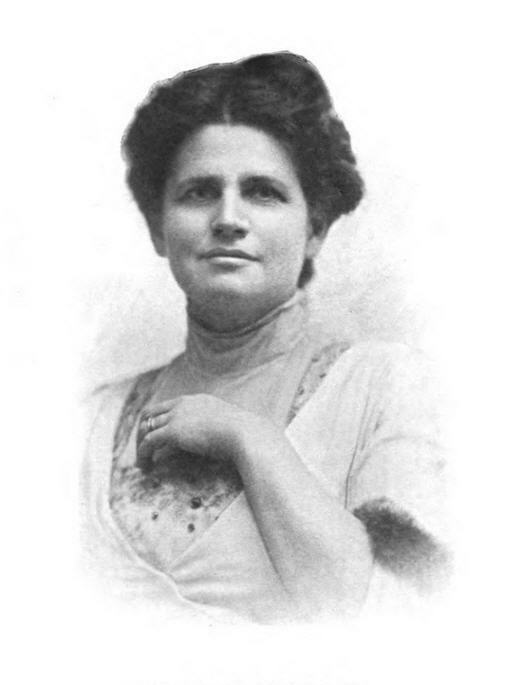
But Grace wasn’t merely a best-selling authoress; Grace was also a teacher. She was dedicated to teaching Sunday-school classes at her church, and when her daughters Margaret and Ruth were old enough to attend school, Grace decided to teach them at home, just as her parents had taught her.
Grace’s desire to teach wasn’t limited to her family. For years Grace ran a Bible class for children at a nearby Presbyterian church. She was the guiding spirit in establishing a mission Sunday School for immigrant families, and she personally paid to send innumerable young people to Pinebrook School, a well-known Christian Bible conference in the Poconos.

Education was something Grace was passionate about, and when she passed away in 1947 her daughter Ruth Hill Munce took steps to honor Grace’s teaching ministry. Ruth purchased a 30-acre site in St. Petersburg, Florida and built a school, which she named after their mother.
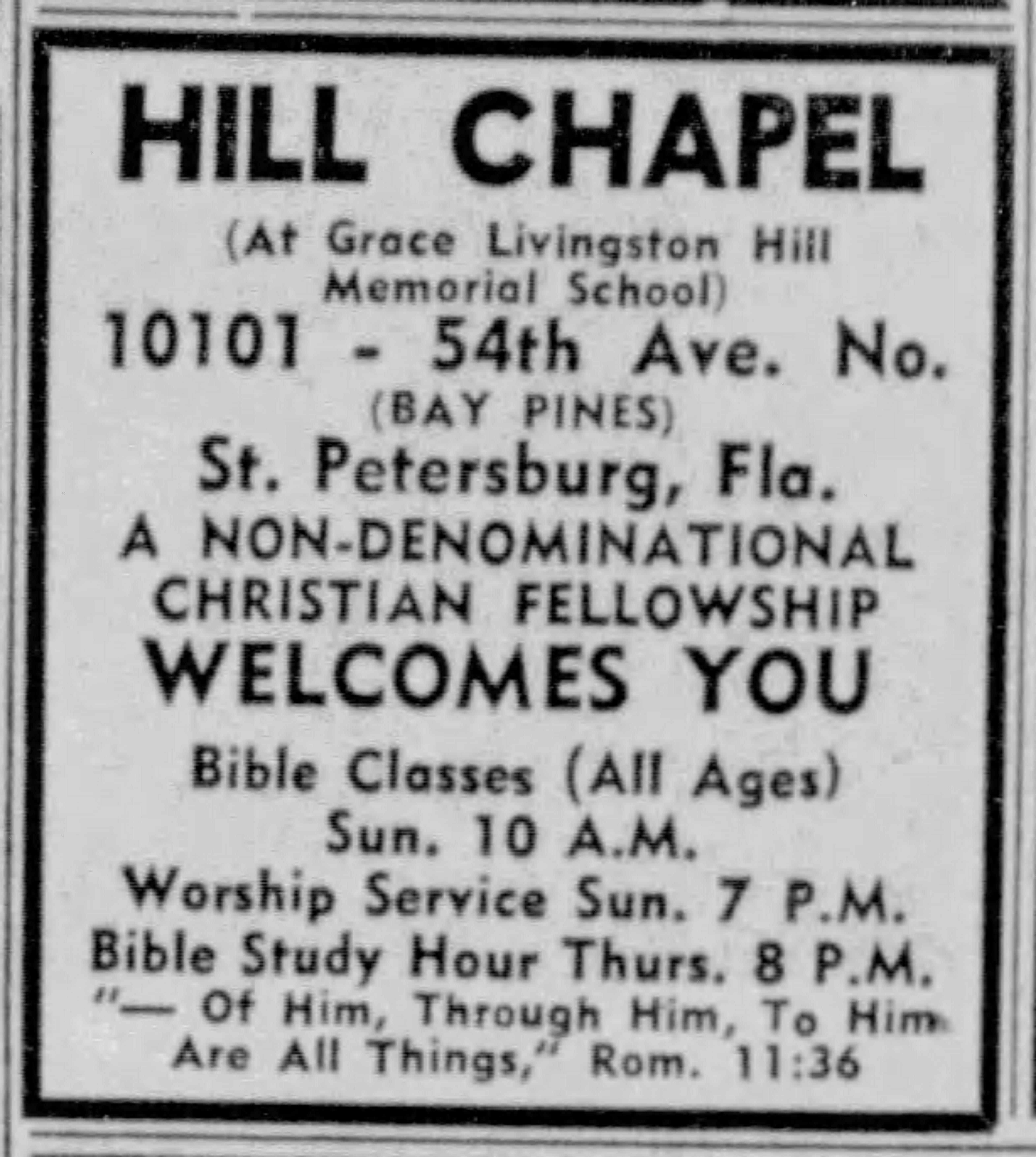
Grace Livingston Hill Memorial School had just four classrooms and 75 students when it officially opened in 1953, but the Christian day school grew with each passing year. Ruth served as the school principal for 15 years. Under her direction, she ensured that Christian education was at the core of every class, saying, “God would be the sum of the equation, the Bible a textbook.”

In 1962 the school changed its name to Keswick Christian School, and it’s still operating today under that name. But it had its roots as a tribute to Grace Livingston Hill, who loved God and used her talents for writing and teaching in order to serve Him.
You can read some of Grace’s short stories for free on this site. Just click on one of the images below to begin reading.


Share this:

Artificial Flowers
During the late 1800s and early 1900s no true lady ever left home without being properly attired. Isabella Alden would have abided by that rule.

When paying calls or shopping, Isabella, like all women at the time, wore gloves as well as long sleeves and high collars to cover her arms and neck.
Even more importantly, ladies always wore bonnets.

Bonnets were de rigeur for any lady in the out of doors; and while styles of bonnets changed from year to year, one constant was decoration; with few exceptions, ladies’ hats were decorated with ribbons, netting, swashes of fabric and—most commonly—with artificial flowers.

Woman of the era loved artificial flowers. From small dainty buds to cabbage-sized blooms, women wore them not just on their bonnets, but in their hair and on their gowns, as well.

Artificial flowers were in heavy demand; companies that supplied them were constantly adjusting their prices to gain an upper hand over their competition.

In Isabella’s lifetime, the American manufacturing industry was in its infancy; there were no machines that could make artificial flowers. So the flowers were constructed by human fingers, petal by individual petal.
It was tedious, painstaking work that was typically performed by women and children for paltry wages.
Artist Samuel Melton Fisher memorialized flower makers in his 1896 painting
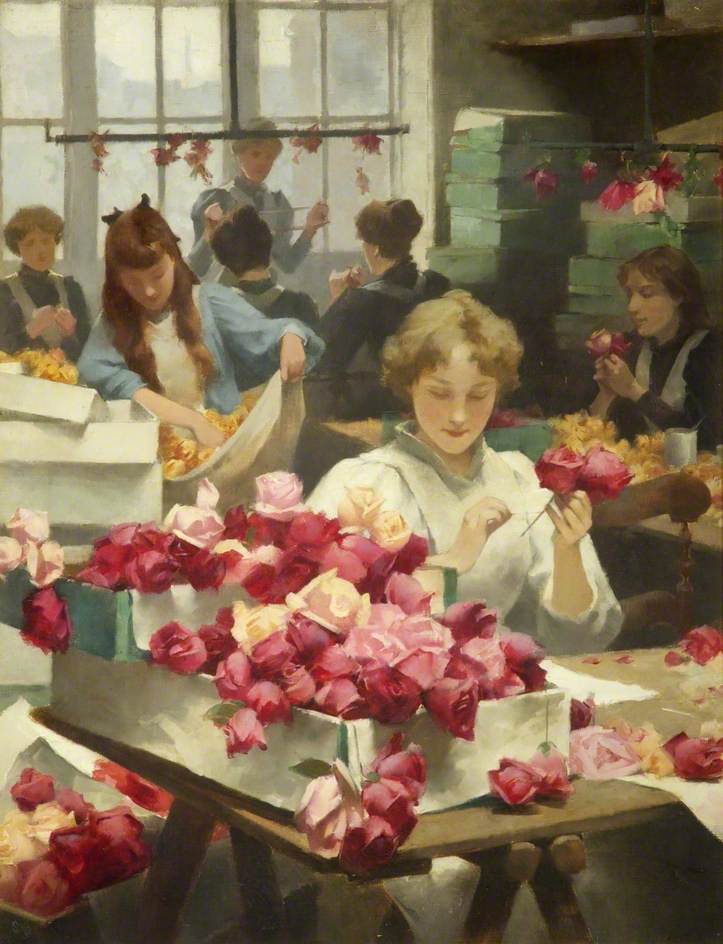
But Mr. Fisher’s painting shows an idealized setting, with women and girls in crisp white aprons happily gluing the petals of flowers together or attaching blooms to stems.
The truth was that the majority of artificial flowers were made as piecework in women’s homes.
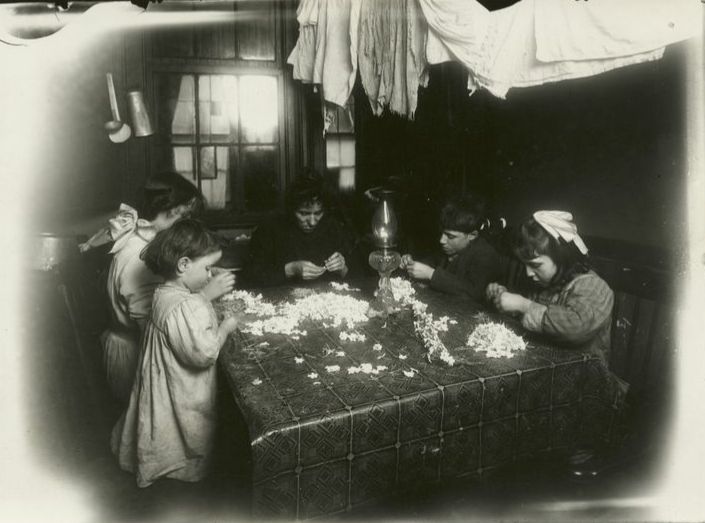
In 1908 the city of New York conducted a study of people living in city tenements. As part of the study, they published this photograph depicting Frank, a fourteen-year-old, and his family, who lived in a tenement building:
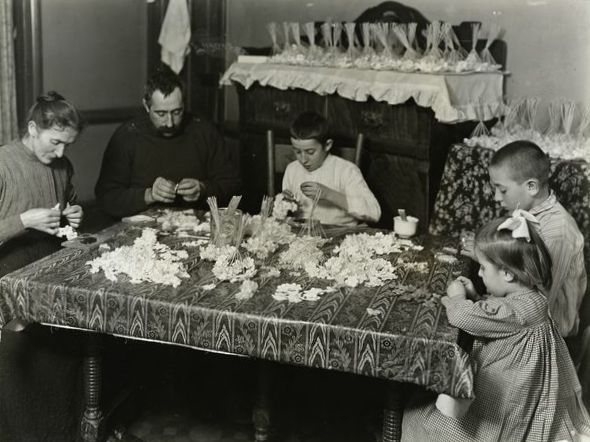
The city used this caption for the photo:
Frank, 14, John, 11, and Lizzie, 4, work with their parents at home making artificial flowers. The father helps because his health is too poor to do other work. The boys work from Saturday afternoon and evening until 10 or 11 p.m. Lizzie separates petals. They make regularly from ten to twelve gross a week for which they are paid 6 cents a gross.
At 6 cents a gross, Frank’s family earned between 60 and 72 cents a week. To put that amount into perspective, a loaf of bread at the time cost 5 cents; a quarter of milk cost 6 cents, and a dozen eggs cost 22 cents. Given the amount Frank and his family earned, they were able to afford just enough food to survive.

The demand for artificial flowers remained high for decades. Some unscrupulous suppliers rounded up street children and locked them in rooms, forcing them to make flowers for 12 to 14 hours a day. The children were give little food and allowed minimal rest before they were made to begin work again.
Eleanor H. Porter, the popular author of the Pollyanna series of classic children’s novels, wrote about the plight of such children in her book, Cross Currents.

Although many of the children in Isabella’s novels had jobs or worked to help support their families, none of them assembled flowers; still, it was such a wide-spread cottage industry, Isabella was probably very aware of the practice.
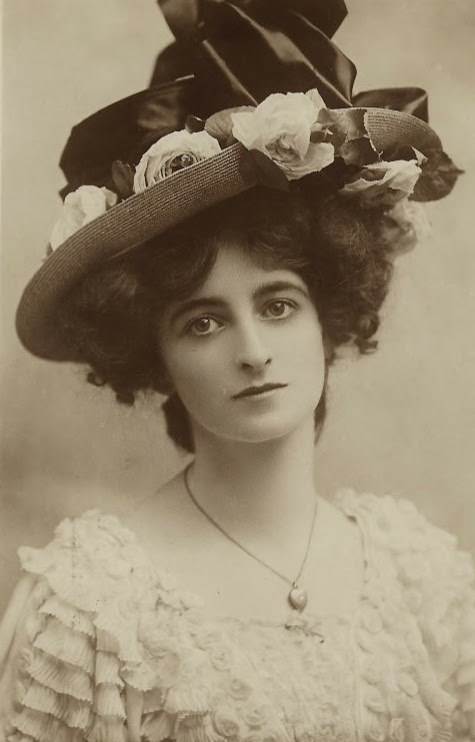
There’s no available photograph of Isabella to tell us whether she liked artificial flowers on her bonnets; but in her memoirs, Isabella mentioned that when she was a young bride, she wore a hat that a woman at church felt was “too gay” for a minister’s wife to wear. The woman went so far as to send Isabella an incredibly ugly hat for her to wear instead.
Isabella even wrote about the incident in her novel Aunt Hannah and Martha and John. In the story (just as it happened in Isabella’s real life) an anonymous person sends newly-wed Martha Remington a very unattractive hat. Martha’s struggles in deciding whether to wear the horrid creation to church reflected the very same struggles Isabella endured in the very same situation!

You can read more about the books mentioned in this post by clicking on the book covers.


