
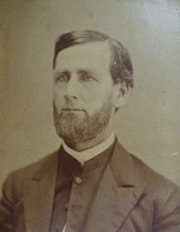
Isabella and her sister Marcia both married ministers of the Presbyterian church, whose profession called them to different churches across the northeastern United States. In 1868 Marcia’s husband Charles was called to a small church in the idyllic village of Gilbertsville, New York.
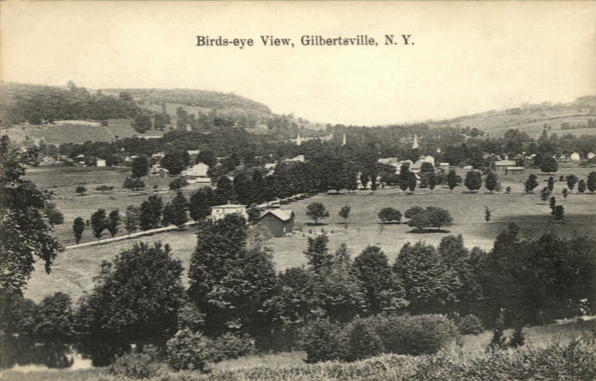
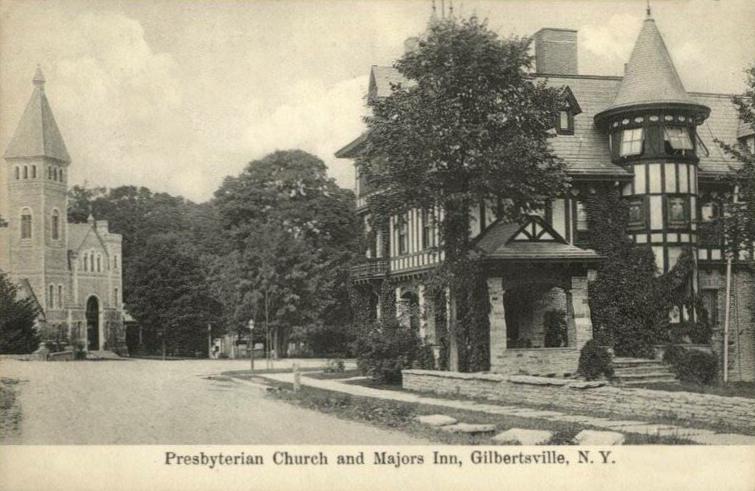
Gilbertsville is nestled inside the town of Butternuts amid farmlands and gently rolling hills carved out by nearby Butternut Creek. When Charles, Marcia, and their three-year-old daughter Grace arrived in Gilbertsville, the congregation had just completed construction on their new church building. Charles was one of the very first pastors to preach in the grand new sanctuary.
With a fresh building and a youthful pastor, the energy of the congregation was electric. The women of the church were highly educated and socially active; in fact, it was largely due to the efforts of the church’s “Ladies’ Aid” leadership that the funds were raised to build the new church. In many ways, they mirrored the types of organized, reform-minded and intellectually curious women that Isabella and Marcia so frequently wrote about in their novels.
Those exact same women were older matrons when they gathered in 1898 to tackle another fund-raising project. This time, they turned to a popular and very successful method in the late-Victorian era: publishing a community fundraising book. It worked like this:
Small towns at the turn of the century had local newspaper or regional printing houses that routinely printed booklets, local histories, and community directories for a flat fee. Before a single page of the book was printed, the ladies of the church went door-to-door throughout the area obtaining donations, cash advances and orders from neighbors, local businesses, and families. Similar to our modern crowd-sourcing, it was a clever way to ensure the project was fully funded upfront.
While many church groups published community cookbooks filled with local recipes, a literary collection of curated moral, poetic and philosophical quotes was considered a more “refined” and “intellectual” endeavor—and that’s what the ladies decided to publish.
They solicited favorite quotes from town leaders and prominent citizens—including the Gilbert family, whose ancestors literally founded and named the village; the Fitch family, owners of the local mills and enthusiastic supporters of local civic projects; and the Rockwoods, major agricultural exporters who drove the local economy.
The women also reached out to former residents, including the Livingstons. By the time the book was published in 1898, the Livingstons had moved on to other pulpits, but they were still well remembered and beloved. They were also firmly connected to the Christian literary world of that time—Marcia was a published author in her own right, and her sister, Isabella, was the most successful and prolific Christian fiction author of the Victorian era.
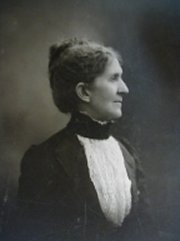
Obtaining favorite quotes from the Livingstons added prestige and a bit of “star power” to their small-town book.
Titled Thoughts of the Wise, the book was published in 1898 and became a treasured collection of wisdom, as well as a handy social directory. At a price of twenty-five cents a copy, many residents purchased multiple copies to send to far-away friends and relatives, adding more to the community’s fund-raising coffers.
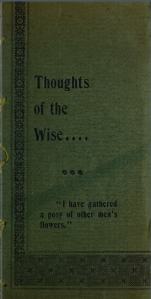
Would you like to see the favorite quotes Marcia and Charles Livingston contributed to Thoughts of the Wise? Click here to view a PDF version of the book. You’ll find Charles’ quote on page 9 and Marcia’s on page 26.
JOIN US FOR PART TWO!
Curious about why the quotes Charles and Marcia chose were especially meaningful in their lives? Join us on November 10 when we’ll explore the special meaning behind their selections, examine the reality of Charles’ failing health, and look at the extraordinary steps the family took to cope with his illness.


