
Not all boarding houses were created equal.
In the late 1800s, a boarder’s standard of living—from the cleanliness of their sheets to the quality of their morning coffee—was dictated almost entirely by two factors: location and cost.
In a successful, well-managed boarding house, life could be surprisingly comfortable. Articles in ladies’ magazines from the 1890s and early 1900s show that establishments that charged fair, competitive rates prided themselves on the little details.
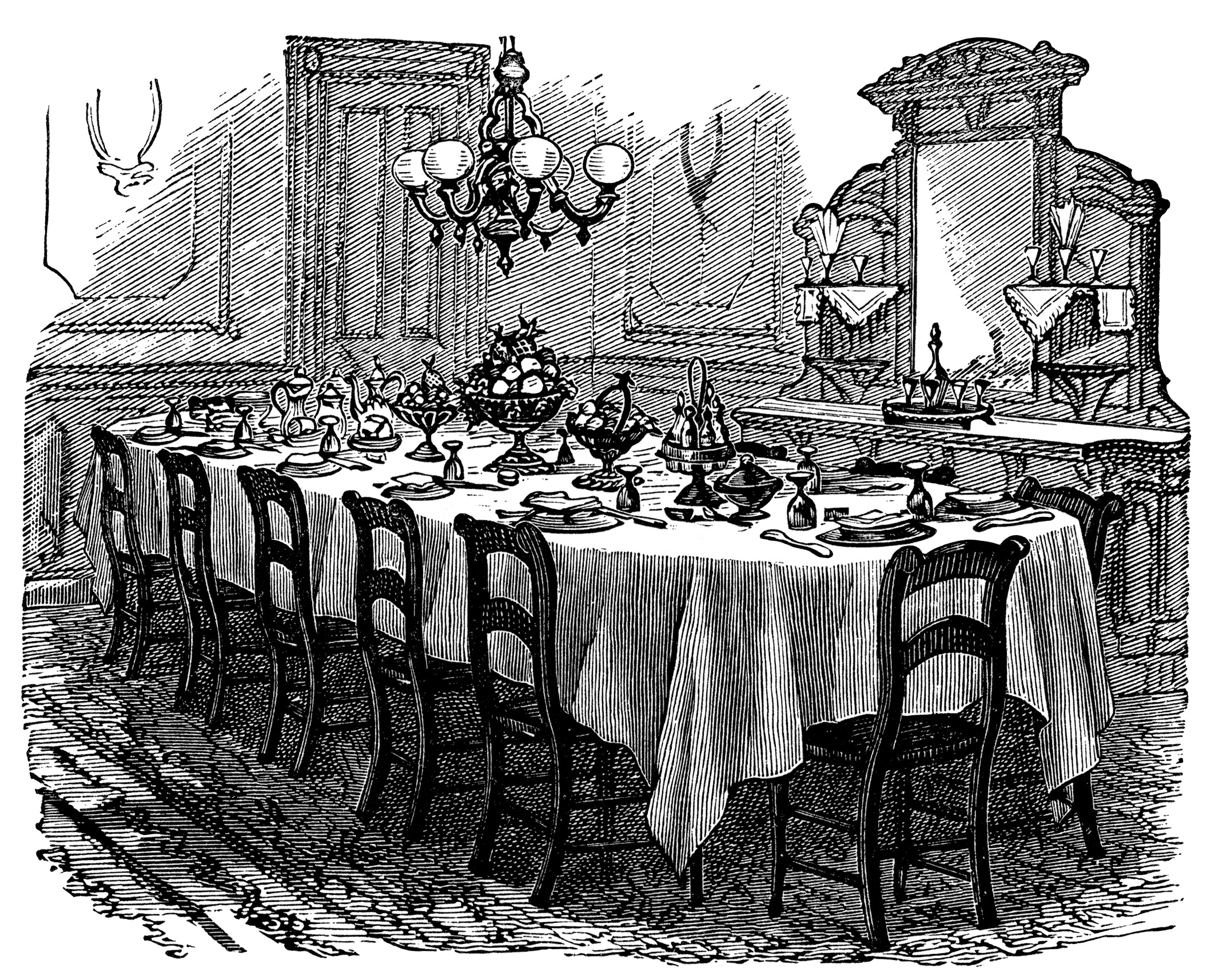
A boarder in a reputable house could generally expect:
- Clean, whole bedding and fresh pitchers of water replenished daily in their room.
- Well-maintained common areas, such as a tidy parlor for receiving guests and a clean, functioning bathroom down the hall.
- Hearty, predictable meals that often featured choices of fresh meat (like steak or mutton chops) alongside hot bread, griddle cakes, potatoes, and coffee for breakfast.
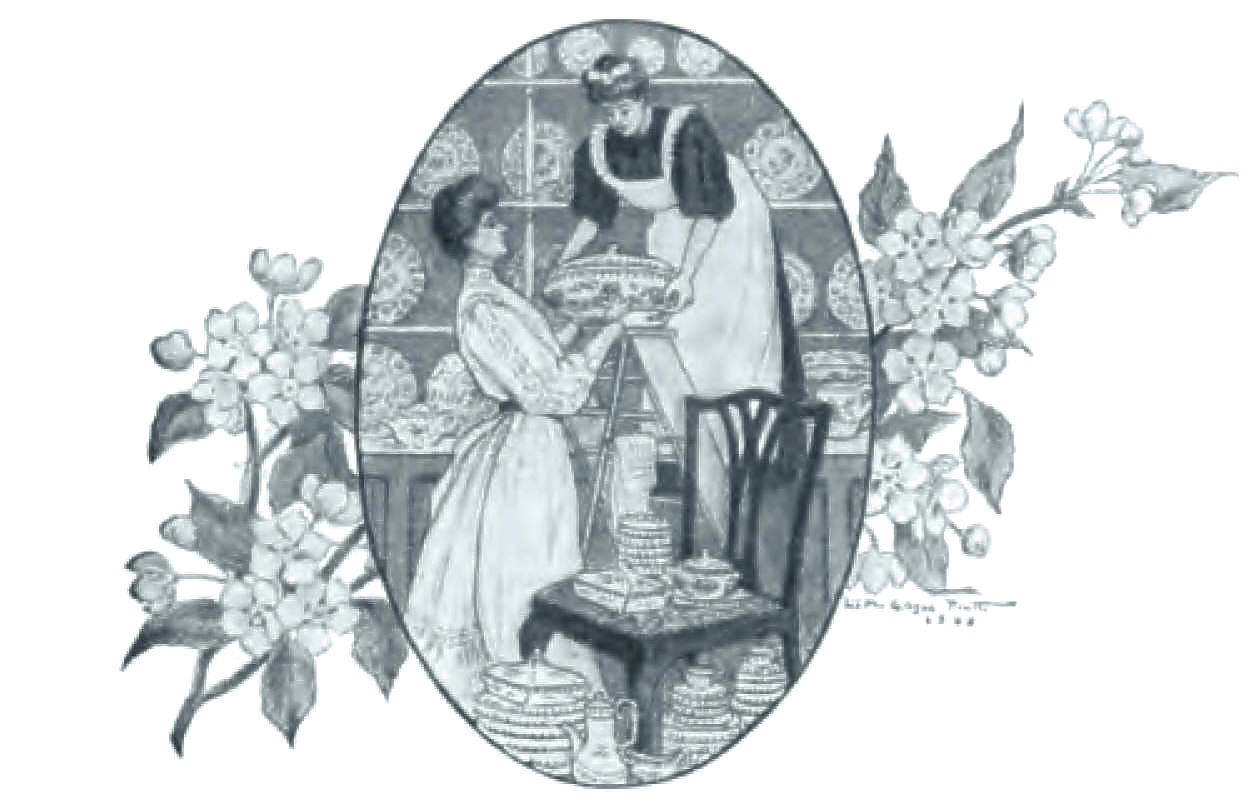
These houses were typically situated in respectable, quiet residential neighborhoods, a bit removed from the soot and noise of the commercial districts. For a young clerk or a professional starting out in a new city, a good boarding house provided respectability, a family atmosphere, and a comfortable place to rest.
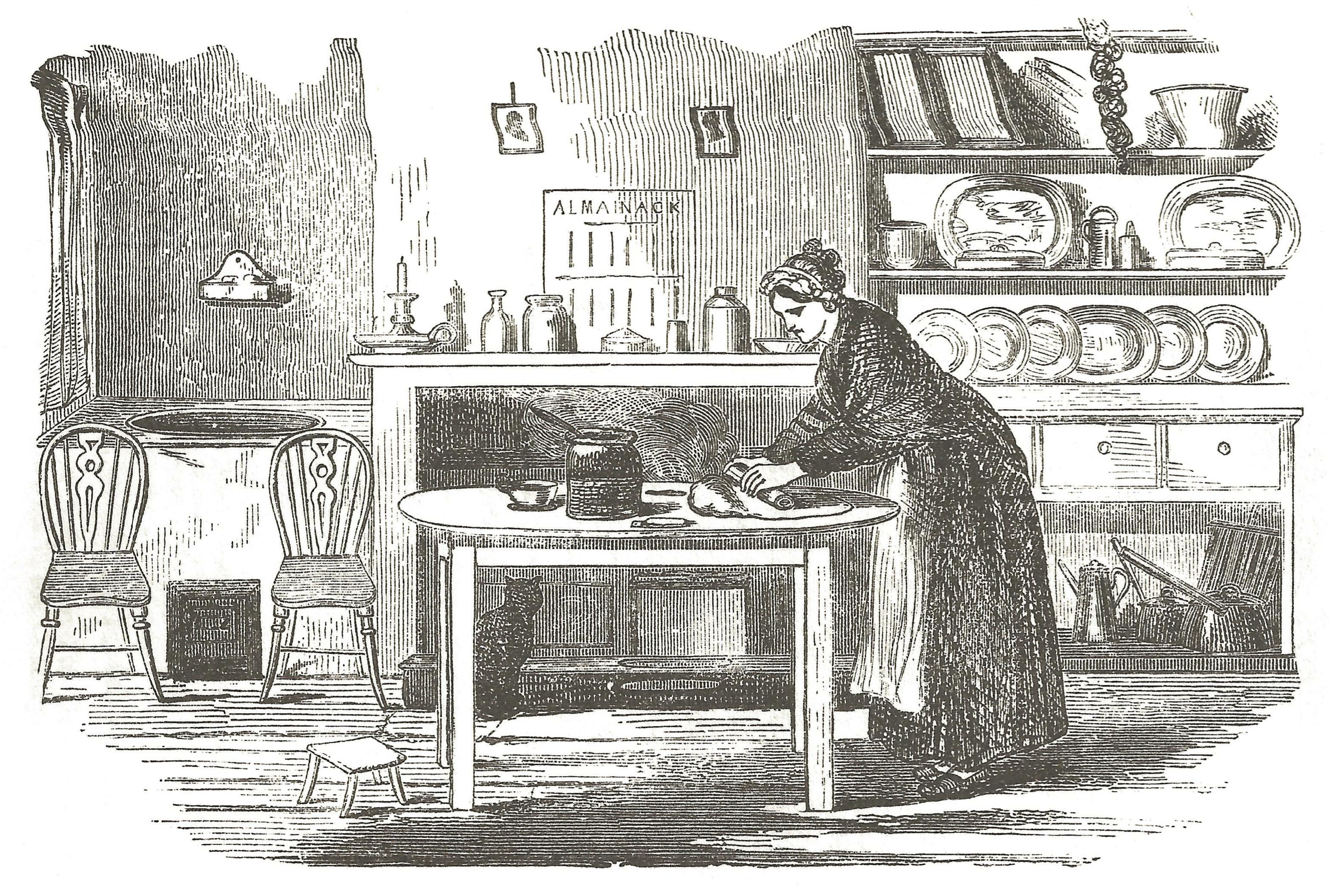
On the flip side, lower-end establishments operated under severe financial constraints. Landladies running cheap rooms on tight budgets—often located right near bustling business or industrial areas—faced an uphill battle just to keep the lights on.
Their struggle wasn’t just financial; it was also extremely physical. Housework in the late 1800s was heavy, grueling labor. Without our modern conveniences, almost every task involved carrying water—and water is remarkably heavy. From cooking and scouring to daily cleaning and massive loads of laundry (made even heavier by the thick wools, linens, and structured fabrics of the Victorian era), running a household required endless physical exertion. In the summer months, kitchens became stifling, unventilated boxes that trapped heat and frayed tempers.
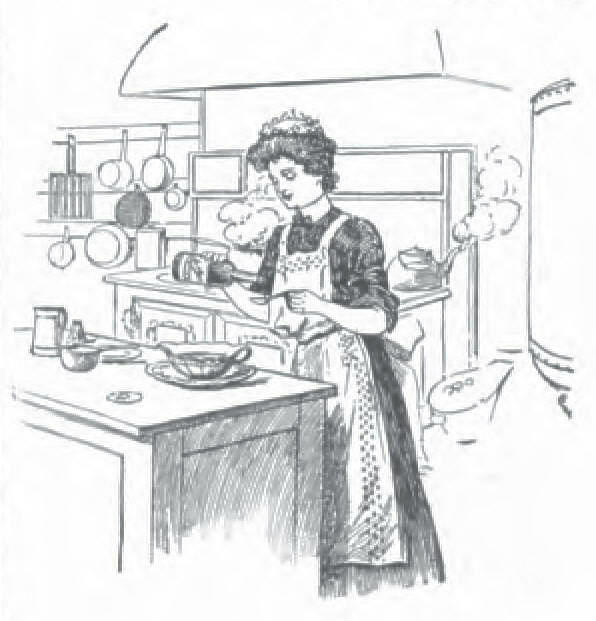
Because cheaper boarding houses lacked the luxury of hired help or updated amenities, corners had to be cut. Landladies were often stretched far beyond their physical limits, leaving them too exhausted to properly clean individual rooms daily or handle basic maintenance. To make ends meet on minimal budgets, their menu options were often minimal and monotonous. Even worse, their rooms were smaller, draftier, and closer to the clamor of the city streets, offering little relief for boarders at the end of a long workday.
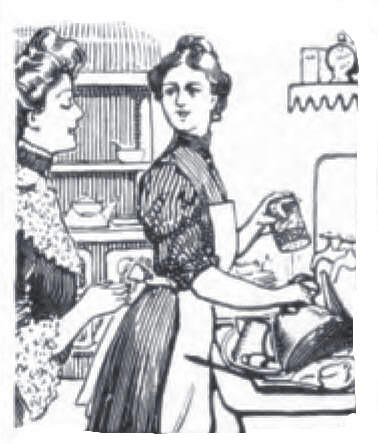
Isabella Alden understood these differences and used them in her novels in ways her readers could identify with. In the opening chapters of Ester Ried, Isabella described Ester as tired, exhausted, and weary—a reflection of the long hours and crushing labor required to keep a household running. Her readers would have sympathized with Ester, and most would have recognized times in their own lives when they, too, found themselves overwhelmed by the physical demands of household duties.
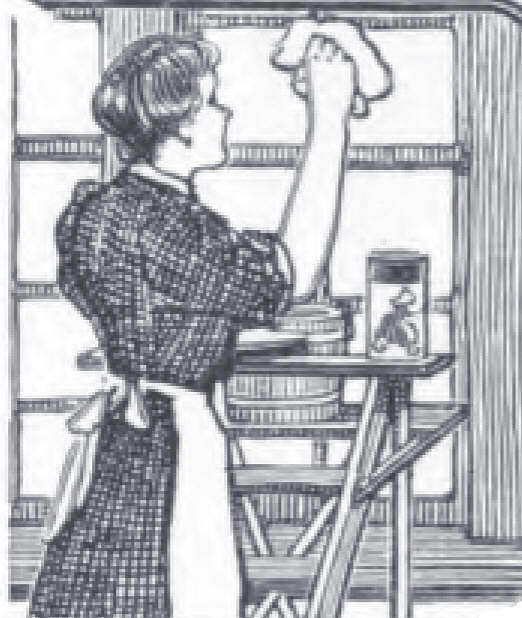
Isabella illustrated the contrast between a well-managed boarding house and a lower-end establishment in her novel Workers Together; An Endless Chain. In that story, the circumstances of two young men—co-workers in the same business—cause them to have completely different boarding experiences.
Robert Parks lodges in a warm, well-managed home run by Joy Saunders and her mother. It’s located in a nice, respectable residential neighborhood and has a comforting, home-like environment.
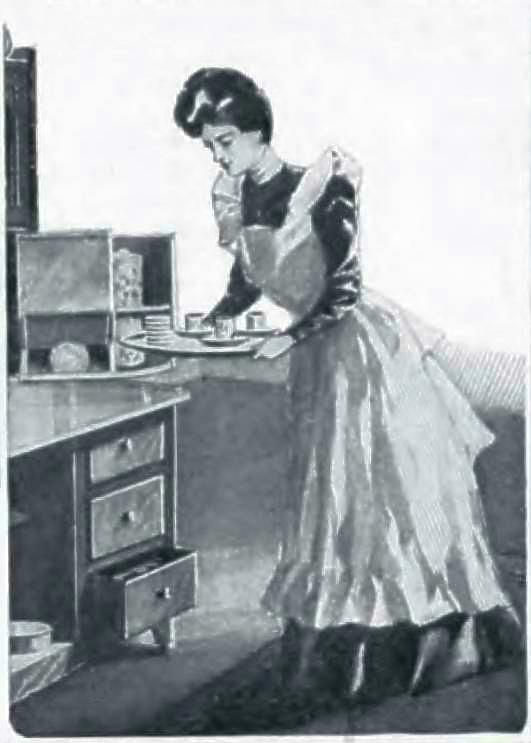
Fred Briggs, on the other hand, receives a smaller paycheck and can only afford to lodge in an ill-managed, uncomfortable boarding house located near the industrial business district. Like Ester, his landlady is too overwhelmed and exhausted by the physical demands of the house to clean his room regularly or pay attention to her lower-paying tenants. When Fred falls ill, Robert visits him in his cheerless, neglected room and tries to enlist the help of “the uncombed, collarless, partly buttonless, altogether untidy woman who presided over this third-rate boarding-house, peopled by young men with small salaries.”

Interestingly, Robert’s visit to Fred’s boarding house becomes a turning point in his life—an unexpected test of character. It also shows Isabella’s talent as a story-teller. She didn’t just use boarding houses as colorful backdrops; she used them as mirrors for character. She understood that how we live, how we treat those trapped in overwhelming circumstances, and how we respond to our own daily weariness say everything about who we are.
HAVE YOU READ THE BOOKS MENTIONED IN THIS POST? CLICK ON THE BOOK COVERS TO GET STARTED!