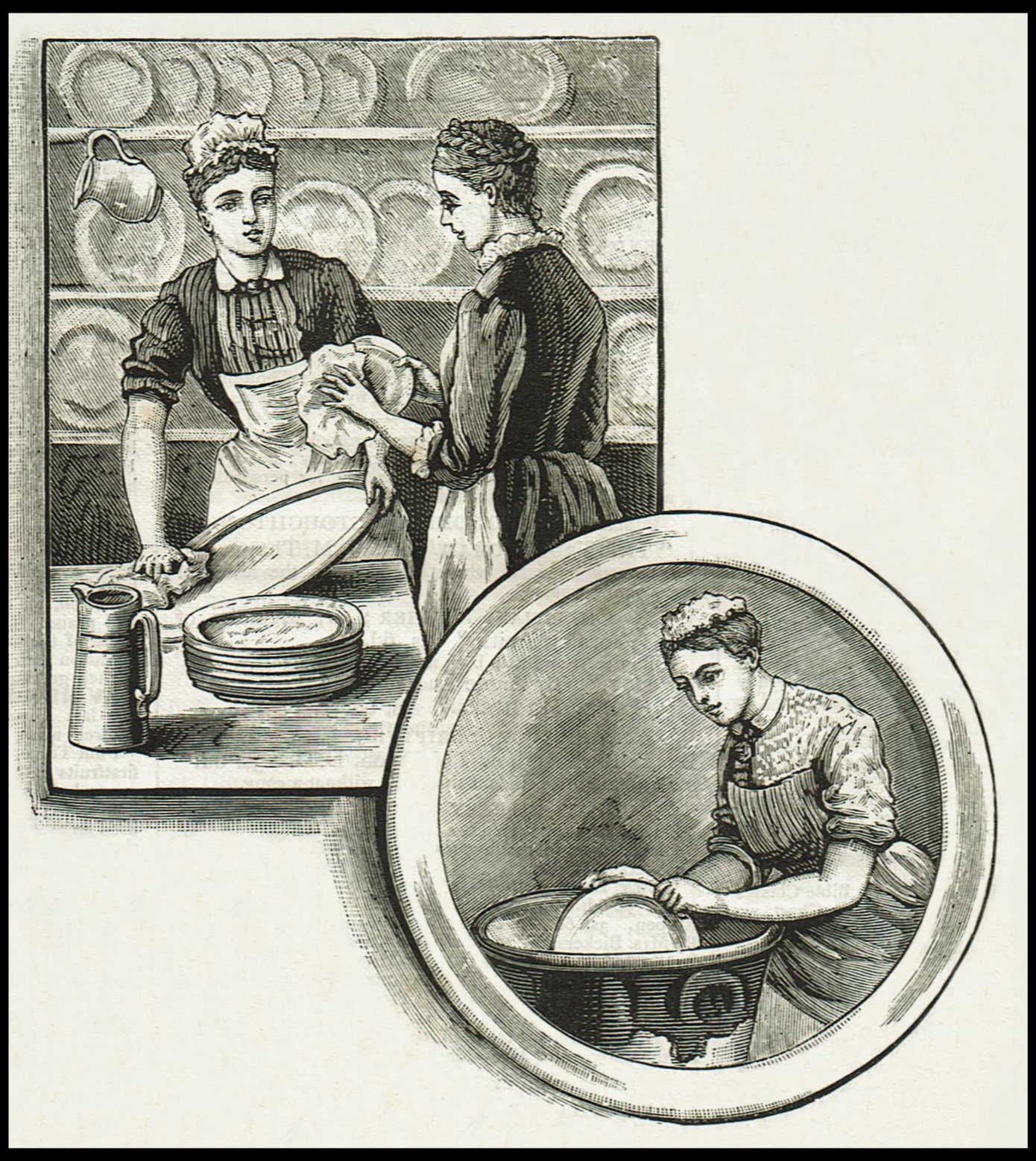
If you’ve spent any time getting to know the characters in Isabella Alden’s novels, you’ve probably met them multiple times: the widow who takes in lodgers to keep her family afloat, the young store clerk boarding far from home for the first time, the landlady presiding over a dinner table crowded with as many opinions as boarders. Boarding houses show up so often in her stories that it’s easy to read right past them — but for Isabella’s original readers, they needed no explanation. For us, more than a century later, a bit of an explanation is in order.
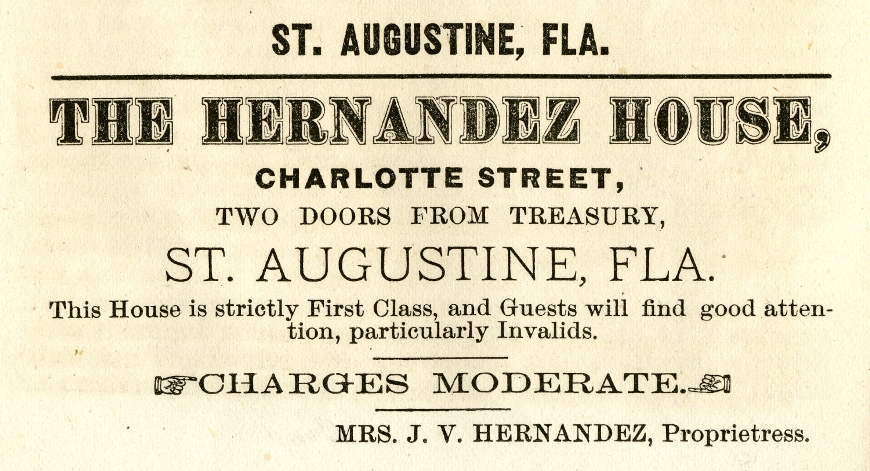
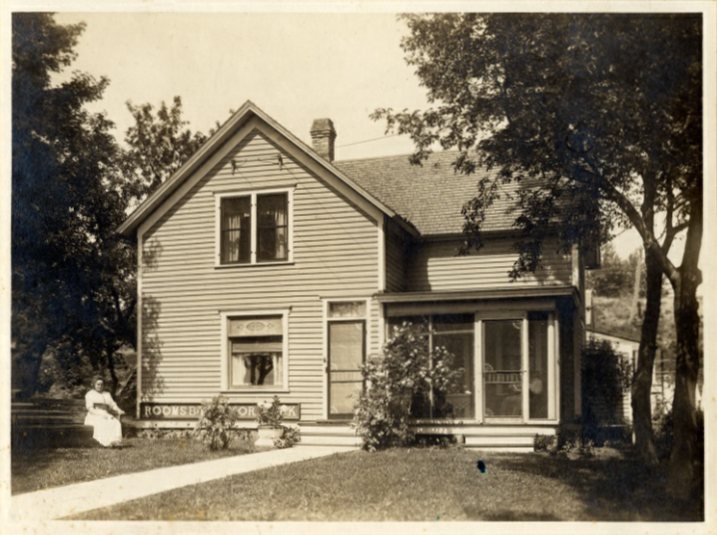
A boarding house was, at its simplest, a private home where the owner rented out rooms and provided meals — typically breakfast and dinner were included in the weekly rate, with lunch offered as a lighter, extra meal since working boarders were away at midday. This is an important distinction: a boarding house was not the same thing as a rooming house, where a lodger rented a room but ate meals elsewhere, usually at a restaurant. Boarders lived and ate under one roof; roomers just slept there. Isabella’s characters moved between both kinds of arrangements, and knowing the difference helps explain a lot about their daily routines (and their complaints).
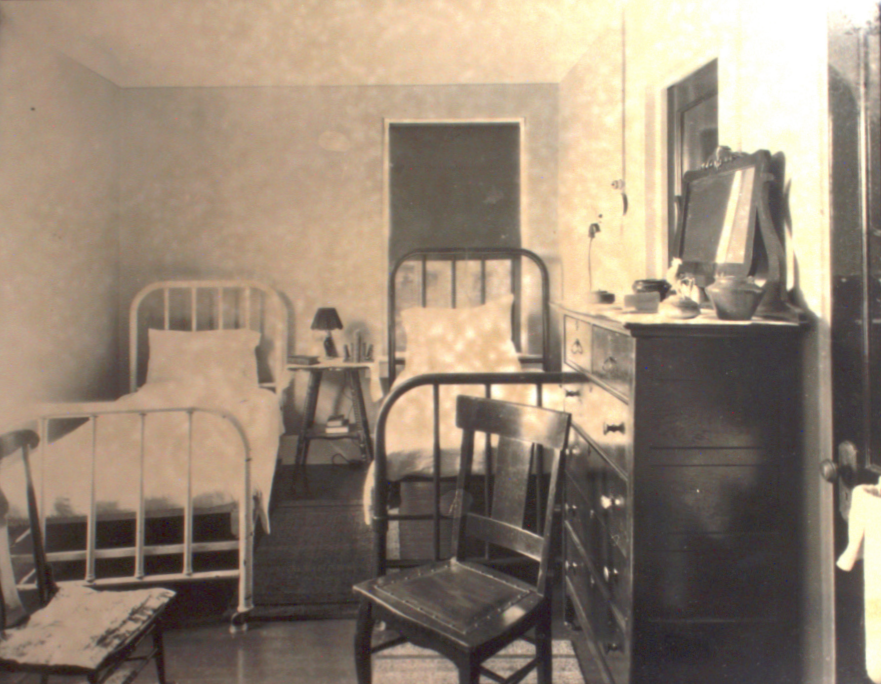
A well-run boarding house was expected to offer more than just a bed. According to the standards of the day, a boarder could expect a clean, whole set of bedding, a washstand with a large pitcher for washing up, fresh drinking water left by the bed at night, and a well-supplied bathroom down the hall. Whether a house actually delivered on these basics — or fell woefully short of them — could make the difference between a boarder’s contentment and outright misery. We meet both kinds of houses in Isabella’s novels.
In Isabella Alden’s lifetime, a woman who needed to support herself — or her family — had only a handful of respectable options. She could teach school. She could sew. She could clerk in a store. Or she could keep a boarding house.
That last option had a particular appeal for women who already owned a home, especially widows left with a house too large for their remaining family and no other income. It required little starting capital. You didn’t need to buy a building or stock a shop; you just opened the doors of the house you already had. And on paper, it looked deceptively simple: cook a bit more food, make up a few extra beds, and collect the weekly rent.
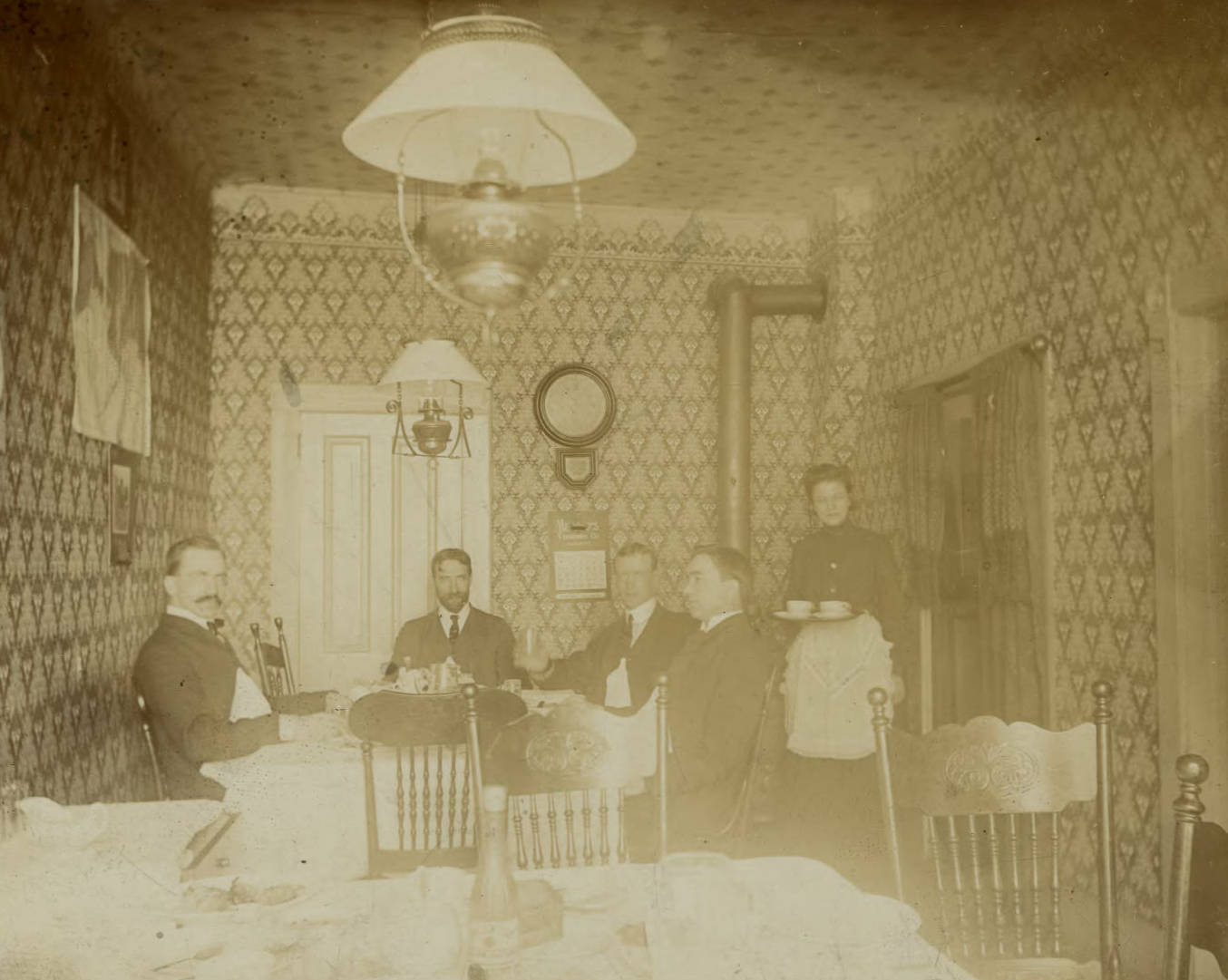
In practice, as Isabella’s own characters discover, it was one of the hardest ways a woman could make a living. Keeping boarders happy, fed, and paying required real business sense — knowing what to charge, what “extras” to allow, how to set rules boarders would actually obey and respect — and it demanded relentless physical labor that often fell hardest on daughters and servants rather than the woman whose name was on the sign. That was certainly the case in the Ried household in Isabella’s novel, Ester Ried.
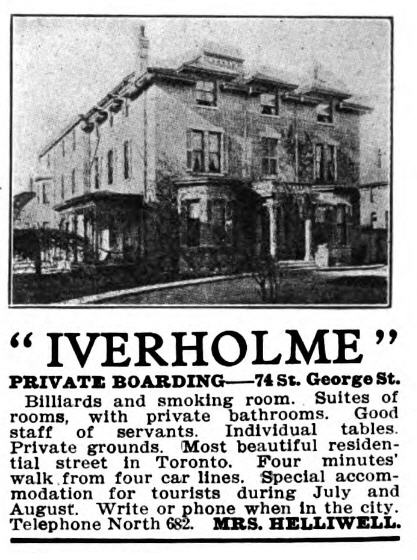
Isabella Alden probably had some personal experience as a boarder. As the wife of a minister who moved frequently from one calling to the next, she likely spent time in boarding houses and rented rooms herself, sizing up landladies and dining rooms much the way her characters do. That experience may be exactly why her boarding house scenes feel so specific and true.
Isabella’s fellow boarders had their own reasons for renting rooms. They were people who needed lodging but didn’t have or want a household of their own — young unmarried clerks and salesmen, professionals new to a city, widows and widowers, traveling businessmen with schedules that didn’t match a family’s routine, and increasingly, by the turn of the century, single working women living independently of their families for the first time.
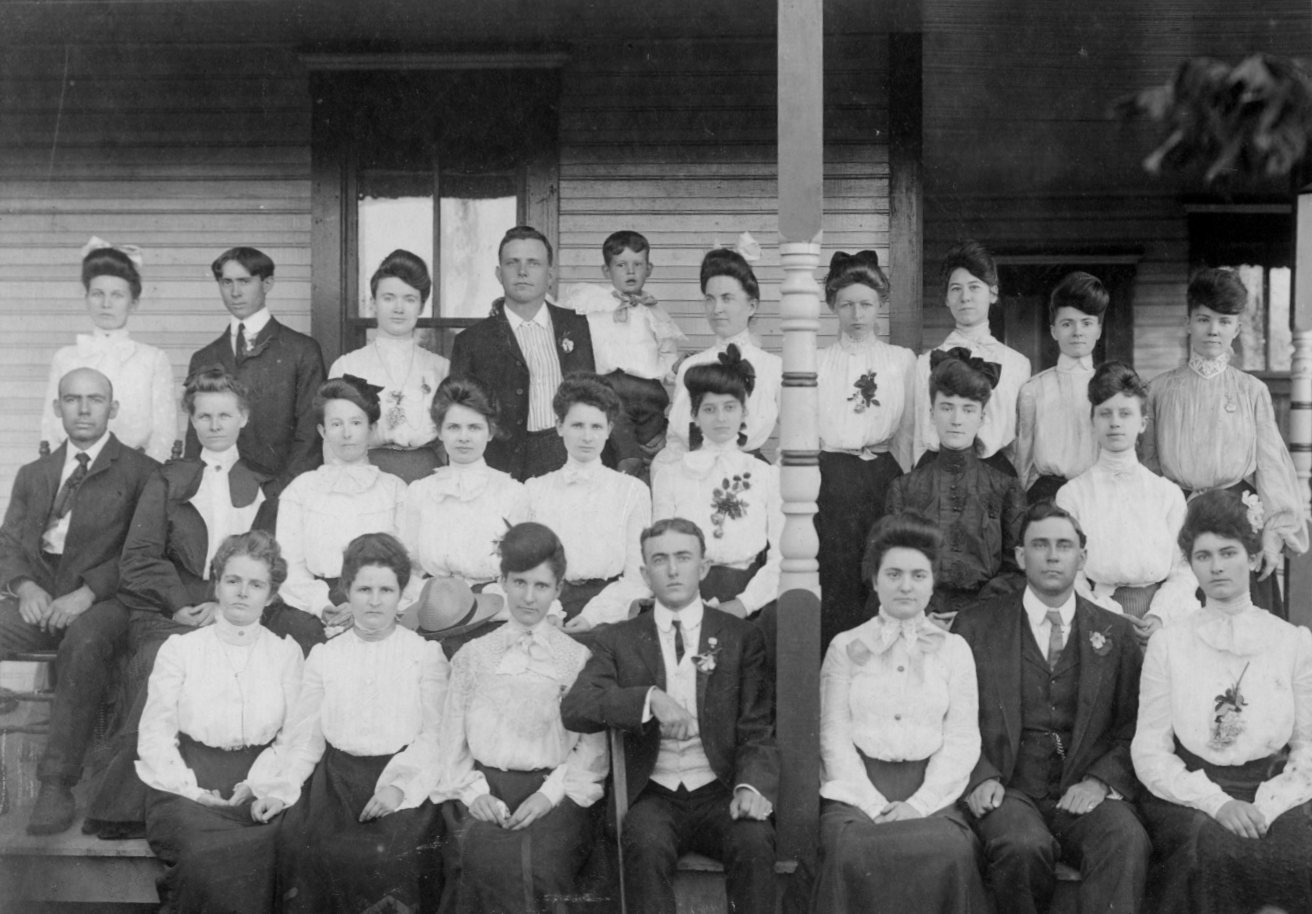
That mix of backgrounds, ages, and personalities all sharing one dining table is exactly what made boarding houses such fertile ground for Isabella’s imagination. For her, a boarding house dining room could be the setting for a marriage proposal, a theological argument, a landlady’s quiet influence on a wayward young man, or a boarder-turned-lifelong-friend, all in the course of an ordinary week. Isabella used her boarding houses not just as scenery, but as places where her characters’ true selves came out and sometimes, their spiritual journeys were corrected.
Join us again on October 20 when we’ll begin looking at the boarding houses in Isabella’s novels, starting with a weary young heroine named Ester Ried and the exhausting responsibilities she carries as she tries to keep her family afloat.