

Blog

Brothers and Sisters, Husbands and Wives
Here’s some little-known trivia about Isabella’s family, beginning with Isabella’s mother, Myra Spafford.
Myra was close to her sister Julia; they were born only a year apart in Canaan, near Johnstown, New York.
Myra and Julia’s father (Isabella’s grandfather) was Horatio Spafford. Horatio was a teacher, inventor, author, and—for a few years—a newspaper publisher.

.
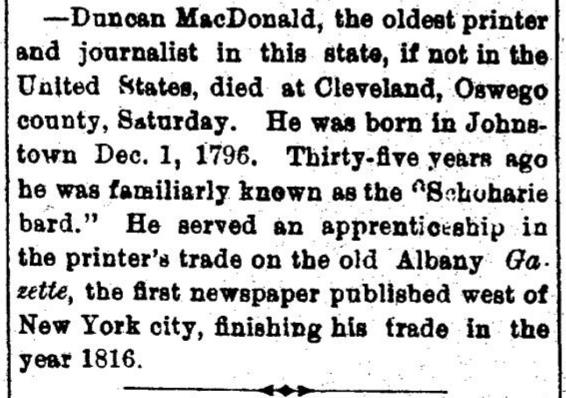
When she was still a teenager, younger sister Julia married Duncan Macdonald, who also grew up in Johnstown, not far from the Spaffords.
Like his new father-in-law, Duncan was a newspaperman. He was famous for his work as a journalist; and his newspaper, The Schoharie Free Press, was well-known throughout the state of New York.
.
A few years after Julia’s marriage to Duncan Macdonald, Myra married Duncan’s brother, Isaac.
Myra and Isaac went on to have seven children—the sixth of which was Isabella Macdonald Alden.

.
Myra and Isaac, Julia and Duncan, lived very near each other and raised their children together in Johnstown, New York.

.
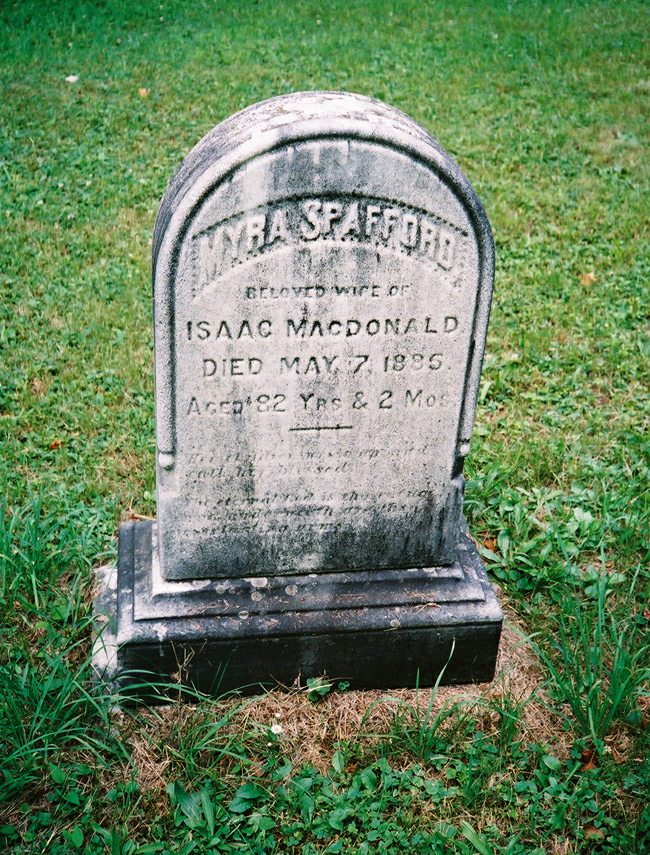
And just as they lived their lives together, they also went to their final rest together. Myra and Isaac are buried near Julia and Duncan in the Johnstown Cemetery.

.
.

.

.
A generation later, Isabella’s family welcomed another pair of siblings to the family. Isabella’s eldest sister Elizabeth married Hiram Titus in 1843. They set up house in Gloversville, not far from Isaac Macdonald’s box-making factory, and had eleven children.
Then, not long after, Isabella’s older brother James married Hiram’s sister Sarah, and they had five children.
In her memoirs, Isabella often mentioned how much her family meant to her, and how close they remained over the course of their lives. Her niece, Grace Livingston Hill, also wrote about their bond, and how they all spent time together as one family.
The days were one long dream. Hard work? Yes, but good fellowship. Everybody working together with a common aim, and joy in the work and the fellowship!
You can read more about Isabella’s family and her life in the Johnstown/Gloversville area in these posts:
Share this:

New Free Read: Muriel’s Bright Idea
Throughout her adult life, Isabella wrote many short stories that were published by different Christian magazines. For your enjoyment, here is a sweet short story Isabella Alden wrote for Christian Endeavor World magazine:
My friend Muriel is the youngest daughter in a large family of busy people. They are in moderate circumstances, and the original breadwinner has been long gone; so in order to enjoy many of the comforts and a few of the luxuries of life the young people have to be wage-earners. I am sure that they enjoy life just as much as they would if such were not the case, though there are doubtless times when they would like to be less busy. Still, even this condition has its compensations.
 “Other people do not know how lovely vacations are,” was the way Esther expressed it as she sat one day on the side porch, hands folded lightly in her lap, and an air of delicious idleness about her entire person. It was her week of absolute leisure, which she had earned by a season of hard work. She is a public school teacher, belonging to a section and grade where they work their teachers fourteen hours of the twenty-four.
Alice is a music teacher, and goes all day from house to house in town, and from school to school, with her music books in hand.
Ben, a young brother, is studying medicine in a doctor’s office, also in town, and serving the doctor between times to pay for his opportunities. There are two others, an older brother just started in business for himself, and a sister in a training school for nurses.
So it was that this large family scattered each morning to their duties in the city ten miles away, and gathered at night, like chickens, to the home nest, which was mothered by the dearest little woman, who gave much of her time and strength to the preparation of favorite dishes with which to greet the wage-earners as they gathered at night around the home table. It is a very happy family, but it was not about any of them that I set out to tell you. In truth, it was Muriel’s apron that I wanted to talk about; but it seemed necessary to describe the family in order to secure full appreciation of the apron.
Muriel, I should tell you, is still a high school girl, hoping to be graduated next year, though at times a little anxious lest she may not pass.
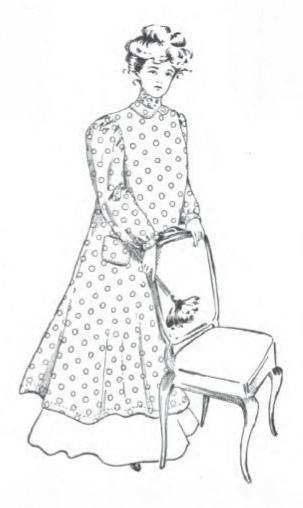
 But about her apron . . . I saw it first one morning when I crossed the street to my neighbor’s side door that opens directly into the large living room, and met Muriel in the doorway, as pretty a picture as a fair-haired, bright-eyed girl of seventeen can make. She was in what she called her uniform, a short dress made of dark print, cut lower in the neck than a street dress. It had elbow sleeves, and a bit of white braid stitched on their bands and around the square neck set off the little costume charmingly.
Her apron was of strong dark green denim, wide enough to cover her dress completely. It had a bib waist held in place by shoulder straps; and the garment fastened behind with a single button, making it adjustable in a second. But its distinctive feature was a row of pockets—or rather several rows of them—extending across the front breadth; they were of varying sizes, and all bulged out as if well filled.
“What in the world . . . ?” I began, and stared at the pockets. Muriel’s merry laugh rang out.
“Haven’t you seen my pockets before?” she asked. “They astonish you, of course; everybody laughs at them. But I am proud of them; they are my own invention. You see, we are such a busy family all day long, and so tired when we get home at night, that we have a bad habit of dropping things just where they happen to land, and leaving them. By the end of the week this big living room is a sight to behold. It used to take half my morning to pick up the thousand and one things that did not belong here, and carry them to their places. You do not know how many journeys I had to make, because I was always overlooking something. So I invented this apron with a pocket in it for every member of the family, and it works like a charm.
“Look at this big one with a B on it; that is for Ben, of course, and it is always full. Ben is a great boy to leave his pencils, and his handkerchiefs, and everything else about. Last night he even discarded his necktie because it felt choky.

“This pocket is Esther’s. She leaves her letters and her discarded handkerchiefs, as well as her gloves. And Kate sheds hair ribbons and hatpins wherever she goes. Just think how lovely it is to have a pocket for each, and drop things in as fast as I find them. When I am all through dusting, I have simply to travel once around the house and unpack my load. I cannot tell you how much time and trouble and temper my invention has saved me.”
“It is a bright idea,” I said, “and I mean to pass it on. There are other living rooms and busy girls. Whose is that largest pocket, marked M?”
“Why, I made it for mother; but, do you know, I have found out just in this very way that mothers do not leave things lying around. It is queer, isn’t it, when they have so many cares? It seems to be natural for mothers to think about other people. So I made the M stand for ‘miscellaneous,’ and I put into that pocket articles which will not classify, and that belong to all of us. There are hosts of things for which no particular one seems to be responsible. Is it not a pity that I did not think of pockets last winter, when we all had special cares and were so dreadfully busy? It is such a simple idea you would have supposed that any person would have thought of it, but it took me two years. I just had to do it this spring, because there simply was not time to run up- and downstairs so much.”
“You have proved once more the truth of the old proverb, ‘Necessity is the mother of invention,’” I said. “And, besides, you have given me a new idea. I am going home to work it out. When it is finished, I will show it to you.” Then I went home, and made rows and rows of strong pockets to sew on a folding screen I was making for my work-room.
Share this:

Reuben and the Bound Out Boys
When Isabella wrote about children in her novels, she often gave them jobs.
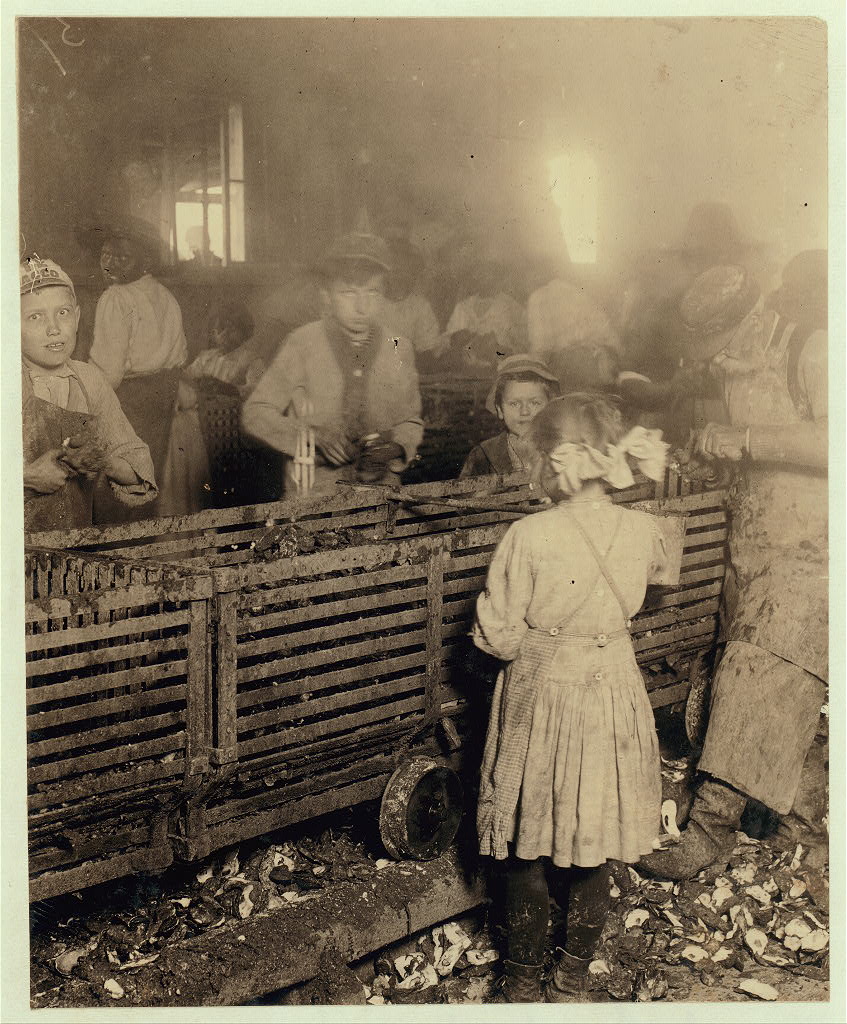
That was true of six-year-old Daisy Bryant, who worked alongside her mother in a canning factory in the novel, Miss Dee Dunmore Bryant.
.
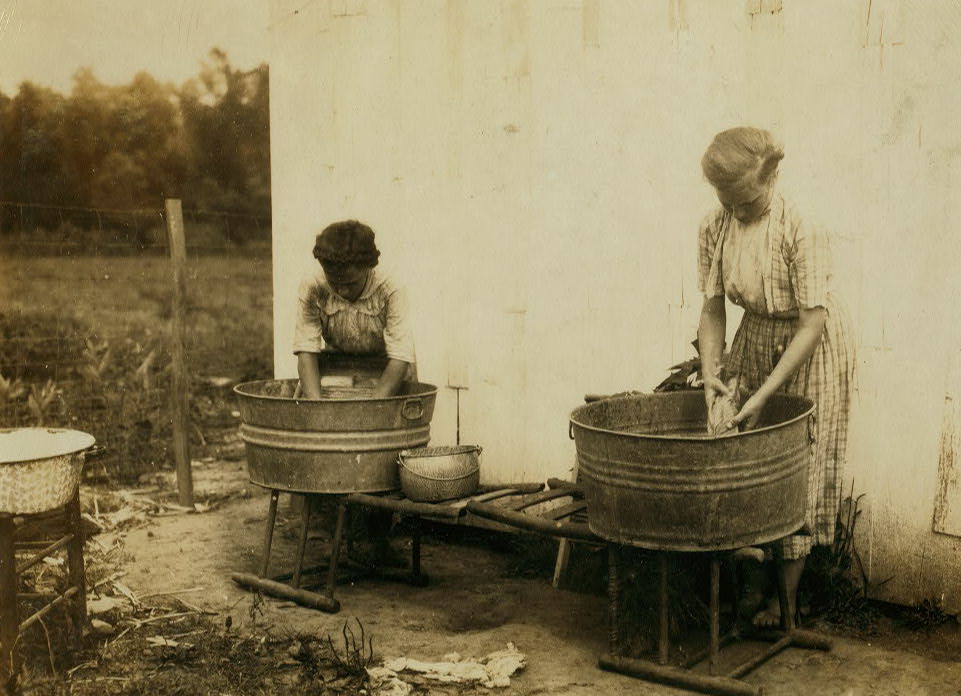
And in Household Puzzles, enterprising teenager Maria Randolph decided to take in laundry to help support her family.
.
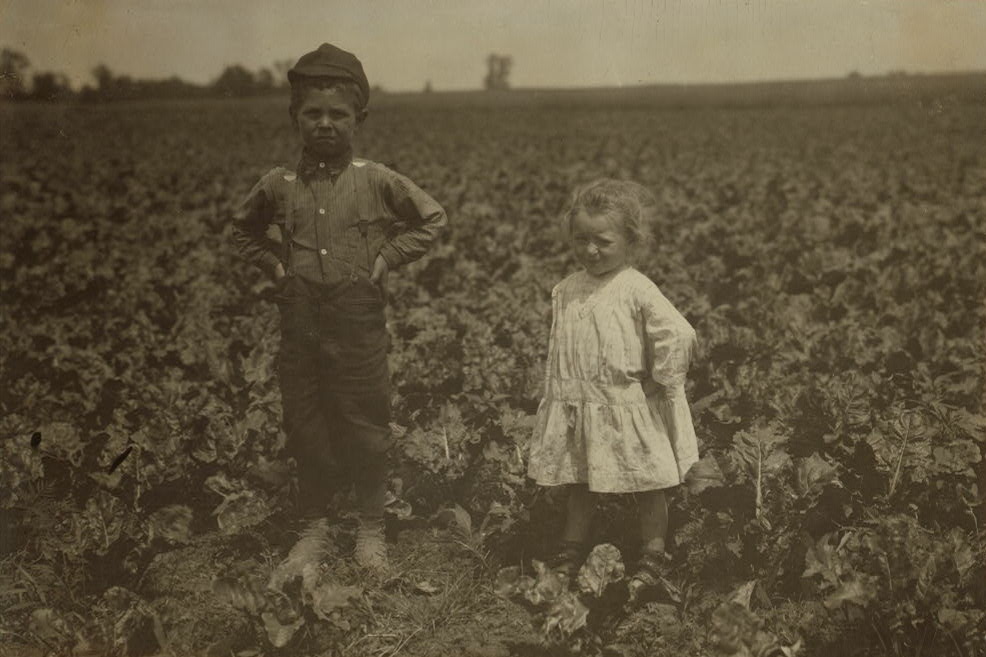
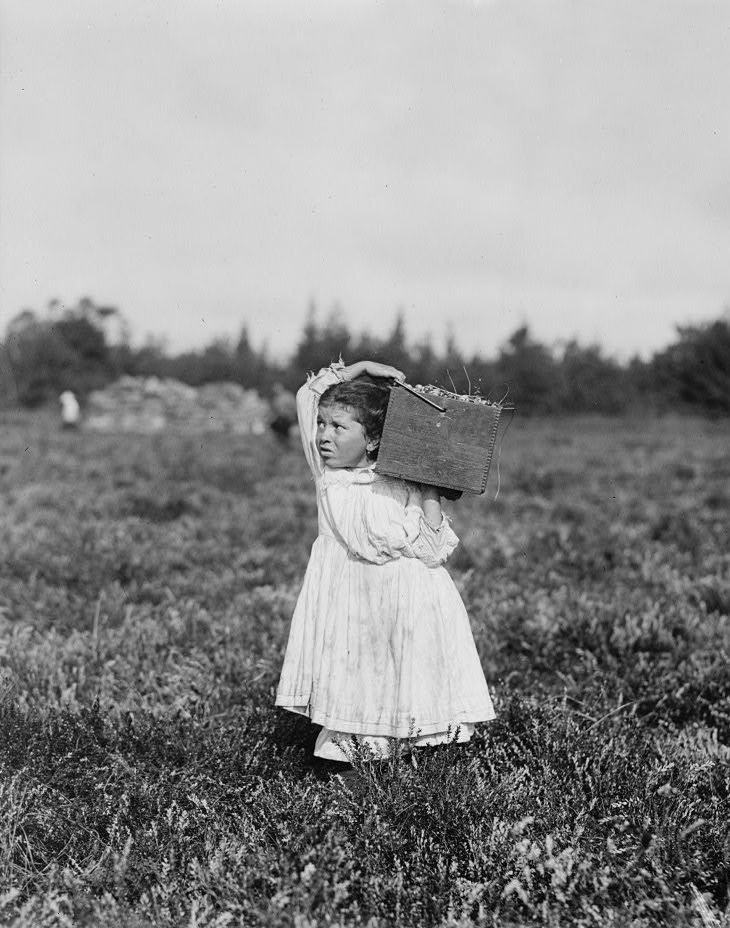
In the world in which Isabella lived, it was very common for children to work … and it was even more common for employers to exploit child laborers.
.
Children were paid pennies for twelve-hour work days, and often worked in dangerous conditions, as Isabella knew well. In her book Ester Ried Yet Speaking, young Mark Calkins, who worked long hours at a printing house, was injured in an elevator accident at work. With no money to see a doctor, and no help from his employer, Mark was left to suffer his injuries alone until kindly Dr. Everett intervened.
.
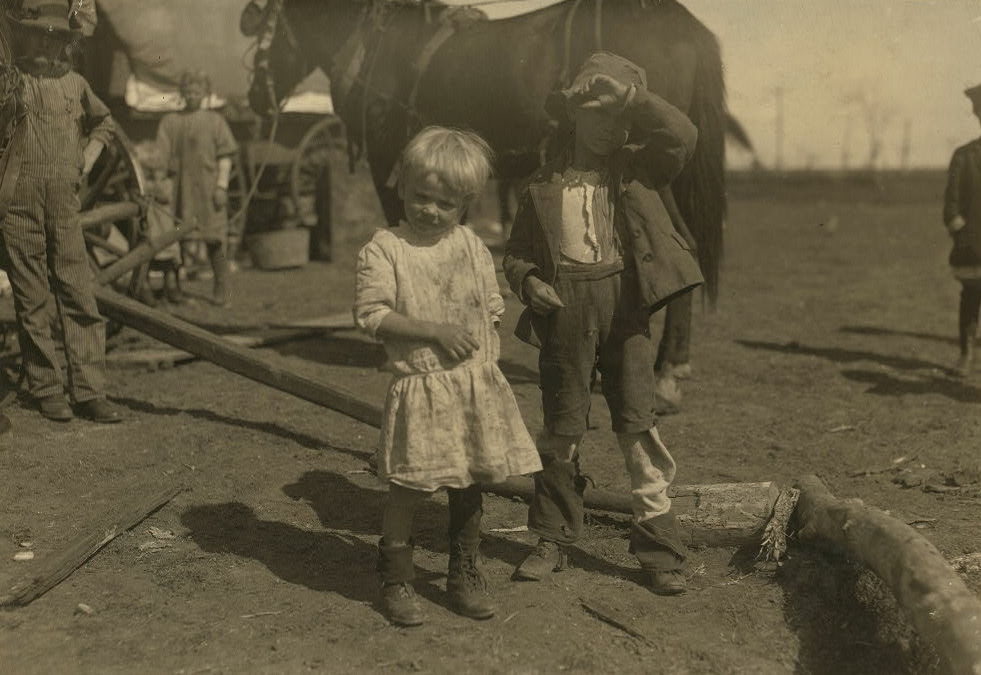
But it was the children who had no parents who often fared the worst. With no one to protect them or look out for their interests, they were sometimes “bound out” to a family to work in exchange for food and shelter.
.
Orphanages regularly bound out boys and girls in their care. They would send a child to live with an individual or a family; in exchange, the child received training in some craft or trade that would support them in the future.

.
Some masters were exacting, severe, even cruel, and used the children they took in as slaves. Others were fair and kindly, even though they may have been strict and insisted on good workmanship.
Meet Jack
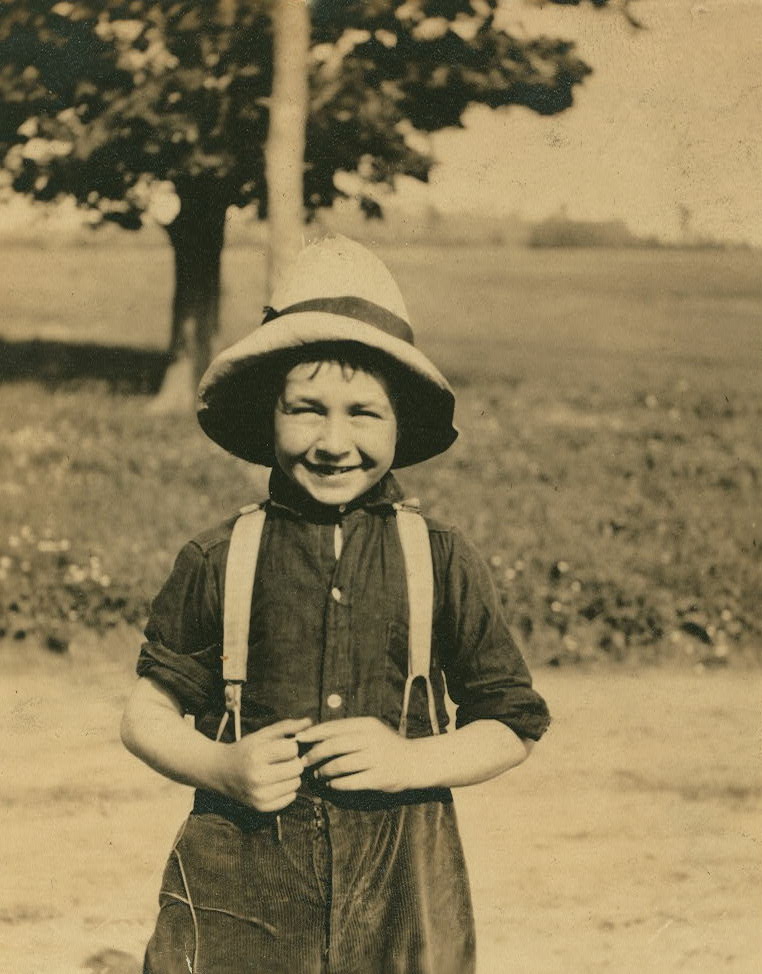
In 1915 Jack was an eight-year-old boy who worked sunrise to sunset on a farm in Western Massachusetts. Jack’s daily work was documented by photographer Lewis Hines.
.
An investigator with The National Child Labor Committee (an advocacy group that organized is 1904), Lewis Hines sought to publicize the plight of working children in America. Mr. Hines traveled the country documenting the children who labored in rural and urban areas of America, and he took all the photographs used in this post.
In her book Reuben’s Hindrances, Isabella wrote about a boy who was very much like Jack. Orphaned when his mother died, Reuben went to live with a poor farming family. The Hardmans treated Reuben badly and even begrudged him the bit of food he was given to eat each day.

.
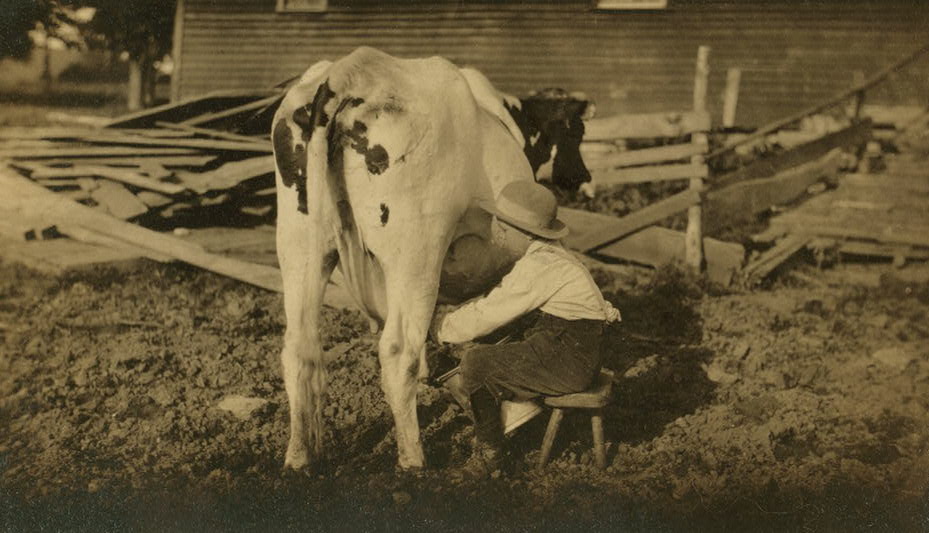
In the novel, Reuben is overworked. His duties keep him busy from sun up to sun down on the Hardman farm, and he sometimes performs backbreaking tasks.
.
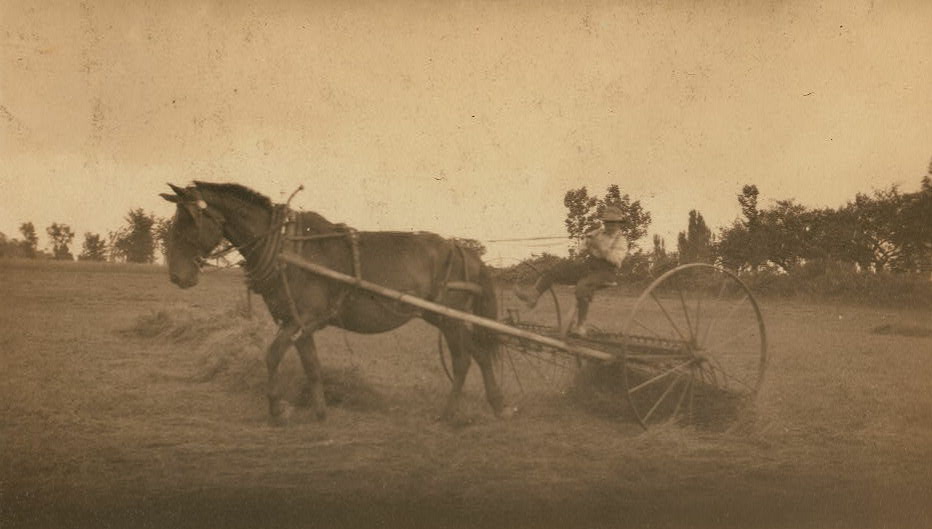
But all the while, Reuben dreams of going to school and building a better life. Yet every time he tries to get away from the Hardmans, his efforts are thwarted.
.
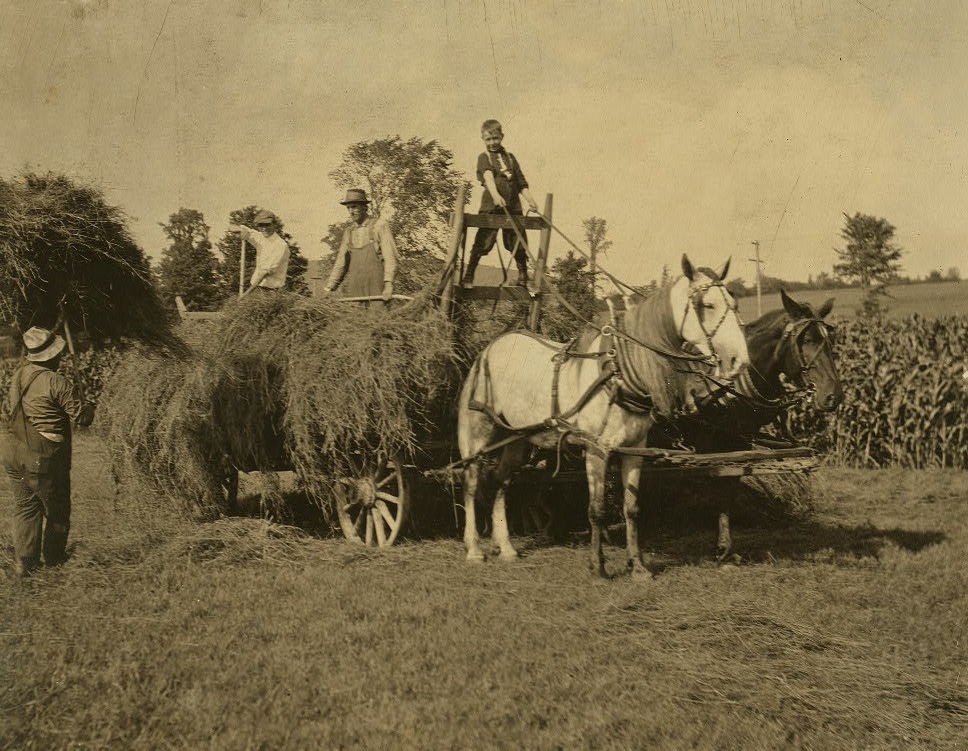
In desperation, Reuben turns to his mother’s Bible for comfort. The verses he reads help Reuben realize that the things he thought hindered his progress were really opportunities he failed to recognize.
.
Soon Reuben has a new outlook on life; and with the words of his mother’s Bible to guide him, he sets out to bring some happiness to the same people who once treated him badly and did him the most harm.
You can read more about Reuben’s Hindrances here.
Would you like to see more of Lewis Hines’ photographs? Click here to visit the Library of Congress and their collection of images by Lewis Hines.
Click here to read more about The National Child Labor Committee and their advocacy work for children.
Share this:

Sunday on the Street Cars
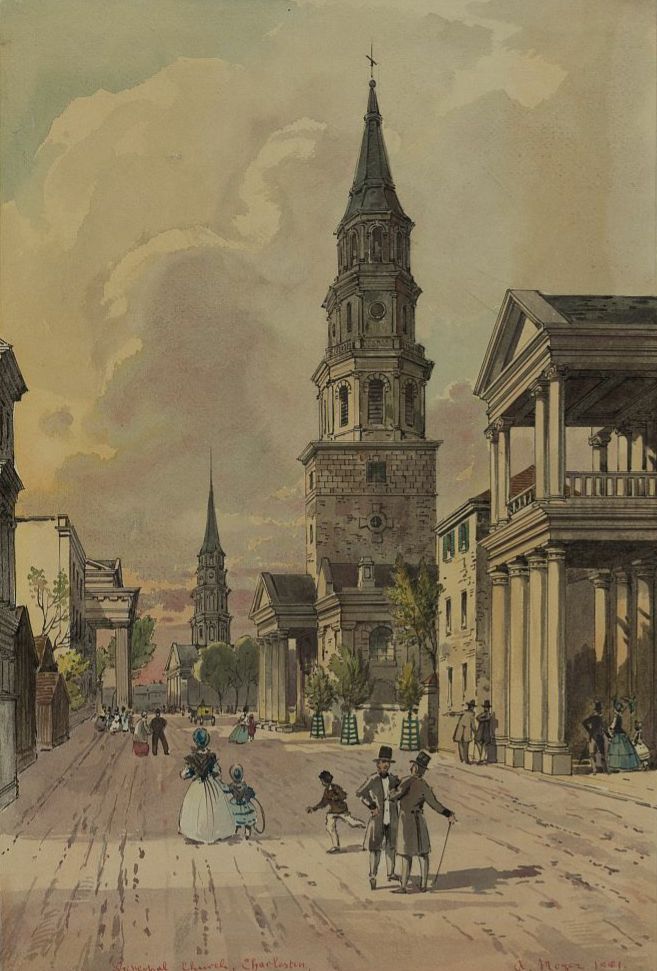
If you’ve read any of Isabella’s books, chances are you’ve noticed that her Christian characters refused to travel on Sundays.

.
While others in the story may have planned a carriage ride to a pleasure garden, or a train ride to the next town to hear a famous minister preach, good Christians in Isabella’s stories didn’t go anywhere on Sunday unless they could get there on foot.
.
That was true of Ruth Burnham in Judge Burnham’s Daughters. Here’s an exchange between Ruth and her young son:
“Mamma, what makes it wicked to ride in the steam cars on Sunday?”
“My darling, don’t you remember mamma told you how the poor men who have to make the cars go cannot have any Sunday—any time to go to church, and read the Bible, and learn about God and heaven?”
“I know, mamma; but the cars go all the same, and the men have to work, and so why can’t we ride on them? They wouldn’t have to work any harder because we went along.”
.
Ruth’s son voiced an argument that wasn’t new. Isabella had heard it herself many times; but she believed in the sanctity of the day of rest, and she followed her church’s direction on the proper way to observe Sundays.

.
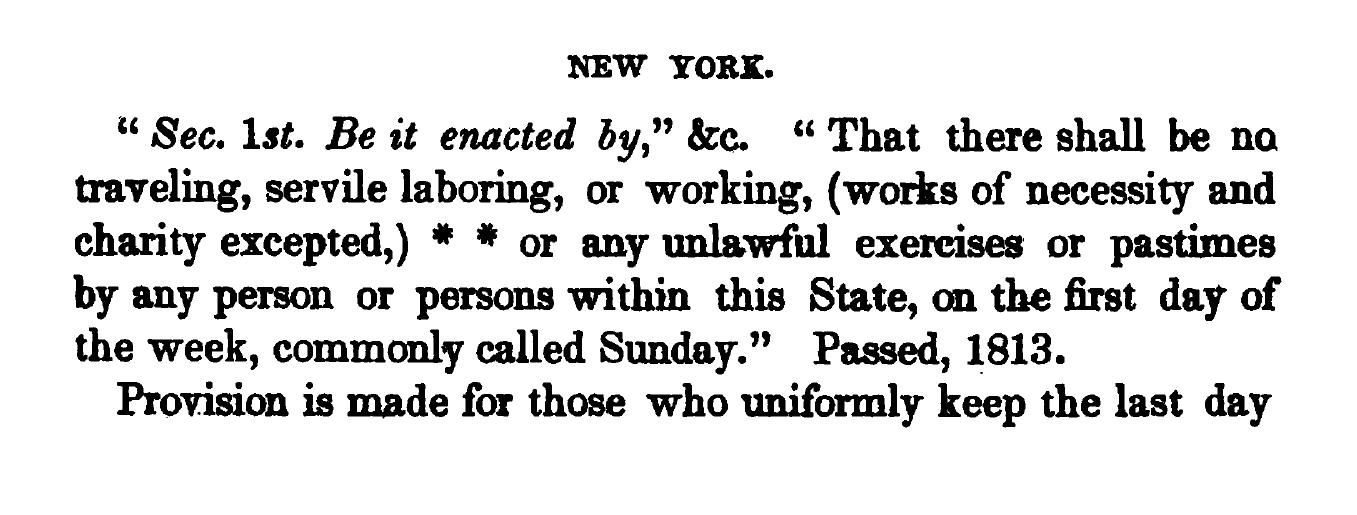
When Isabella was growing up in New York, it was much easier to observe the Sabbath because there were laws on the books that enforced Sabbath rules and eliminated personal choice:
.
There were similar laws in most other states. Having been raised in such an environment, Isabella’s strict observance of the Sabbath rules became second-nature to her.
.
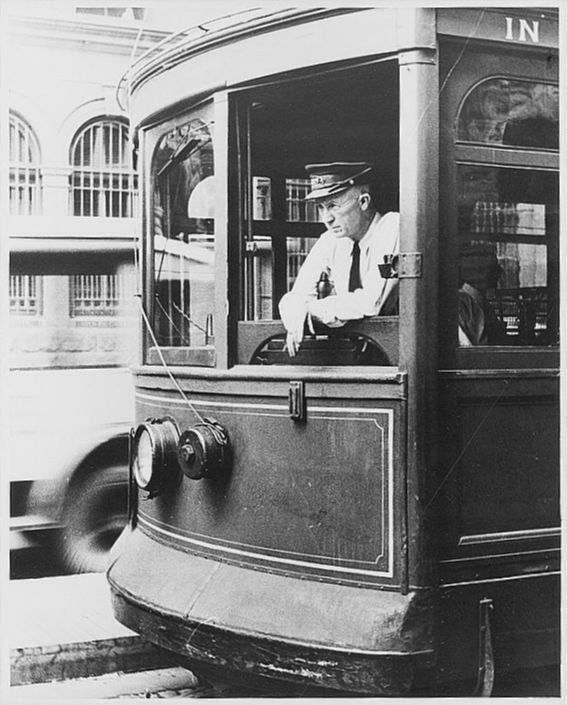
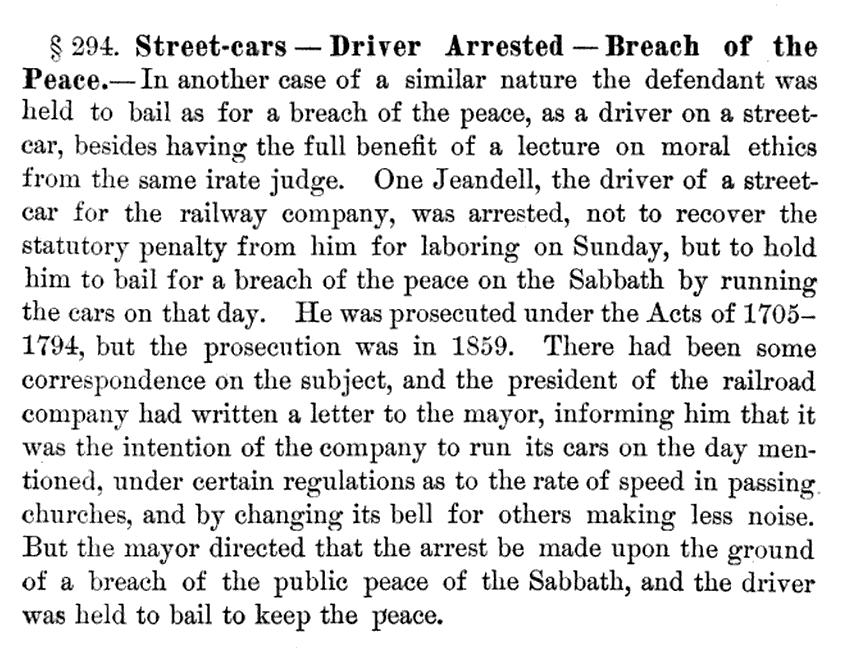
In the early days of street-cars, many cities barred cars from operating on Sundays. Here’s a record of a driver who was arrested in 1859 for violating the law:
.
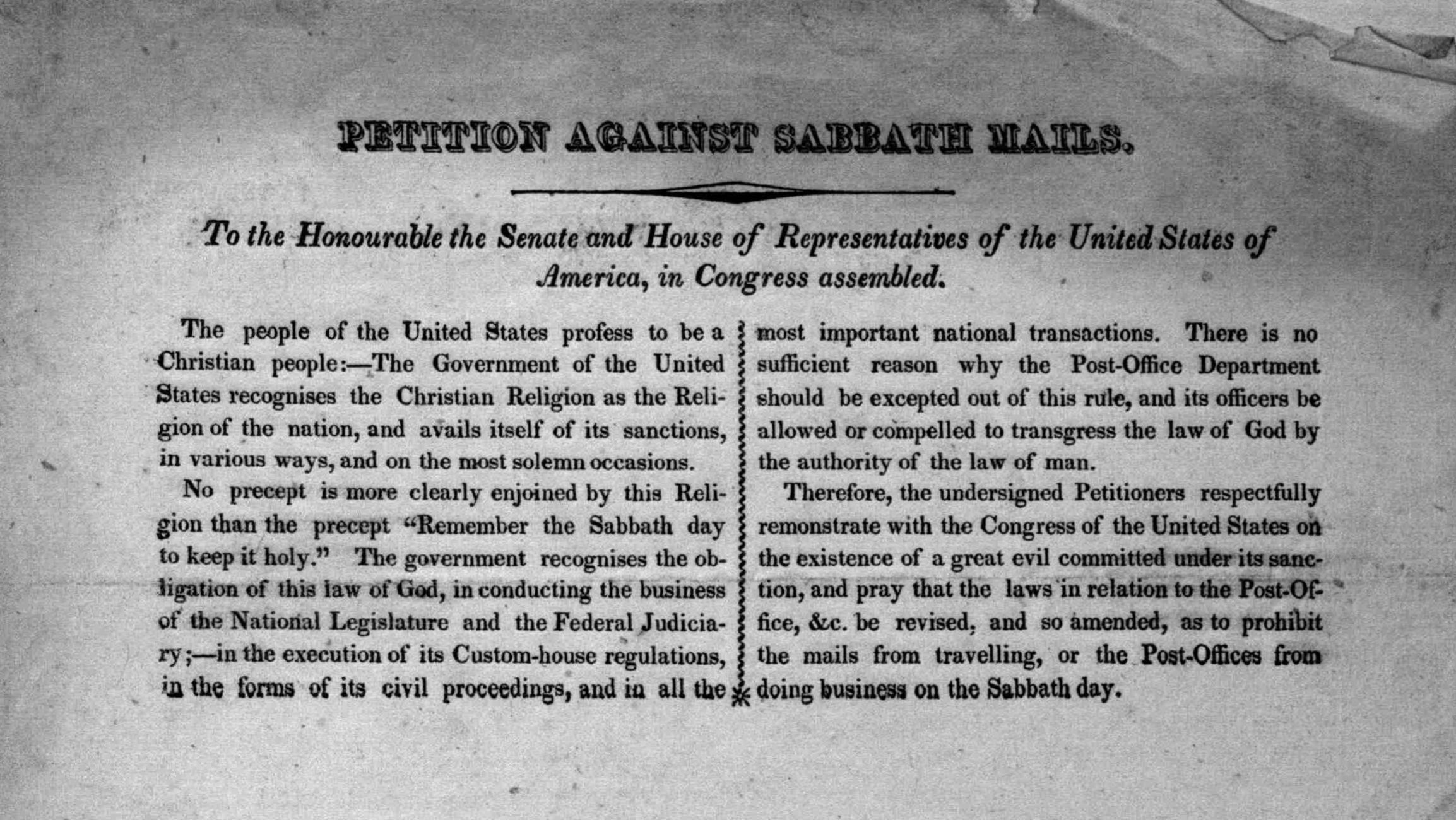
It wasn’t just street-cars that fell afoul of the fourth commandment. When the Postmaster General of the United States proposed delivering mail on Sunday to aid in its efficient flow, conservative Christians took swift action, circulating a petition to stop the plan:
.
But by the end of the 19th century, the average American’s perception of Sunday had shifted. No more was Sunday a traditional day of rest; it had morphed into a day of liberty. After a long, six-day work week, people wanted to do something or go somewhere, and trains and street-cars made it possible.
With street-cars, pleasure gardens and museums were only a short ride away. And a day at the sea shore was possible, thanks to an intricate network of train tracks and passenger cars that whisked people away from the hot, humid city twice a day on Sunday, and returned them safe and sound to the city in the early evening.

.
Cities and states soon saw the commercial benefits of allowing restaurants, theaters and other businesses to open on Sundays; and they began to quietly repeal the old Sabbath laws.
Like many Christians, Isabella viewed the changes with concern. After all, America was a country founded on Christian principles. But as more and more Sabbath observances fell by the wayside, many Christians saw the change as a symptom of a bigger issue: Christianity was losing its grip as the leading religion of the country.

.
But Christians didn’t take the changes lying down. They organized and petitioned, wrote their congressmen, and fought for new laws and ordinances to protect the Sabbath, to no avail.
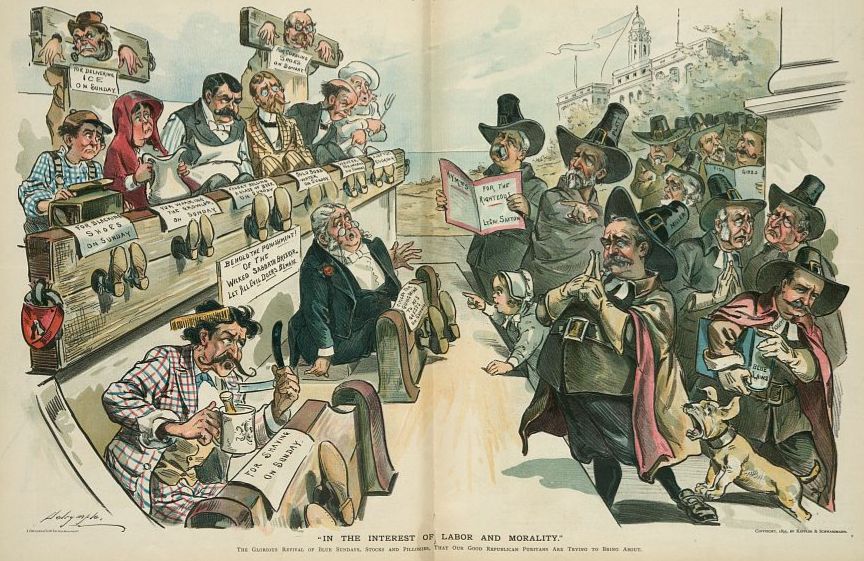
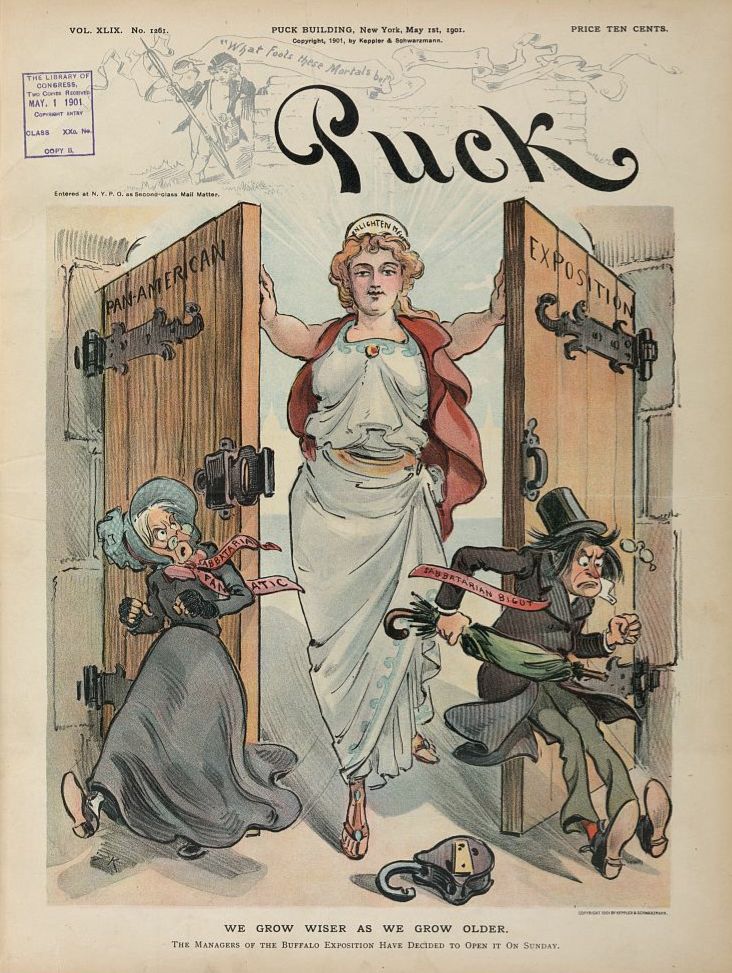
The newspapers and magazines caught wind of their efforts and labeled them Sabbatarian Fanatics.
When Christians protested plans to open the 1901 Pan American Exposition in Buffalo, New York on a Sunday, Puck magazine spoofed their efforts with this cover illustration:
.
Isabella knew all about the “fanatic” label. She probably had heard it used in regard to herself; and since she often used her own life experiences in her books, she wrote about it in Judge Burnham’s Daughters. When Ruth refused to entertain unexpected callers on a Sunday, the town gossips said:
What a pity it was that so fine a woman as Mrs. Burnham should be so completely under the control of fanatical ideas!
Even Ruth’s husband applied the word to her:
I do not quite understand how you came to be such a slave to fanaticism, Ruth; it does not seem like you. Your father had a touch of it, to be sure, but I think he must have caught it from you, since you go so far beyond him.
But Isabella—like Ruth—held fast to her fundamental belief that the Sabbath should remain holy. Despite the name-calling and the opposition around her, she held to her belief that the Lord’s Day should be spent in Divine activities that celebrated her relationship with God. And that was something Isabella knew she couldn’t accomplish on a street-car.

In the early 1900s Reverend R. A. Torrey compiled the works of different conservative writers into an article titled, “Why Save the Lord’s Day?” You can click here to read the complete article.
Many thanks to Marie Peters who inspired this post! If you have a question about Isabella or a related topic you’d like to see explored on this blog, leave a comment here or on Facebook!
Share this:

Something Sweet and Sticky
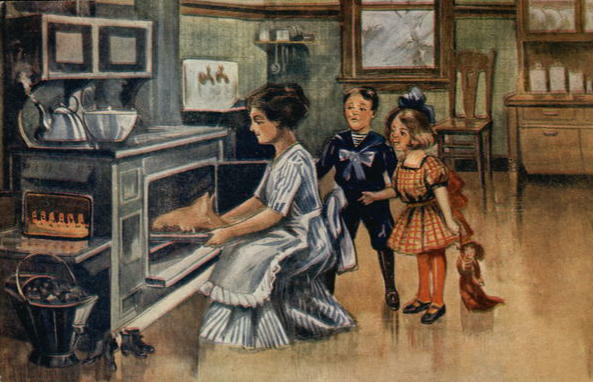
With a few exceptions, the women in Isabella’s stories spent a lot of time in the kitchen. One hundred years ago when Isabella wrote her novels, keeping house for her family was a woman’s primary concern; and preparing food filled up the majority of her waking hours.
.
Chrissy Holmes Hollister was a something of an exception to the rule. Although she could easily afford to hire someone to do the daily cooking, Chrissy’s mother had taught her how to properly manage a kitchen. Chrissy had also been taught to bake a decent loaf of bread and prepare a delicious meal when needed.

.
In Her Associate Members Chrissy’s husband Stuart was struggling to recover from an illness. On doctor’s orders, Chrissy and Stuart removed to a warm southern state to pass the winter; but Chrissy had a hard time finding a boarding house that was well-run and could serve palatable meals to her invalid husband.

.
In the boarding house they finally settled in, Chrissy found the food so distasteful, she negotiated with her landlady, Mrs. Stetson, for permission to make Stuart’s meals herself.

.
Soon Chrissy’s trips to the chaotic and messy kitchen to prepare a cup of beef tea for her husband became opportunities for her to teach Mrs. Stetson to run her kitchen more efficiently. That’s when she discovered how much Mrs. Stetson disliked having to cook for her boarders.
“What in the name of wonder will I get for dessert?” Mrs. Stetson pronounced the word as though she were speaking of the plains of Sahara. “I wish to the land folks didn’t have to have dessert every blessed day of their lives! It hasn’t got any reason nor sense in it, to my way of thinking. Eat a good big dinner of roast beef, and two kinds of potatoes, and beans, or something, and pickles and bread and jelly, and everything they can get, and then begin all over again, with fresh plates and all, and swallow down something sweet and sticky. I’d like to know who first got up such a ridiculous fashion, anyway! But there is no use in talking; folks do it, and so I s’pose folks will keep on doing it to the end of time. But I don’t know more than the babes in the woods what to have, nor how to make it.”

Mrs. Stetson’s lament gave Chrissy an idea. Since her arrival she had been patiently waiting for an opportunity to do something nice for overworked Mrs. Stetson, and she now saw an opportunity:
“Mrs. Stetson, I have been looking at some beautiful lemons while I was at work. Do your boarders all like lemon pie, and do you care to have me make some for dessert?”

Mrs. Stetson didn’t hesitate in answering:
“Like lemon pie? I should say they did. Every last one of them looks as though he had had a fortune left him when he sees a piece coming!”

.
So Chrissy set to work preparing her ingredients, while Mrs. Stetson sat back and had a much-needed rest.
Although Chrissy made it sound as if it were easy to whip up a lemon pie, dessert making was a tricky business.
Ovens in those days did not have thermostats, and cooks who followed printed recipes had to know what it meant when a recipe called for a “quick oven” instead of a “moderate oven.”

.
Stove-top cooking had its challenges, too. Burners had no gauges to modulate high, low, or medium heat; cooks controlled the level of heat with the amount and type of wood they fed their stove. One too many pieces of wood on the fire or one too few, and a cook could easily scald the contents of a pot, or undercook a sauce on a burner that wasn’t hot enough.

If you’d like to get a sense of what it was like to cook and bake in Isabella’s time, visit A Hundred Years Ago, a blog that prints old recipes, then updates them for today’s cook.
Recently, A Hundred Years Ago took a 1916 dessert recipe for Baked Rice Pudding and updated it with instructions that make it easy for you to make the creamy, sweet delight today.

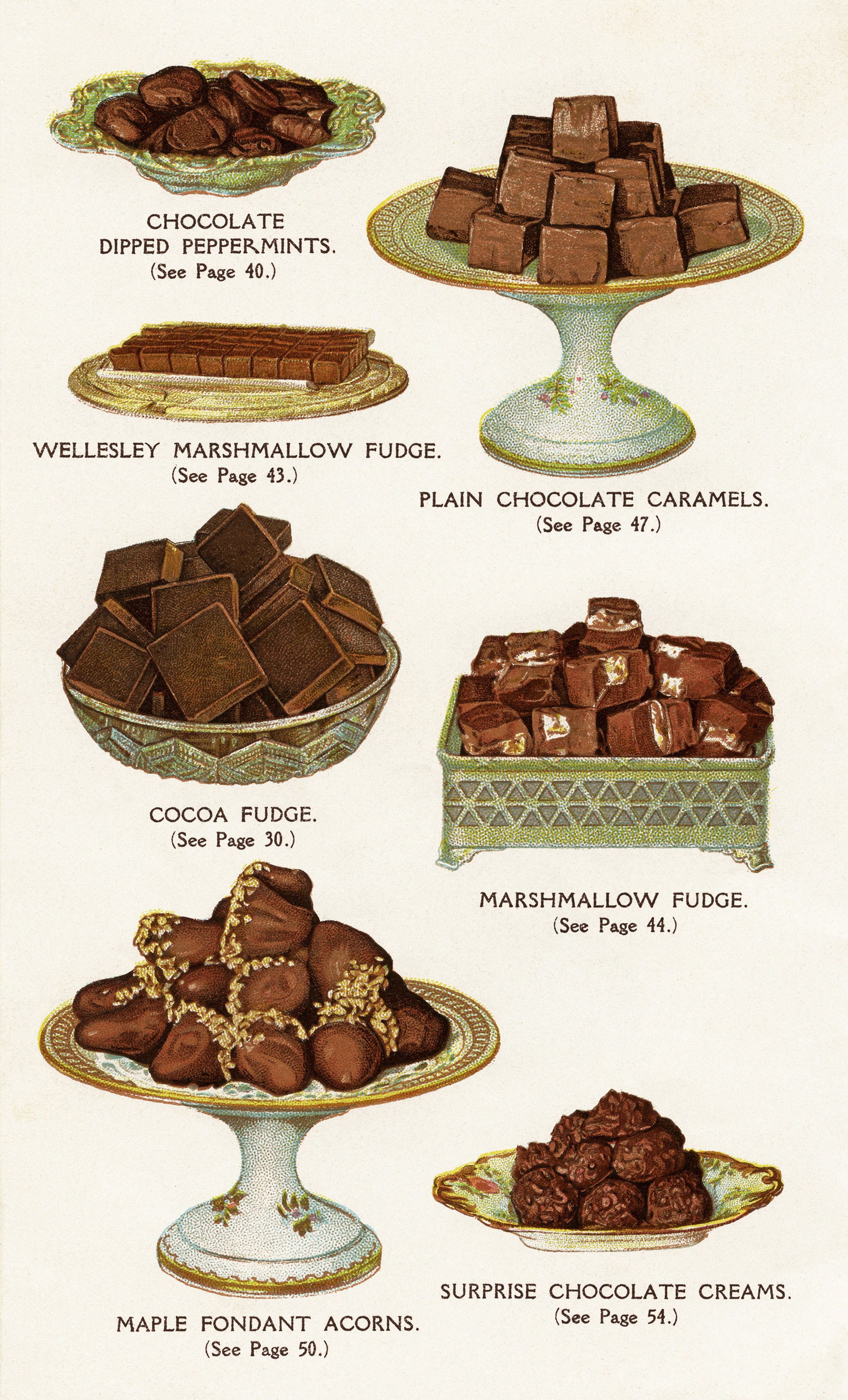
In previous posts, One Hundred Years Ago has also printed old recipes for making candies and fudge, then tweaked them, of course, to also print updated versions of the original recipes.
.
One thing that becomes clear as you read through those old recipes is the amount of time cooks must have spent stirring, beating and whipping their ingredients together. Since they didn’t have the luxury of our modern-day mixers and blenders, it’s easy to understand why Mrs. Stetson grew to hate making desserts each day for her boarders.
But Mrs. Stetson’s life was about to change, because Chrissy soon became not only Mrs. Stetson’s new boarder, but her friend, too. And as Chrissy helped Mrs. Stetson implement simple changes in her kitchen that made her life easier, Chrissy kept watch for a chance to make over Mrs. Stetson’s heart, as well.
Share this:

Getting from Here to There
Isabella Alden lived during the golden age of train travel, and her books reflected the time. At the turn of the last century, an intricate systems of railroad tracks and heavy, powerful locomotives connected nearby towns and far-away locations.

.
Railroads made it possible for people to easily travel to summer resorts, as Eurie, Marion, Ruth, and Flossy did in Four Girls at Chautauqua. Advertisements made distant American destinations sound exotic and adventurous.

.
But railroad travel also made it possible for people to quickly and economically travel short distances between towns.
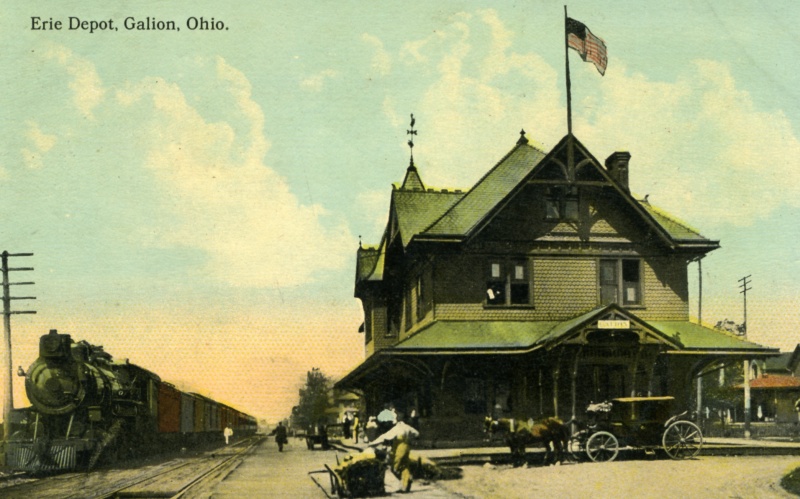
In Christie’s Christmas, Christie Tucker set off on a simple, twenty-mile train ride to visit her relatives for the day in a neighboring town.
.
Christie’s parents arranged the trip based on the arrival and departure times that were posted at the train station closest to their farm. Christie’s mother told her:
“You are to go up on the train that passes at seven in the morning, and come back on the six o’clock, and that will give you nine whole hours at your Uncle Daniel’s. I’m sure that will give you time to see a good many things.”

.
The trip was a thrilling adventure for a girl who lived on a farm miles from the nearest neighbor or school.
And though train travel was fairly economical, Christie’s parents had to scrimp and save to afford the fare:
“Eight-five cents there, and eighty-five cents back; that’s a dollar and seventy cents! It seems a good deal to spend; but it is your birthday, and it is Christmas day, and you’ve worked hard, and father and Karl and I think you ought to go.”
To accomplish her day trip, Christie probably traveled in a standard Pullman car, with its narrow seats that faced both front and back.

.
By contrast, Miss Mary Brown (in The Browns at Mount Hermon) could afford to travel in luxury. When Mary left the mid-western village of Centerville, it took her two full days to travel by train to California. Her accommodations probably included a seat in a very nice club car during the day.

.
For the overnight portion of her journey, Mary could have secured a berth in a sleeping car.
No matter how long the journey, travel by train usually took preparation. Travelers had to consult departure timetables and plan for connections between railroad lines.

.
In those days, travelers had to visit their local train station to obtain printed routes and schedules. But if an in-person visit wasn’t possible, they wrote a letter to the railroad’s passenger agent to ask for help in planning their journey.
The station master wrote back with instructions, usually accompanied by printed schedules.

.

.
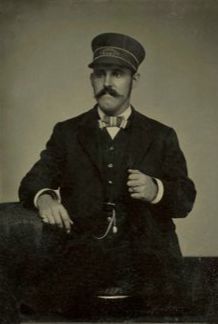
Once on board, train passengers were ruled by the train’s conductor. It was his job to ensure the train arrived on time at each stop, and that his passengers’ needs were taken care of.
.
For the most part, train travel was incredibly efficient. The Georgia Railroad claimed their trains were so timely, residents in the city of Atlanta could set their clocks by the sound of trains going by.
It was also a relatively safe mode of travel. An in an age when few women walked a city street without a chaperone, many women felt comfortable traveling alone by train.

.
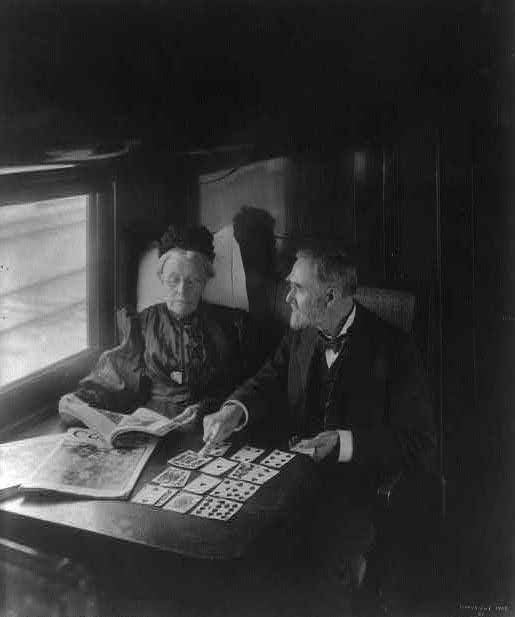
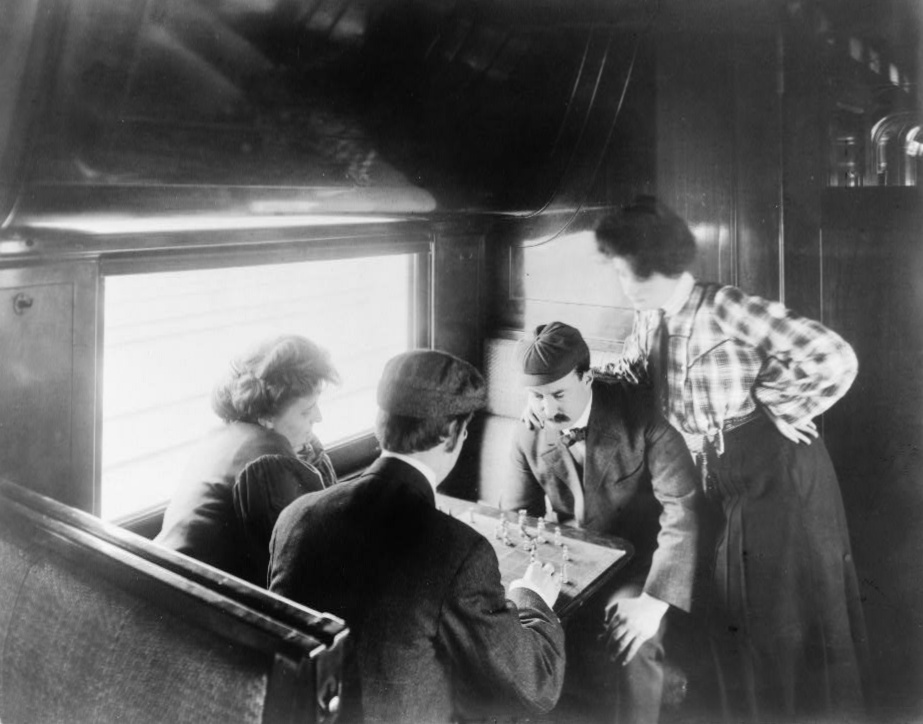
No matter how long the journey, train travel could be tedious; and it was up to the passengers to find ways to entertain themselves.
.
With the exception of Caroline Bryant, who slept through her train ride in Twenty Minutes Late, Isabella’s characters usually accomplished their journeys by making new friends of their fellow passengers.
.
That’s what Christie Tucker did. When her twenty-mile train ride came to an unexpected halt because of trouble on the tracks ahead, she set out to make herself useful to her fellow passengers, and reaped unexpected rewards in the process.
Many more of Isabella’s books featured travel by train than those mentioned in this post. Do you have a favorite Pansy character who road the rails? Please use the comment section below to share your favorite.
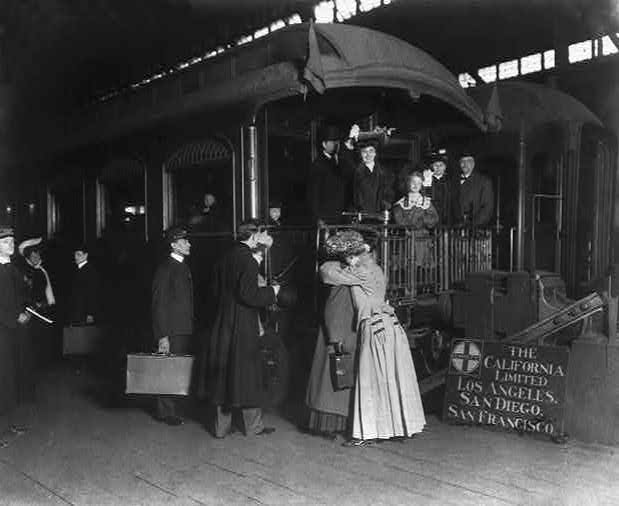
If you’d like to learn more about train travel in Isabella’s time, visit Rails West.
Be sure to view their page on overnight accommodations, where they have some interesting illustrations of sleeping cars on trains.
Share this:

Tableaux: Bringing Pictures to Life
Long before last year’s mannequin challenge went viral on social media, Isabella Alden and her contemporaries struck poses like statues. Tableaux vivant (which means, literally, “living pictures”) was a very popular form of entertainment in late 19th century America.
The premise was simple. People donned costumes and recreated famous scenes from literature, art, and historic events.

.
On a small scale, people performed tableaux in parlors. They selected a famous scene from history or literature, donned make-shift costumes, and struck poses while other guests observed.
Isabella Alden was very familiar with tableaux. In Julia Ried Isabella described how guests at a party …
made very free use of the wraps in the dressing-room for our impromptu charades and tableaux, and shawls, cloaks, hoods and rubbers were in inextricable confusion.

.
On a large scale, churches, women’s clubs and fraternal organizations staged more elaborate tableaux on stages with scenery and props.
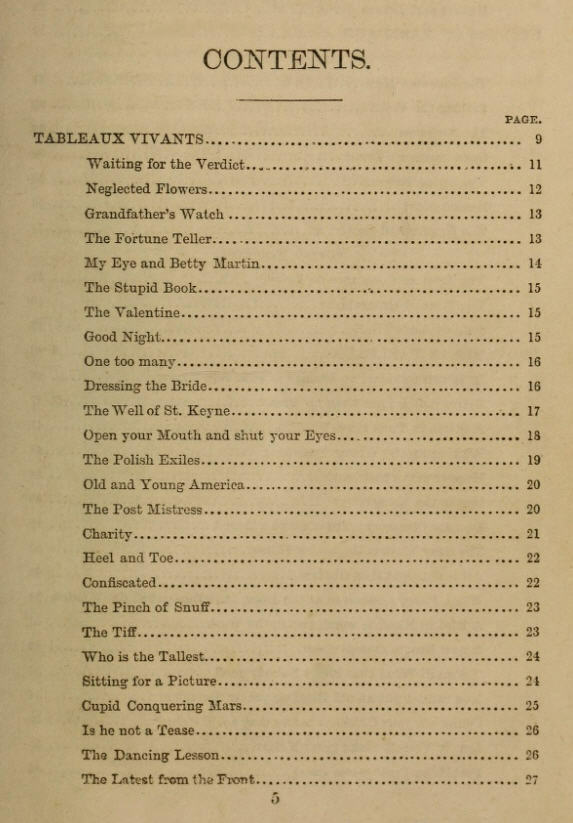
There were many books available to help performers turn out their best statue-like performances.
School and Parlour Tableaux by Sarah L. Stocking gave step-by-step instructions for young performers.

.
While The Book of Tableaux and Shadow Pantomimes by Sarah Annie Frost featured performances with themes more suitable for adults.
.
In his book, Parlor Tableaux and Amateur Theatricals, William Gill promoted tableaux as “a simple and elegant amusement,” and “a favorite entertainment of persons with taste.” He recommended that music—vocal or instrumental—be played between representations so the audience would not grow restless and to help heighten the suspense as the audience waited for the curtain to rise on the next scene.
Isabella wrote often enough about tableaux to indicate she was very familiar with the pastime. In her novel A Dozen of Them, young Joseph participated in a simple New Year’s Eve tableau party where he …
… dressed in an extraordinary manner—like a youthful musician of the olden time. Mrs. Calland had managed—nobody but she knew how—to arrange for him a most remarkable wig of soft curling hair. The mustache part was easy; a little burnt cork settled that.
 On a larger scale, Julia Ried (heroine in the book of the same name) helped put together a grand tableau of several re-enactments that required weeks of preparation:
I remember an animated discussion that ensued concerning the getting up of tableaux for a certain festival, which was to be held about Christmas time. Mrs. Tyndall gave minute descriptions of the style of dress needed to personate certain characters, and I suddenly became an object of importance, because I had not only seen, but participated in one of the tableaux mentioned, and could give accurate information as to whether the young lady who personated religion should dress in white or black.

.
Rehearsals and sewing costumes consumed Julia’s days. She helped make costumes for characters portraying Religion, Queen Vashti, Quakers, and a Turkish sultan. Some of the elaborate scenes challenged Julia, because she was convinced they weren’t suitable for Christian women to enact.

.
Some of the most common themes for tableaux were religious and patriotic scenes. The scenes below, performed by a church in 1920, depict the story of Jesus’s life, from the angel Gabriel’s visit to Mary through his early childhood:

.

.

.

.

.
Tableaux featuring Greek aesthetics were also popular, because the draped costumes and classical poses were considered to be the epitome of grace and beauty.

.
If you’ve ever seen The Music Man you’ll remember that the mayor’s wife was devoted to performing Greek tableaux.
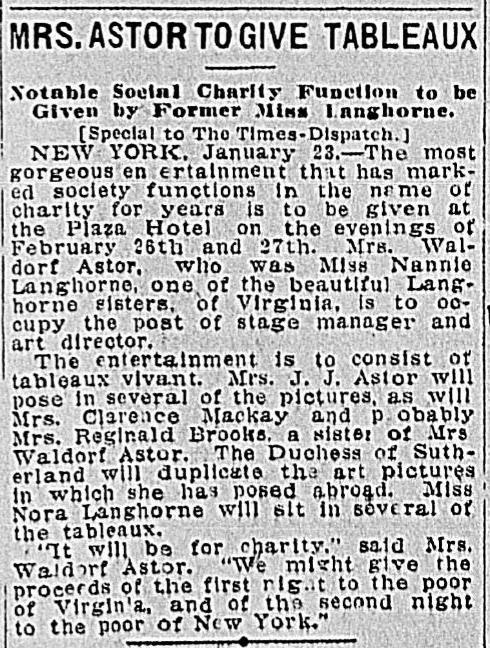
Even the famous Mrs. Astor, leader of New York Society, staged an evening of tableaux for charity in 1909.
.

.
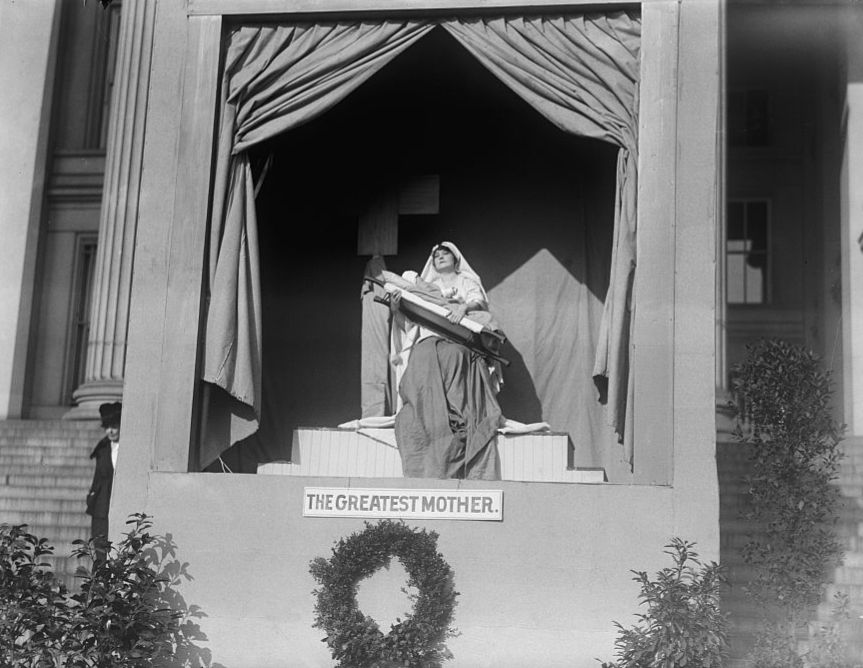
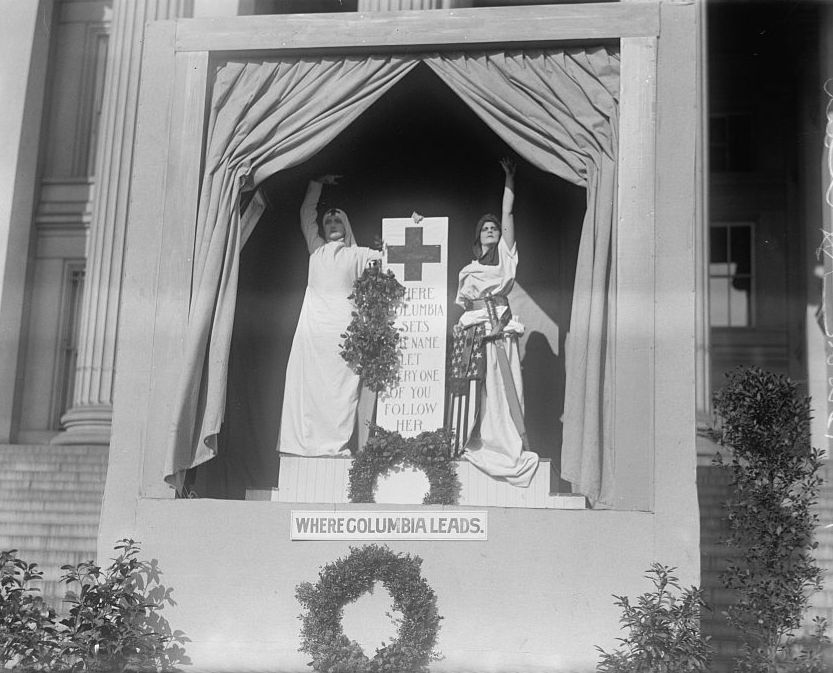
National organizations also dove into the tableau craze. To publicize their organization, the Red Cross staged tableaux on the south front of the Treasury Building in Washington DC in 1917:
.

.
 .
.
It’s possible that Isabella participated in a few tableaux herself. She was certainly able to describe the entertainment with some affection and a good deal of detail in several of her books and stories.

.
Did you know there are still organizations practicing the art of tableaux vivant today? One such organization is the New Orleans Tableaux Vivant Society. Click here to visit their site, where you’ll find news of upcoming performances and photos of past events.
If you know of any other tableau events coming up, please share by posting a comment below.
The idea for this post was suggested by Karen, a regular reader of this blog. If you have any questions about Isabella Alden or would like to learn more about something you read in one of her books, please leave a comment below.
Share this:

Shopping with Isabella
When you read Isabella’s books, you might notice that the women in her stories were often ruled by “days.”
There was laundry day, and baking day. There was gardening day and canning day, when all the fruits and vegetables gathered from the garden were preserved.
Every week, women devoted entire days to certain tasks because they were time consuming and involved a great deal of physical labor.

.
Marketing day took women out of the house from early morning to late afternoon. Unlike shoppers today who simply visit their local grocery store, Isabella’s contemporaries went from one specialty shop to another.
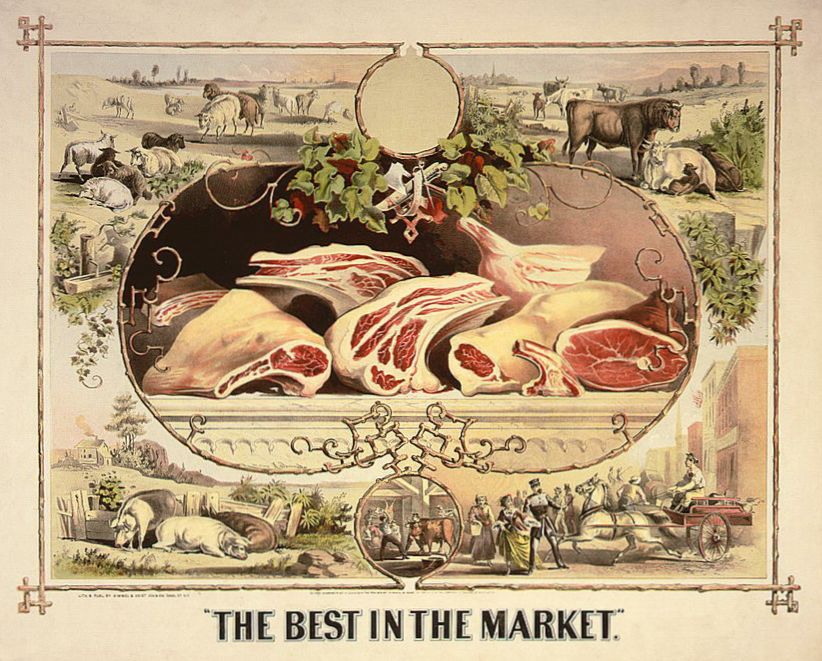
.
They visited the green grocer and the baker.

.
They stood in line at the confectionery and dry goods store.

.
And then there were the specialty stores to visit, like the cobbler’s shop, where they purchased new shoes or repaired older shoes; and the drugstore where they shopped for lotions, salves, beauty and grooming products, and medicinal cures.

.
At each location they had to wait their turn for a store clerk to assist them in picking out the item they desired. With all the waiting and traveling from store to store, women spent hours shopping, even if their shopping list contained only a few items.

.
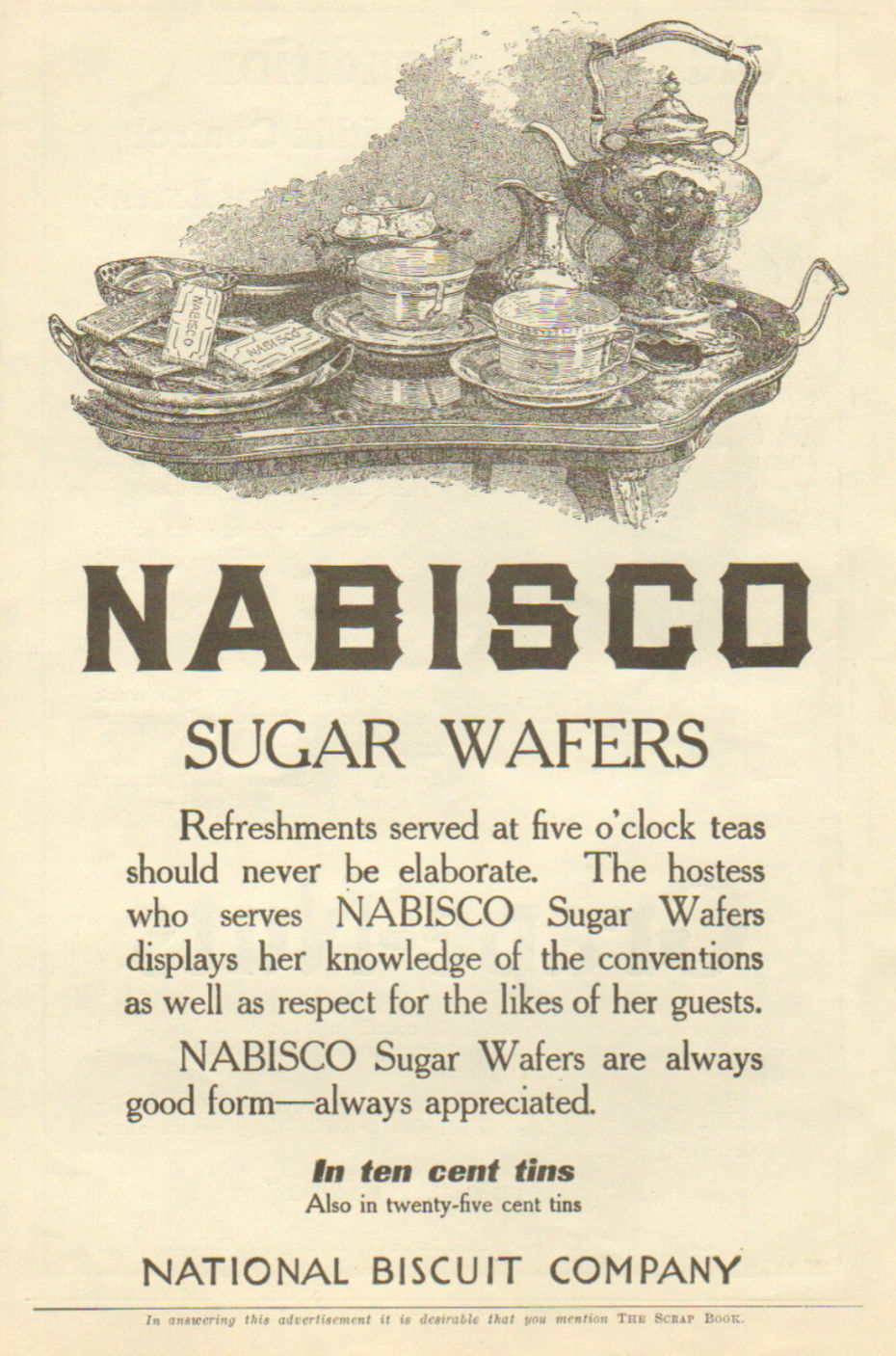
But by 1900 a shift in shopping habits occurred, brought on by new products that gained a foothold in women’s buying habits. As the new century dawned, women began to buy more products designed to make their lives easier.
For example, women still visited the confectioners for fancy baked goods to serve their guests, but they were more willing to buy pre-made cookies and breads for their every-day table.
.
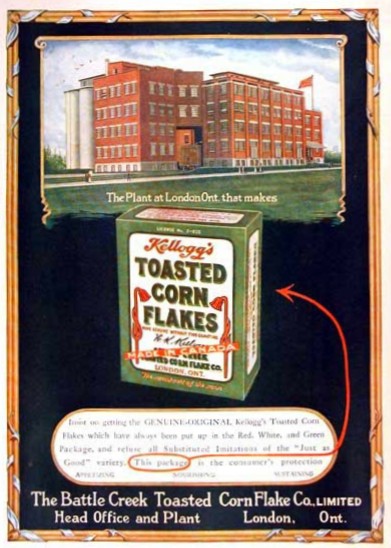
And though they still cooked a good breakfast for their families most mornings, they also knew serving cold cereal to their children once or twice a week was a time saver.
.
Another time saver: serving canned soup to their families instead of spending hours preparing soup in their own kitchens.

.
In the early years of the century, many products hit the market that proved to be convenient time-savers for women, and women began to trust the quality of pre-made products.

.
The more women employed pre-made products, the more time they saved for pursuits they enjoyed.
Some products that were introduced around the turn of the last century proved so popular, they are still on the market today.

.

.
Over the years, some products were re-purposed, such as Listerine, which was initially marketed as a topical antiseptic.

.
Other products, like Wesson Oil and Jell-O are still popular and might even be in your kitchen cabinet today.

.

.
But the biggest change to women’s shopping habits occurred in 1916, when Piggly Wiggly opened its first grocery store in Memphis Tennessee. The store introduced a revolutionary concept: self-service.

.
Women no longer had to stand at a counter and wait for a clerk to assist them; they simply picked up a carrying basket on their way into the store, and browsed the aisles for goods to purchase.

.
The store’s concept proved to be an immense time-saver for women. With the success of their Memphis store, Piggly Wiggly expanded to hundreds of locations and became the model for today’s modern grocery store.

.
Piggly Wiggly stores led the way in many modern innovations. You can click here to see the various ways Piggly Wiggly revolutionized the grocery industry.
Share this:

A Dozen of Them – The Final Chapters
As A Dozen of Them draws to a close, Joseph confronts a fearful situation, and confesses a secret to his sister Jean. If you missed any of the previous chapters, you can read the entire book here.
.
A Dozen of Them
.
CASTING ALL YOUR CARE UPON HIM, FOR HE CARETH FOR YOU.
THEREFORE ALL THINGS WHATSOEVER YE WOULD THAT MEN SHOULD DO TO YOU, DO YE EVEN SO TO THEM.
EVERY TREE THAT BRINGETH NOT FORTH GOOD FRUIT IS HEWN DOWN AND CAST INTO THE FIRE.
.
“I want a nice still verse,” said Joseph, with his head in Jean’s lap. “Things have been in such a bustle for so long, it seems as though all the verses were hot, and had stirred up a fire somehow—no, I don’t mean that, either; they have helped put out the fire, every time, but I want something nice and still.”
Jean smiled; Joseph must be almost tired out if he wanted still things. “I’m sure you can be easily gratified,” she said. “Look at the very first verse for the month.”
“Say it to me,” said lazy Joseph, “I don’t want to stir.”
So Jean said it: “Casting all your care upon Him, for He careth for you.”
“But I haven’t any care,” he said, after a moment’s thought.
“Never mind; some care may come, before you expect it; and you may find it good to be prepared. It is a nice still verse, and unless you take the next one to it, I don’t know that you can do better.”
“What is the next?”
“It is the Golden Rule.”
“Then I don’t want it. I don’t want a bit of doing; there will be enough of that when school begins. I’ll take the still one.”

.
Exactly two days from that talk, this, which I am going to tell you, happened. Miss Emerson was visiting her sister, who was a pupil in the Fowler School, and did not go home for vacation, for the reason that a large part of her home had gone to Europe. Miss Emerson was an elocutionist, and volunteered to give a little entertainment during her visit, for the benefit of the library in the Fowler School.
On the evening in question she was in her room giving the finishing touches to her toilet, and the audience was already assembled in the large parlors waiting for her.
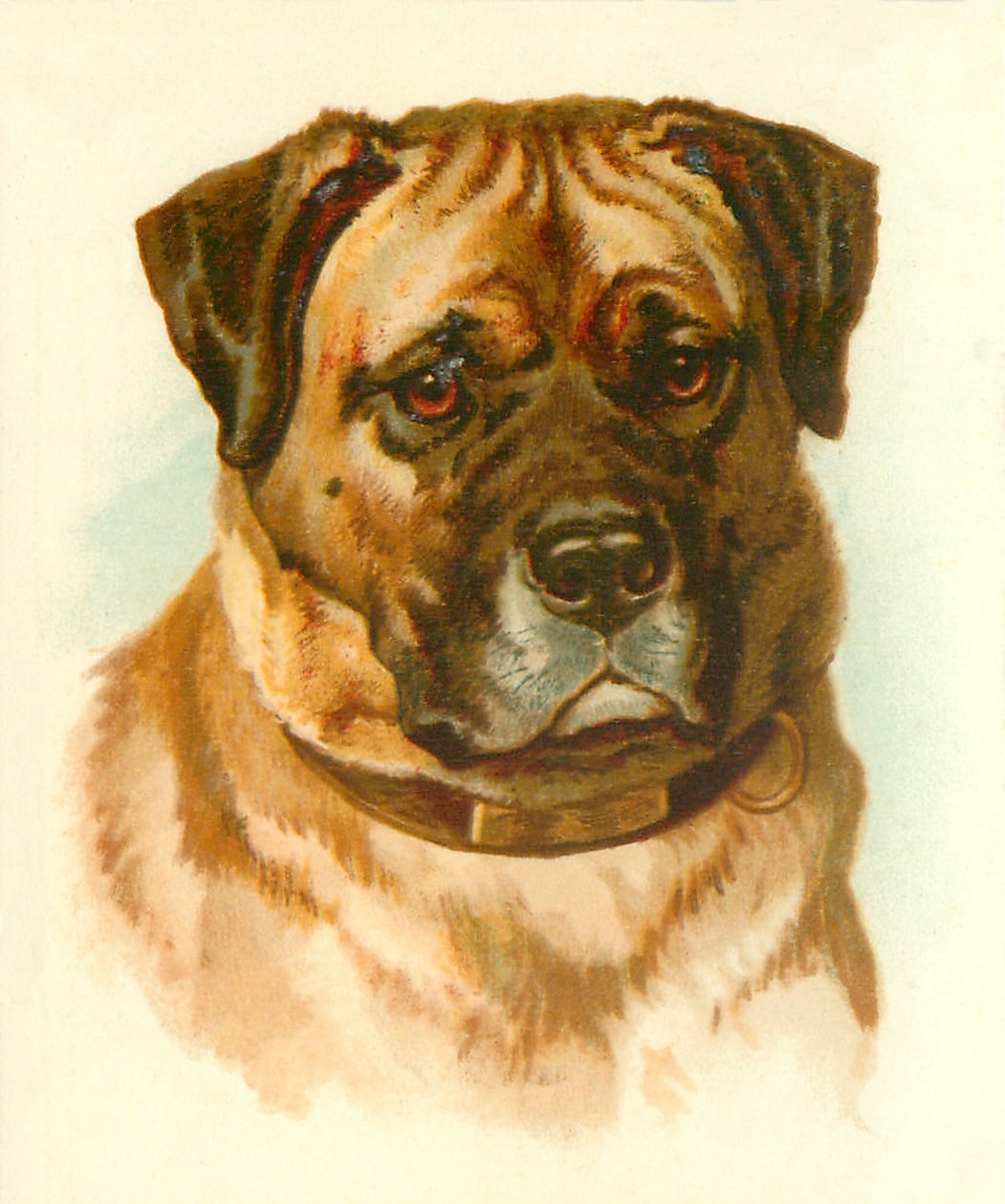
“Let me see,” she said, speaking to her dog Trust, I suppose, as he was the only one present beside herself, “no, I believe I won’t wear diamonds; it would not be in good taste for so small a gathering. They will think I am too much dressed as it is, I presume. I haven’t time to lock these up again. Trust, you may stay here and take care of them; remember, old fellow, you are not to let anybody touch anything of mine until I come back.” She held up her finger at Trust for emphasis, and he gave an intelligent bark in reply; then she smiled on him and swept away.

.
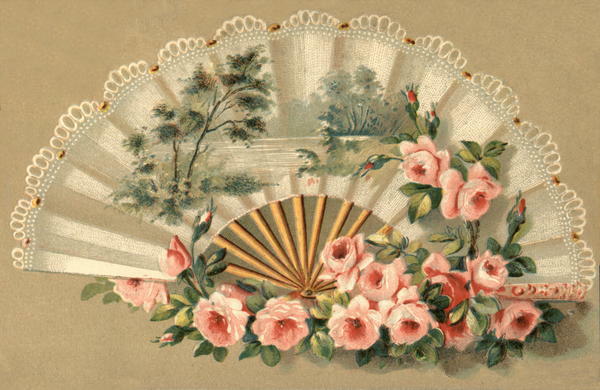
Five minutes afterwards she was saying in the hall, “Are they waiting? Well, I am quite ready—oh dear! I have left my fan in my room.”
“Joseph will bring it,” said Mrs. Calland who liked things to begin promptly. “Joseph, bring it to me in the parlor. Miss Emerson, will you come now?” And Joseph scampered for the fan.
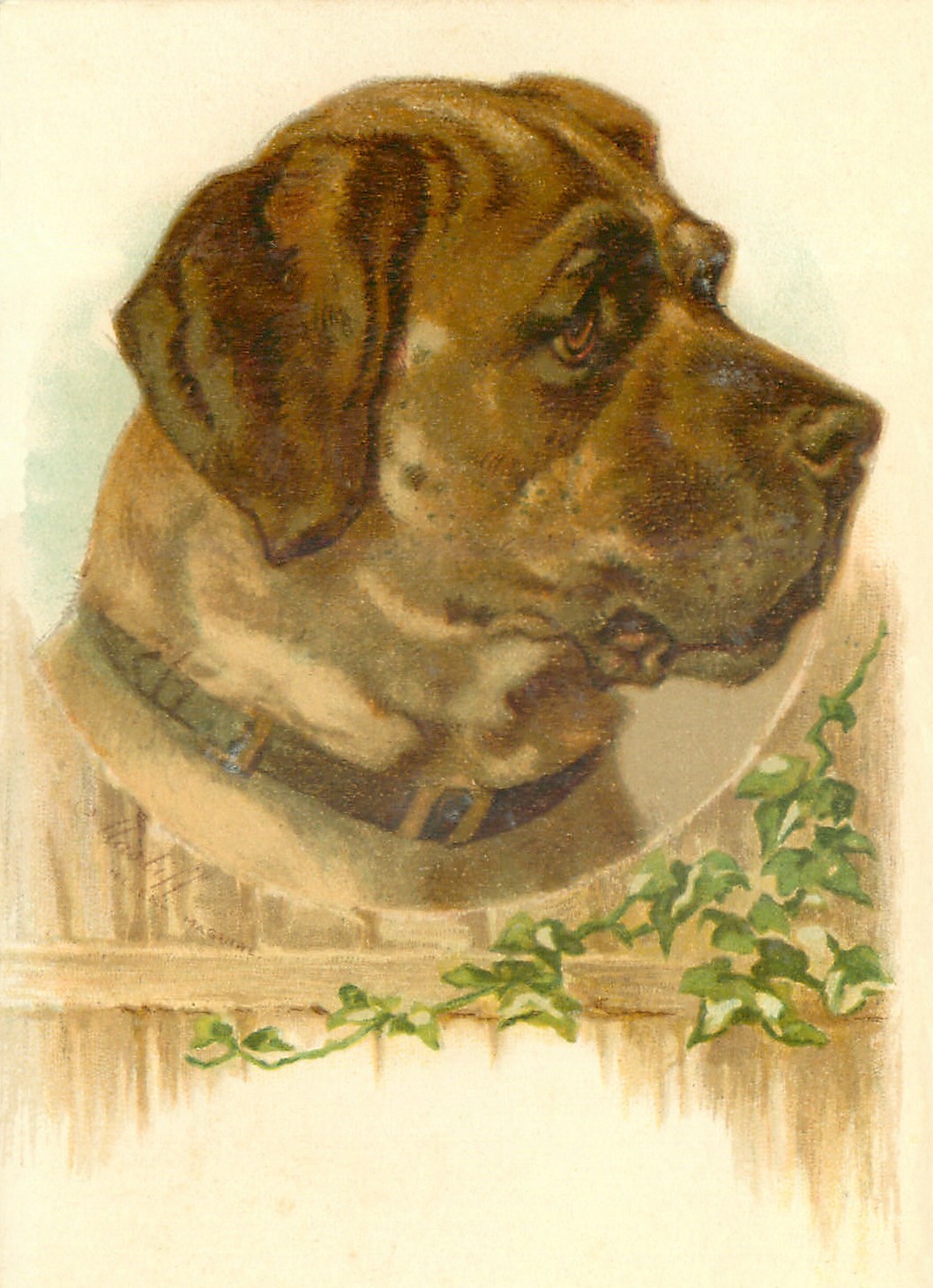
It lay on the table behind the jewel case. Joseph sprang in breathless, his hand ready to grasp it, when a low growl arrested him, and the fiery eyes of Trust were upon him. He took in the situation at once; Trust was in charge, and he would not be allowed to touch the fan.
.
“All right,” he said good-naturedly; “I won’t, old fellow. Your mistress wants it, but you cannot be expected to understand that, and I’ll report you as doing your duty.”
Not so fast, my boy; Trust not only distrusts you too much to allow you to touch the fan, but he does not mean that you shall escape him. At the first step toward the door, he grasped Joseph’s trousers with his fierce teeth, almost grazing the skin, and held on. It was by no means a pleasant position. Joseph did not understand dogs very well, was a good deal afraid of this one, as was everybody in the house, and had been glad to think of getting away as quickly as possible from his fiery eye, and here he was a prisoner! For how long? The entertainment was not yet opened. Two hours at least before he could hope that Miss Emerson would reach her room. If her fan was not forthcoming, some other fan would be handed her, and no one would remember that he had been sent for it. What was to be done? Clearly nothing but to stand still and endure Trust’s stern gaze.
.
Shall you be surprised if I tell you that Joseph’s heart beat fast? He did not know how soon Trust might weary of holding on to cloth only, and conclude to try a bit of the flesh underneath it. In point of fact, Trust soon let go with his teeth; but held on with his eyes. Joseph did not dare to move a muscle, lest it might be taken for resistance, and receive punishment. Was ever a worse dilemma for a good-intentioned boy?
It seemed strange to him long afterwards, the sudden sense of courage which came with the words which memory brought him just then: “Casting all your care upon Him, for He careth for you.”
Wasn’t this care? Had he ever a worse anxiety? Did not God know all about it? Could He not protect from this danger, as well as from others?
The loud thuds which Joseph’s heart were giving, began to quiet. It was a trying place, one full of care, certainly, but he began to have a strange sense of security; a sort of assurance that Trust would do no more than guard his mistress’ property, and that he, Joseph, so long as he stood still, would escape injury. Two hours of standing perfectly still! Never mind, he could bear it; and he was beginning not to be afraid.
Which of you can tell why Jean, just a moment before this, should whisper to Mrs. Calland, daring the voluntary, “Do you know where Joseph is?”
“He is with the scholars, I suppose,” answered Mrs. Calland, a little surprised at the question. Where should Joseph be but in his place? She had already forgotten that she sent him for a fan.
What made Jean anxious? She couldn’t have told you. Joseph was never in mischief, was almost certain to be where he ought to be, yet his sister fidgeted, stretched her neck up to get a glimpse of her brother, and finally slipped quietly away to investigate. The boys did not know where he was; the girls had not seen him since supper. Oh, yes, Laura Akers saw him just before the entertainment commenced; she heard Mrs. Calland send him to Miss Emerson’s room for her fan; she was passing the hall, and heard her give the direction; he was to bring it to the parlor; she presumed he had done so, but she had not seen him come in.
Neither had Jean, and in two minutes more she knocked at Miss Emerson’s door and said, “Joseph!”

.
Trust looked toward the door, and gave an ominous growl.
Joseph spoke in low, quiet tones, “I’m all right, Jean. Trust is on guard and won’t let the fan go, nor me either. Don’t make a fuss; just run and ask little Fanny Emerson to come here a minute; Trust will obey her.”
This sensible idea was at once carried out. Fanny Emerson, the young sister of the elocutionist, came in haste, exclaimed over the situation, scolded Trust, and carried off both Joseph and the fan in triumph.
When the owner of the fan heard the story a few hours later, she exclaimed over it, too; looked a trifle pale; told Joseph it was well he had sense enough not to try to move, for Trust would have torn him in pieces.
“I quite forgot that I left him on guard,” she said. “I don’t know how you escaped so easily. Mercy! If he had bitten you I would never have forgiven myself.”
.
“I should think not,” said Jean, her, face flushing. She could not help feeling a little indignant.
But Joseph smiled.
“It is all right,” he said, “I wasn’t hurt a bit.” It was only to Jean that he added, afterwards, this bit of information:
“I was scared, Jean, most as much as I ever was in my life; but it came to me all of a sudden that it was big enough to be called a ‘care,’ and I just tried, you know, to give it to Him; and somehow, I don’t know how, He took it. It does beat all how those verses fit in!”

I HAVE NOT FOUND SO GREAT FAITH, NO, NOT IN ISRAEL.
WHY ARE YE FEARFUL, O YE OF LITTLE FAITH.
THE SON OF MAN HATH POWER ON EARTH TO FORGIVE SINS.
ACCORDING TO YOUR FAITH, BE IT UNTO YOU.
FREELY YE HAVE RECEIVED, FREELY GIVE.
.
“But I have nothing to give,” said Joseph. He was, as usual, talking with Jean about the verse he would take for the month.
“I’ve received enough, I’ll own that; a fellow never received a nicer year in his life than I have spent here; but I haven’t a thing to give, as you know yourself.”
Jean sewed in silence for a few minutes, then said, “It seems strange to me that a bright boy like you, with strong hands and feet and a good sensible tongue and a pair of eyes of his own, should make a speech like that.”

.
Joseph laughed a little. “Well, I have those things, of course,” he said at last. “Everybody has; but I can’t very well give them away.”
“I don’t see why not. I’m sure of one thing: it makes very little difference what else you give, so long as you hold on to those. Why don’t you give your heart, out and out, Josey, and be done with it?”
“How do you know but I have?” said Joseph, after resting his chin on his hand and looking thoughtfully out of the window for awhile.
Jean looked at him eagerly, a bright light in her eyes. “Sometimes I think you have, Joseph, but you never said so in words.”
“A fellow doesn’t say everything he thinks; but I always meant to tell you I did it, Jean, quite a while ago; and I mean that my hands and tongue and all that, shall be His forever; but I was thinking of money and such things when I said I had nothing to give.”
“Oh, Joseph! Never mind the money. Don’t you suppose He can get it for you whenever He wants you to give any? I’m so glad!”
She looked it, out of her eyes; and she did what was not usual with her—drew his brown head close to her lips and kissed him two or three times; tender, slow kisses such as his mother might have given him.
Joseph said nothing, only winked hard, and told himself that his sister was the best sister a boy ever had, and he chose the verse she suggested for the month.
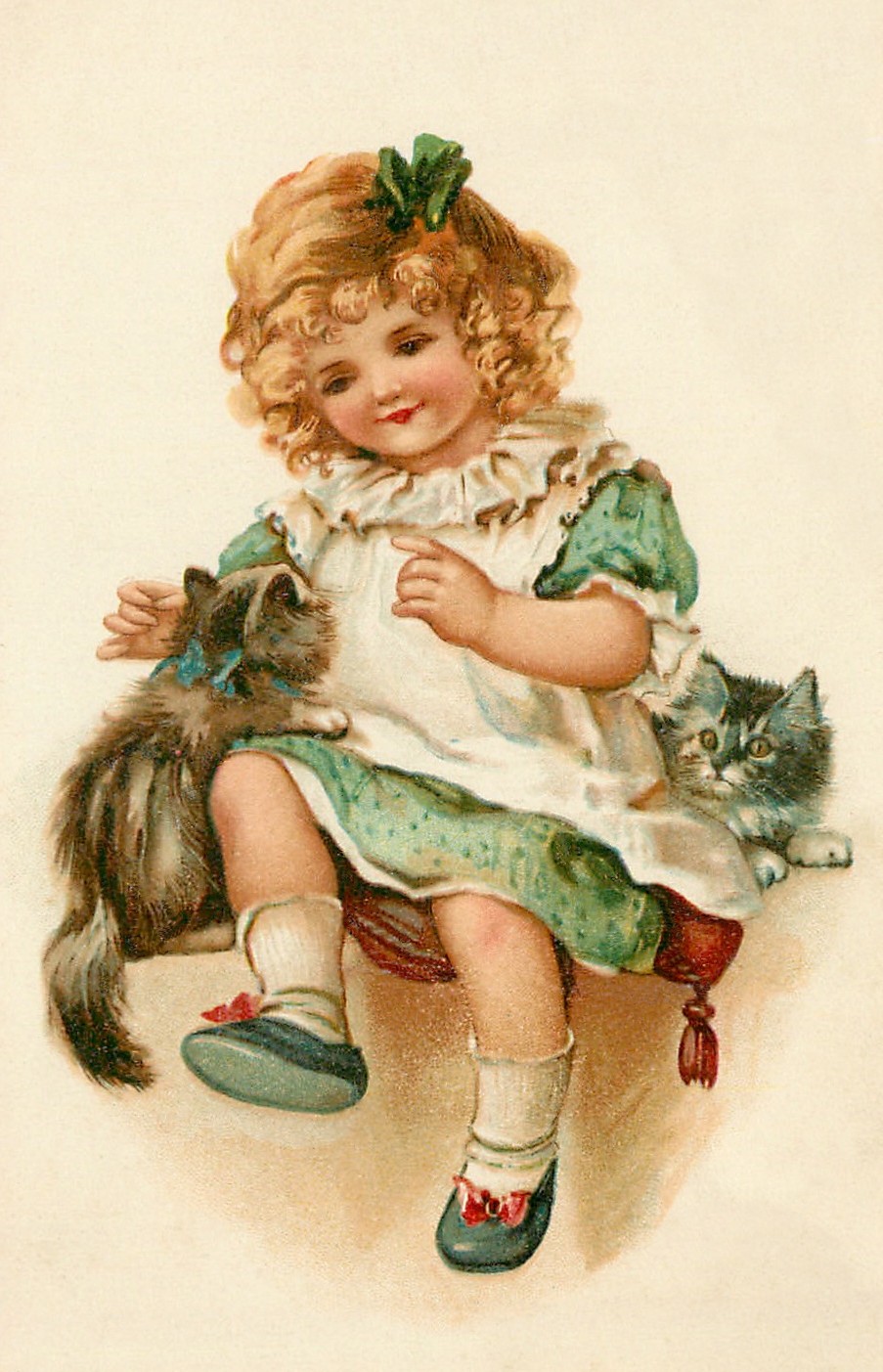
That was the reason it came to him, while he stood talking with merry little Nellie Ayers, as she sat on a bench in the workshop, her great green-eyed cat in her arms. Nellie Ayers was a character in the school; a homeless orphan to whom Mrs. Fowler was almost a mother, just because her heart was large and she could not help being. Nellie was bright, and warm-hearted, and thoughtless, and in a hundred thoughtless ways gave more trouble than all the other scholars put together. Mrs. Calland even reached the point of sometimes saying, “I really don’t believe we can keep Nellie another year unless she is changed in some way.”
.
Just now, Nellie was putting as much mourning into her words as her merry heart could furnish, as she explained to Joseph, “Why, I haven’t the first thing to put in the special collection for next week. I wish I had; I’m the only girl, I guess, who won’t have anything. I wish they’d let me give my shoes and stockings; I hate to wear them; but Mrs. Calland won’t allow that; I wouldn’t like her to see me this minute sitting here without them. Or I might give Muffy; she is all I have of my very own; but she wouldn’t look well in a collection-box; besides, she would be sure to say ‘Meow’ right in the midst of the prayer, maybe,” and then Nellie laughed.
It was then that Joseph thought of the verse. Surely none had received more freely than Nellie; yet what had she to give in return? This set him to studying.
“What do you want to give anything for?”
“Why, just because I do. All the girls are going to; why shouldn’t I want to? You don’t think I haven’t any heart, do you?”
“Oh, no! But I was wondering what the motive of it all was, you know.”
“The motive? Why, you ought to know; one would think you had never heard Mrs. Calland talk. Doesn’t she say a hundred times a week that we must give always for Jesus’ sake?”
“That’s just it. Is that what you want to give for?”
“Why, I suppose so, of course.”
“Then why don’t you give yourself?”
“Myself?”
“Yes,” said Joseph steadily, though there was a flush on his face which deepened as he went on. “Out and out; settle this whole business forever. Give your hands, and your feet, and your tongue, and —well, your heart, you know, and that covers all the rest. If folks really want to give for Jesus’ sake, I say, why don’t they give the only thing He wants, instead of hunting around for something that they haven’t got, and he doesn’t want them to give?”
Said Nellie, “You are a queer boy! Why, that means— do you mean being a Christian?”
“Yes; I said so, out and out. Why not? That is giving the thing He has asked for; and He doesn’t care for all the money in the country unless we do as He wants us to.”
“Have you done it?”
“Yes, I have.” The whole face was rosy red now, but Joseph’s clear eyes looked steadily into the face of the little girl. “I belong to Him; I’ve given to Him all I’ve got; strength and voice and everything. I’m going to serve Him the best way I know how.”
He said not another word at -that time, but turned away, leaving Nellie to her kitten and her thoughts. He had not the least idea how large a harvest would grow from that little seed. It was only a few days afterwards that Nellie came to Mrs. Calland with something hid under her little work apron. “I don’t know whether it will do to put in the collection basket,” she explained, her cheeks rosy, “but I haven’t any money, you know, and I truly mean this.”
It was a carefully-shaped heart cut from pure white paper, and on it were printed these words:

.
“I have given them all to Him,” said Nellie, “and He will understand that if I had any money for the basket that would belong, too.”
There were tears in Mrs. Calland’s eyes when she kissed Nellie. “He will certainly understand,” she said. “Give the heart to me; it is very precious. I will put a silver dollar in the basket in its place, and keep the heart in memory of my little scholar. You have given the only offering which He cares for, Nellie.”
“That was what Joseph said,” was Nellie’s answer, and it set Mrs. Calland to questioning, to learn that the consecration of this young, and heretofore almost wasted life, was the first fruit of Joseph’s seed-sowing.
But not the last; during the fall term a new spirit seemed to pervade the school. The change in Nellie was decided and marked, and being a little girl of energy, she worked with all her heart in this new way which she had entered; awakening a new courage in Joseph’s heart; helping him to see a dozen ways of “giving” which had never occurred to him before.

.
While the golden days of October were still smiling on them, one and another, and yet another of the scholars came quietly to Mrs. Calland with the story of their new-born life, hid in Christ; and each time she traced the seed-sowing to Joseph and Nellie.
“He is helpful in every way, and our troublesome, mischievous Nellie is going to develop into a real comfort, thanks to his leading.” This was the sentence with which Mrs. Calland closed a long talk with Father and Mother Fowler.
“Well, mother,” said Farmer Fowler, “you and I think about the same, I believe; and I don’t know as we need wait any longer. Mrs. Calland will be carrying him off before our eyes, if we don’t make haste;” and he smiled on his daughter as he spoke.
“Harry would carry him off in a minute,” said Mrs. Calland, “and make a merchant of him.” Harry was Mrs. Calland’s city brother-in-law, with whom her husband had been in business during his lifetime.
“I don’t doubt it; and Joseph would make a good one; but your mother and I have about decided to make a son of him, that is, if you will have him for a brother. I was for waiting a year or two longer, but she wants it done out and out; and I don’t know but she is right.”
“I’m sure she is,” Mrs. Calland said, with radiant face. “He is just the boy to be a son to you always, and, as for me, I’ll adopt Jean; I don’t believe I could get along without her.”
But Joseph does not know a word of all this yet. He will soon be told, but I determined that you should know it first.
Thanks for reading A Dozen of Them by Isabella Alden. Later this week a complete version of the book will be added under the Free Reads tab on this site, so you can re-read the book or share it with others.

 Isabella Alden