A Letter from Ida White

It’s difficult to describe how incredibly popular The Pansy magazine was. As the editor, Isabella received hundreds of letters every month from parents and children. Sometimes they wrote in response to a question Isabella posed in an article or story. Sometimes children wrote stories of their own and sent them to Isabella for her feedback.

Other times children confided their problems to Isabella and asked for her advice; others simply wrote to tell Isabella about their day.

Photo of a small desk, set beneath a window. On the desk is a piece of paper; at the top of the paper is written "Dear Pansy." Beside the paper on the desk is a pencil and some books with old-fashioned leather covers and spintes.

In 1891 a little girl named Ida White wrote a letter about her family and home life that Isabella found so charming, she published the entire letter in The Pansy magazine for all her readers to see. Here is Ida’s letter.

Dear Pansy:

My hair has grown out in curls about three inches long all about my face and neck.

We have a little baby at our house, which we call Blue-eyed Pansy. His name is George Washington.

Both of my little brothers are tongue-tied, and have two toes on the same foot, grown together. They are as much alike as twins could be, only one is nine years, and the other three months old. Mamma took him to church last Sunday and he squealed; she took him out in the hall, and he squealed there; then she took him out in the yard, and gave him a roll on the grass. He cannot talk, but he has heard the word “look” so much, that he tries to say it, or seems to.

We have a little dog named “Tip.” He is about the size (and my sister thinks he is almost as sweet) as a pound of yellow sugar. We have four little kittens; their names are Adams, Lincoln, Jefferson, and Grant. We live on a farm in a two-story house, a mile and a half west of the village. We have two hundred little chickens.

A small puppy peers at a little chick that has just hatched and still has a bit of egg shell on its head.

A little oriole built its nest on a tree in our front yard; then a cuckoo stole the nest, and they brought up their families together. We have pansies blooming on the north side of the house. We have flowers from March till frost; and plenty of beautiful little hummingbirds, and innumerable bumble-bees.

I have an uncle living in California that mamma and I never saw; when he comes to see us, I will tell you about California. I would like to go to New York, and to Niagara Falls, and to see the ocean.

I think it is real good and kind of you to read other people’s children’s scratching, and give them a chance to write; and I love you for it. I hope your Ray will live till he is a man, for I think he will be a good and benevolent gentleman. You may publish my letter if you want to.

Good-by,
Ida White.

In the last paragraph of her letter, Ida mentioned Isabella’s son “Ray.” At the time, Raymond Alden was three years old and the apple of Isabella’s eye. She often shared little stories in the magazine about his antics and mentioned him when she replied to children’s letters (“No, we haven’t any dog; but our Ray, whenever we ask him what he would like to have for a birthday present, says, “A big, black dog.”).

By all accounts, Ida’s wish came true, for Raymond Alden grew up to be a well-loved, well-respected and extremely “benevolent gentleman.”

Isabella’s Most Difficult Year, Part 2

This is the second of two posts about Isabella’s most difficult year. If you missed the first post, you can read it here.

In the spring and summer months of 1924, Isabella and her family carried on without her beloved husband, Ross, who died in March of that year.

The influenza epidemic that precipitated Rev. Alden’s death had waned, but there were still reported cases as late as the summer of 1924. That’s when Isabella’s sister Marcia fell ill.

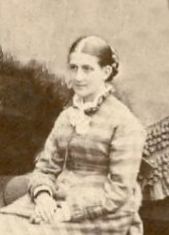
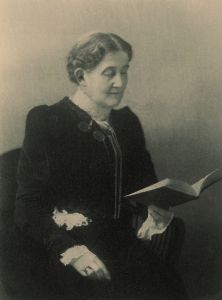
Black and white photo of a woman of about 60 years of age. Her wavy hair is parted in the middle and softly drawn up into a bun at the back of her head. She wears a dress with a high neckline and a soft shawl-style collar. The sleeves are long and have white cuffs trimmed with lace at her wrists. She holds an open book in her hands.
Marcia Livingston

Again a doctor was called to the house in Swarthmore to treat her, but the virus had weakened her heart. On August 7, Marcia succumbed to myocarditis, a rare but serious condition that causes inflammation of the heart muscle.

It had to have been a devastating blow to Isabella. For their entire lives, she and Marcia had been close. Marcia was the sister who tended Isabella when she was young, who watched over her when she was ill, and prayed that Isabella would choose Christ as her Saviour (you can read more about that here). Marcia helped introduced Isabella to her husband Ross; and after Isabella married, the Livingstons and the Aldens shared a home in Florida, and lived as neighbors at Chautauqua. They were as close as sisters could be.

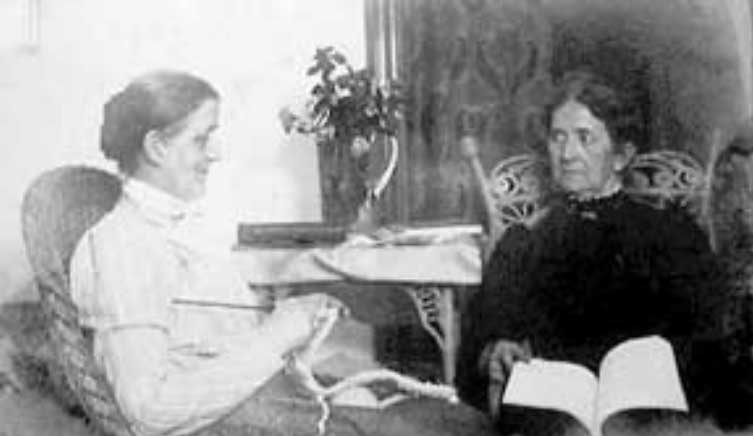
Black and white photograph of two elderly women sitting together. They are both wear their hair parted in the middle and pulled back to a braided but at the back of their heads. Isabella is dressed in a long-sleeved, high-neck blouse and skirt and she is knitting. Marcia wears a dark colored, high neck, long-sleeve dress and holds an open book in her hands.
Isabella Alden (left) and her sister Marcia Livingston (courtesy Daena Creel).

Isabella wrote:

I held the dear hand of my one remaining sister Marcia all that day, and prayed for one more clasp of it, one look of recognition, all in vain. She went, as did my dear husband, without a word or look.

Marcia was laid to rest in Johnstown, New York; that was where Marcia and Isabella grew up, and where Marcia met her husband Charles (you can read more about that here). Her grave is beside Charles’ grave and the grave of their infant son Percy.

Photo of a large stone grave marker that reads: Marcia Macdonald wife of Charles M. Livingston 1832 - 1924.
Marcia Macdonald Livingston’s grave marker in the Johnstown Cemetery.

Although there’s no known record of it, Isabella, Grace, and other family members may have traveled to New York for the interment. If they did make the journey, it’s probable that Isabella’s son Raymond did not accompany them.

By the time Marcia died, Raymond was receiving medical care in Philadelphia for a chronic condition. All his life Raymond endured a painful form of eczema that caused open sores and blisters, leaving him prone to infection. In May of 1924, Raymond’s condition became worse, and he began to regularly see a doctor in Philadelphia.

Black and white full-body photo of a gentleman standing out of doors in front of a large stone building. He wears a three-piece suit, a bowler hat and spectacles. One hand is in his trouser pocket; in the other hand he holds a pair of gloves.
Raymond Alden, from the Stanford University 1923 Yearbook.

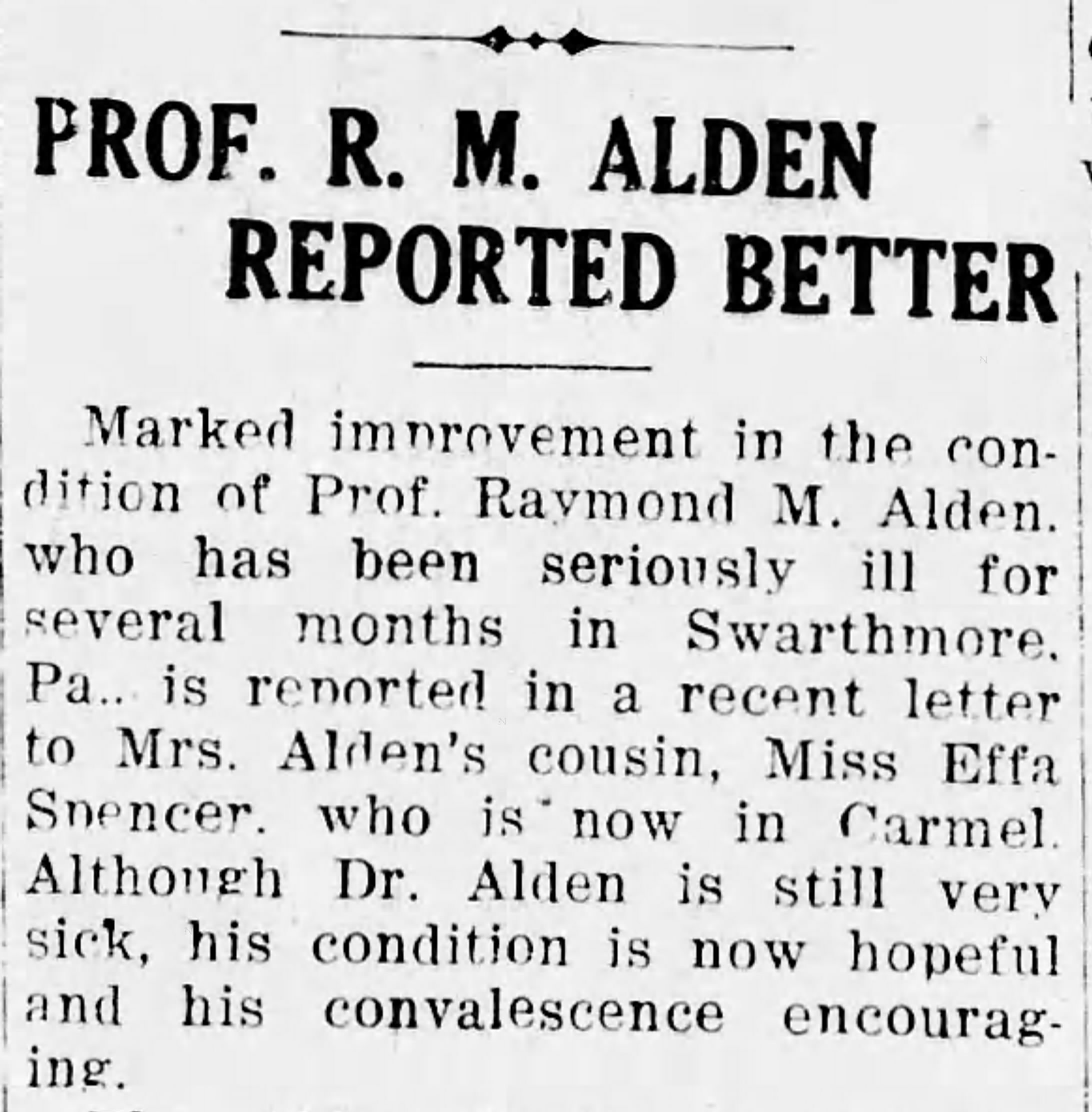
By July Raymond’s wife Barbara wrote to her cousin about Raymond’s health, saying that although he was still very sick, he had shown “marked improvement.”

Newspaper clipping. Headline: Prof. R. M. Alden Reported Better. Marked improvement in the condition of Prof. Raymond M. Alden, who has been seriously ill for several months in Swarthmore, PA., is reported in a recent letter to Mrs. Alden's cousin, Miss Effa Spencer, who is now in Carmel. Although Dr. Alden is still very sick, his condition is now hopeful and his convalesence encouraging.
From The Peninsula Times Tribune, July 15, 1924.

But his improvement was short-lived. By September Raymond was suffering from an infection and, possibly, from an allergic reaction to medications he was given.

On September 27, less than two months after the death of his aunt, Raymond Alden died. Isabella was with him at the end.

“Mamma, fan me!” was the quick eager word my dear boy said, and the next minute he was gone.

Grace later wrote:

My saintly uncle went first, then my precious mother, and then my brilliant cousin, Dr. Raymond M. Alden. One blow after another that nearly crushed us all.

The family held a private funeral service for Raymond in Philadelphia; then it was time for the Aldens to leave Swarthmore and return to their Palo Alto home. Grace described it this way:

Then my dear aunt, courageous and wonderful through it all, went back to her California home with her brave daughter-in-law, and her five grandchildren.

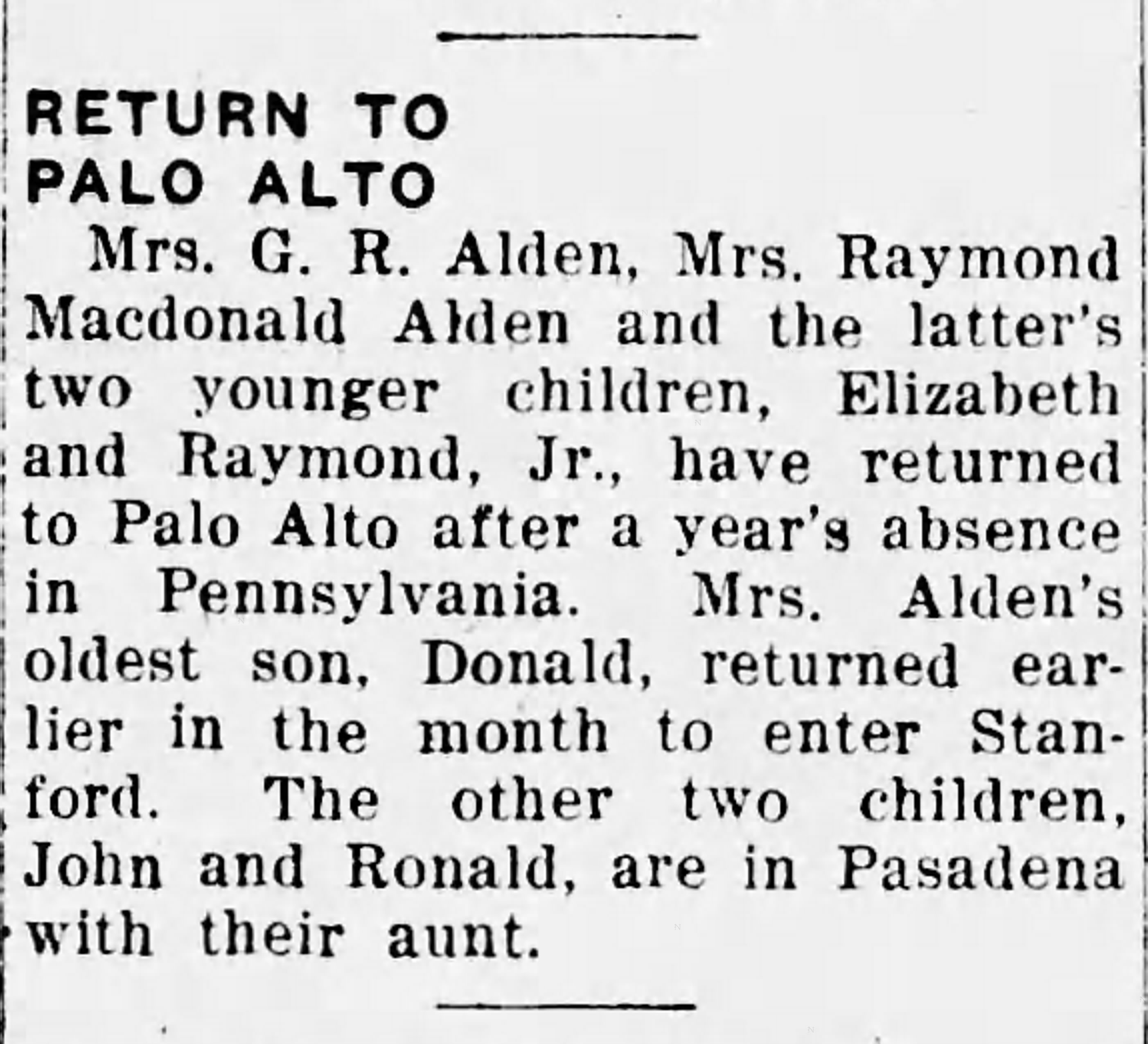
Newspaper clipping. Headline: Return to Palo Alto. Mrs. G. R. Alden, Mrs. Raymodn Macdonald Alden and the latter's two younger children, Elizabeth and Raymond, Jr., have returned to Palo Alto after a year's absence in Pennsylvania. Mrs. Alden's oldest son, Donald, returned earlier int he month to enter Stanford. The other two children, John and Ronald, are in Pasadena with their aunt.
From The Peninsula Times Tribune, October 18, 1924.

There must have been times when Isabella felt the acute loneliness of losing the three most important people in her life. She once wrote to Grace:

There is no one in all the world who needs me any more. I’m too old to help anybody in any way, and too weak to be anything but a burden to those who have already more than they can bear. Why can’t I go now to my eternal rest? Does it seem to you wrong to pray for this?

There were other times when she spoke of the many family members who had died over the years, and asked impishly, “What do they think of us all by this time? Do they meet together and talk us all over?” She thought often of the loved ones who had “gone ahead” and wrote to Grace:

Sometimes I have to put my hands over my eyes in the darkness and say: “Casting all—All—ALL your care upon Him.” Oh, why doesn’t He take me home?

But God did not call her home. Isabella lived with Barbara and her grandchildren in the house she and Ross built on Embarcadero Road in Palo Alto for another six years.

A young woman with dark hair stands facing the camera. She wears a coat and a hat with a wide brim and tall feathers sticking up from the crown. Her hair is styled in a bouffant with a bun on top of her head hidden by the hat.
Barbara Hitt Alden, about 1910

By all accounts, Barbara was loving and kind and “more than a daughter” to Isabella. And despite Isabella’s belief that she was “too weak to be anything but a burden” to Barbara, she would soon find that her work on Earth was not done, and that she had one last novel to write before she would be called Home to her Saviour.

Next Month: Isabella’s Final Novel

You can read more about the house Isabella and Ross built in Palo Alto by clicking here.

Click here to read the story of how Marcia and Charles Livingston introduced Isabella to her husband, Ross.

Isabella’s Most Difficult Year

On the surface, it may seem that Isabella led a charmed life. Her husband was beloved a minister and a leader in the Presbyterian Church.

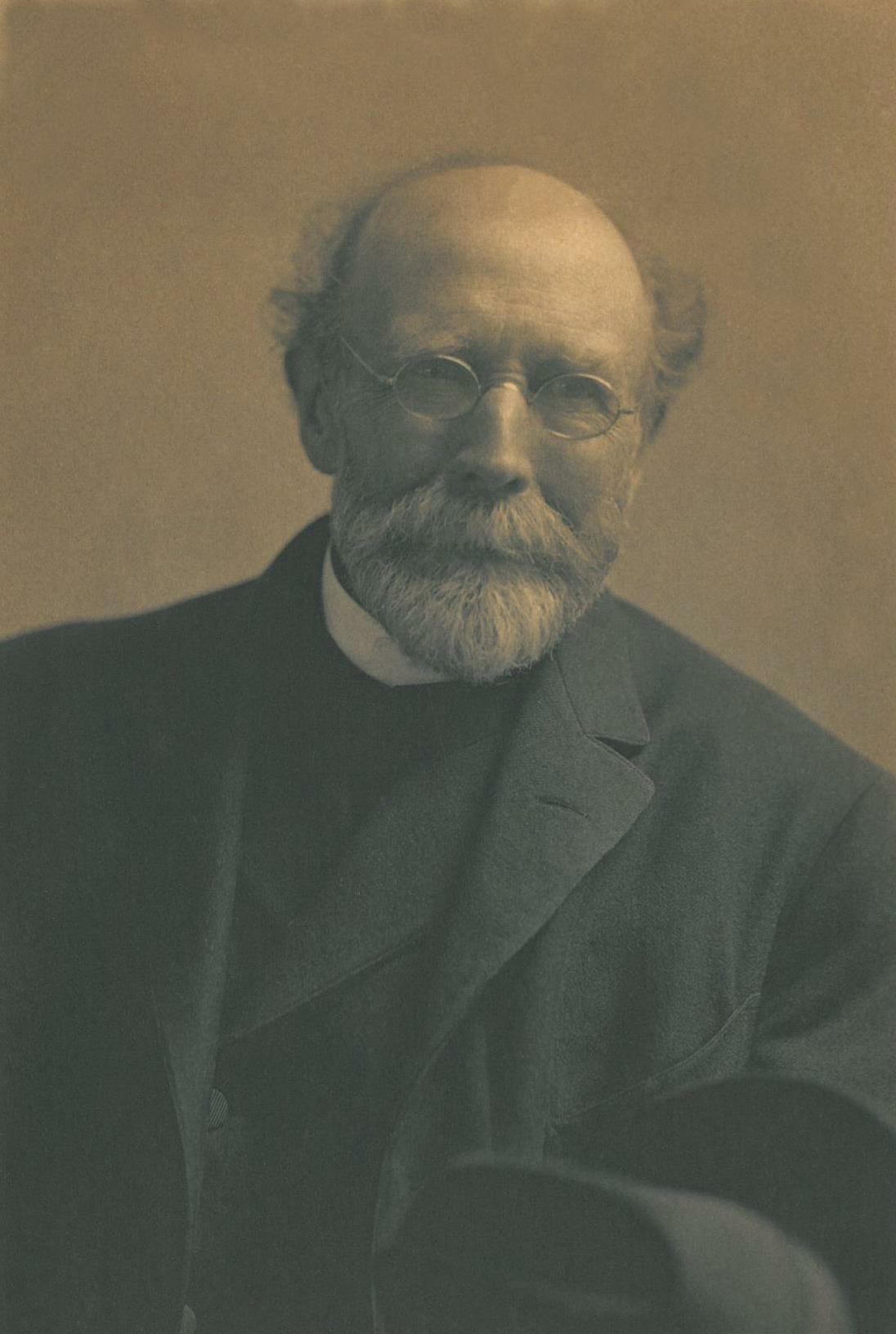
Black and white photo of an elderly man wearing a cleric's collar and suit. His head is bald on top, and he has a full beard and mustache. He wears a pair of wire-rimmed glasses.
Gustavus “Ross” Alden in later years (about 1912)

Her son Raymond was a talented writer, a beloved teacher, and an esteemed academic.

Black and white photo of an elderly woman. She is seated and holding a book in her hands she appears to be reading.
Isabella Alden, about 1895.

Isabella, herself, had been a successful author for decades, as well as an influential editor of various Christian magazines for young people and adults.

With so many proud accomplishments in her life, it’s hard to remember that Isabella had her share of heartache and loss.

Some of those losses were made all the more difficult because they occurred almost in a back-to-back fashion during one six-month period in her life. And it happened one-hundred years ago.

The year 1924 began on a positive note for the entire Alden family. Isabella’s son Raymond—who was head of the English Department at Stanford University in California—was on sabbatical so he could teach courses at Columbia University in New York. It was an exciting career opportunity for Raymond.

A black and white photo of a young man dressed in a suit and wearing a pair of eyeglasses.
Undated photo of Raymond Macdonald Alden.

His topics during that Spring Session at Columbia were:

  • English Literature from 1780 to 1830.
  • Shakespeare
  • Versification
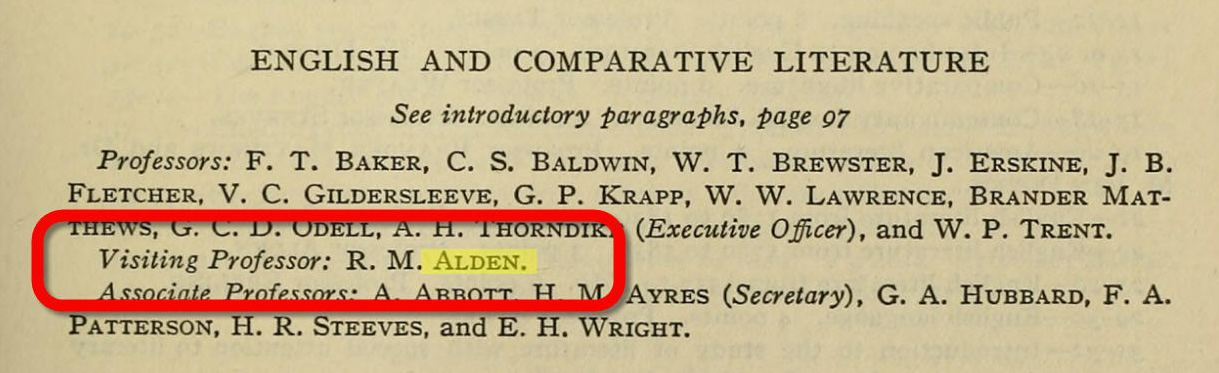
Clipping from catalog. Heading: ENGLISH AND COMPARATIVE LITERATURE below which is a listing of professors. Highlighted portion reads "Visiting Professor: R. M. Alden."
Raymond Alden listed as a Visiting Professor in the English and Comparative Literature department, Columbia Course Catalog for 1923-1924.

Raymond, his wife Barbara, and their five children (ages 2 to 14) made the move east together and rented a home within an easy commute to Columbia’s campus.

Portrait of a young woman wearing clothing with a high collar neckline and large puffed sleeves that were in style about 1890.
Barbara Hitt Alden, in her early twenties.

Isabella and her husband Ross went, too. Ross was 92 years old and had been officially retired from the ministry for some time, but he still enjoyed excellent health and a quick wit and intellect. Isabella was still writing novels, but she too had “retired” and had adopted a much slower pace when it came to her work.

Isabella and Ross moved into the Swarthmore, Pennsylvania home of Isabella’s sister Marcia Livingston and niece Grace Livingston Hill. Grace often described Marcia and Isabella as “inseparable” sisters, and for the majority of their lives, the Aldens and the Livingstons spent much of their time together.

It was while the Aldens were staying with Marcia and Grace in Swarthmore in the spring of 1924 that tragedy struck.  

Photograph of a large two-story home with brick accents set back from the street with lush green lawns and mature trees.
Grace Livingston Hill’s Home, Swarthmore, PA.

At that time Philadelphia was dealing with an influenza epidemic. The particular strain that prevailed during the spring of 1924 often caused pneumonia.

Newspaper clipping. Headline: HEALTH DIRECTOR WARNS OF DANGER. Tells Public to Watch February and March Cold Symptoms. These Two Months Shown as Highest in Pneumonia Mortality.
From The Philadelphia Inquirer, February 18, 1924.

Unfortunately, antibiotics like penicillin and sulfonamides were not as widely available as they are today; so doctors could offer little in the way of treatment for pneumonia, beyond recommending bed rest, and drinking fluids. Almost every day newspapers reported new outbreaks of the influenza virus, as well as the number of deaths, and it often seemed as if no one was safe.

Newspaper clipping. Headline: BABE RUTH STRICKEN BY FLU, PNEUMONIA IS RESULT NOW FEARED. Article: Babe Ruth, the Sultan of Swat, baseball's biggest attraction and the game's longest hitter, is seriously ill at a local hotel. Just now Ruth is suffering from an attack of flu, but there is danger he will develop pneumonia within the next twenty-four hours. According to Dr. W. T. Wootton, there is a great deal of congestion over Ruth's left lung.
From The Philadelphia Inquirer, March 1, 1924.

Health officials warned that a common cold or a mild case of the flu could quickly turn into a deadly case of pneumonia. Unfortunately, that is exactly what happened to Rev. Alden. At ninety-two years of age he was particularly susceptible to pneumonia, and although the family brought in a physician in to treat him, he died on March 29, 1924.

Newspaper clipping. Dr. Alden's death at the home of his niece, Mrs. Grace Livingston Hill, followed an illness of only 48 hours. Up to that time he had been strong and vigorous, although in his 93rd year. Funeral services, followed by cremation, were held in Swarthmore.
From The Peninsula Times Tribune, April 14, 1924.

His death was reported in newspapers across the country and the tributes and remembrances came pouring in. People wrote about their memories of when he was their church minister. They related the anecdotes he used to illustrate his sermons and teachings; and they mentioned the close friendships they formed with him in the Sabbath School classes he taught.

Perhaps Isabella had a chance to read some of those tributes. And she no doubt relied upon her sister Marcia’s support, as well as the tender care that Raymond, Barbara and Grace would have provided.

Isabella made the decision to remain in Swarthmore until summer, so Raymond could fulfill his teaching responsibilities at Columbia. Then, the Alden family planned to travel together back to their home in Palo Alto, California, where Rev. Alden’s remains would be laid to rest.

In her remembrances of her uncle, Grace recalled a poem he wrote and had printed as a New Year greeting card. He sent the cards to the members of his Bible class the last winter he was with them before going to Swarthmore. It reads:

TODAY

We are living today—not tomorrow,
For no morrow was ever yet seen;
And for joy, or for pain, or for sorrow,
Only yesterdays ever have been.

God gives us duties—just for today;
And His strength He bestows by the hour,
“Grace is sufficient” we still hear Him say,
So we trust Him for wisdom and power.

And since today is all that He gives,
Let us treasure the day as it stands.
It matters, then, much how everyone lives
For tomorrow God holds in His hands.

G. R. Alden

Next: Isabella’s Most Difficult Year, Part 2

New Free Read: Doctor Dunmore’s Prayers

If the surname “Dunmore” sounds familiar to you, you’ve probably read Isabella Alden’s novel, Miss Dee Dunmore Bryant.

In that book about the adventures of the Bryant family, Judge Dunmore was a kind and generous man who befriended the Bryant children and helped improve their fortunes.

Isabella must have liked the surname “Dunmore,” because six years earlier, she used the same name in a short story she published in The Pansy magazine. In the short story, the kindly and wise gentleman named Dunmore was a physician who went above and beyond his Hippocratic Oath to heal the heart of a badly injured patient.

“Doctor Dunmore’s Prayers” is this month’s free read.

Book cover of an old-fashioned kitchen from about 1900 with wooden cupboards. In the foreground is a wooden table covered with baskets and plates of fruits, vegetables, and breads. On the floor beneath the table are bags and baskets of potatoes. The book title is "Doctor Dunmore's Prayers." The author name is "Isabella Alden."

When Mr. Greyson is badly injured at work, Dr. Dunmore does all he can to repair the man’s damaged body and orders him to bed. But with no income, the Greyson family is soon in dire straits and desperate for help. What else can the doctor do to help restore the man’s health and faith?

You can read “Doctor Dunmore’s Prayers” for free!

Choose the reading option you like best:

You can read the story on your computer, phone, tablet, Kindle, or other electronic device. Just click here to download your preferred format from BookFunnel.com.

Or you can select BookFunnel’s “email” option to receive an email with a PDF version you can read, print, and share with friends.

Free Read: The Weak Brother for Whom Christ Died

It’s the time of year when many people make resolutions—to study their Bible more often, lose weight, or spend more time with family and friends. But how many people resolve to change their life in order to benefit a stranger? That’s the premise of our January free read.

Grace Livingston Hill wrote “The Weak Brother for Whom Christ Died” in 1897, and it was based on true events. At that time, French actress Sarah Bernhardt was a theatrical titan, who enjoyed world-wide fame.

Black and white photo of actress leaning against a large garden urn. She wears a pensive, thoughtful expression.
Undated photo of Sarah Bernhardt in character.

She toured the globe in plays she produced and starred in. She was a master of self-promotion and cultivated a larger-than-life persona that the newspapers and magazines of the time eagerly reported to their readers. She was, arguably, the world’s first true international superstar.

Actress in costume of sleeveless, loose-fitting, floor-length gown. On her head she wears a headpiece with the figure of an upright snake. She wears bracelets on her upper bear arms. In one hand she holds long-stemmed flowers.
Undated photo of Sarah Bernhardt as Cleopatra.

Bernhardt first performed in America in 1880, when Grace was fifteen years old. Bernhardt’s American tour lasted several months. She performed in cities across the country, and each performance was met with thunderous applause and critical acclaim.

Photo of an open-air amphitheater with a full audience. On stage is a figure in a long gown sitting in a large, throne-like chair.
Bernhardt performing onstage in Berkeley, California, 1906.

In 1897 Bernhardt toured England, where she was so much in demand that she sometimes appeared in multiple plays at once, performing a matinee in one theater, then playing the lead in an entirely different play in a different theater that same evening!

Newspaper clipping announcing Bernhardt's performances in "Lorenzaccio" matinee Saturday; "La Tosca" on July 8, 9 and 10; "La Dame Aux Camelias" on July 12, 13, 14; "L'Etrangere" on July 15, 17; and "French Plays" on June 17.
From The Times, London, June 16, 1897.

But not everyone embraced Sarah Bernhardt with open arms. Despite her talent and riveting performances, conservative members of society and many religious groups viewed the theater as a morally corrupting influence, especially for women.

A promotional poster for Bernhardt’s 1905/1906 American tour.

Female actors were frequently stigmatized as immoral or promiscuous. Sarah Bernhardt—with her unconventional lifestyle, her bold stage performances, and numerous love affairs both within and outside of her marriage—scandalized a good portion of the population.

Photo of Bernhardt wearing a pseudo-military uniform of high-collared tunic with long sleeves, and form-fitting pantaloons tucked into knee-high boots. Around her waist she wears a sash from which is hung a sword in a scabbard.
Bernahrdt as Napoleon. Her costume, with its form-fitting pantaloons, was considered quite scandalous.

Grace Livingston Hill knew about Sarah Bernhardt and probably read many of the newspaper articles about her. She also had strong opinions about Bernhardt and theater entertainments, which she used as the theme of her story, “The Weak Brother for Whom Christ Died.”

Book cover showing a collection of pink and white flowers against a watercolor background of blue, purple and pink. The title of the book title is displayed in a large, swirly font that takes up the entire cover.

“Did you go out to see Bernhardt last evening, Murray?”

When three young men meet to pass a Sunday afternoon together, they never imagine that such a simple question can spark a very complicated discussion! But Frank Murray has read his Bible, and he is willing to forego some of the world’s pleasures if it means he will never be a stumbling-block to fall in another Christian brother’s way. Will Frank be able to explain his position to his new friends so they, too, will strive to help a weak brother in Christ?

You can read “The Weak Brother for Whom Christ Died” for free!

Choose the reading option you like best:

You can read the story on your computer, phone, tablet, Kindle, or other electronic device. Just click here to download your preferred format from BookFunnel.com.

Or you can select BookFunnel’s “email” option to receive an email with a version you can read, print, and share with friends.

New Free Read: Miss Parker’s Girls

Our December Free Read is a short Christmas story Isabella wrote in 1893.

Cover image of three girls standing at a table where they are wrapping Christmas gifts.

Poor Miss Parker! She’s a young woman of limited means, but she prays for God to show her a way she can make Christmas special for someone in need. Could the girls in Miss Parker’s Sunday Bible class provide the very help that’s needed to answer her prayers?

You can read “Miss Parker’s Girls” for Free!

Choose the reading option you like best:

You can read the story on your computer, phone, tablet, Kindle, or other electronic device. Just click here to download your preferred format from BookFunnel.com.

Or you can select BookFunnel’s “email” option to receive an email with a version you can read, print, and share with friends.

New Free Read: Chairman Rogers

Our June Free Read is a short story Isabella wrote in 1894 about the way new people can bring fresh ideas to an old institution.

Book cover for Chairman Rogers showing envelopes, a folded piece of paper, an open inkwell, and an old-fashioned steel-tipped pen.

In desperation, the Christian Endeavor Society of the Fifth Street Church appoints Silas Rogers to chair the Temperance Committee. They don’t expect the young man from the country to do much, but Silas Rogers knows his faith will help him succeed where others have failed.

You can read “Chairman Rogers” for Free!

Choose the reading option you like best:

You can read the story on your computer, phone, tablet, Kindle, or other electronic device. Just click here to download your preferred format from BookFunnel.com.

New Free Read: The Trouble with John

This month’s free read is a short story Isabella wrote about a young man who had the courage to live his convictions.

.

Quiet and thoughtful, John Cameron has always been “different” than his brother and sisters. When an opportunity arises to improve their impoverished finances, the family is ready to jump at the chance. Only John—and his inconvenient convictions—stand in their way.

You can read The Trouble with John for free!

Choose the reading option you like best:

You can read the story on your computer, phone, tablet, Kindle, or other electronic device. Just click here to download your preferred format from BookFunnel.com

New Free Read: Her Own Way

In 1908 Isabella wrote a novel called Her Own Way.

Like her novels Interrupted, The Long Road Home, and Wanted, Her Own Way is very much a story for adults. It is also a cautionary tale about the trouble that can come when believers place their trust in another person rather than in God.

Book cover showing the interior of an artist's studio, with a table filled with sketches, paint brushes. On an easel is a portrait of a beautiful young woman wearing a high-neck, long-sleeved gown from about 1908.
.

Mrs. Eastman has always been proud of her beautiful, head-strong daughter Carol and the lovely Christian woman she’s become. Although Carol’s willful ways have caused difficulties in the past, Mrs. Eastman has always been able to gently lead her daughter back to the fold of the faithful.

But when Carol makes the acquaintance of the new church choir director, Mrs. Eastman soon finds her influence waning, as Carol begins to fall deeper under the spell of a man capable of betraying them all.

You can read Her Own Way for free!

Choose the reading option you like best:

You can read the story on your computer, phone, tablet, Kindle, or other electronic device. Just click here to download your preferred format from BookFunnel.com

Her Own Way is not at all like the novels Isabella wrote early in her writing career. What did you think of the book? Do you think the story has relevance for today’s readers?