
Merry Christmas! This sweet poem appeared in the December 1894 edition of The Pansy magazine. You can click on the image to open a PDF version to save or print and share.

Merry Christmas! This sweet poem appeared in the December 1894 edition of The Pansy magazine. You can click on the image to open a PDF version to save or print and share.

When Isabella wrote Missent; the Story of a Letter, she created a heroine named Sarah Stafford. Sarah was strong, yet sympathetic; wealthy, but lonely, too. Alone in the world, Sarah yearned for a family, which is one of the reasons she decided to rent rooms as a boarder in the home of the Dennison family.
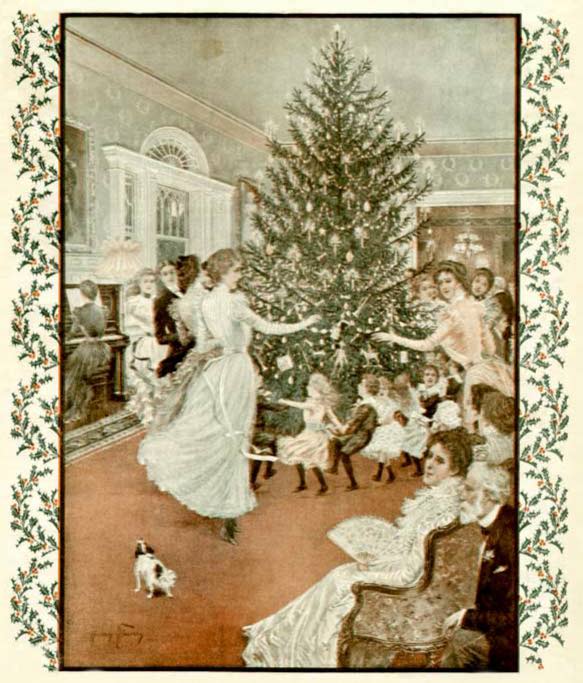 There Sarah spent Christmas day with the family and took part in their Christmas celebration and fun. In the book, the family made a game of distributing gifts by making up rhymes and riddles, and having the recipient guess what the gift was before it could be opened.
That game was actually part of Isabella’s real family tradition. The entire family gathered together at Christmas—Isabella, with her husband and son; Isabella’s mother and sister Julia; her sister Marcia, with her husband Charles and daughter Grace.
On Christmas morning, there were many gifts to be opened, “nearly all of them quite inexpensive, most of them home-made, occupying spare time for weeks beforehand; occasionally a luxury, but more often a necessity, a little nicer perhaps than would have been bought at an ordinary time because it was Christmas.”

Isabella’s niece, Grace Livingston Hill, remembered those family Christmas mornings with love. “Our Christmases together were happy, thrilling times.”
Grace also described the process they used for handing out the gifts:
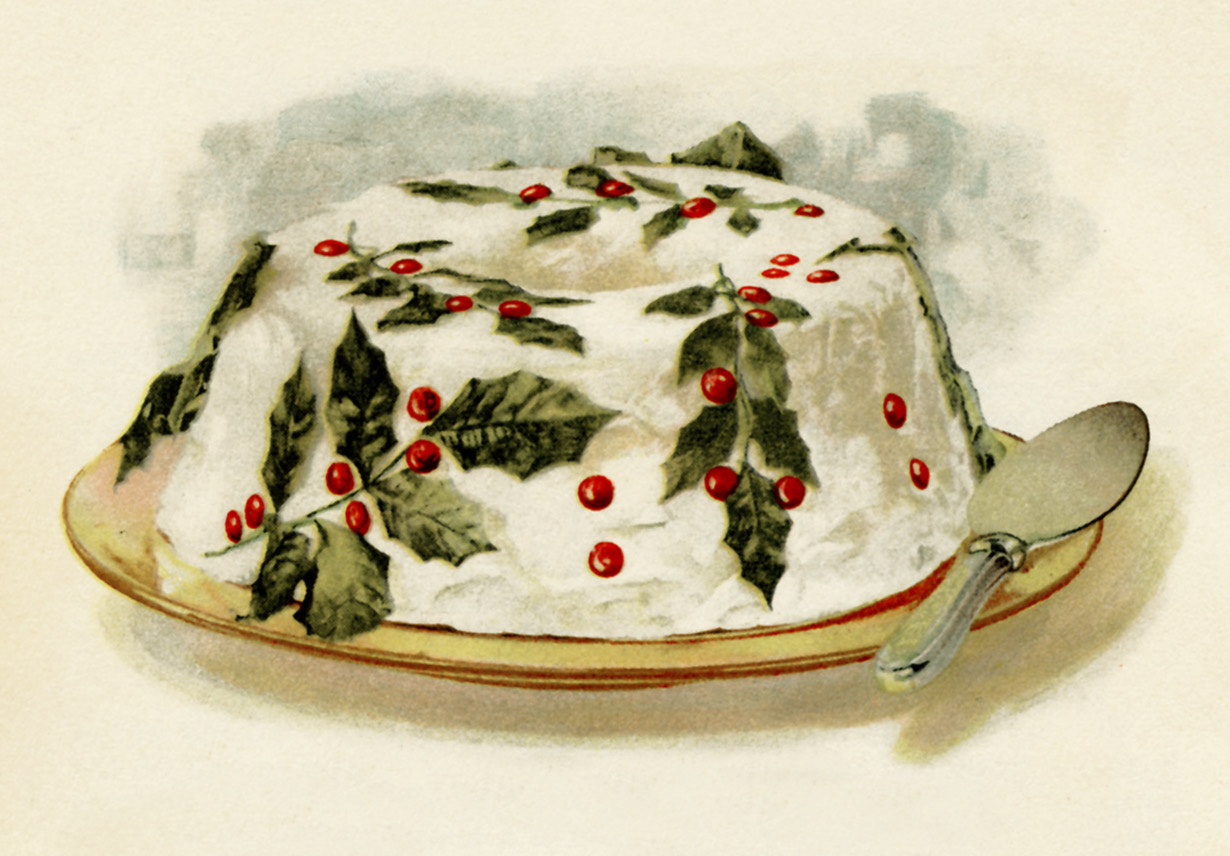
The ceremony of distribution was a long delight, because it was a rule that each present, no matter how small, should be accompanied by an original poem or saying that was appropriate to the gift, the giver or the receiver. The rite lasted usually far into Christmas morning, with shouts of laughter over each reading, and Aunt Julia, or Grandma, or one of the others would frequently have to be excused and the ceremonies held up for a few minutes while the turkey was basted, or the mince pies taken out of the oven, filling the house with delicious Christmas odors.
It was on one of those Christmas mornings that Isabella gave her niece a gift that would influence her life: one thousand sheets of typewriter paper. With the paper was a note, wishing Grace success with her writing and encouraging her to “turn those thousand sheets of paper into as many dollars.”

At the time, Grace was just beginning to write bits of stories with no thought of ever trying to publish them. But Isabella’s gift changed that.
It was the first hint, Grace later wrote, that anyone thought she could write professionally.
 It’s no wonder that Isabella used her own experience to write about Sarah’s Christmas with the Dennisons in Missent; the chapter was completely based on her happy and love-filled Christmas mornings with her own family. You can click on the book cover to learn more about Missent; the Story of a Letter.
Do you have a Christmas tradition that brings your family together? Please share it in the reply section below.

 Christie’s Christmas is now available on iTunes! Click on the book cover for details.
.
.
.

Isabella tried for years to persuade her friend, Theodosia Toll (who everyone called Docia) to become a writer. In 1865 Isabella sold her first book, Helen Lester, thereby launching her own writing career; and she had the same dream for her friend.

From experience she knew Docia was a gifted writer, and she often encouraged her to write stories for young people “which would help to develop their lives in the right directions and also to be a pecuniary help to herself.”
But Docia disagreed. She was convinced she had no special talent for writing, and despite Isabella’s encouragement, Docia wouldn’t even try to write for commercial reasons, a fact which frustrated Isabella. One day, when Isabella became upset with Docia’s lack of interest in becoming an author, Docia surprised her.
She laughed heartily … and told me not to despair, that the day might come when I would actually possess a book written by her.
Several weeks after Docia spoke those words, Isabella received a package and letter from Docia. Docia’s letter read, in part:
The package which will accompany this contains a book, every word of which was written by myself! Moreover, it was written especially for you. I have spent much thought and care upon it, and know to a certainty that every page of it in every particular is strictly correct. Also, I have great pleasure in adding that I believe you will derive great benefit from giving it daily reading, and obeying its teachings in every particular.
 Intrigued by the promises in Docia’s letter, Isabella opened the package.
It was a book certainly, beautifully bound, and Docia had certainly written (not printed) every word of it in her own small clear style.
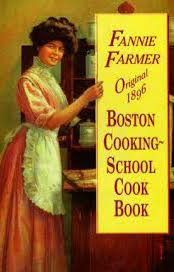
But the book Docia sent was not a novel. Instead, every page of the book told exactly how to prepare, or bake, or boil or fry, or stew, or freeze some dish. It was a cookbook that explained every little detail, and it was clearly designed for the novice.
None knew better than Docia that, so far at least as cooking was concerned, the name applied to me. That blessed little book! I loved it at first glance.
Oh, I could easily fill a small volume with stories in detail about the times when the wisdom found in that book saved me in the early months of my life as a chief cook and general manager of a minister’s home.

Not long after sending Isabella the cook book, Docia embarked on the writing career Isabella always wanted her to have, publishing under the pen name, Faye Huntington. In her memoirs Isabella recalled:
She wrote many books after that, which were read and appreciated by hundreds, that without doubt helped in much more important matters than furnishing food for the body, but personally, I never ceased to feel a peculiar sense of gratitude for that first one.
You can read more about the friendship between Isabella and Docia in these previous posts:
Free Read: The Book that Started it All

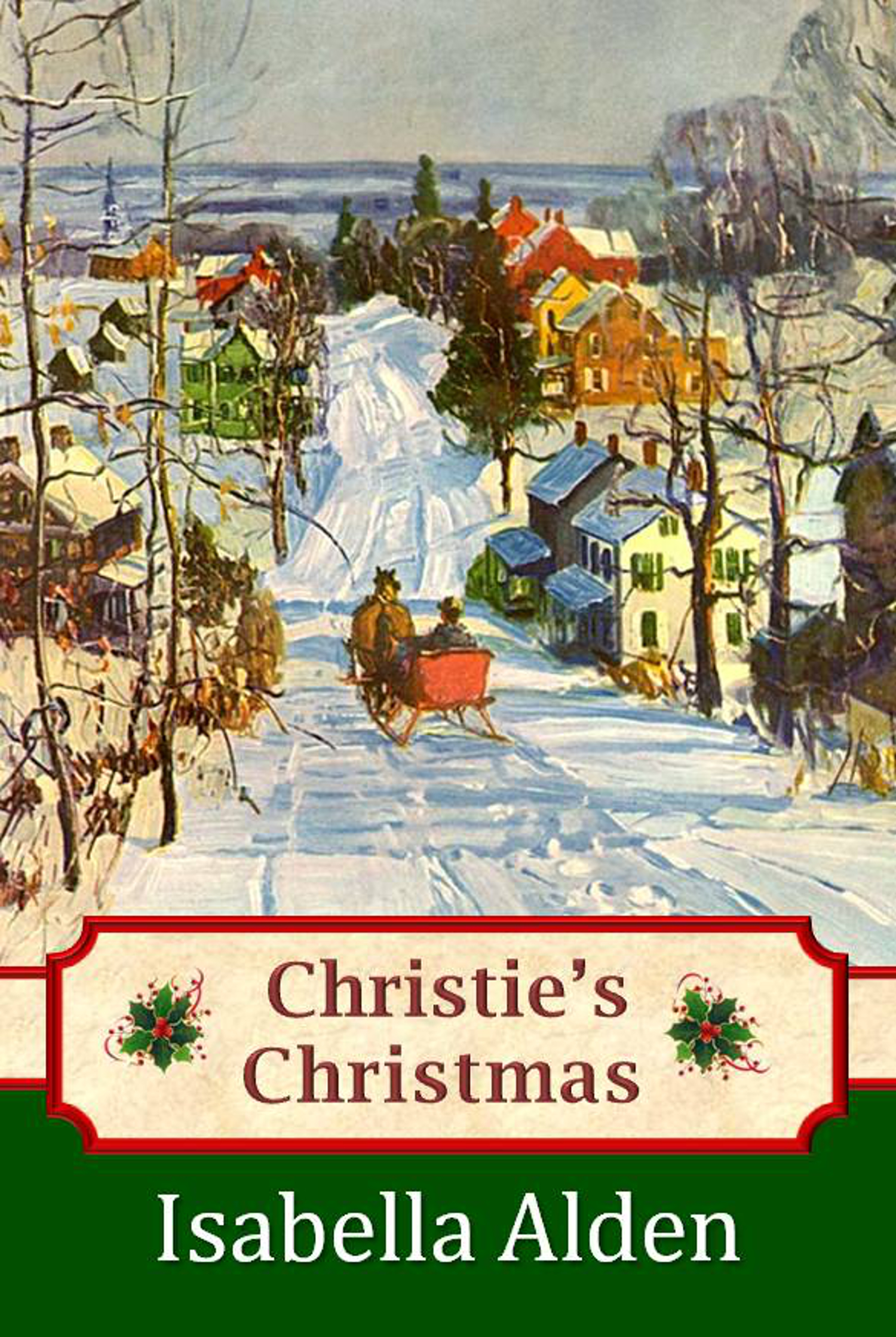 Christie Tucker’s parents have given her the most wonderful Christmas present ever. For the first time in her life, Christie will ride the train to town to spend Christmas Day with her Uncle Daniel and his family.
For Christie, it’s a dream come true, and a day of surprises. For that simple train ride soon becomes an adventure, filled with remarkable people. And Christie’s simple acts of kindness to her fellow travelers, done in Jesus’ name, result in blessings too numerous to count.
This edition of the 1884 classic Christian novel is available at these e-book retailers:




When Isabella Macdonald married Gustavus “Ross” Alden, she was 24 years old. She had been earning her own living as a teacher for years; and though she remained very close to her family—especially her sisters Marcia and Julia—she considered herself a very independent and grown-up young woman.
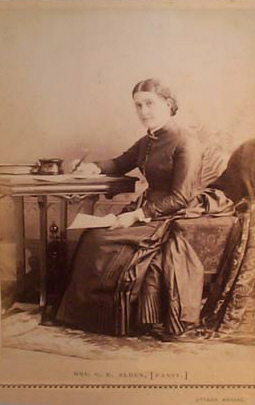
But when her relationship with Ross Alden began to blossom, so, too, did Isabella’s realization that many people thought she was too young to marry Ross. Isabella wrote:
“I was very sensitive about my age at that time. I seemed always to be guessed much younger than I really was.”
Even a friend of Isabella’s—a lady Isabella described as an intimate acquaintance—was surprised to find out that Isabella was only ten years younger than Ross. The friend would have guessed that Isabella was even younger than 24.
That ten year age difference never bothered Isabella; but it did bother her that people thought she was too young to marry Ross and too young to take on the responsibilities of a pastor’s wife.
“I certainly allowed it to worry me, perhaps because I had at that time nothing more important to worry over.”
It didn’t help matters when Isabella overheard a man and woman walking slowly down her street shortly after she and Ross settled into their first home together.
“Isn’t this where the Presbyterian minister is staying?” asked the woman.
“Yes,” said the man, “and I hear that he has brought back a baby for a wife!”
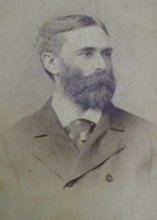
Isabella suffered yet “another thrust,” as she called it, a few days later. She had been with Ross in a book store, where a clerk helped them find a copy of a popular book on theology. Two days later, Isabella returned to the same store alone, where the same clerk came forward to wait on her. He bowed and very courteously asked if her father was pleased with the book on theology he had bought earlier in the week. Isabella recalled that she stood on her toes and replied in a voice of stunning dignity, “My husband was!”
Unlike Isabella, Ross took such encounters in stride. When he introduced Isabella to a middle-aged woman he knew, the woman stared at Isabella and said, “Your wife looks very young to take charge of a parish.”
Ross replied, philosophically, that Isabella “will be gaining on that youthfulness every day, you know.”
Isabella thought the woman would laugh; instead she just stared at Isabella, sighed and said, “Yes, that’s so.”
Years later, Isabella wrote in her memoirs:
“Even at this late day I feel almost ashamed to confess the dismay which this little word of criticism gave me.”
But she soon shook off that criticism when she realized that for every person who doubted her because of her youth, there were just as many who embraced her and welcomed her into their homes and hearts. Isabella worked hard to support her husband’s ministry and to silence her critics . . . and she succeeded.
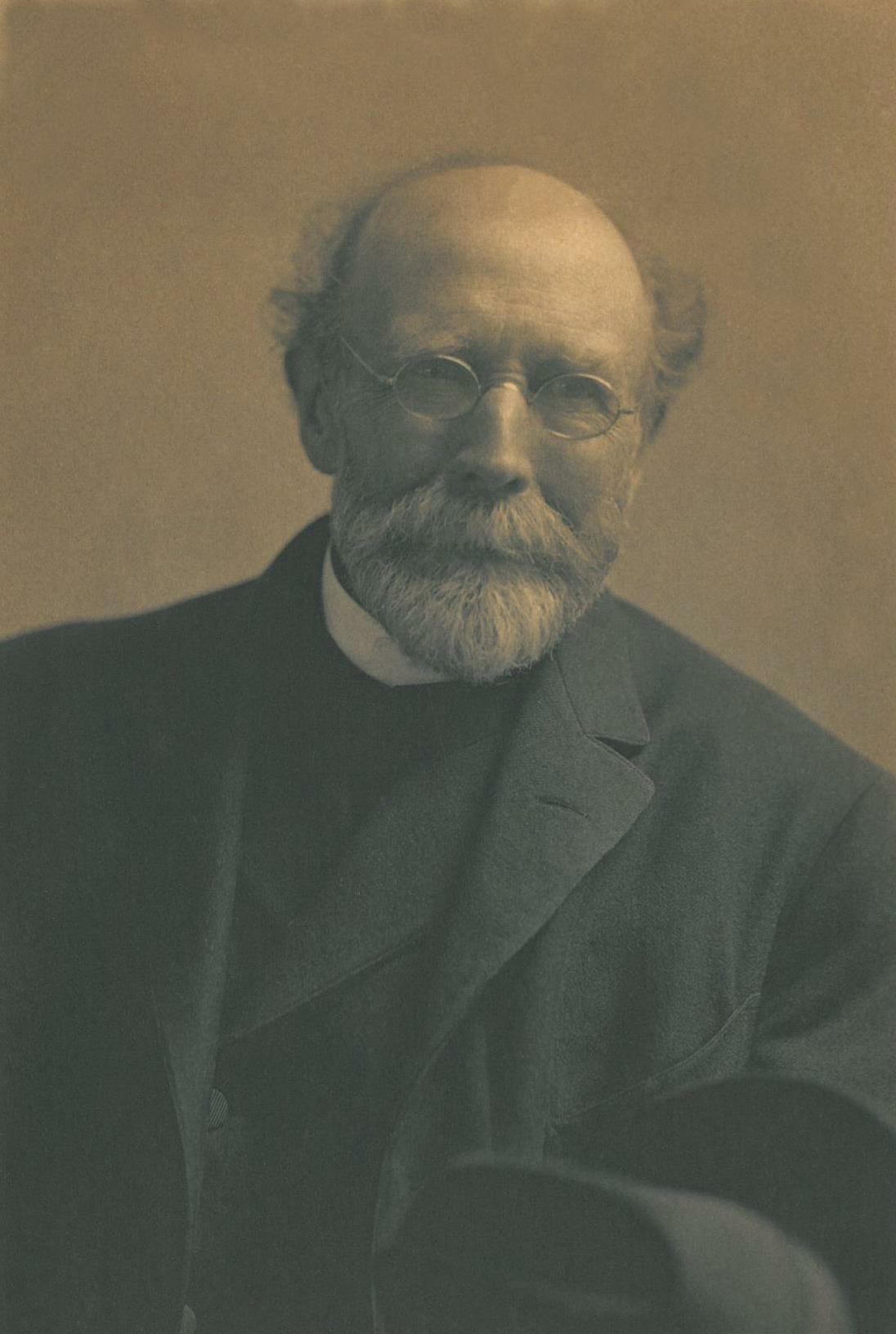
In 1892, after 26 years of marriage, the Ladies’ Home Journal interviewed Isabella for an article they were running on women writers. The interview was conducted in the Alden home (they were living in Washington D.C. at the time) and the magazine’s writer had ample opportunity to observe Isabella and Ross together. When the article was published, he included this assessment of the Alden’s marriage:
“It would be difficult to find two people better suited to each other, more tenderly devoted, or more thoroughly one, in all their interests and aims.”

 I don’t know the end of any story that is being lived now—yours or mine, for instance—but the Lord does; and I would much rather have Him do all the planning.
—from Workers Together; An Endless Chain
.
.

The young man who Isabella Alden served pumpkin pie to on Thanksgiving day, 1863 would have a decided impact on her life (you can read about their first meeting in a previous post). That young man was Gustavus Rossenberg Alden, but everyone called him Ross.
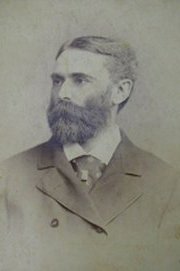
When they met that Thanksgiving day, Ross was 31 years old and Isabella was 22. She was a teacher, living with her sister, Marcia and brother-in-law Charles Livingston while Charles attended Auburn Theological Seminary.
Isabella later wrote that her first impression of Ross was that he “was uncommonly tall.” He was also nine years older than she, in the process of changing careers, and he had weathered many life events that Isabella had yet to experience.
Ross came from a rather distinguished family. He was a direct descendent of John Alden and Priscilla Mullens, the first Mayflower Pilgrims to land at Plymouth Rock. You can learn more about John Alden by viewing the video below:
John and Priscilla’s love story was immortalized in the Hendry Wadsworth Longfellow poem, The Courtship of Miles Standish, which you can read here.
Ross’s grandfather, Benjamin Alden, was a founding father of Greene, Maine and a prominent citizen of the surrounding county. Here’s a simple genealogy chart showing Ross’s direct line of descent from John Alden;

When Ross was 23 years old, he married a woman named Hannah Bogart. Within a year they had a daughter they named Anna; two months after Anna’s birth, Hannah passed away.
Very little is known about Ross and his life after his wife died; but seven years later, he was in New York. At the age of 31 he was ready to begin a new chapter in his life, and he enrolled at Auburn Theological Seminary. There he met fellow student, Charles Livingston, who introduced Ross to Isabella on Thanksgiving day, 1863.
Isabella wrote very little about the early days of their relationship, but she did hint at the make-up of the man she fell in love with. She described him as “a most unusual Christian.”
While he would argue good-naturedly over comparatively unimportant matters, or could with equal good nature often drop his side of the question and give himself heartily to the carrying out of the other’s plans, when it came to a matter of principle or conscience he was adamant, although still maintaining his habitual kind courtesy.
Also clear from her writings is the fact that Isabella loved and admired Ross Alden. She looked up to him, and enthusiastically partnered with him in his ministry.
Three years after they met, Ross and Isabella married, and they embarked upon a long and happy life together.


Isabella Alden tells a lovely story about a very special Thanksgiving she spent in Auburn, New York.

She was 22 years old at the time, and living with her older sister Marcia and brother-in-law Charles, while Charles attended Auburn Theological Seminary.
That year Marcia and Isabella prepared the family’s Thanksgiving feast, and Isabella was responsible for baking the pies. She wrote:
My mother was a wonderful cook, and her pumpkin pies were especially renowned, but I, her youngest daughter, had been busy since very early in life in other places than the kitchen, and knew almost nothing about cooking.
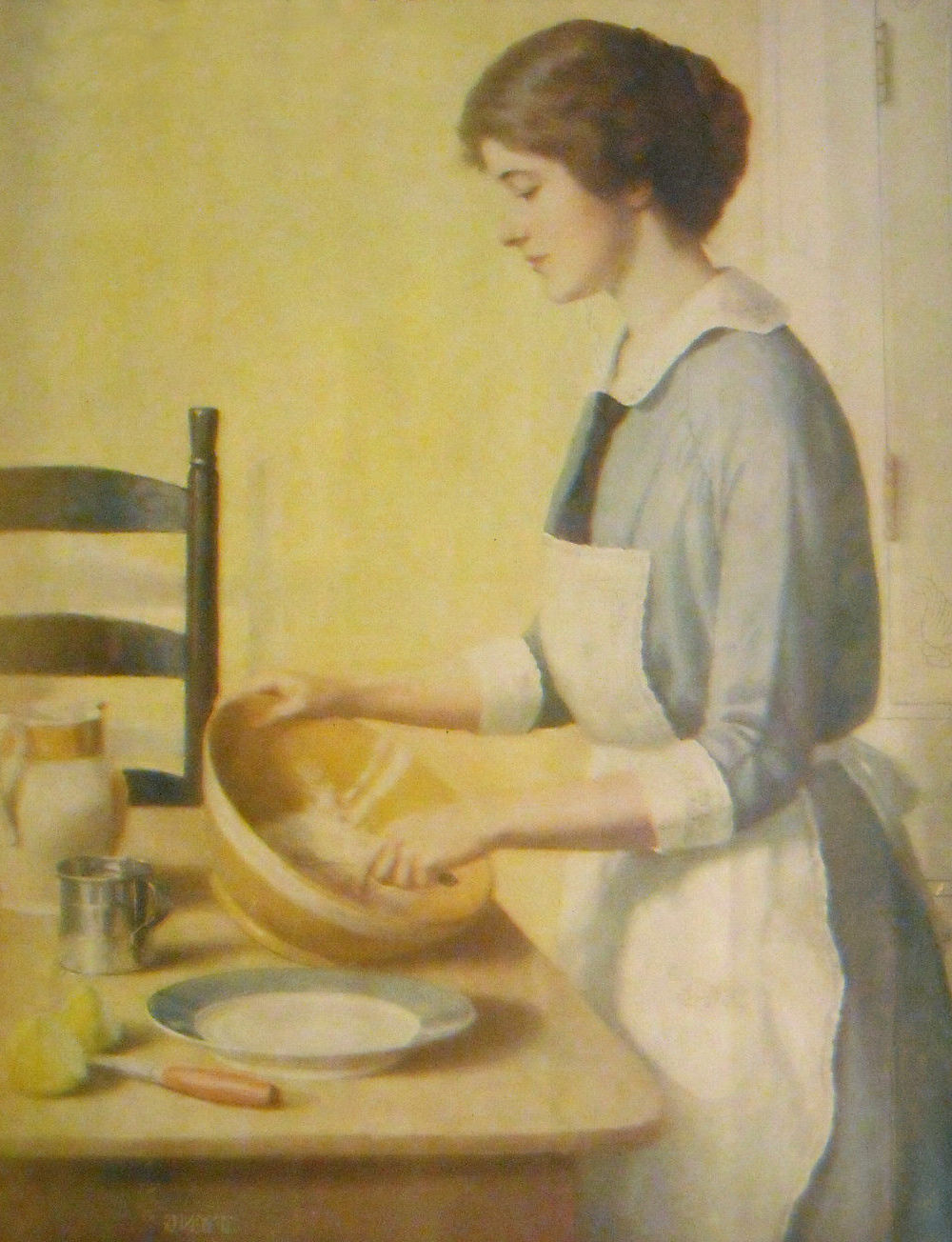
Despite her doubts, Isabella’s pies were a success, and Charles declared:
“Upon my word, I believe this pumpkin pie is every bit as good as our mother can make. And we three know that there can’t be any greater praise for pumpkin pie than that!”
When they’d finished eating and had cleared away the dishes, Charles suggested they ask some of his fellow seminary students to come in and share their cheer.
Of course Marcia and Isabella agreed; and while Charles was gone, hunting up lonely students to bring back to the house, Marcia and Isabella prepared turkey sandwiches and sliced the remaining pies Isabella had made.
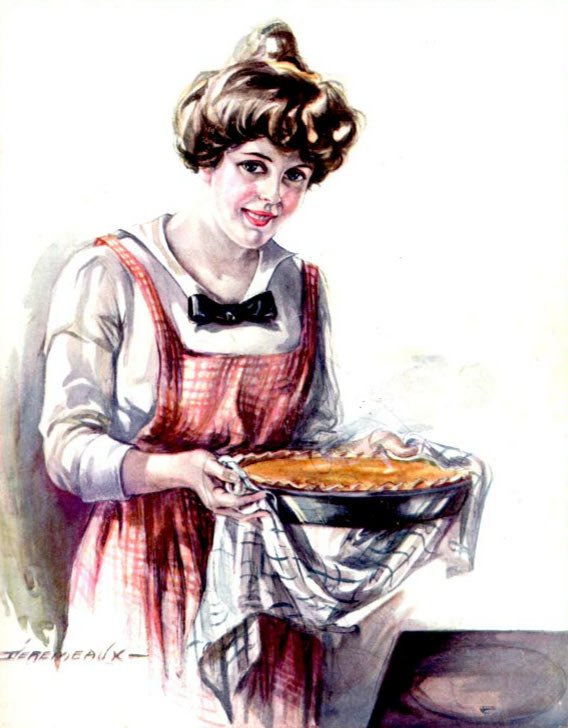
Charles soon returned with one lonesome stranger in tow. Isabella described her first impression of their guest:
He looked uncommonly tall to me, and he certainly liked pumpkin pie. My sister had no difficulty in persuading [him] to take another piece. Also, there was much fun over the fact that these were the very first pumpkin pies I had ever made.
They spent an enjoyable evening together, unaware of how great a role their guest would play in their futures.

As Isabella later wrote:
That lonesome stranger who ate my first pumpkin pie was the man who afterward became my husband!

Affordable Christian Fiction
Faith, romance, and a place to belong
Author of Classic Christian Fiction
Author of Classic Christian Fiction
Reviews and giveaways for Christian fiction and sweet, clean fiction. Bringing readers information on great stories and connecting authors with their readers.

