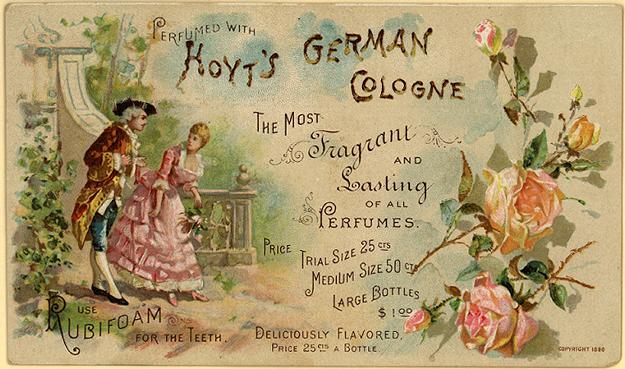
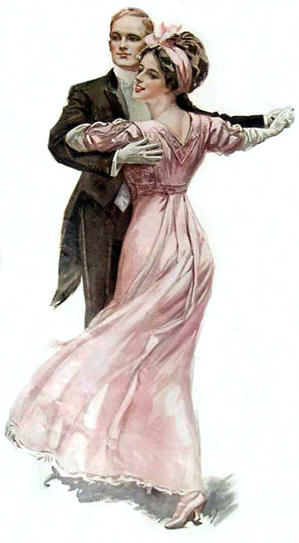
Isabella Alden has a new Pinterest board for you to view: Vintage Advertising is a collection of trade cards, magazine ads, and newspaper advertisements for products that were available to consumers during the years Isabella wrote and published her books.
Many of the advertising images date from the 1890s to the 1920s. Some feature simple illustrations (like the 1916 Cuticura Soap magazine ad above), while others are colorful, detailed works of art.
Altogether, they provide a glimpse into what life was like for Isabella Alden and the characters she brought to life in her books.
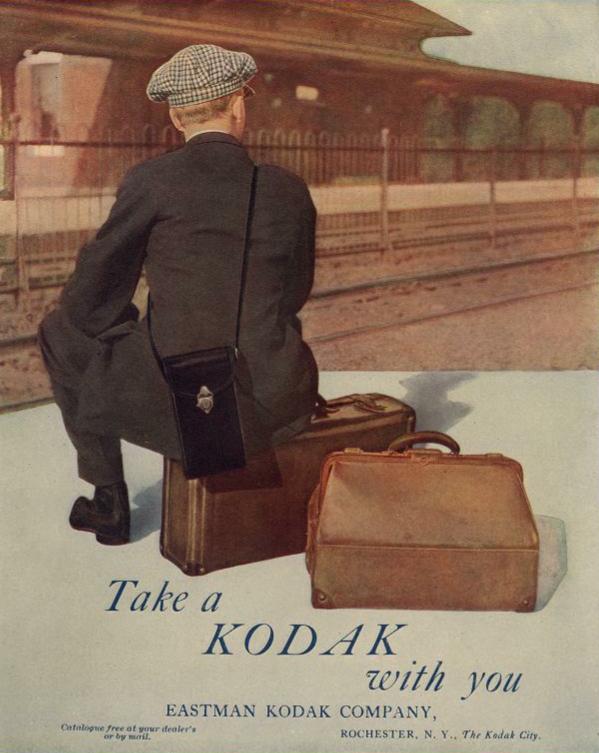
This early Kodak magazine ad from 1916 was one of the first of its kind to be printed in color.
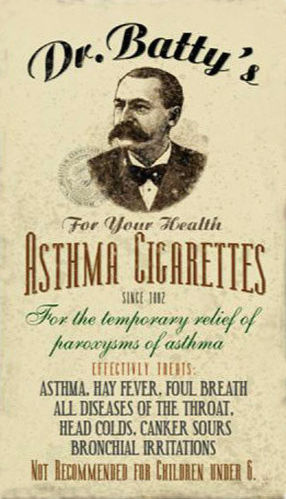
The trade card below for Dr. Batty’s Asthma Cigarettes harkens back to a time when people believed smoking cigarettes could cure asthma. Interestingly, the trade card suggests children under the age of 6 should not smoke the cigarettes (suggesting that children as young as age 7 could!).
Please stop by Isabella’s new Pinterest page. New images are added frequently so be sure to follow her board or visit often.
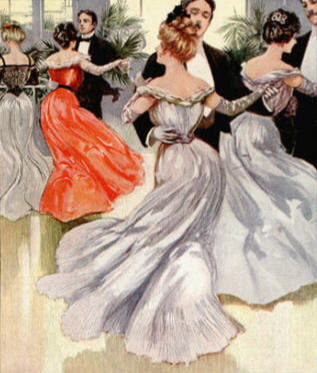
Isabella Alden’s 1899 novel, A Modern Sacrifice, is about Kissie Gordon, the daughter of a minister, who had been raised to live according to the Bible’s teachings. But when Kissie’s father dies, she and her mother move to the city, where Kissie is quickly sucked into a whirl of social pleasures she’s never known before. Soon her world revolves around dancing and parties and playing cards.
Isabella wrote the story at a time when most Christian denominations denounced or forbad dancing of any kind. Ministers preached against dancing and wrote tracts about the hidden evils of dance.
Isabella referred to those tracts in A Modern Sacrifice. In the story, Kissie tries to convince her friends to give up dancing by loaning them a book that warns against the promiscuous influence dance can have on young people.
The idea that dancing was a gateway to promiscuity was not new. In his 1893 book Modern Dancing; in The Light of Scripture and Facts, the Reverend William W. Gardner warned that dancing “nourished passion and sensual desires” and “leads to the seduction and ruin of the innocent.”
That was pretty strong language for Victorian times; and in A Modern Sacrifice, the mothers of Kissie’s friends were offended that Kissie—a well-brought up young woman—would own a book that contained such vulgar terms.
Ministers who preached against dancing found an ally in the New York City Chief of Police, who reported that three fourths of the “abandoned girls of that city were ruined by dancing.” His simple statement was held up by clergymen as proof of a link between dancing and prostitution.
The waltz earned the most condemnation from churches. “It excites great physical intimacy among young men and young women, which should only exist between those whom wedlock has united,” declared Rev. A. B. Riker of the Fourth Street Methodist Church in his series of discourses condemning popular social pastimes.
Even the humble square dance was prohibited:
“The square dances create a taste for the round dances and, usually, if not invariably, lead to them. The step is so easily taken from apparently innocent dancing to that which is free, indecent, amorous and licentious, that a tender conscience will find it safest to reject all.”
Dr. Archibald Alexander
Professor, Princeton Theological Seminary
In A Modern Sacrifice Kissie Gordon finally comes to realize how far she has strayed from her upbringing; and once Kissie saves herself from society’s extravagances, she vows to try to save her friends, too, by organizing her own social event that soon has all of society talking.
You can read A Modern Sacrifice; the Story of Kissie Gordon’s Experiment for free. Click on the book cover to begin reading.
Would you like to read a popular 1893 tract on the perils of dance? Click here to read Modern Dancing; in the Light of Scripture and Facts by Rev. W. W. Gardner, D.D.
One of the interesting things about reading Isabella’s books is the window they give us into how people lived between 1870 and 1920. From fashion to modes of travel, Isabella’s stories chronicle how different her daily life was from our modern lives today.
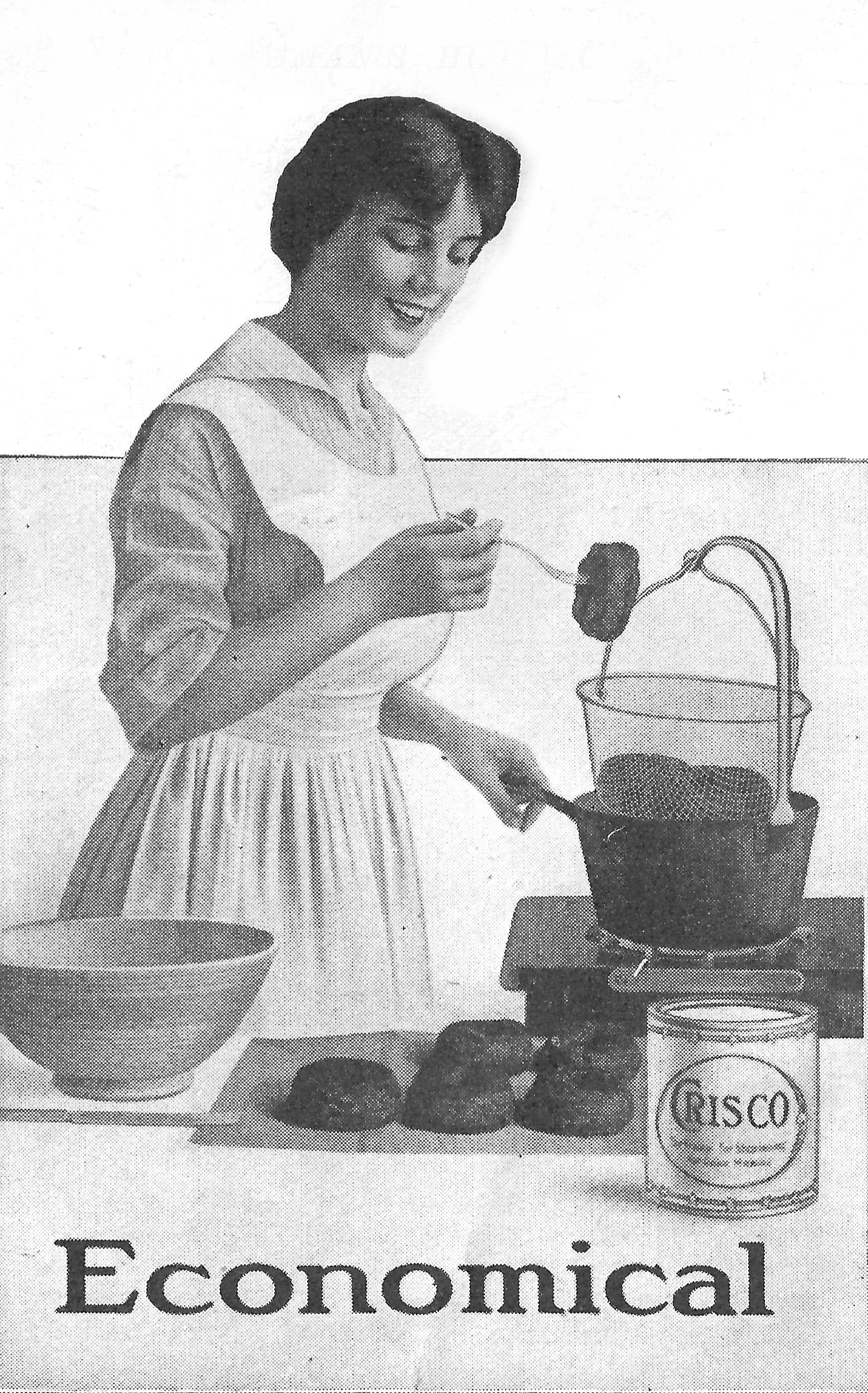
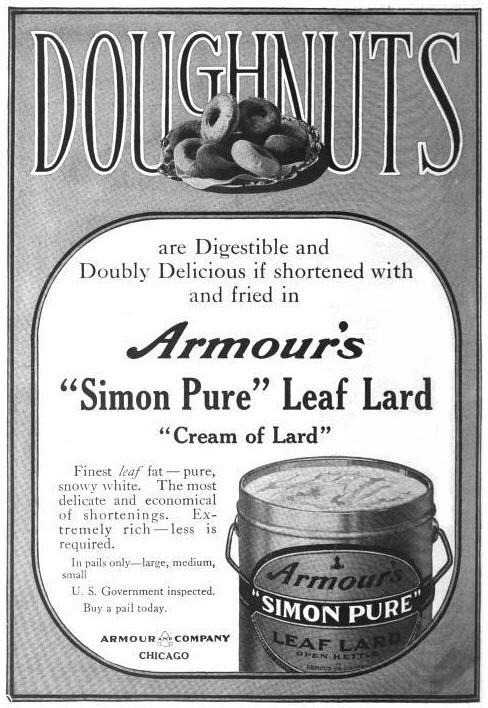
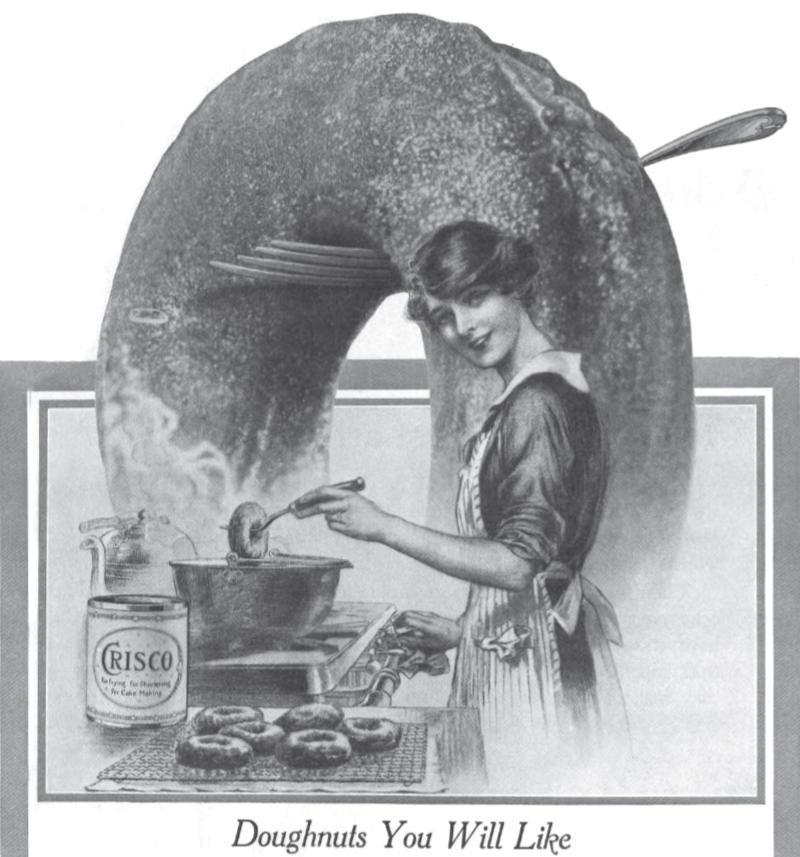
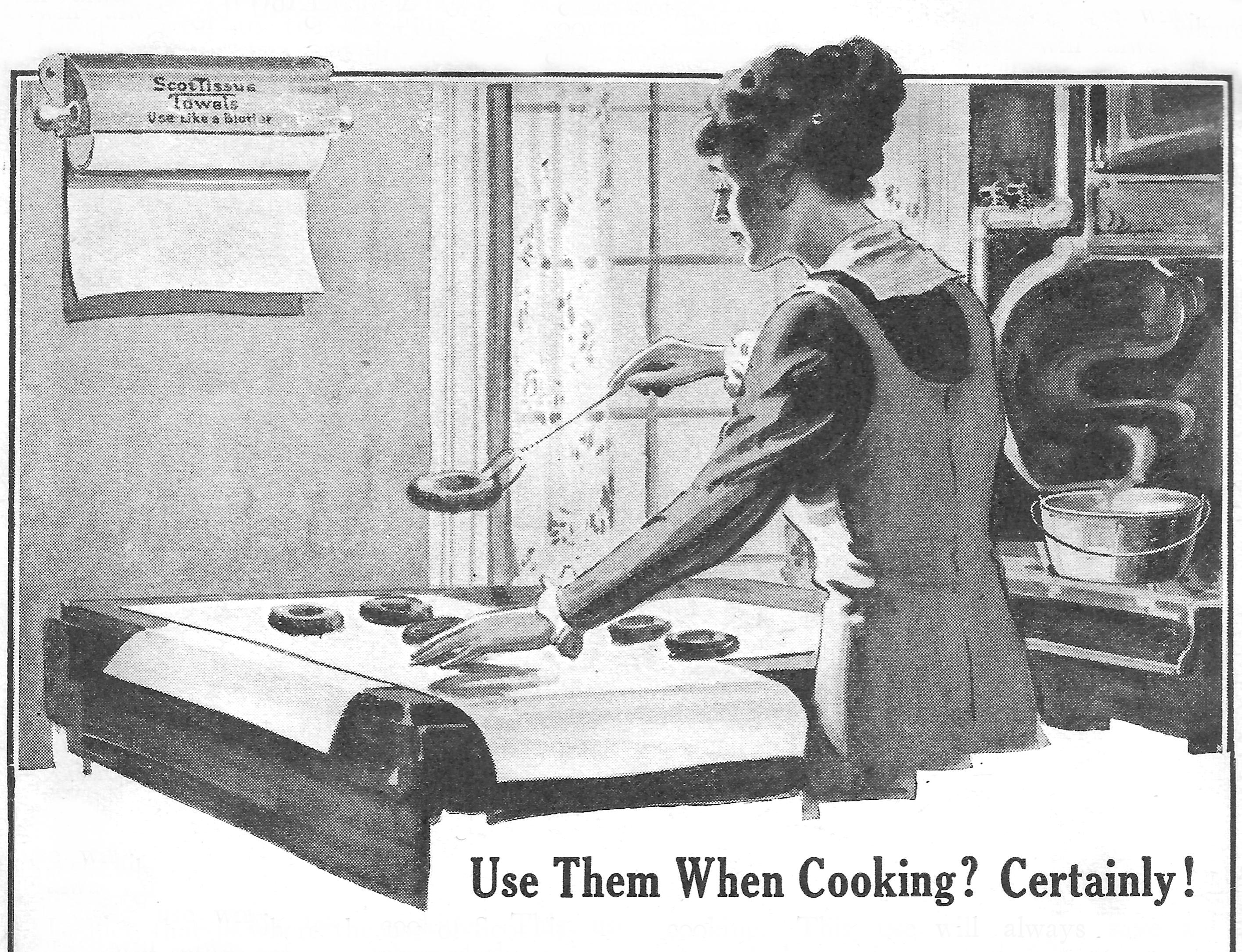
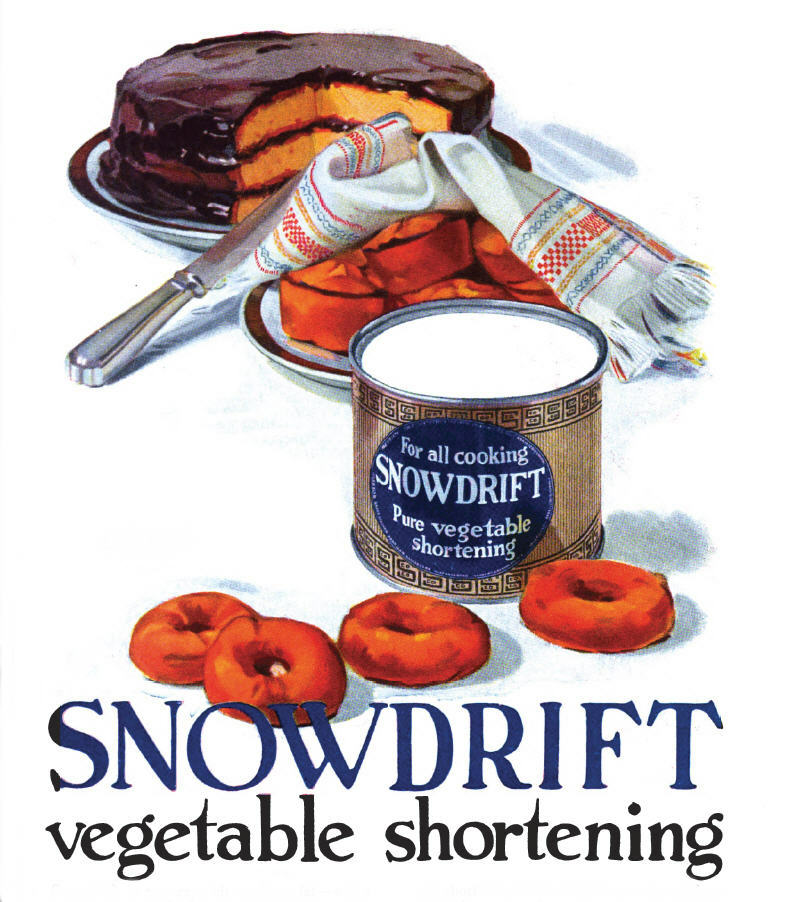
One noted difference is how people ate around the turn of the 20th Century. Back then meat, vegetables and potatoes were diet staples; and when one of those ingredients was lacking, people relied on affordable food, like johnny-cakes, to fill their stomachs. Sally Lunn cakes helped celebrate special occasions; but of all the foods that Isabella mentioned in her books, it was the humble doughnut that appeared on the menu most often.
Because they were small and easily transported, children took doughnuts to school for their noon meal. When Wayne Pierson took the job of teacher in a small town in By Way of the Wilderness, he toured the school-house and found it somewhat lacking:
He had taken in each dismal detail—the air of desolation, the hacked desks, the smoky walls, the grimy windows, and the indescribable odor adhering to an old schoolroom: odors made up of generations of lunches—bread-and-butter, and headcheese, pie, and doughnuts.
And in A New Graft on the Family Tree, a kind farmer’s wife fed wandering John Morgan breakfast, then gave him a pocket-full of doughnuts to take along on his journey.
Dusted with sugar, doughnuts were also served as a dessert.
In Christie’s Christmas, a generous farm family fed the passengers on the nearby stalled train with:
Bread and butter, piles of it; a soup-plate piled high with slices of ham, thin, and done to a crisp, and smelling, oh, so appetizing! Sheets of gingerbread, great squares of cheese, a bowl of doughnuts, another bowl of quince sauce, and a pail full of milk.
And in David Ransom’s Watch, Hannah Sterns served the neighborhood boys’ literary club “doughnuts, or cookies, or seed cakes, or the ever popular tea-cakes. Scarcely a meeting of the club that winter but some dainty was offered in Harlan’s name in the way of refreshment.”
At Ermina’s wedding in Household Puzzles, the family couldn’t afford to serve cake, but they had doughnuts and “delicious coffee to drink with them.”
Today we think of doughnuts as a breakfast food for the most part, but in Isabella’s time, doughnuts—from humble and plain to cake-like confections—were served with almost any meal.
You can read previous posts about other food items mentioned in Isabella’s books:
You will never cure your brother of his errors by sneering at him. If he is ignorant, he needs to be dealt with patiently. If he is willfully wrong, kindness and prayer will better suit his case.
Did you notice that rose-vine at the east end of the front porch putting out new branches all over it? It will be full of roses pretty soon. That vine has been the wonder of the neighborhood for ten years.
Now suppose I never watered it, or fed it with good rich earth from the woods, or dug about it, what a stunted, sickly thing it would have been!
You have to take care of everything that’s worth having in this world. Love will die from neglect and abuse as quick as a rose-bush.
One of the most interesting features of The Pansy magazine was the way it promoted The Pansy Society. Isabella Alden organized The Pansy Society as a children’s version of the Christian Endeavor program that had taken teens and young adults by storm in the 1880s.
Logo for The Pansy Society of Christian Endeavor
Through stories and articles in The Pansy, Isabella encouraged young children to join The Pansy Society. Members of the Society had their own pledge:
Asking Jesus to help me, I promise to try to overcome the fault which oftenest tempts me to do wrong. This fault is _______.
Thousands of children filled in the blank for themselves, thereby pledging to harness their temper, obey their parents, be patient, read their Bible, or say only kind words.
Isabella encouraged children to use The Pansy Society “whisper motto” whenever they needed help controlling their fault:
I will do it for Jesus’ sake.
Thousands of children wrote to tell Isabella they whispered “For Jesus’ sake” regularly to keep them on the right path.
Pansy Society badge. (Rollins College Archives)
Every child who joined The Pansy Society received a membership card, personally signed by Isabella, and a badge to wear.
Isabella encouraged Pansy Society members (she often called them Pansies or Blossoms) to find other members in their neighborhood, and hold meetings to encourage each other in overcoming their faults and doing good for Jesus’ sake.
Isabella’s brother-in-law Charles Livingston (Grace Livingston Hill’s father) wrote a novel called The Poplar Street Pansy Society that told the story of the good accomplished by children who formed their own local Pansy Society.
A local Pansy Society band
Many children wrote to Isabella about their struggles to honor their Pansy Society pledge, and others wrote of their triumphs. She received hundreds of letters every month and answered every one. Many were published in The Pansy magazine, like these:
Dear Pansy: I live in Winona, Minn., and I have heard little girls grumble because they don’t live in a big city, but that is not right. I give my old Pansy books to a poor little girl across the street. She is sick, and she is trying to be a Christian; I will help her all I can. Eleanor Calvery
Dear Pansy: We have a little sister younger than ourselves, and she gives away sometimes to fits of temper, and says little naughty words, but since she has seen our badges, and has been told that we are going to try to be good boys, she begs to wear a badge, and says she wants to be good, too. Mamma asked her to say the pledge after her this morning, and she said it so sweetly. “I will do all the dood I tan.” Won’t you please enroll her and send her a badge, too? Her name is Vivian Allen. Harry L. A. Allen
Dear Pansy: Your Pansy magazine has helped me to lead a Christian life. Mamma likes to have sister Ruthanna and me help her about the house, and I do not enjoy it very much, so I nearly always grumble and try to get out of it. So I will try to overcome this, with Jesus’ help, and do my work cheerfully. Clara A. Simms.
Helping Mother
Parents wrote letters, too, sharing stories of changes in their children’s behavior, all due to their child’s membership in The Pansy Society.
In return, Isabella wrote stories to help children remember their pledge, and to encourage them to take their troubles to Jesus. For example, “Polly’s Short Journey” appeared in an 1888 issue of The Pansy, and teaches children to appreciate what they have. You can read the story here:
Polly’s Short Journey
It was rather a sour-faced little maid who got on the train by herself at Glenburn station. She had on a brown suit, brown hat and gloves, and carried a brown basket. But she didn’t look half so pleased as you would expect a little brown sparrow of a girl to be when she was going on a journey in a nice plush-lined car, through a beautiful country.
The car was very full, and Polly Imboden flopped herself down in the first seat she came to, which was occupied by a sweet-looking old lady in Quaker bonnet and gown. The Friend eyed her with quiet amusement, and presently asked gently:
“Is thee going far today?”
“Only to Midvale,” answered the little traveler shortly.
“Then thee will not have time to grow tired; but I am going a thousand miles.”
“A thousand miles!” exclaimed Polly; and as soon as she forgot herself and began to be interested in somebody else, the ugly look took itself off somewhere, and you began to see that Polly had a sweet, bright face, and actually two dimples.
Her companion soon found out that Polly was pouting because her mother had gone to Philadelphia, and instead of taking her, had sent her to Midvale to stay with Aunt Mary. Mother did not seem to be to blame, as there was fear of scarlet fever in the square to which she was going, but that did not keep Polly from being cross about it.
“This is a patience lesson set thee, child,” said the old Friend. “There are many more for thee to learn, but if thee skip this one, the next will be harder.”
But Polly wasn’t listening to this little sermon. To her surprise there were rows upon rows of little boys and girls about her own age in the car.
“Is thee looking at my children?” said the old lady, smiling. “They are going with me on that long thousand miles to find homes in the West.”
“Aren’t they coming back to their fathers and mothers?” asked Polly, her lips beginning to tremble a little.
“They have no fathers and mothers on earth,” answered the friend, “but their Heavenly Father takes care of them.”
The tears were beginning to run down Polly’s cheeks at the thought of all that these little children had to do without.
The Friend laid her hand lightly on the little brown-gloved fingers. “Has thee ever seen a lesson-book?” she asked.
“Yes, ma’am,” answered Polly, in surprise.
“What are the pictures for?”
“Why,” said Polly, still more surprised, “why, to show things.”
“Yes, that is it. Now, the great Teacher wants my little friend to be contented with her lot, to be so glad she has a dear mother and father and home, and friends to take care of her, but she wasn’t learning that lesson very fast, so he puts her on this train for a journey, and shows her all these little ones who have to do without these blessings. Will this picture make thee learn faster?”
Polly pulled out her handkerchief and scrubbed away at the tear drops. “I’d like to give one of them my basket. It’s got a lot of good things that mother put in it for me.”
“Thee will have to hurry, then,” said the Friend, well pleased, “for Midvale is in full sight.”
Hastily, Polly slipped off the plush seat, and picking out a pale, grave-looking child, she put the heavy basket in her hand, smiled a good-bye under the Quaker bonnet of the old lady, and here was Midvale.
And for a long time to come, when mother felt Polly’s arm close on her so tight that she could hardly breathe, she knew she was thinking about the old Friend, and her rows and rows of motherless children.
All of the black and white illustrations in this post came from original issues of The Pansy magazine.
For over twenty years Isabella Alden and her husband edited a children’s magazine called The Pansy.
Each issue was filled with inspiring stories, delightful illustrations, short poems, and descriptions of exotic and far-away places to spark children’s imaginations. Published by D. Lothrop and Company of Boston, the magazine was first produced as a weekly publication, and later changed to a monthly.
Editing and writing for the magazine was no easy undertaking and Isabella’s entire family pitched in to help.
Pick up any issue of The Pansy and you’ll find stories by Isabella’s sisters, Julia Macdonald and Marcia Livingston, or her best friend, Theodosia Foster (writing as Faye Huntington).
Margaret Sidney, famous for the Five Little Peppers books for children, published some of her books as serials in The Pansy, as did author Ruth Ogden. Even Isabella’s brother-in-law Charles and beloved niece Grace Livingston (before her marriage to Reverend Frank Hill) contributed stories.
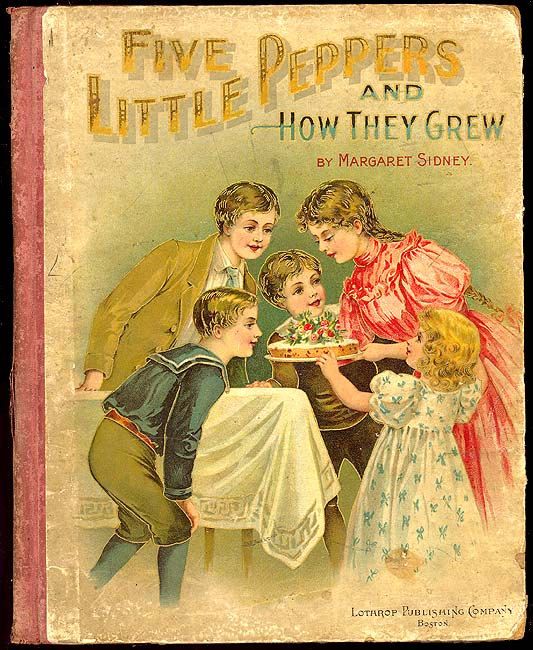
The 1881 cover of The Five Little Peppers and How They Grew by Margaret Sidney
Isabella’s son Raymond wrote poems, and her husband Reverend Gustavus “Ross” Alden contributed stories and short homilies like this one:
Sometimes, the family banded together to write stories for the magazine. In 1886 each family member—Isabella, Ross, Marcia, Grace, Raymond, Theodosia, and Charles—took a turn writing a chapter of a serial story titled “A Sevenfold Trouble.” In 1887 they continued their collaboration by writing a sequel titled, “Up Garret,” with each writer again producing a different chapter. In 1889 the combined stories were published as a book titled A Sevenfold Trouble.
An original illustration for A Sevenfold Trouble, published as an 1887 serial in The Pansy.
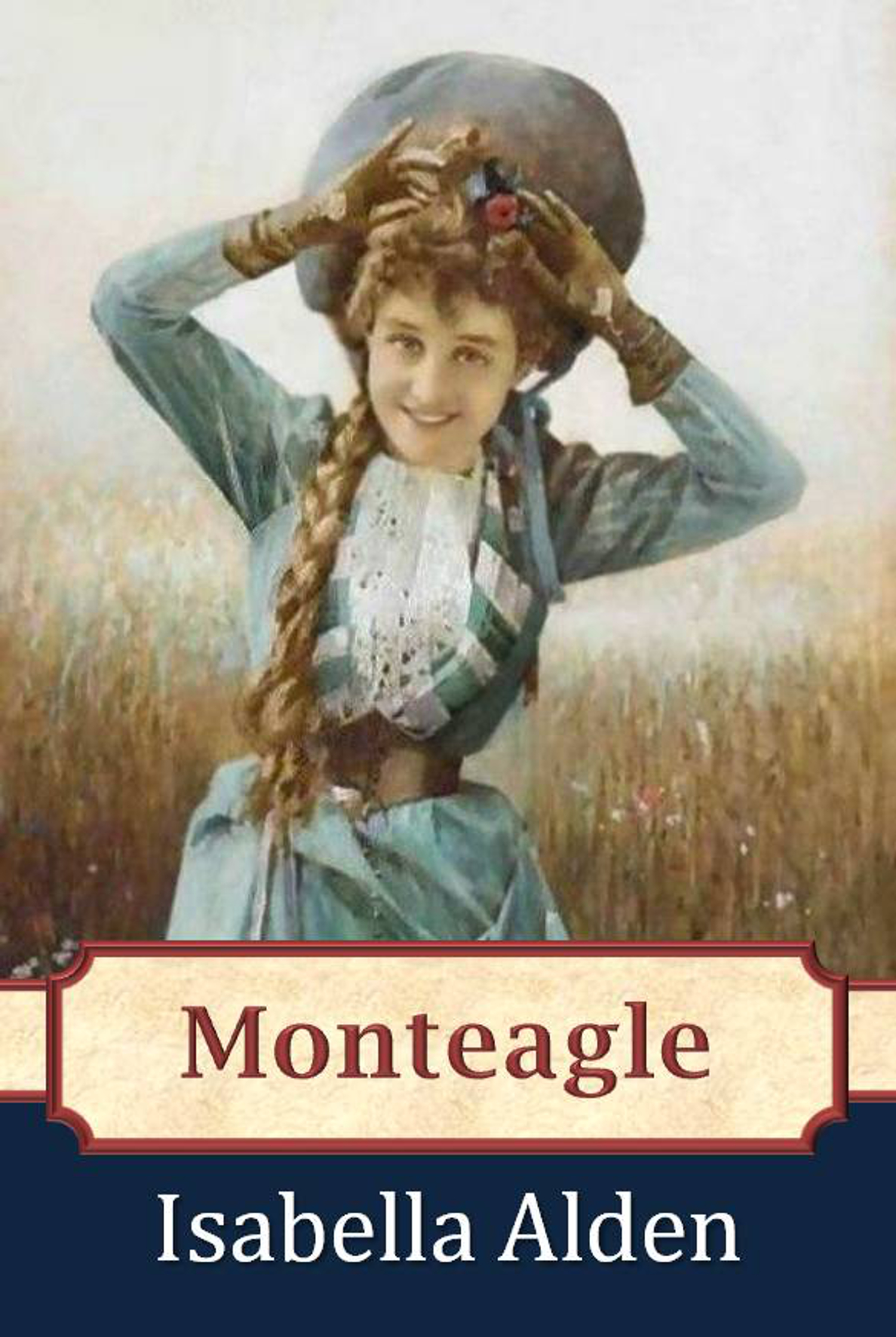
Isabella also previewed some of her own books by publishing them as serial stories in the magazine. Monteagle and A Dozen of Them first captured readers’ hearts in the pages of The Pansy.
The magazine was a resounding success. Thousands of boys and girls from around the world subscribed. Many children grew to adulthood reading the magazine, as Isabella remained at the helm of The Pansy for over 23 years.
In a newspaper interview, Isabella once confided her method for coping with troubling events that upset her:
Whenever things went wrong, I went home and wrote a book about it.
Many of the trials she weathered in real life ended up as turning points for characters in her books. One such situation occurred when Isabella was a young bride and was working hard to make a good impression on her husband’s new congregation.
About a week after she and her husband arrived at a new church where he was to minister, Isabella received a gift from a member of the congregation. It was a “pitiful little bonnet,” clearly made out of the sleeve of an old brown dress. Whoever fashioned it had not tried to hide the wrinkles and pin holes still visible from the bonnet’s former life as a dress.
“In my ignorance [I supposed] it to be a love-gift from some dear old poverty-stricken soul.”
So Isabella, filled with gratitude, wore the unattractive bonnet to church the very next Sunday. There she discovered the truth: the person who made the hat and gave it to Isabella was the wealthiest woman in town. She’d sent it to Isabella because she deemed Isabella’s own bonnet was “too gay for a minister’s wife!”
It was a stinging insult, and, like she always did, Isabella used her pen to write about it in her novel, Aunt Hannah and Martha and John.
In the book, Martha Remington was, like Isabella, the newly-wed wife of a new minister. And Martha, too, received a gift from a wealthy lady in the congregation.
When the bandbox was opened, she struggled with her inward conviction that she ought to feel grateful. Therein lay a bonnet—a very remarkable one. It was made of mixed green and black silk, shirred after the fashion of our grandmothers. Some of the shirrs had been laid in the old creases, and some had not. Between every third row came an obstinate crease, made in the times when the silk did duty as a dress sleeve—a crease that refused to be covered with stitches, or ironed out, but told its tale of “second-hand” as plainly as though it had a tongue.
Poor Martha thought the black and green bonnet was “grotesque,” and she didn’t know whether to laugh or cry when she looked at it. But she did know one thing: she would not wear it to church!
As the story progressed, one of the ladies who created the ugly bonnet confronted Martha on Sunday after church, and added further insult to injury by demanding to know why Martha was still wearing her usual hat, instead of the gift the ladies had sent. Martha’s reply was friendly, but dignified—a response that was much different than Isabella’s reaction had been in real life.
Isabella later said that writing about the bonnet helped heal the woman’s hurtful actions, and, eventually, she was able to look back on it all with humor … possibly because writing about the woman’s insult really did help her see the whole incident in a more forgiving light.
You can read more about Martha and the “grotesque” bonnet in Aunt Hannah and Martha and John. The book also contains a few more examples of awkward situations Isabella encountered in her years as a minister’s wife. Click on the book cover to learn more.
Reviews and giveaways for Christian fiction and sweet, clean fiction. Bringing readers information on great stories and connecting authors with their readers.