It’s difficult to describe how incredibly popular The Pansy magazine was. As the editor, Isabella received hundreds of letters every month from parents and children. Sometimes they wrote in response to a question Isabella posed in an article or story. Sometimes children wrote stories of their own and sent them to Isabella for her feedback.
Other times children confided their problems to Isabella and asked for her advice; others simply wrote to tell Isabella about their day.
In 1891 a little girl named Ida White wrote a letter about her family and home life that Isabella found so charming, she published the entire letter in The Pansy magazine for all her readers to see. Here is Ida’s letter.
Dear Pansy:
My hair has grown out in curls about three inches long all about my face and neck.
We have a little baby at our house, which we call Blue-eyed Pansy. His name is George Washington.
Both of my little brothers are tongue-tied, and have two toes on the same foot, grown together. They are as much alike as twins could be, only one is nine years, and the other three months old. Mamma took him to church last Sunday and he squealed; she took him out in the hall, and he squealed there; then she took him out in the yard, and gave him a roll on the grass. He cannot talk, but he has heard the word “look” so much, that he tries to say it, or seems to.
We have a little dog named “Tip.” He is about the size (and my sister thinks he is almost as sweet) as a pound of yellow sugar. We have four little kittens; their names are Adams, Lincoln, Jefferson, and Grant. We live on a farm in a two-story house, a mile and a half west of the village. We have two hundred little chickens.
A little oriole built its nest on a tree in our front yard; then a cuckoo stole the nest, and they brought up their families together. We have pansies blooming on the north side of the house. We have flowers from March till frost; and plenty of beautiful little hummingbirds, and innumerable bumble-bees.
I have an uncle living in California that mamma and I never saw; when he comes to see us, I will tell you about California. I would like to go to New York, and to Niagara Falls, and to see the ocean.
I think it is real good and kind of you to read other people’s children’s scratching, and give them a chance to write; and I love you for it. I hope your Ray will live till he is a man, for I think he will be a good and benevolent gentleman. You may publish my letter if you want to.
Good-by, Ida White.
In the last paragraph of her letter, Ida mentioned Isabella’s son “Ray.” At the time, Raymond Alden was three years old and the apple of Isabella’s eye. She often shared little stories in the magazine about his antics and mentioned him when she replied to children’s letters (“No, we haven’t any dog; but our Ray, whenever we ask him what he would like to have for a birthday present, says, “A big, black dog.”).
By all accounts, Ida’s wish came true, for Raymond Alden grew up to be a well-loved, well-respected and extremely “benevolent gentleman.”
This is the second of two posts about Isabella’s most difficult year. If you missed the first post, you can read it here.
In the spring and summer months of 1924, Isabella and her family carried on without her beloved husband, Ross, who died in March of that year.
The influenza epidemic that precipitated Rev. Alden’s death had waned, but there were still reported cases as late as the summer of 1924. That’s when Isabella’s sister Marcia fell ill.
Marcia Livingston
Again a doctor was called to the house in Swarthmore to treat her, but the virus had weakened her heart. On August 7, Marcia succumbed to myocarditis, a rare but serious condition that causes inflammation of the heart muscle.
It had to have been a devastating blow to Isabella. For their entire lives, she and Marcia had been close. Marcia was the sister who tended Isabella when she was young, who watched over her when she was ill, and prayed that Isabella would choose Christ as her Saviour (you can read more about that here). Marcia helped introduced Isabella to her husband Ross; and after Isabella married, the Livingstons and the Aldens shared a home in Florida, and lived as neighbors at Chautauqua. They were as close as sisters could be.
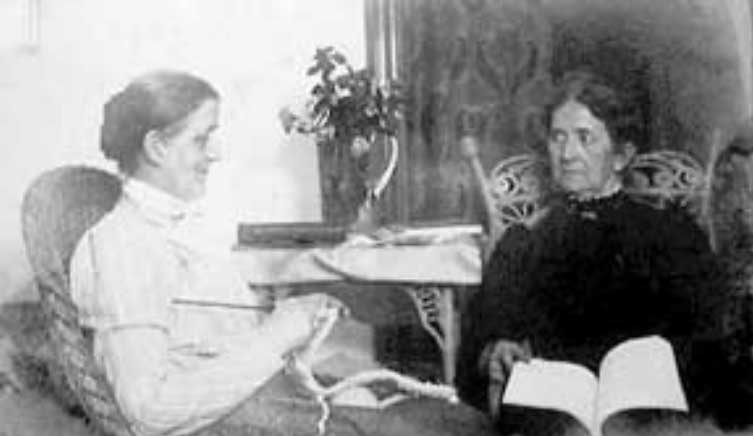
Isabella Alden (left) and her sister Marcia Livingston (courtesy Daena Creel).
Isabella wrote:
I held the dear hand of my one remaining sister Marcia all that day, and prayed for one more clasp of it, one look of recognition, all in vain. She went, as did my dear husband, without a word or look.
Marcia was laid to rest in Johnstown, New York; that was where Marcia and Isabella grew up, and where Marcia met her husband Charles (you can read more about that here). Her grave is beside Charles’ grave and the grave of their infant son Percy.
Marcia Macdonald Livingston’s grave marker in the Johnstown Cemetery.
Although there’s no known record of it, Isabella, Grace, and other family members may have traveled to New York for the interment. If they did make the journey, it’s probable that Isabella’s son Raymond did not accompany them.
By the time Marcia died, Raymond was receiving medical care in Philadelphia for a chronic condition. All his life Raymond endured a painful form of eczema that caused open sores and blisters, leaving him prone to infection. In May of 1924, Raymond’s condition became worse, and he began to regularly see a doctor in Philadelphia.
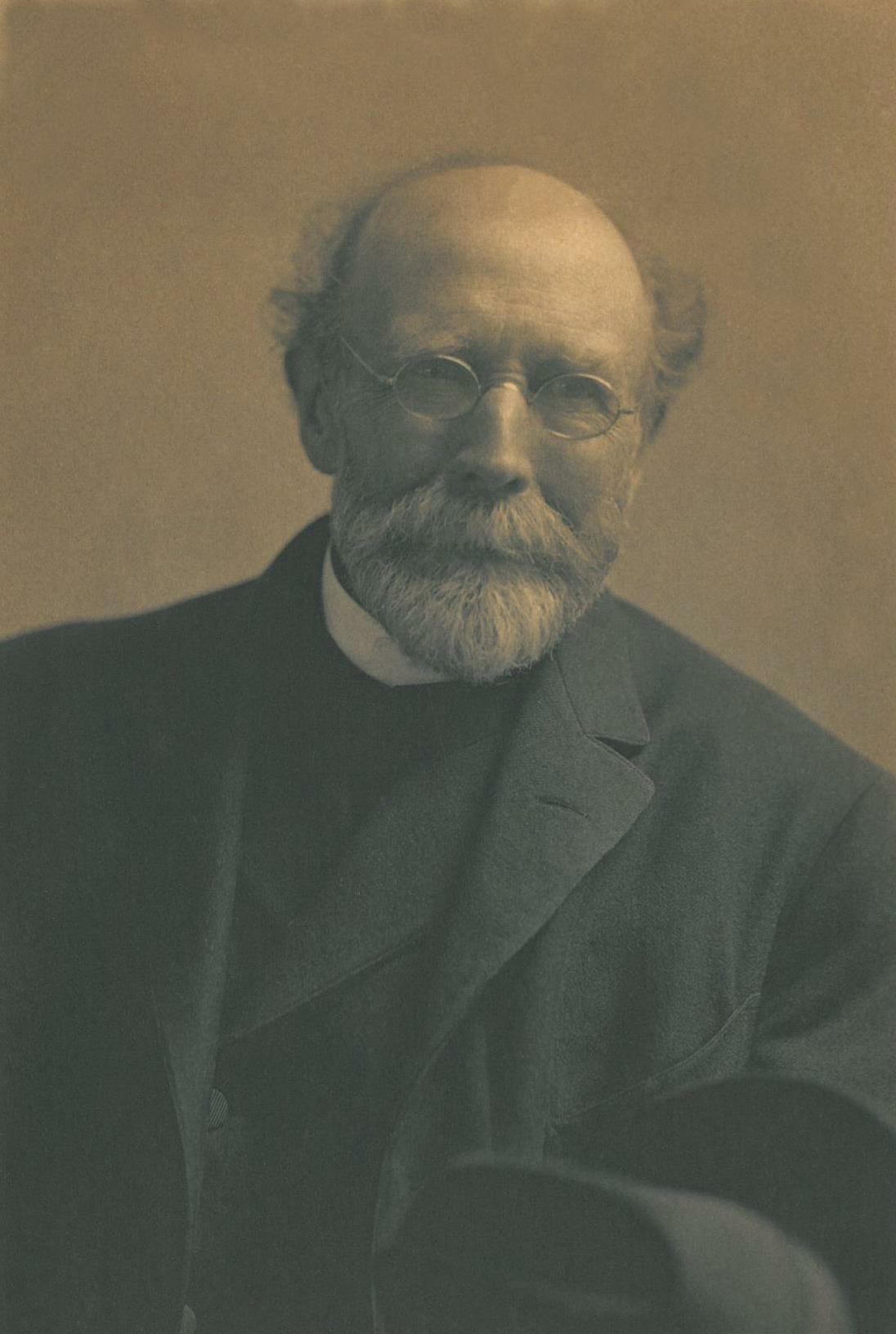
Raymond Alden, from the Stanford University 1923 Yearbook.
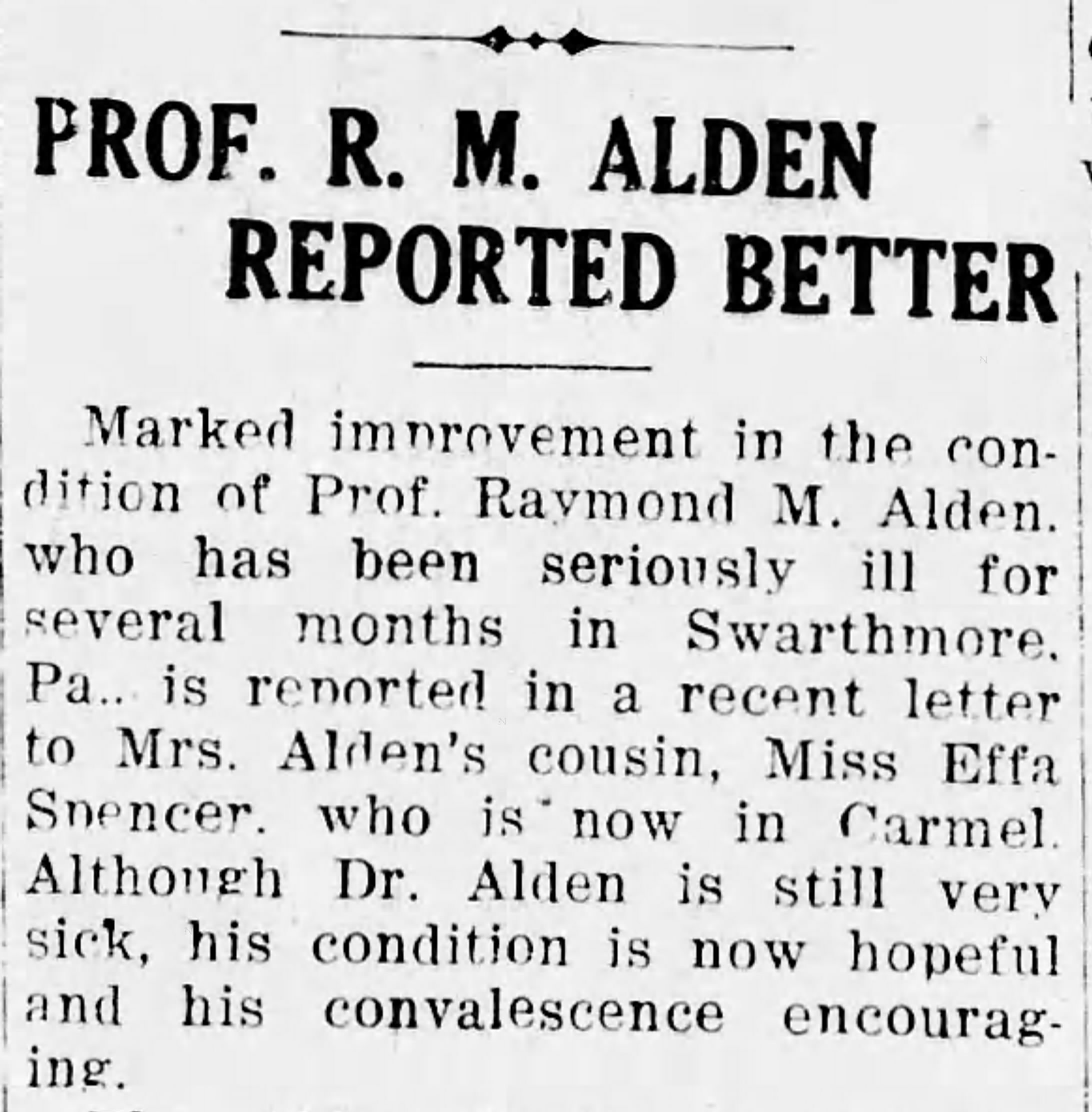
By July Raymond’s wife Barbara wrote to her cousin about Raymond’s health, saying that although he was still very sick, he had shown “marked improvement.”
From The Peninsula Times Tribune, July 15, 1924.
But his improvement was short-lived. By September Raymond was suffering from an infection and, possibly, from an allergic reaction to medications he was given.
On September 27, less than two months after the death of his aunt, Raymond Alden died. Isabella was with him at the end.
“Mamma, fan me!” was the quick eager word my dear boy said, and the next minute he was gone.
Grace later wrote:
My saintly uncle went first, then my precious mother, and then my brilliant cousin, Dr. Raymond M. Alden. One blow after another that nearly crushed us all.
The family held a private funeral service for Raymond in Philadelphia; then it was time for the Aldens to leave Swarthmore and return to their Palo Alto home. Grace described it this way:
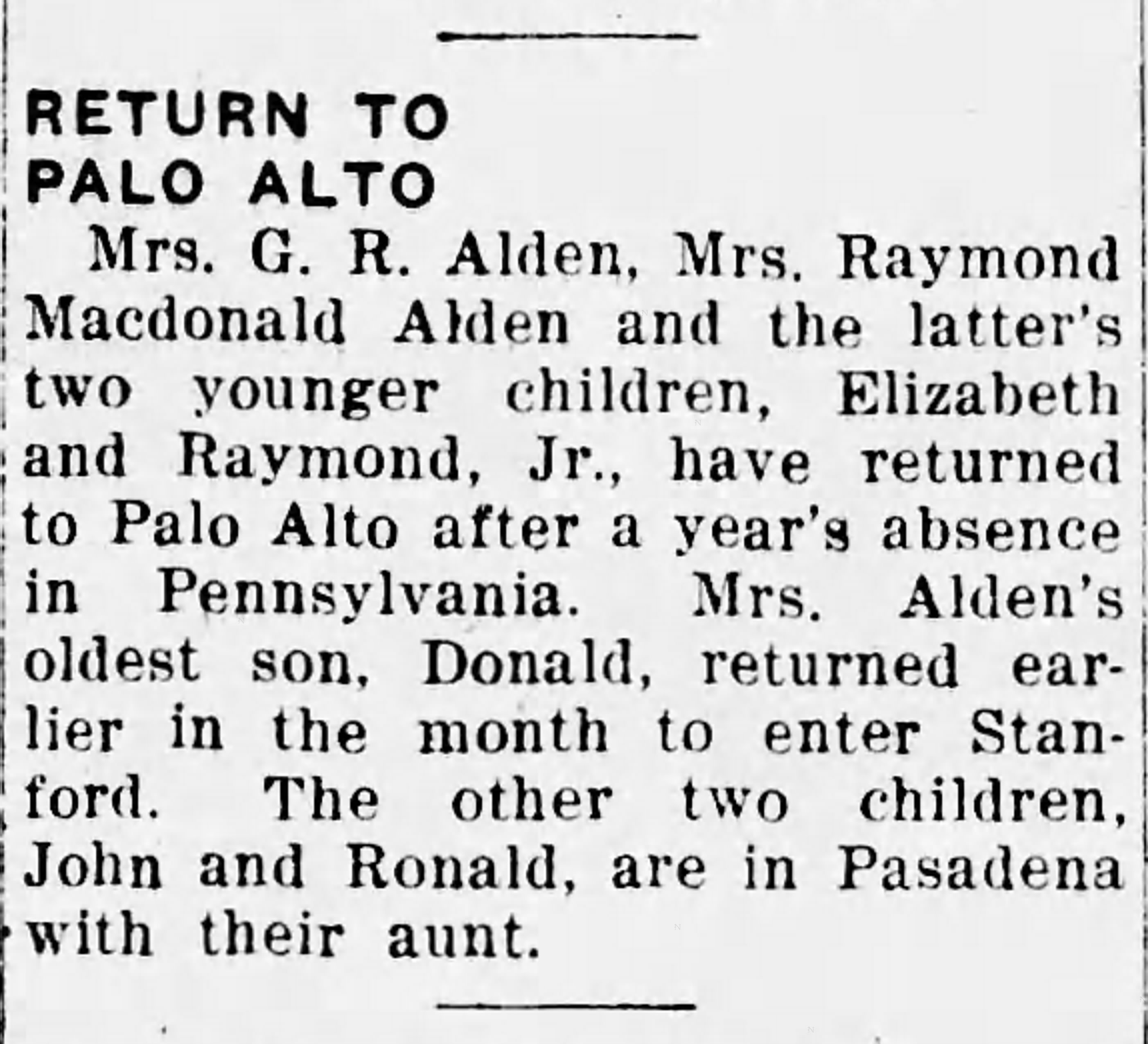
Then my dear aunt, courageous and wonderful through it all, went back to her California home with her brave daughter-in-law, and her five grandchildren.
From The Peninsula Times Tribune, October 18, 1924.
There must have been times when Isabella felt the acute loneliness of losing the three most important people in her life. She once wrote to Grace:
There is no one in all the world who needs me any more. I’m too old to help anybody in any way, and too weak to be anything but a burden to those who have already more than they can bear. Why can’t I go now to my eternal rest? Does it seem to you wrong to pray for this?
There were other times when she spoke of the many family members who had died over the years, and asked impishly, “What do they think of us all by this time? Do they meet together and talk us all over?” She thought often of the loved ones who had “gone ahead” and wrote to Grace:
Sometimes I have to put my hands over my eyes in the darkness and say: “Casting all—All—ALL your care upon Him.” Oh, why doesn’t He take me home?”
But God did not call her home. Isabella lived with Barbara and her grandchildren in the house she and Ross built on Embarcadero Road in Palo Alto for another six years.
Barbara Hitt Alden, about 1910
By all accounts, Barbara was loving and kind and “more than a daughter” to Isabella. And despite Isabella’s belief that she was “too weak to be anything but a burden” to Barbara, she would soon find that her work on Earth was not done, and that she had one last novel to write before she would be called Home to her Saviour.
On the surface, it may seem that Isabella led a charmed life. Her husband was beloved a minister and a leader in the Presbyterian Church.
Gustavus “Ross” Alden in later years (about 1912)
Her son Raymond was a talented writer, a beloved teacher, and an esteemed academic.
Isabella Alden, about 1895.
Isabella, herself, had been a successful author for decades, as well as an influential editor of various Christian magazines for young people and adults.
With so many proud accomplishments in her life, it’s hard to remember that Isabella had her share of heartache and loss.
Some of those losses were made all the more difficult because they occurred almost in a back-to-back fashion during one six-month period in her life. And it happened one-hundred years ago.
The year 1924 began on a positive note for the entire Alden family. Isabella’s son Raymond—who was head of the English Department at Stanford University in California—was on sabbatical so he could teach courses at Columbia University in New York. It was an exciting career opportunity for Raymond.
Undated photo of Raymond Macdonald Alden.
His topics during that Spring Session at Columbia were:
English Literature from 1780 to 1830.
Shakespeare
Versification
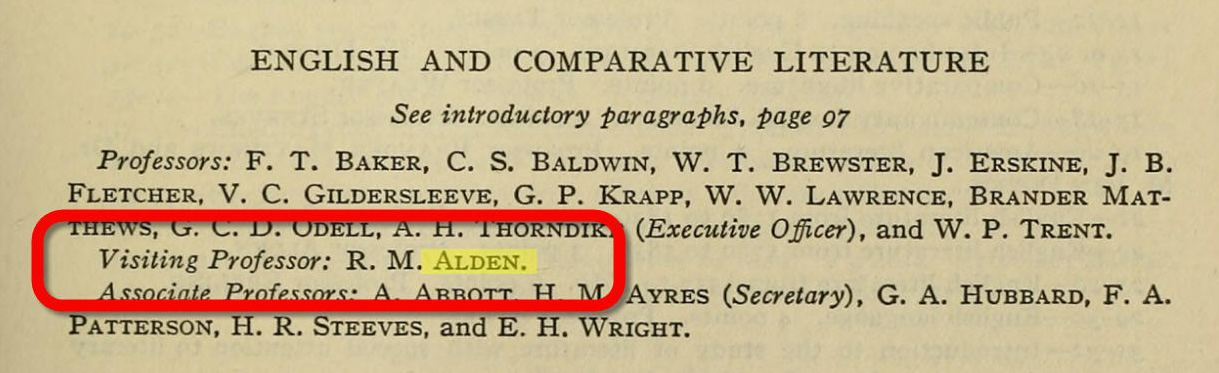
Raymond Alden listed as a Visiting Professor in the English and Comparative Literature department, Columbia Course Catalog for 1923-1924.
Raymond, his wife Barbara, and their five children (ages 2 to 14) made the move east together and rented a home within an easy commute to Columbia’s campus.
Barbara Hitt Alden, in her early twenties.
Isabella and her husband Ross went, too. Ross was 92 years old and had been officially retired from the ministry for some time, but he still enjoyed excellent health and a quick wit and intellect. Isabella was still writing novels, but she too had “retired” and had adopted a much slower pace when it came to her work.
Isabella and Ross moved into the Swarthmore, Pennsylvania home of Isabella’s sister Marcia Livingston and niece Grace Livingston Hill. Grace often described Marcia and Isabella as “inseparable” sisters, and for the majority of their lives, the Aldens and the Livingstons spent much of their time together.
It was while the Aldens were staying with Marcia and Grace in Swarthmore in the spring of 1924 that tragedy struck.
Grace Livingston Hill’s Home, Swarthmore, PA.
At that time Philadelphia was dealing with an influenza epidemic. The particular strain that prevailed during the spring of 1924 often caused pneumonia.
From The Philadelphia Inquirer, February 18, 1924.
Unfortunately, antibiotics like penicillin and sulfonamides were not as widely available as they are today; so doctors could offer little in the way of treatment for pneumonia, beyond recommending bed rest, and drinking fluids. Almost every day newspapers reported new outbreaks of the influenza virus, as well as the number of deaths, and it often seemed as if no one was safe.
From The Philadelphia Inquirer, March 1, 1924.
Health officials warned that a common cold or a mild case of the flu could quickly turn into a deadly case of pneumonia. Unfortunately, that is exactly what happened to Rev. Alden. At ninety-two years of age he was particularly susceptible to pneumonia, and although the family brought in a physician in to treat him, he died on March 29, 1924.
From The Peninsula Times Tribune, April 14, 1924.
His death was reported in newspapers across the country and the tributes and remembrances came pouring in. People wrote about their memories of when he was their church minister. They related the anecdotes he used to illustrate his sermons and teachings; and they mentioned the close friendships they formed with him in the Sabbath School classes he taught.
Perhaps Isabella had a chance to read some of those tributes. And she no doubt relied upon her sister Marcia’s support, as well as the tender care that Raymond, Barbara and Grace would have provided.
Isabella made the decision to remain in Swarthmore until summer, so Raymond could fulfill his teaching responsibilities at Columbia. Then, the Alden family planned to travel together back to their home in Palo Alto, California, where Rev. Alden’s remains would be laid to rest.
In her remembrances of her uncle, Grace recalled a poem he wrote and had printed as a New Year greeting card. He sent the cards to the members of his Bible class the last winter he was with them before going to Swarthmore. It reads:
TODAY
We are living today—not tomorrow, For no morrow was ever yet seen; And for joy, or for pain, or for sorrow, Only yesterdays ever have been.
God gives us duties—just for today; And His strength He bestows by the hour, “Grace is sufficient” we still hear Him say, So we trust Him for wisdom and power.
And since today is all that He gives, Let us treasure the day as it stands. It matters, then, much how everyone lives For tomorrow God holds in His hands.
In 1876, when she was just thirty-five years old, Isabella presided over a very busy household.
Her husband Ross had just been given the ministry of a Presbyterian church in Cincinnati, Ohio.
At the same time Isabella’s writing career was in full swing. Not only was she publishing an average of three novels a year, she was also the editor and principal contributor to The Pansy magazine, which, at that time, was published once a month.
.
Her son Raymond (whom she lovingly called Ray) was just three years old. To round out the household, Isabella’s mother Myra, and Anna Alden, Ross’s daughter from his first marriage, were also living with them.
In those early days Isabella was very candid about sharing her family life with readers of The Pansy magazine. She often shared brief anecdotes about her life and, in particular, about her son Raymond.
Not only did her readers love those stories, they also came to feel they knew Raymond personally. They even sent him cards and small gifts in the mail.
Isabella had a special column in The Pansy called “Pansy’s Letter-Box” in which she thanked readers for all their letters, including those addressed to Raymond.
.
One of her 1876 entries in the column was to a reader named Ida, who must have sent Raymond a gift with her letter. Here’s Isabella’s reply:
.
Then in November of that same year, Isabella shared this story about Raymond and her mother Myra, who was living with them at the time:
Growls
Ray was at the piano playing a tune; that is, he was running his fingers up and down the keys, and making a discord that frightened even the cat. Grandma sat in the arm-chair, and was singing to Ray’s music. Between them both, it was as much as we could do to stay in the room. At last something about grandma attracted Ray’s attention; the music grew slower and softer, and he kept a steady gaze on grandma’s face. At last he stopped playing, and his shrill little voice rang out:
“Grandma, what makes you growl so?”
“Growl!” said grandma, a good deal astonished. “Why, child, I’m singing.”
“I know you are, grandma, but what makes you growl all the time?”
Grandma stopped to laugh. “Pretty compliment that is to my singing!” she said at last. “Here I have been doing my best, and he calls it growling.”
Ray shook himself impatiently. “I know singing, grandma, I don’t mean that. I mean those little growls all over your forehead? Just so they look!” And then the little morsel wrinkled up his fair white forehead till he looked like a scowling patriarch.
The mystery was solved. The child meant “scowls.” Grandma, rather unused to singing to a piano accompaniment, especially to so remarkable a one as that was, had wrinkled her forehead into rows and rows of frowns; a very unusual sight on her smooth kind face. No wonder Ray was astonished. Grandma never made “growls” at him. How long will it take him to get all the long and short words into his little brain? How is he going to know that “growls” and “scowls” are two very different things? Perhaps, after all, they are not so very different? It is surprising how often they are found together!
Although this blog is all about Isabella Alden, today we’re shining the spotlight on another member of the Alden family.
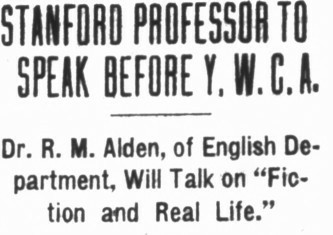
Isabella’s son, Raymond, was featured in an article that appeared 111 years ago in The San Jose Mercury News on February 3, 1909.
Unfortunately the type is difficult to read, so here’s a transcript of the article:
Tuesday, Feb 2
Dr. Raymond M. Alden, of the English department at Stanford University, will lecture on “Fiction and Real Life” at the Young Women’s Christian Association, Wednesday, Feb. 3rd, at 2 o’clock. The Association is to be congratulated upon securing such an eminent speaker for this culture lecture, and it is hoped that all lovers of literature will be present. Dr. Alden has had a really remarkable career, especially for a man not yet forty. His mother, Mrs. Isabella Alden, is a great favorite among juvenile readers, as the author of the “Pansy” books; and his father, Rev. Dr. G. R. Alden, is a divine of no little prominence.
Dr. Raymond Alden was graduated from the University of Pennsylvania, where he was afterwards assistant in English, and where he received his Ph.D. in 1898. He was also instructor in English literature at the Columbian [sic] University and at Harvard.
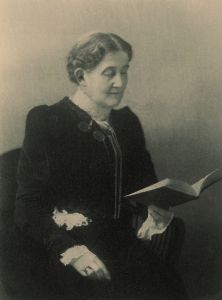
An undated photo of Raymond Macdonald Alden.
Amidst his busy life, R. Alden has found time to edit several text books, besides contributing to numerous magazines. “The Art of Debate,” is perhaps Dr. Alden’s best known book; it was produced since his coming to Stanford University.
It is needless to add that Dr. Alden is a universal favorite among university students, to whom he has greatly endeared himself not only because of his delightful personality, but because of his breadth of mind and scholarly attainments.
This lecture will be free to all members of the Association; non-members, ten cents admission. It will be given at rooms, 97 South First street.
p.s. Raymond was only 36 years old when this article was written!
When Isabella’s friend Frances Hawley wrote about the Aldens packing up their Chautauqua cottage, she ended her account by saying that the Aldens left for “a prolonged stay in the west.”
For Isabella and her family, “the west” meant California.
Their decision to make the journey had been in the works for some time. By autumn of 1901 the Aldens—Isabella, Ross, and their daughter Frances—were living in Philadelphia, and some key events had taken place in their lives:
Isabella’s husband Ross had retired from the ministry.
Isabella’s son Raymond had completed his Ph.D. at the University of Pennsylvania, and had already moved to Palo Alto, California
Isabella was beginning to feel the passage of time. She was about to turn 60 years old, and Ross was already 69.
Of her advancing age Isabella wrote:
I am really growing old very fast now, you know. It seems to me that I have changed a great deal lately. I cannot do anything as quickly as I once could and I tire very easily.
Their decision to retire to California was probably based on a number of things, the most important of which was that they had always been a tight-knit family; and with the exception of one or two short periods of time, they had always lived together as a family, too.
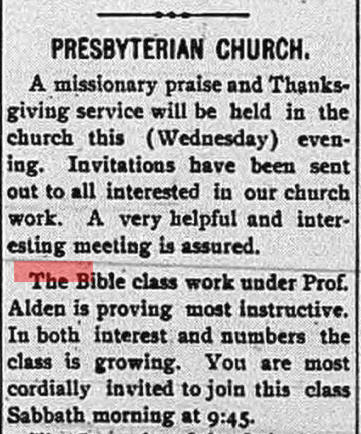
Since Raymond had already moved west, he might have written to them about California’s clean air and warm temperatures. And maybe he had written about the Presbyterian church he was attending and the welcome he received there. By November 1901 he was already teaching a Bible class at church.
From the Palo Alto Press, November 27, 1901.
A Cross-Country Trip
Whatever their reason for make a change, Isabella and Ross finished packing up their belongings at Chautauqua and immediately set out for California to join Raymond.
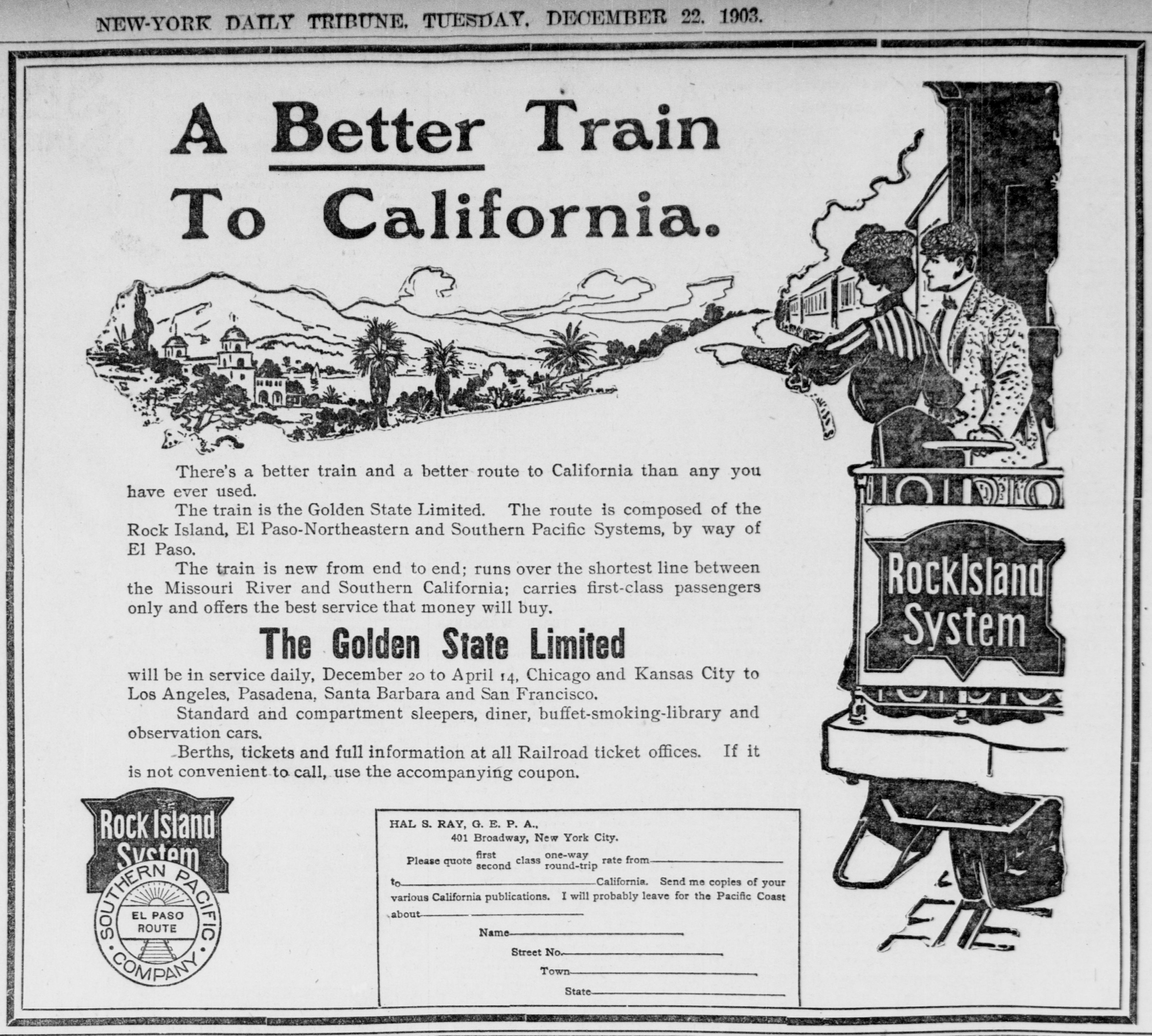
From the New York Daily Tribune, December 33, 1903.
The first leg of their journey was probably from New York to Chicago. If they took one of the many “express” or “limited” trains, they would have made the journey in about 24 hours. From there, they would have taken a train to California.
From the New York Tribune, December 8, 1903.
A “limited” train, like the one in the ad below, would have taken a direct route from Chicago to San Francisco, and would have made as few stops as possible, bypassing many of the towns on the route.
New York Tribune, April 24, 1902.
On a “limited” train, their journey across the country would have taken about 66 hours, or almost three days. By contrast, travel on a regular train, making all the stops along the way, would have doubled their travel time.
This 1895 map from the Atchison, Topeka and Santa Fe Railroad Company shows the dizzying number of stops a regular train would have made en route from Chicago to San Francisco. Click on the map to see a larger version.
By Christmas 1901 the Aldens were in southern California, staying with their friends, Mr. and Mrs. Carl Johnson.
Isabella’s fame followed her there. A local newspaper, The Los Angeles Herald, caught wind of her visit and arranged to interview her.
In addition to asking Isabella the usual questions (e.g. “How did you get the name Pansy?”) the article listed all Isabella’s work, and noted that in addition to writing novels, Isabella was still:
Editor of the Herald and Presbyter
Associate editor of Christian Endeavor World
Wrote stories every month for The Sunbeam (the Y.W.C.A. Gazette published in London)
Wrote for the Junior Christian Endeavor World
Composed Sunday-school lessons for the Presbyterian church’s “intermediate quarterly”
It’s no wonder Isabella was beginning to feel tired!
The article ended with news that Isabella was going to do a reading the following week from “an unpublished story,” titled David Ransom’s Watch (which was eventually published in 1905).
The interviewer must have asked Isabella what her plans were for the future, because the article ended with this prophetic sentence: “It is probable that the Aldens will make California their home.”
The Aldens continued their stay with the Johnsons through at least the end of January of 1902. Their visit was reported in the Los Angeles Times society page:
From The Los Angeles Times, January 1, 1902.
A New Life in Palo Alto
Sometime in early 1902 the Aldens left Los Angeles and returned to Palo Alto, and they settled into their new life in the Palo Alto community.
They joined the same Presbyterian congregation that had welcomed their son Raymond. By April, Isabella was in San Francisco where she delivered a speech on one of her passions: Mission work at home and abroad.
Around that time the Aldens also began a search for a home large enough to accommodate their entire family and expected houseguests. In the end, they decided to build a custom home that would satisfy their many and unique needs. They purchased property in Palo Alto, hired an architect, and began designing their dream home.
A few years later Isabella and Ross joined other Christians in attending the Mount Hermon Christian Camp when it opened in 1905.
The rustic Mount Hermon train station, about 1910.
Mount Hermon was the first Christian camp west of the Mississippi, and it must have reminded Isabella and Ross of Chautauqua’s early days. Isabella fell in love with the place. She wrote:
I wish I could give you a picture of Mount Hermon, a blessed place where I have spent precious weeks living out under the great redwood trees. It was wild and quaint and beautiful. I have many happy memories connected with it.
For the next few years they made annual trips to Mount Hermon until health concerns prevented them from traveling there.
From Daily Palo Alto Times, 1907.
Through all these new experiences Isabella kept busy writing books. Between 1901 and 1908 she published eight books, most of which were written with her adult readers in mind:
Mag and Margaret: A Story for Girls (1901)
Mara (1902)
Unto the End (1902)
Doris Farrand’s Vocation (1904)
David Ransom’s Watch (1905)
Ester Ried’s Namesake (1906)
Ruth Erskine’s Son (1907)
The Browns at Mt. Hermon (1908)
Isabella Returns to Chautauqua
Isabella also found time to return to Chautauqua on probably two occasions, where she stayed with friends or relatives who had cottages there.
In May 1912 Isabella and Ross traveled to New York, where they first visited her dear friend Theodosia Toll Foster (who co-wrote a number of books with Isabella under the nom de plume Faye Huntington). It is very possible the Aldens went from there to Chautauqua in June when the 1912 season commenced.
from the Rome New York) Daily Sentinel, May 14, 1912.
In 1914 the Aldens were again at Chautauqua, where Isabella and her niece, Grace Livingston Hill were among the authors honored at a C.L.S.C. reception.
By August of that year they were back home in California, where they were “welcomed by many of their friends.”
The Palo Altan, August 21, 1914.
It’s possible Isabella visited Chautauqua again in the years following, but no record of those visits survives.
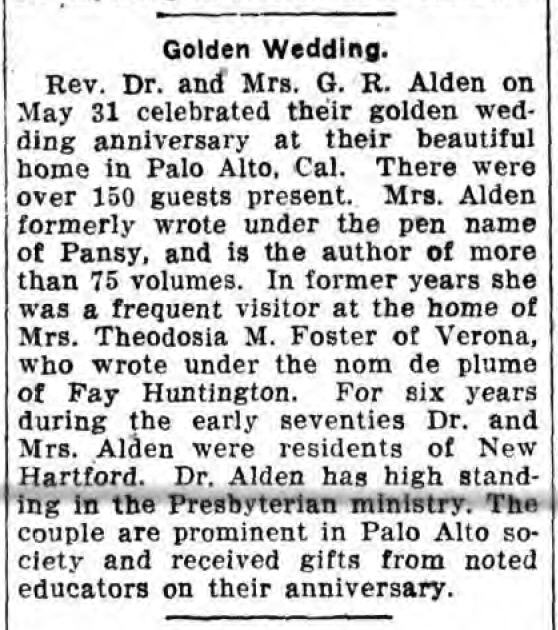
Whether Isabella visited Chautauqua again or not, her friends at Chautauqua and in New York certainly kept track of her as a favorite daughter. In 1916 the newspaper in Rome, New York (located near the town in which Isabella was born and raised) covered Isabella and Ross’s golden wedding anniversary celebration with this article:
The Rome Daily Sentinel, June 6, 1916.
The article’s mention of their prominent place in Palo Alto society is a testament to the loving friendships the Aldens formed in their new home in California.
For over twenty years Isabella Alden and her husband edited a children’s magazine called The Pansy.
Each issue was filled with inspiring stories, delightful illustrations, short poems, and descriptions of exotic and far-away places to spark children’s imaginations. Published by D. Lothrop and Company of Boston, the magazine was first produced as a weekly publication, and later changed to a monthly.
Editing and writing for the magazine was no easy undertaking and Isabella’s entire family pitched in to help.
Pick up any issue of The Pansy and you’ll find stories by Isabella’s sisters, Julia Macdonald and Marcia Livingston, or her best friend, Theodosia Foster (writing as Faye Huntington).
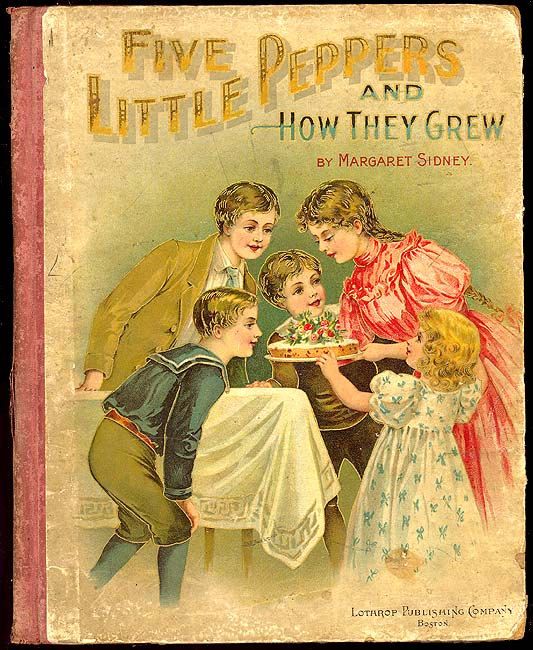
Margaret Sidney, famous for the Five Little Peppers books for children, published some of her books as serials in The Pansy, as did author Ruth Ogden. Even Isabella’s brother-in-law Charles and beloved niece Grace Livingston (before her marriage to Reverend Frank Hill) contributed stories.
The 1881 cover of The Five Little Peppers and How They Grew by Margaret Sidney
Isabella’s son Raymond wrote poems, and her husband Reverend Gustavus “Ross” Alden contributed stories and short homilies like this one:
Sometimes, the family banded together to write stories for the magazine. In 1886 each family member—Isabella, Ross, Marcia, Grace, Raymond, Theodosia, and Charles—took a turn writing a chapter of a serial story titled “A Sevenfold Trouble.” In 1887 they continued their collaboration by writing a sequel titled, “Up Garret,” with each writer again producing a different chapter. In 1889 the combined stories were published as a book titled A Sevenfold Trouble.
An original illustration for A Sevenfold Trouble, published as an 1887 serial in The Pansy.
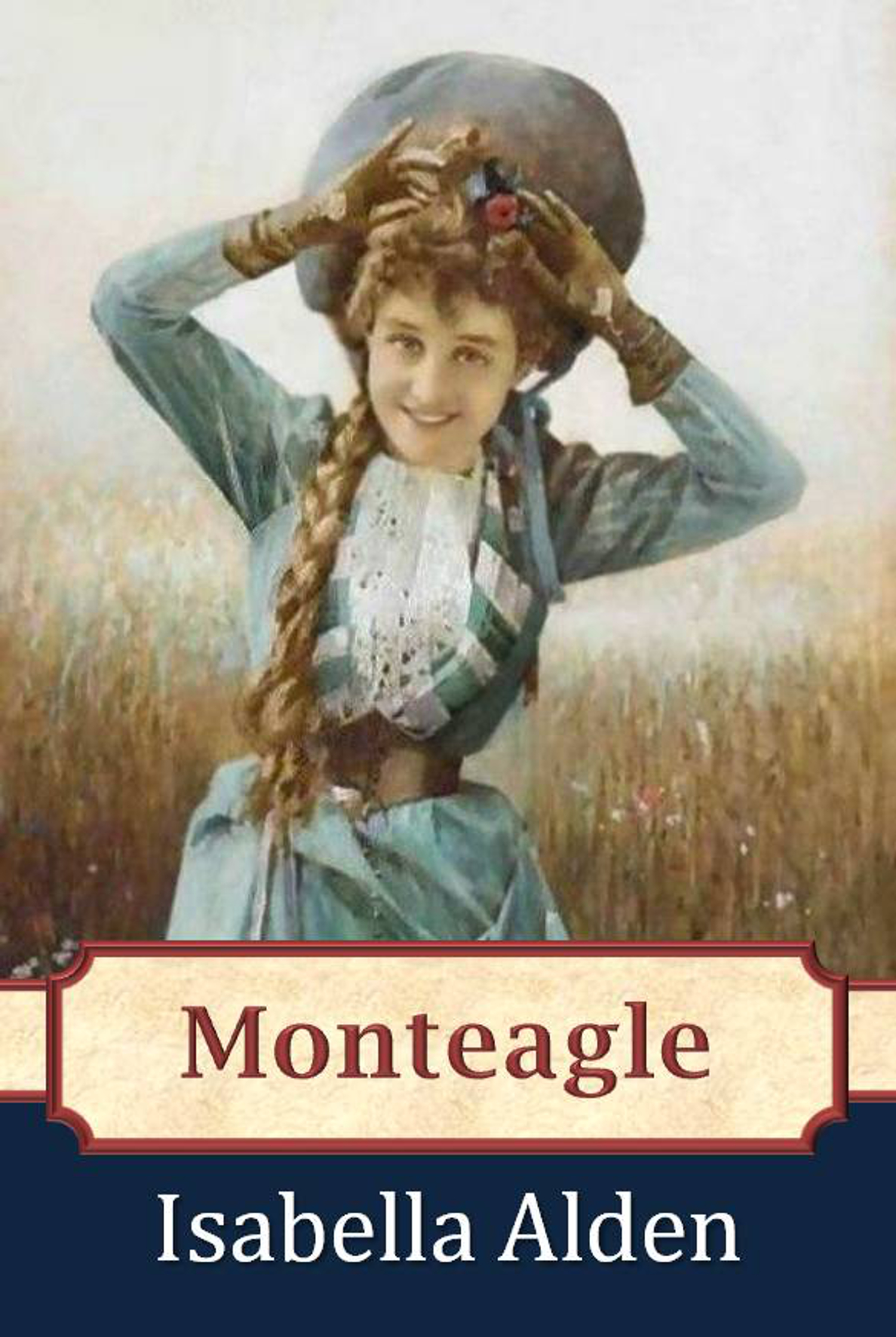
Isabella also previewed some of her own books by publishing them as serial stories in the magazine. Monteagle and A Dozen of Them first captured readers’ hearts in the pages of The Pansy.
The magazine was a resounding success. Thousands of boys and girls from around the world subscribed. Many children grew to adulthood reading the magazine, as Isabella remained at the helm of The Pansy for over 23 years.
Isabella Alden’s first published book Helen Lester was written as an entry to a contest . . . which she won! Isabella’s prize was a check for $50 and publication of her book Helen Lester in 1865.
Raymond Alden in an undated photo
Her son, Raymond, was also a writer. Like his mother, he began writing at a young age. As an associate professor at Stanford University in California he authored several text books. He also contributed stories to The Pansy magazine, which his mother edited; and in 1909 his Christmas book for children, Why the Chimes Rang, was published.
The 1909 cover of Why the Chimes Rang by Raymond Alden
Forty years after his mother took her first writing prize, Raymond entered a writing contest. In 1905 he submitted a short story titled “In the Promised Land” to a writing contest sponsored by Collier’s Weekly magazine. His short story took third prize in the national contest and Raymond was awarded $1,000. That was a substantial prize—the equivalent of $26,000 in today’s economy.
Article in The Los Angeles Herald, February 13, 1905
Reviews and giveaways for Christian fiction and sweet, clean fiction. Bringing readers information on great stories and connecting authors with their readers.























 Isabella Alden