A Treasured Autograph

Have you ever asked a famous person for their autograph?

After seeing a play, did you ever go backstage or wait outside the theater at the stage door to congratulate a performer and ask them to sign the play bill?

Or at a sporting event, have you had a chance to talk to one of your favorite players and ask them to sign your hat or team jersey?

For many people, collecting autographs is an expression of genuine admiration for a person’s talent or achievements. It’s also a way for them to feel closer to someone they admire from afar.

That was the case for Leona McGill, a teenager growing up in Winona, Minnesota in the 1920s. She was an avid reader, and gained fame in her home town by collecting autographed letters from every author whose book she read. In July 1920 her hometown newspaper wrote an extensive article about her efforts.

Newspaper Headline: High School Girl Has Read Several Hundred Books.
Miss Leona McGill, High School Senior, is Record Reader.
Famed Authors Send Suggestions and Good Wishes.

In some of her letters to authors, Leona expressed her admiration for their writing talents. In other letters she asked authors for advice on how to launch her own writing career. She wrote hundreds of letters, and received an almost equal number of replies!

Newspaper clipping: THEIR LETTERS. What well know writers have written to Winona's faithful little reader.

The majority of the replies she received were short and to the point, like this one from Booth Tarkington:

Newspaper clipping: Booth Tarkington, Kennebunkport Maine. I thank you for your letter and for your personal interest in my books.

Zane Grey, famous for his novels about the American West, was a bit more friendly with his reply:
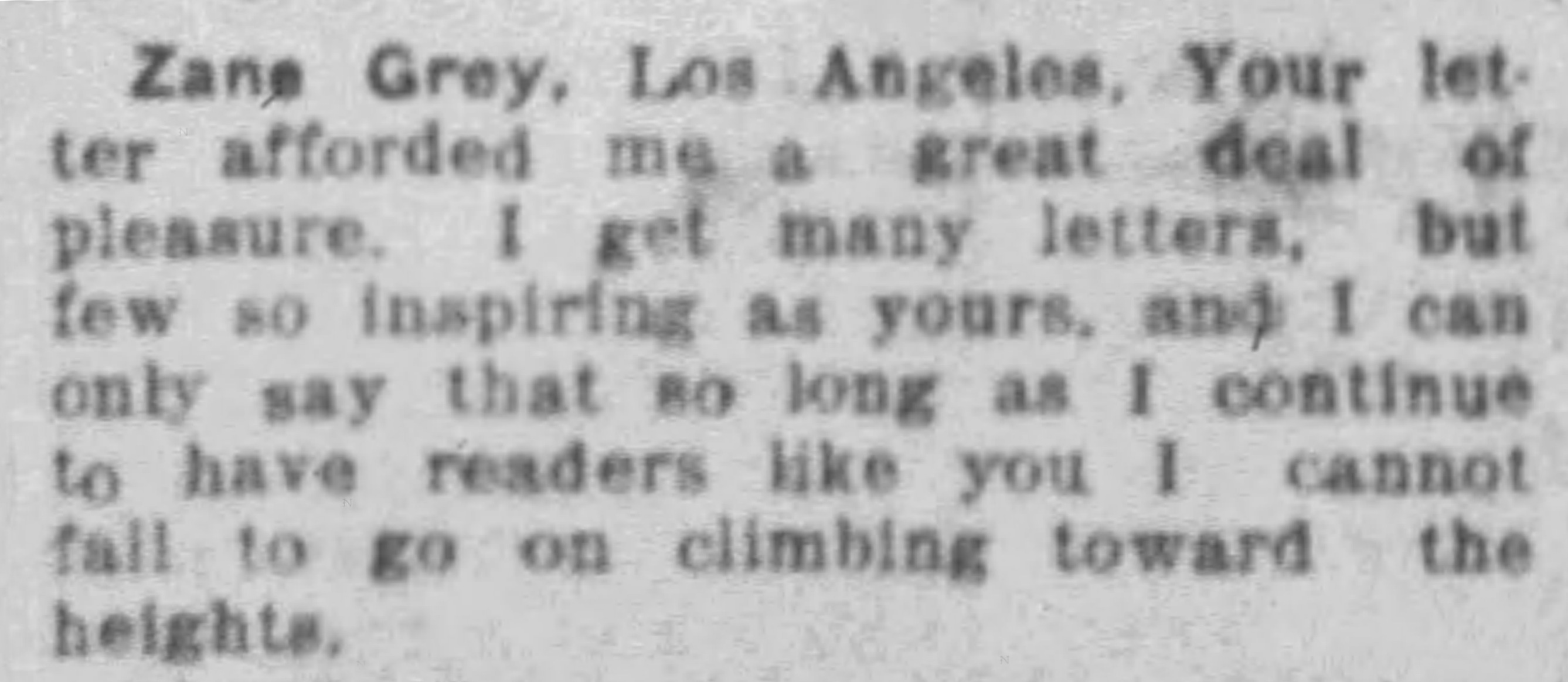
Newspaper clipping: Zane Grey, Los Angeles. Your letter afforded me a great deal of pleasure. I get many letters, but few so inspiring as yours, and I can only say that so long as I continue to have readers like you I cannot fail to go on climbing toward the heights.

Another famous author Leona wrote to was Isabella Alden’s niece, Grace Livingston Hill. In her reply to Leona, Grace sounded very much as if she were writing to an old friend. Here is what she wrote:

I am afraid you will think I have been a long, long time getting an answer to your lovely letter, but if you could see the pile of letters lying on my desk that I have waded thru before I got yours and could know how very busy I have been all this fall and winter I’m sure you would forgive me. I write very few letters by hand because I have not time and the typewriter is so much faster but because you have asked it, I am writing this. Boys and girls are very near my heart and when they want something I know how much they want it.

You ask about “The Mystery of Mary”—yes—that is one of mine—one of what I call my “crazy” stories in distinction from the more serious ones.

I am sure I ought to be very proud to be put in the same list with such distinguished writers as have written you and I want to thank you for your pleasant words about my stories.

Leona must have written a very persuasive letter to receive such a lovely and thorough response! Or perhaps Grace simply knew the sort of letter a teenage girl would love to receive.

You can read the entire article about Leona McGill and see more of the authors’ replies by clicking here.

The Voices in Isabella’s Head

There’s no question that Isabella Alden was a talented writer. The plots for her novels were inventive and realistic, and each of her characters were carefully drawn.

Her niece, author Grace Livingston Hill, wrote that when she was old enough to learn to read, she “devoured [Isabella’s] stories chapter by chapter.” And when Isabella wrote the final chapter to one of the novels she’d been writing, the family often crowded around her, knowing Isabella would read her work aloud. Grace said:

“We listened, breathless, as she read, and made her characters live before us. They were real people to us, as real as if they lived and breathed before us.”

Four young women sit in a Victorian era room with bookcases lining one wall. One woman reads a book with her back to the others. Another woman reads a book aoud to two others.

They were probably real people to Isabella, too. When she was interviewed in 1892 for a Philadelphia newspaper, she talked about her writing process. For many years she used a typewriter to write her stories (you can read more about that here), but by the time she was interviewed for the newspaper article, she was using dictation. It greatly increased the speed with which she wrote her books, and added an inadvertent element of entertainment to the task. Here’s how it was described in the article:

“The morning hours are devoted by Mrs. Alden to her literary work, and a person standing in the hall in front of the studio door is highly amused to hear the animated conversation with the varying tones indicative of stern displeasure, then of baby prattle, to be followed soon by the earnest and softened accents of the lover’s pleading; a monologue by Mrs. Alden as she personates her various characters. They are all seen in life, they must all appear in her books.”

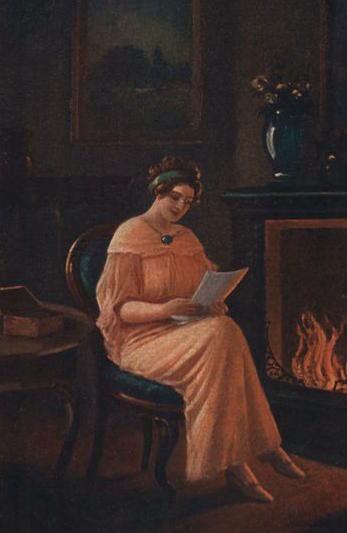
A young woman sits in a room near a fireplace where a fire is burning. She wears an orange dress from about the year 1910 and holds a large sheet of paper she is reading.

Isabella’s characters seem alive and real to us because she wrote about the kind of average people we meet every day; and when her characters come to a crossroads in their lives and face tough decisions, we understand what they’re going through because we (or someone we know) has dealt with similar situations. Her characters cause those of us who read her books to search our own hearts and “see ourselves as God saw us.”

In a dimly lit room, a woman stands near a table with a lamp on it. She holds a piece of paper she is reading. On the table is a tea pot and two tea cups and saucers. Seated at the table is another young woman who is listening.

Grace wrote that Isabella’s characters “still live within our memories like people we have known intimately and dwelt among. Ester Ried and Julia Ried, the Four Girls at Chautauqua, Mrs. Solomon Smith—I almost expect to meet some of them in Heaven.”

Do you have a favorite character from Isabella’s books?

Isabella and the Interrupted Night

For more than a quarter of a century, Isabella edited newspapers (like The Pansy), wrote innumerable novels and short stories, taught classes on homemaking and child rearing, served congregations as a pastor’s wife, and designed Sunday school lessons for children. In between all that, she somehow managed to travel extensively.

Sometimes she was called upon to deliver an address at a conference. Other times she was the guest of a ladies’ missionary society or Bible study, where she often read chapters from one of the stories or novels she was working on at the time. (You can read more about that here.)

Newspaper clipping of an article titled "W.C.T.U. Day." Monday, Aug. 22, will be W.C.T.U. day at the Central New York Assembly, Summit Park. The program follows: 10:30 Crusade Psalm, crusade hymn and prayer; music; conference, Department Work, led by county president; Woman and Temperance, Mrs. G. R. Alden (Pansy); 12, noontide prayer; music. Afternoon - Music; The Saloon a National Problem Rev. Stanley B. Roberts; 2:45, music; medal contest; music; report of judges. Mrs T. M. Foster is county president of the W. C. T. U. and Mrs. L. T. Sherrill musical director.
From the Rome, New York “Daily Sentinel,” August 18, 1898.

When she returned home from one of her many trips, her family gathered around her so she could tell them all about the places she went and the people she met. Her niece, Grace Livingston Hill wrote:

“She saw everything, and she knew how to tell, with glowing words, about the days she had been away so that she lived them over again for us. It was almost better than if we had been along, because she knew how to bring out the touch of pathos or beauty or fun, and her characters were all portraits. It listened like a book.”

One time in particular, Isabella returned home with an extraordinary story. Speaking at the same event had been a woman who was active in many of the same efforts that were of interest to Isabella, such as woman’s suffrage, and the temperance movement. Like Isabella, the woman was well known across the country as a writer and as a much-in-demand public speaker. It was this woman who recounted to Isabella an incident that happened to her.

With the woman’s permission (and with a promise to keep the woman’s identity a secret), Isabella wrote a short story based on the woman’s experience.

The premise of the story is this: A woman traveling by train to a speaking engagement notices an older man and younger woman traveling together on the same train. She quickly realizes she had come upon a couple in the middle of an elopement—and that the young would-be bride is having second thoughts!

How Isabella’s friend intervened (and what happened after) were recounted in Isabella’s story. When it was finished, Isabella sent the story off to a Christian newspaper that was pledged to publish a certain number of her stories each year.

To her surprise, the editor wrote back to ask Isabella if she had considered that the story might suggest to young people “evil ways of which they had never read.”

Can you imagine that? The editor actually worried that Isabella’s story about an elopement might have a negative or “evil” influence on the young people who read it!

In the end, Isabella withdrew the story, locked it away, and forgot all about it. Then, in the late 1920s, she came across the old manuscript and decided to expand the story into a novel.

The result was An Interrupted Night, and the story’s lead character of Mrs. Mary Dunlap was based on Isabella’s friend and the unusual events she told Isabella about decades before.

An Associated Press newspaper photo of Isabella in her later years.

By the time she finished writing the book and submitted it to a publisher, Isabella was in frail health. When the publisher asked her to make some edits to her manuscript, Isabella’s niece, Grace Livingston Hill, stepped in to help her “put it into final shape.”

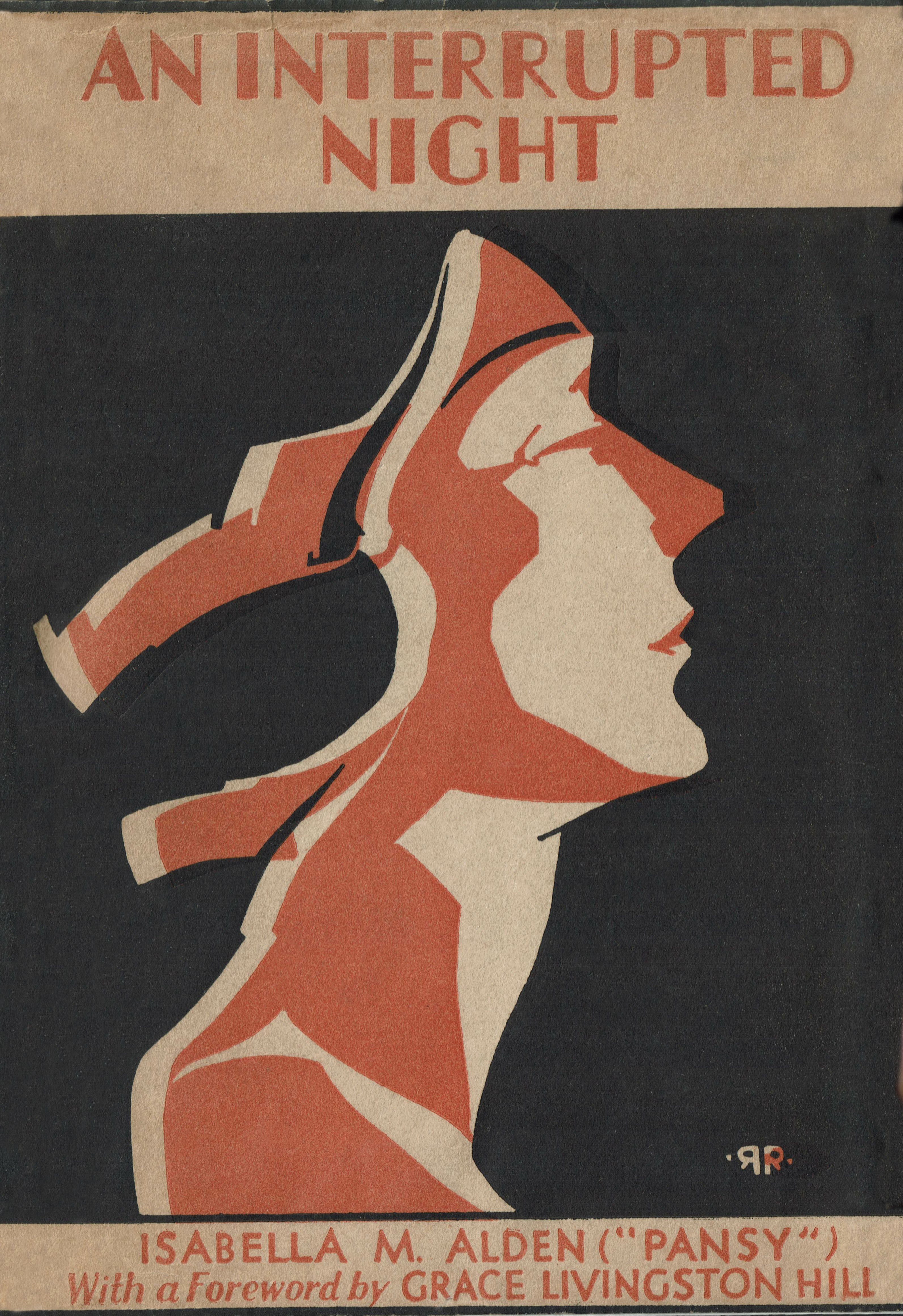
The book was released in the fall of 1929 with a decidedly modern-looking cover:

Book cover illustrated in the art deco style of the 1920s with a highly stylized profile of a woman's face drawn in tan and orange set against a plain black background. Set in orange type at the top the title "An Interrupted Night." The same orange type is at the bottom with the author's name.

And it was received by a decidedly modern audience that took the story’s premise of an eloping couple in stride. Isabella later wrote that she “exploded with laughter” when she thought about how much the world had changed in the years since she first wrote the story.

Now An Interrupted Night is available for twenty-first century readers to enjoy with a brand new cover:

Book cover showing a young woman carrying a suitcase striding purposefully down the boarding platform of a train station while other people enter and exit nearby train cars.

Mary Dunlap is on her way to a speaking engagement when the train on which she travels experiences engine trouble and must make an unexpected stop for the night. While frustrated by the delay, Mrs. Dunlap quickly realizes a couple on the train is in the middle of an elopement—and the would-be bride is having second thoughts! Drawing on God’s strength, Mrs. Dunlap intervenes; but can she convince the young woman to abandon her plan and return home to her mother before it’s too late?

An Interrupted Night is now available from The Pansy Shop, along with novels by Rev. Charles M. Sheldon, Mary McCrae Culter, and other Christian authors in Isabella’s circle of family and friends. Click on the tab in the menu above, or click here to check out The Pansy Shop!

BY THE WAY …

Who do you think was the “real” Mrs. Mary Dunlap? Frances Willard or Emily Huntington Miller Perhaps Harriett Lothrop (who wrote as “Margaret Sidney”)? Leave your guess in the comments below!

Isabella’s Glory

In her novel Wise and Otherwise, Isabella wrote about a group of people who lived at a boarding house and the influences they had on each other. One of the residents, Mrs. Sayles, invited her dearest friend Dell Bronson to visit and take a room at the same boarding house. Isabella describes their reunion this way:

Mrs. Sayles went about during the rest of that day with very shining eyes, and very happy, expectant face, which was not shaded in the least when on the morrow she had been sitting for half an hour close beside her friend, and was now with her in her dressing-room, waiting while the rich masses of brown hair were being smoothed and braided into shape.

Isabella knew whereof she wrote. Like Dell Bronson, Isabella also had rich masses of brown hair that she wore in a braid, arranged at the back of her head.

A pencil and charcoal drawing of Isabella as a young woman. Her hair is parted in the middle and drawn to the back of her head where it is arranged in a braided coil.
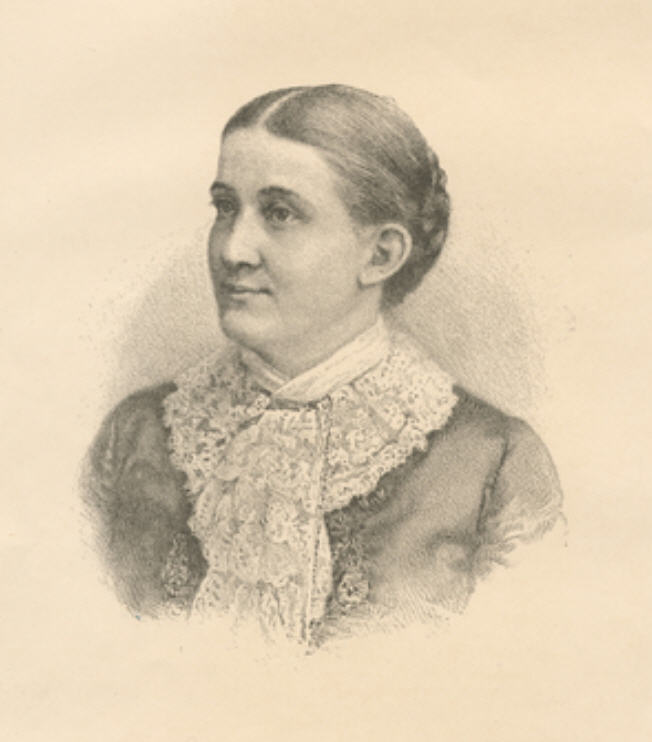
A publicity image of Isabella, drawn from a photo of her when she was about age 30.

Her niece, Grace Livingston Hill, admired Isabella’s hair, and described it this way:

Her eyes were dark and had interesting twinkles in them that children loved; her hair was long and dark and very heavy, dressed in two wide braids that were wound round and round her lovely head in smooth coils, fitting close like a cap.

Black and white photo of Isabella wearing her hair parted in the middle and drawn smoothly back into a braided bun at the back of her head.
Isabella about age 35

But that wasn’t all Grace admired about her aunt’s hair. She wrote:

When [her hair] was unbraided and brushed out, it fell far below her knees and was like a garment folding her about.

Black and white photo of Isabella in profile. Her hair is parted in the middle and smoothed back into a braided bun at the back of her head.
Isabella about age 40

Grace went on to confess:

How I adored that hair and longed to have hair just like it! How I even used in secret to tie an old brown veil about my head and let it fall down my back, and try to see how it would feel to have hair like that. Nobody else in the world looked just as lovely as did she.

Black and white photo of Isabella Alden in profile, showing her hair parted in the middle and combed back into a braided bun at the back of her head.
Isabella, about age 60.

Isabella kept the same simple yet becoming hairstyle throughout her adult life.

Are you surprised to learn how long Isabella’s hair was? What is the longest length you’ve ever grown your hair?

Isabella’s Most Difficult Year, Part 2

This is the second of two posts about Isabella’s most difficult year. If you missed the first post, you can read it here.

In the spring and summer months of 1924, Isabella and her family carried on without her beloved husband, Ross, who died in March of that year.

The influenza epidemic that precipitated Rev. Alden’s death had waned, but there were still reported cases as late as the summer of 1924. That’s when Isabella’s sister Marcia fell ill.

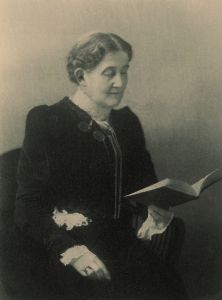
Black and white photo of a woman of about 60 years of age. Her wavy hair is parted in the middle and softly drawn up into a bun at the back of her head. She wears a dress with a high neckline and a soft shawl-style collar. The sleeves are long and have white cuffs trimmed with lace at her wrists. She holds an open book in her hands.
Marcia Livingston

Again a doctor was called to the house in Swarthmore to treat her, but the virus had weakened her heart. On August 7, Marcia succumbed to myocarditis, a rare but serious condition that causes inflammation of the heart muscle.

It had to have been a devastating blow to Isabella. For their entire lives, she and Marcia had been close. Marcia was the sister who tended Isabella when she was young, who watched over her when she was ill, and prayed that Isabella would choose Christ as her Saviour (you can read more about that here). Marcia helped introduced Isabella to her husband Ross; and after Isabella married, the Livingstons and the Aldens shared a home in Florida, and lived as neighbors at Chautauqua. They were as close as sisters could be.

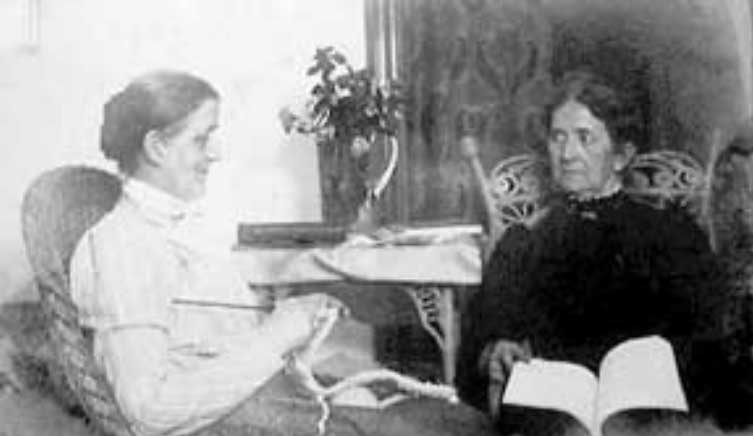
Black and white photograph of two elderly women sitting together. They are both wear their hair parted in the middle and pulled back to a braided but at the back of their heads. Isabella is dressed in a long-sleeved, high-neck blouse and skirt and she is knitting. Marcia wears a dark colored, high neck, long-sleeve dress and holds an open book in her hands.
Isabella Alden (left) and her sister Marcia Livingston (courtesy Daena Creel).

Isabella wrote:

I held the dear hand of my one remaining sister Marcia all that day, and prayed for one more clasp of it, one look of recognition, all in vain. She went, as did my dear husband, without a word or look.

Marcia was laid to rest in Johnstown, New York; that was where Marcia and Isabella grew up, and where Marcia met her husband Charles (you can read more about that here). Her grave is beside Charles’ grave and the grave of their infant son Percy.

Photo of a large stone grave marker that reads: Marcia Macdonald wife of Charles M. Livingston 1832 - 1924.
Marcia Macdonald Livingston’s grave marker in the Johnstown Cemetery.

Although there’s no known record of it, Isabella, Grace, and other family members may have traveled to New York for the interment. If they did make the journey, it’s probable that Isabella’s son Raymond did not accompany them.

By the time Marcia died, Raymond was receiving medical care in Philadelphia for a chronic condition. All his life Raymond endured a painful form of eczema that caused open sores and blisters, leaving him prone to infection. In May of 1924, Raymond’s condition became worse, and he began to regularly see a doctor in Philadelphia.

Black and white full-body photo of a gentleman standing out of doors in front of a large stone building. He wears a three-piece suit, a bowler hat and spectacles. One hand is in his trouser pocket; in the other hand he holds a pair of gloves.
Raymond Alden, from the Stanford University 1923 Yearbook.

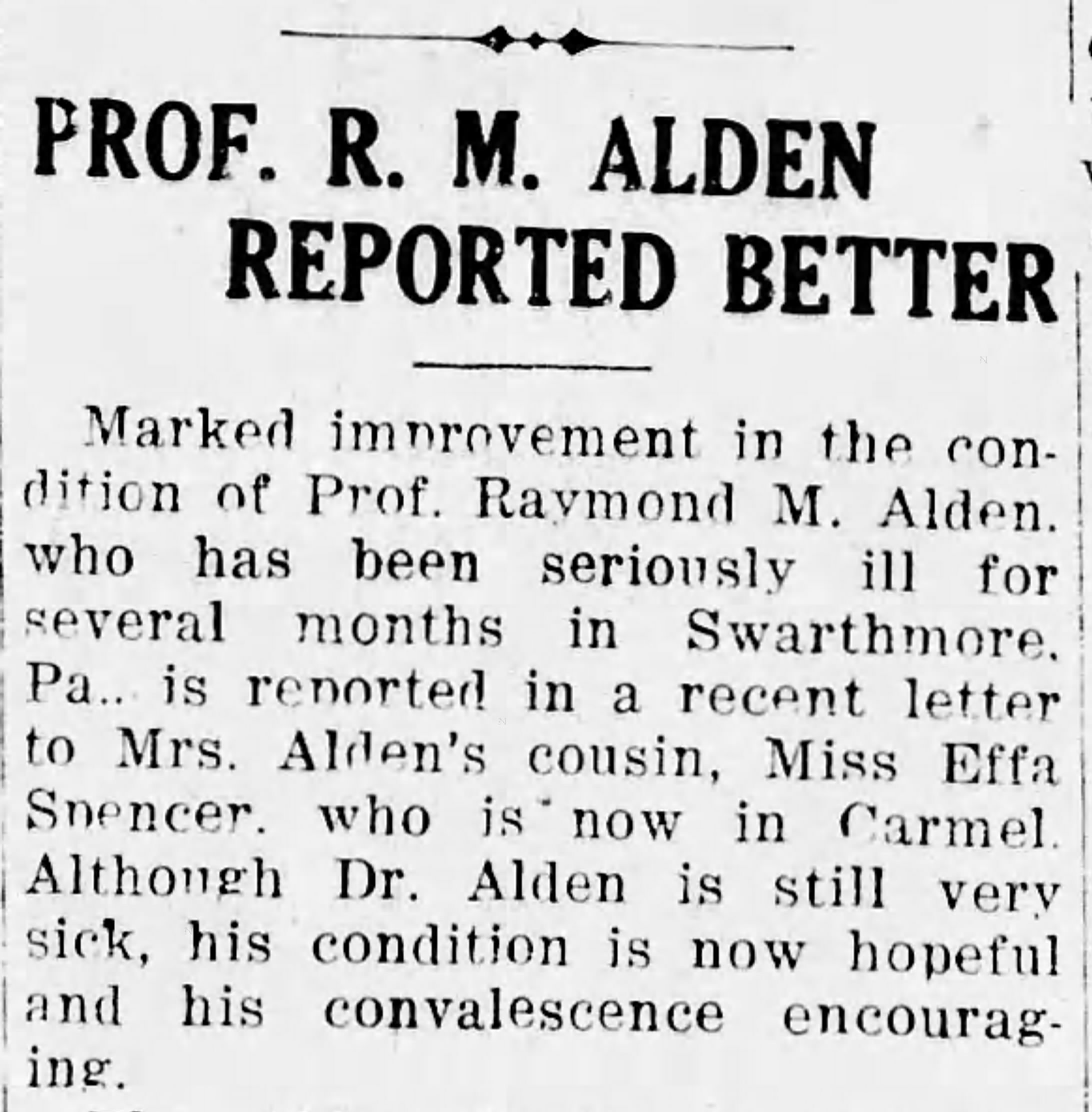
By July Raymond’s wife Barbara wrote to her cousin about Raymond’s health, saying that although he was still very sick, he had shown “marked improvement.”

Newspaper clipping. Headline: Prof. R. M. Alden Reported Better. Marked improvement in the condition of Prof. Raymond M. Alden, who has been seriously ill for several months in Swarthmore, PA., is reported in a recent letter to Mrs. Alden's cousin, Miss Effa Spencer, who is now in Carmel. Although Dr. Alden is still very sick, his condition is now hopeful and his convalesence encouraging.
From The Peninsula Times Tribune, July 15, 1924.

But his improvement was short-lived. By September Raymond was suffering from an infection and, possibly, from an allergic reaction to medications he was given.

On September 27, less than two months after the death of his aunt, Raymond Alden died. Isabella was with him at the end.

“Mamma, fan me!” was the quick eager word my dear boy said, and the next minute he was gone.

Grace later wrote:

My saintly uncle went first, then my precious mother, and then my brilliant cousin, Dr. Raymond M. Alden. One blow after another that nearly crushed us all.

The family held a private funeral service for Raymond in Philadelphia; then it was time for the Aldens to leave Swarthmore and return to their Palo Alto home. Grace described it this way:

Then my dear aunt, courageous and wonderful through it all, went back to her California home with her brave daughter-in-law, and her five grandchildren.

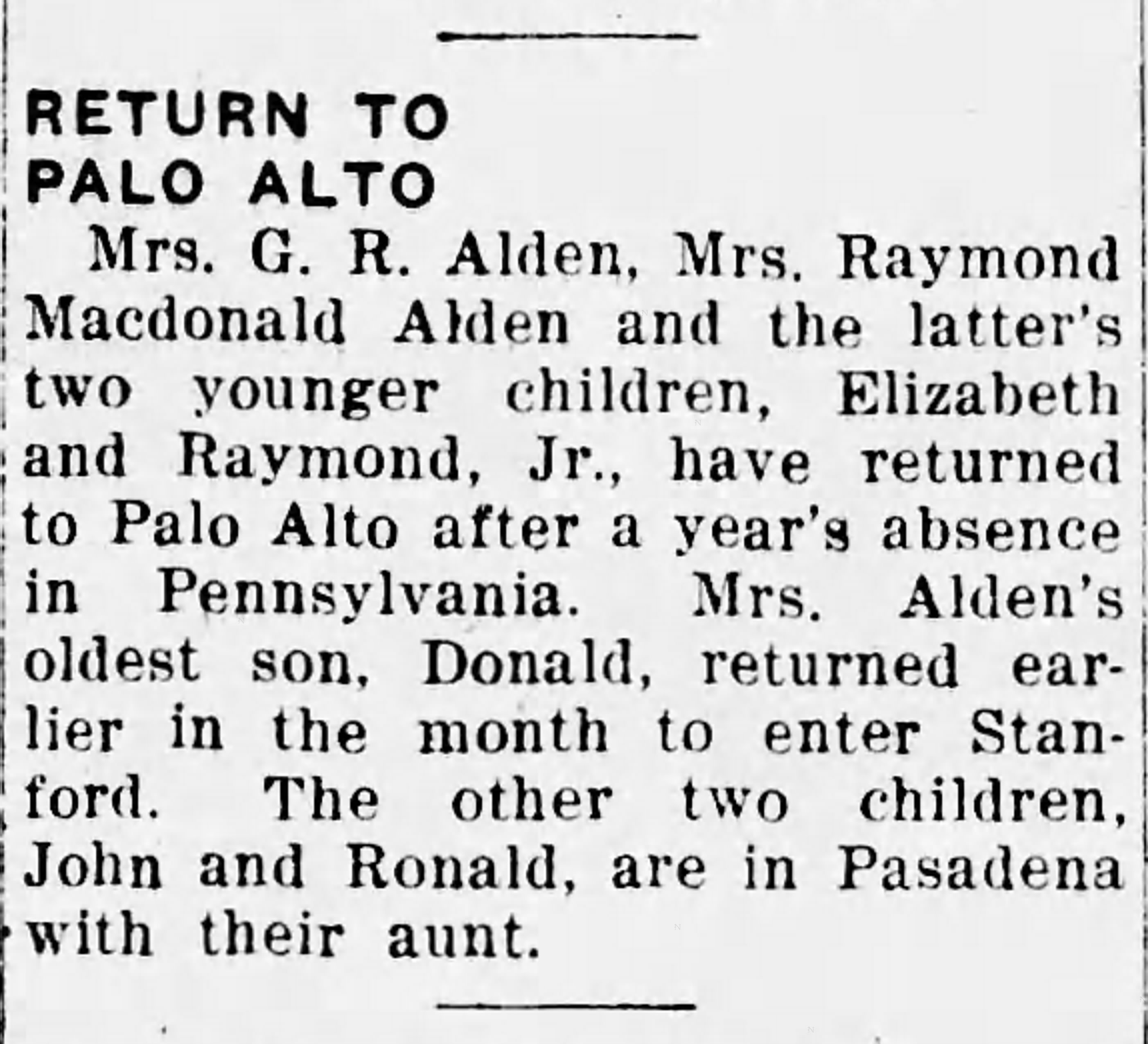
Newspaper clipping. Headline: Return to Palo Alto. Mrs. G. R. Alden, Mrs. Raymodn Macdonald Alden and the latter's two younger children, Elizabeth and Raymond, Jr., have returned to Palo Alto after a year's absence in Pennsylvania. Mrs. Alden's oldest son, Donald, returned earlier int he month to enter Stanford. The other two children, John and Ronald, are in Pasadena with their aunt.
From The Peninsula Times Tribune, October 18, 1924.

There must have been times when Isabella felt the acute loneliness of losing the three most important people in her life. She once wrote to Grace:

There is no one in all the world who needs me any more. I’m too old to help anybody in any way, and too weak to be anything but a burden to those who have already more than they can bear. Why can’t I go now to my eternal rest? Does it seem to you wrong to pray for this?

There were other times when she spoke of the many family members who had died over the years, and asked impishly, “What do they think of us all by this time? Do they meet together and talk us all over?” She thought often of the loved ones who had “gone ahead” and wrote to Grace:

Sometimes I have to put my hands over my eyes in the darkness and say: “Casting all—All—ALL your care upon Him.” Oh, why doesn’t He take me home?

But God did not call her home. Isabella lived with Barbara and her grandchildren in the house she and Ross built on Embarcadero Road in Palo Alto for another six years.

A young woman with dark hair stands facing the camera. She wears a coat and a hat with a wide brim and tall feathers sticking up from the crown. Her hair is styled in a bouffant with a bun on top of her head hidden by the hat.
Barbara Hitt Alden, about 1910

By all accounts, Barbara was loving and kind and “more than a daughter” to Isabella. And despite Isabella’s belief that she was “too weak to be anything but a burden” to Barbara, she would soon find that her work on Earth was not done, and that she had one last novel to write before she would be called Home to her Saviour.

Next Month: Isabella’s Final Novel

You can read more about the house Isabella and Ross built in Palo Alto by clicking here.

Click here to read the story of how Marcia and Charles Livingston introduced Isabella to her husband, Ross.

Isabella’s Most Difficult Year

On the surface, it may seem that Isabella led a charmed life. Her husband was beloved a minister and a leader in the Presbyterian Church.

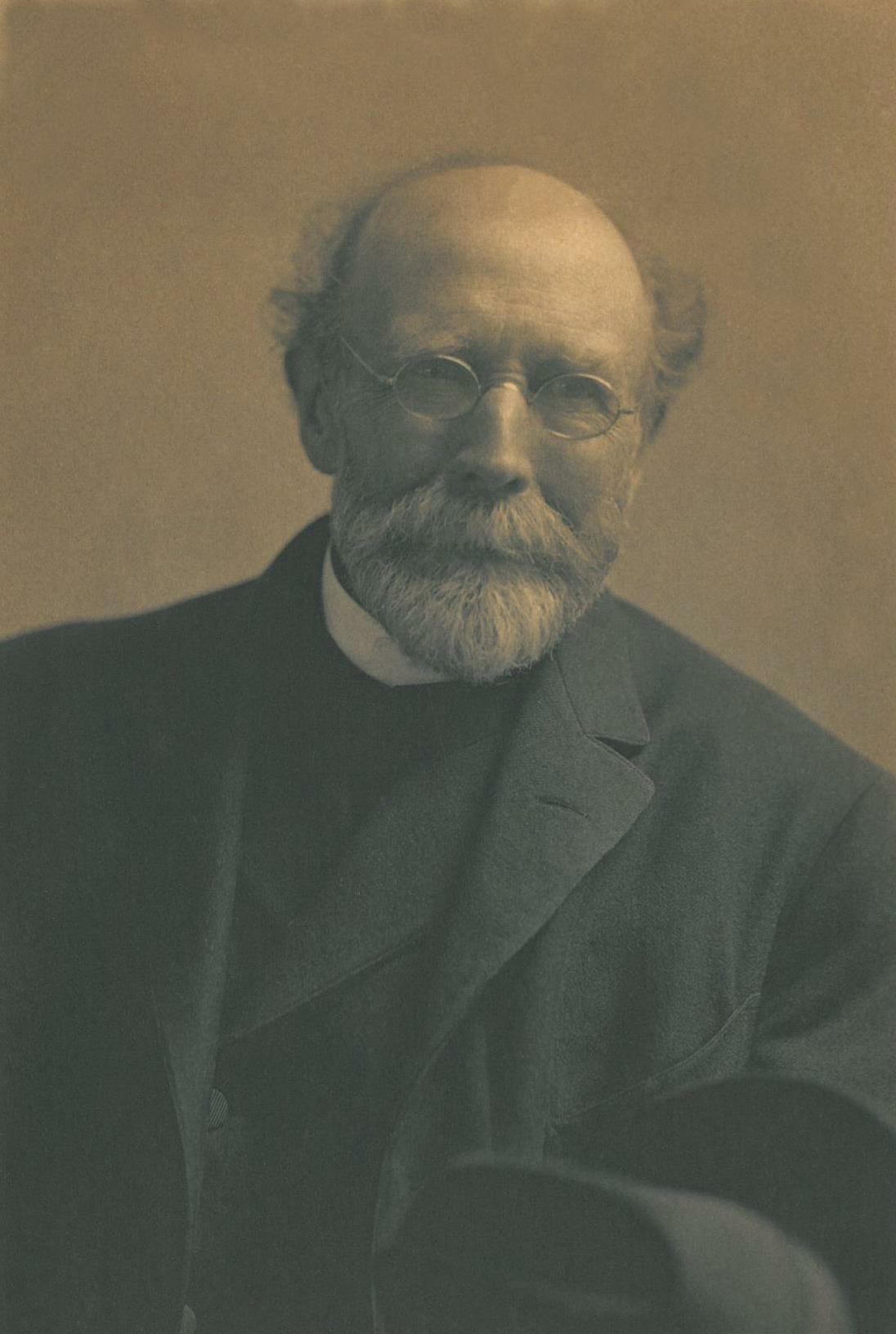
Black and white photo of an elderly man wearing a cleric's collar and suit. His head is bald on top, and he has a full beard and mustache. He wears a pair of wire-rimmed glasses.
Gustavus “Ross” Alden in later years (about 1912)

Her son Raymond was a talented writer, a beloved teacher, and an esteemed academic.

Black and white photo of an elderly woman. She is seated and holding a book in her hands she appears to be reading.
Isabella Alden, about 1895.

Isabella, herself, had been a successful author for decades, as well as an influential editor of various Christian magazines for young people and adults.

With so many proud accomplishments in her life, it’s hard to remember that Isabella had her share of heartache and loss.

Some of those losses were made all the more difficult because they occurred almost in a back-to-back fashion during one six-month period in her life. And it happened one-hundred years ago.

The year 1924 began on a positive note for the entire Alden family. Isabella’s son Raymond—who was head of the English Department at Stanford University in California—was on sabbatical so he could teach courses at Columbia University in New York. It was an exciting career opportunity for Raymond.

A black and white photo of a young man dressed in a suit and wearing a pair of eyeglasses.
Undated photo of Raymond Macdonald Alden.

His topics during that Spring Session at Columbia were:

  • English Literature from 1780 to 1830.
  • Shakespeare
  • Versification
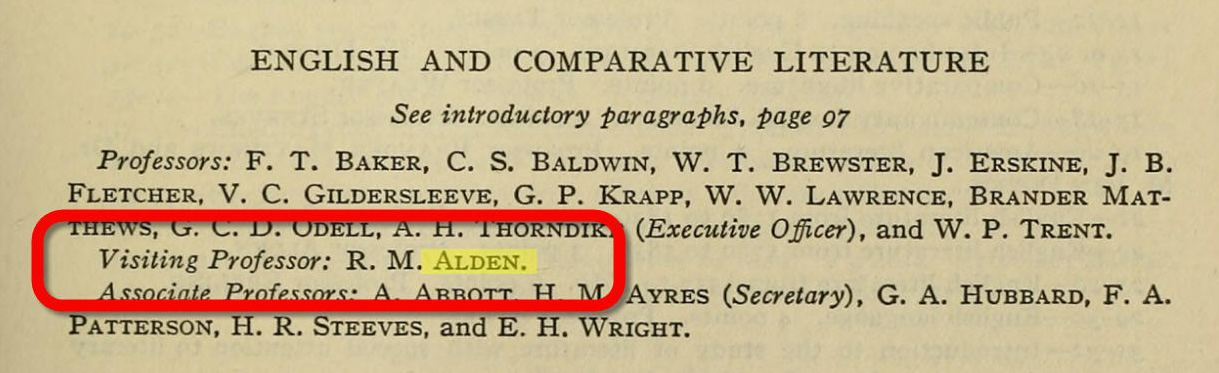
Clipping from catalog. Heading: ENGLISH AND COMPARATIVE LITERATURE below which is a listing of professors. Highlighted portion reads "Visiting Professor: R. M. Alden."
Raymond Alden listed as a Visiting Professor in the English and Comparative Literature department, Columbia Course Catalog for 1923-1924.

Raymond, his wife Barbara, and their five children (ages 2 to 14) made the move east together and rented a home within an easy commute to Columbia’s campus.

Portrait of a young woman wearing clothing with a high collar neckline and large puffed sleeves that were in style about 1890.
Barbara Hitt Alden, in her early twenties.

Isabella and her husband Ross went, too. Ross was 92 years old and had been officially retired from the ministry for some time, but he still enjoyed excellent health and a quick wit and intellect. Isabella was still writing novels, but she too had “retired” and had adopted a much slower pace when it came to her work.

Isabella and Ross moved into the Swarthmore, Pennsylvania home of Isabella’s sister Marcia Livingston and niece Grace Livingston Hill. Grace often described Marcia and Isabella as “inseparable” sisters, and for the majority of their lives, the Aldens and the Livingstons spent much of their time together.

It was while the Aldens were staying with Marcia and Grace in Swarthmore in the spring of 1924 that tragedy struck.  

Photograph of a large two-story home with brick accents set back from the street with lush green lawns and mature trees.
Grace Livingston Hill’s Home, Swarthmore, PA.

At that time Philadelphia was dealing with an influenza epidemic. The particular strain that prevailed during the spring of 1924 often caused pneumonia.

Newspaper clipping. Headline: HEALTH DIRECTOR WARNS OF DANGER. Tells Public to Watch February and March Cold Symptoms. These Two Months Shown as Highest in Pneumonia Mortality.
From The Philadelphia Inquirer, February 18, 1924.

Unfortunately, antibiotics like penicillin and sulfonamides were not as widely available as they are today; so doctors could offer little in the way of treatment for pneumonia, beyond recommending bed rest, and drinking fluids. Almost every day newspapers reported new outbreaks of the influenza virus, as well as the number of deaths, and it often seemed as if no one was safe.

Newspaper clipping. Headline: BABE RUTH STRICKEN BY FLU, PNEUMONIA IS RESULT NOW FEARED. Article: Babe Ruth, the Sultan of Swat, baseball's biggest attraction and the game's longest hitter, is seriously ill at a local hotel. Just now Ruth is suffering from an attack of flu, but there is danger he will develop pneumonia within the next twenty-four hours. According to Dr. W. T. Wootton, there is a great deal of congestion over Ruth's left lung.
From The Philadelphia Inquirer, March 1, 1924.

Health officials warned that a common cold or a mild case of the flu could quickly turn into a deadly case of pneumonia. Unfortunately, that is exactly what happened to Rev. Alden. At ninety-two years of age he was particularly susceptible to pneumonia, and although the family brought in a physician in to treat him, he died on March 29, 1924.

Newspaper clipping. Dr. Alden's death at the home of his niece, Mrs. Grace Livingston Hill, followed an illness of only 48 hours. Up to that time he had been strong and vigorous, although in his 93rd year. Funeral services, followed by cremation, were held in Swarthmore.
From The Peninsula Times Tribune, April 14, 1924.

His death was reported in newspapers across the country and the tributes and remembrances came pouring in. People wrote about their memories of when he was their church minister. They related the anecdotes he used to illustrate his sermons and teachings; and they mentioned the close friendships they formed with him in the Sabbath School classes he taught.

Perhaps Isabella had a chance to read some of those tributes. And she no doubt relied upon her sister Marcia’s support, as well as the tender care that Raymond, Barbara and Grace would have provided.

Isabella made the decision to remain in Swarthmore until summer, so Raymond could fulfill his teaching responsibilities at Columbia. Then, the Alden family planned to travel together back to their home in Palo Alto, California, where Rev. Alden’s remains would be laid to rest.

In her remembrances of her uncle, Grace recalled a poem he wrote and had printed as a New Year greeting card. He sent the cards to the members of his Bible class the last winter he was with them before going to Swarthmore. It reads:
TODAY

We are living today—not tomorrow,
For no morrow was ever yet seen;
And for joy, or for pain, or for sorrow,
Only yesterdays ever have been.

God gives us duties—just for today;
And His strength He bestows by the hour,
“Grace is sufficient” we still hear Him say,
So we trust Him for wisdom and power.

And since today is all that He gives,
Let us treasure the day as it stands.
It matters, then, much how everyone lives
For tomorrow God holds in His hands.

G. R. Alden

Next: Isabella’s Most Difficult Year, Part 2

Free Read: The Weak Brother for Whom Christ Died

It’s the time of year when many people make resolutions—to study their Bible more often, lose weight, or spend more time with family and friends. But how many people resolve to change their life in order to benefit a stranger? That’s the premise of our January free read.

Grace Livingston Hill wrote “The Weak Brother for Whom Christ Died” in 1897, and it was based on true events. At that time, French actress Sarah Bernhardt was a theatrical titan, who enjoyed world-wide fame.

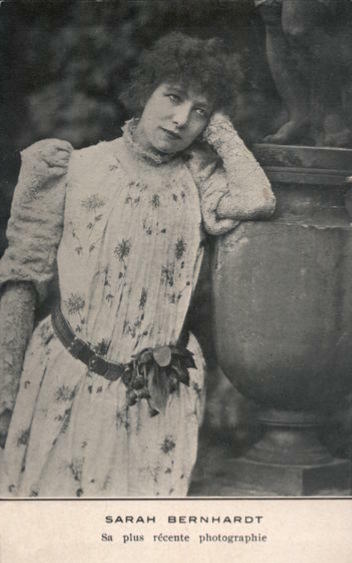
Black and white photo of actress leaning against a large garden urn. She wears a pensive, thoughtful expression.
Undated photo of Sarah Bernhardt in character.

She toured the globe in plays she produced and starred in. She was a master of self-promotion and cultivated a larger-than-life persona that the newspapers and magazines of the time eagerly reported to their readers. She was, arguably, the world’s first true international superstar.

Actress in costume of sleeveless, loose-fitting, floor-length gown. On her head she wears a headpiece with the figure of an upright snake. She wears bracelets on her upper bear arms. In one hand she holds long-stemmed flowers.
Undated photo of Sarah Bernhardt as Cleopatra.

Bernhardt first performed in America in 1880, when Grace was fifteen years old. Bernhardt’s American tour lasted several months. She performed in cities across the country, and each performance was met with thunderous applause and critical acclaim.

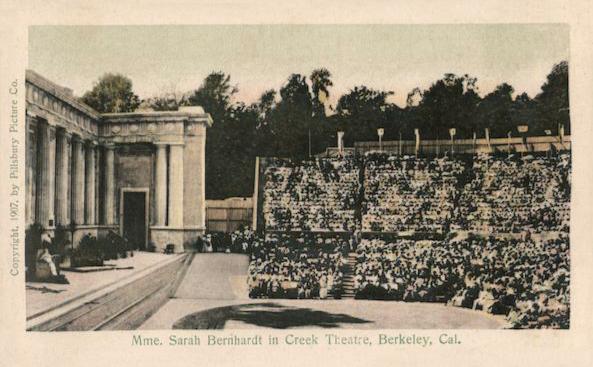
Photo of an open-air amphitheater with a full audience. On stage is a figure in a long gown sitting in a large, throne-like chair.
Bernhardt performing onstage in Berkeley, California, 1906.

In 1897 Bernhardt toured England, where she was so much in demand that she sometimes appeared in multiple plays at once, performing a matinee in one theater, then playing the lead in an entirely different play in a different theater that same evening!

Newspaper clipping announcing Bernhardt's performances in "Lorenzaccio" matinee Saturday; "La Tosca" on July 8, 9 and 10; "La Dame Aux Camelias" on July 12, 13, 14; "L'Etrangere" on July 15, 17; and "French Plays" on June 17.
From The Times, London, June 16, 1897.

But not everyone embraced Sarah Bernhardt with open arms. Despite her talent and riveting performances, conservative members of society and many religious groups viewed the theater as a morally corrupting influence, especially for women.

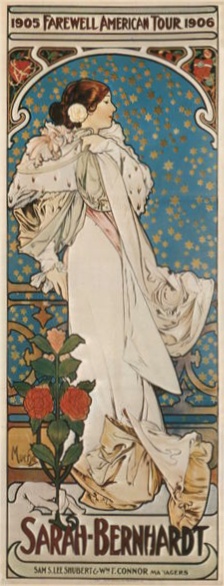
A promotional poster for Bernhardt’s 1905/1906 American tour.

Female actors were frequently stigmatized as immoral or promiscuous. Sarah Bernhardt—with her unconventional lifestyle, her bold stage performances, and numerous love affairs both within and outside of her marriage—scandalized a good portion of the population.

Photo of Bernhardt wearing a pseudo-military uniform of high-collared tunic with long sleeves, and form-fitting pantaloons tucked into knee-high boots. Around her waist she wears a sash from which is hung a sword in a scabbard.
Bernahrdt as Napoleon. Her costume, with its form-fitting pantaloons, was considered quite scandalous.

Grace Livingston Hill knew about Sarah Bernhardt and probably read many of the newspaper articles about her. She also had strong opinions about Bernhardt and theater entertainments, which she used as the theme of her story, “The Weak Brother for Whom Christ Died.”

Book cover showing a collection of pink and white flowers against a watercolor background of blue, purple and pink. The title of the book title is displayed in a large, swirly font that takes up the entire cover.

“Did you go out to see Bernhardt last evening, Murray?”

When three young men meet to pass a Sunday afternoon together, they never imagine that such a simple question can spark a very complicated discussion! But Frank Murray has read his Bible, and he is willing to forego some of the world’s pleasures if it means he will never be a stumbling-block to fall in another Christian brother’s way. Will Frank be able to explain his position to his new friends so they, too, will strive to help a weak brother in Christ?

You can read “The Weak Brother for Whom Christ Died” for free!

Choose the reading option you like best:

You can read the story on your computer, phone, tablet, Kindle, or other electronic device. Just click here to download your preferred format from BookFunnel.com.

Or you can select BookFunnel’s “email” option to receive an email with a version you can read, print, and share with friends.

Margaret’s Lullaby

Like her aunt Isabella, Grace Livingston Hill expressed her creative talents in many ways.  Although she was best known for writing Christian novels and short stories (click here to read a few), she also wrote poetry.

After her first child Margaret was born in 1893, Grace wrote this charming poem to her darling little daughter:

Image of mother sitting up in bed, her back against pillows, looking down at the baby she holds on a pillow in her lap.
The birdies have tucked their heads under their wings,
And cuddled down closely, the dear little things;
And my darling birdie is here in her nest,
With her heart nestled close on her own mother’s breast.
The wind sings a sleepy song soft to the roses,
And kisses the buds on the tips of their noses.
Shall I sing a sleepy song soft to my sweet,
And kiss the pink toes of her precious wee feet?
The butterflies fold their silver-gauze wings,
And now sweetly sleep with all the fluttering things;
Will you fold your wee palms, my dear little girl,
And rest the tired footies, my dainty rare pearl?
The violet sweet has closed its blue eye,
That has gazed all day long at the clear summer sky:
Now droop the dark fringes over your eyes;
They are weary with holding great looks of surprise.
The flower-bells have drooped their meek little heads, 
And laid themselves down in their soft, mossy beds.
Your golden head droops and your eyes are shut quite;
Shall I lay you down soft on your pillow so white?

Grace’s lovely poem was published in newspapers across the country . What do you think of “Margaret’s Lullaby”?

Announcing the Winners of “The Governor’s Son” Giveaway!

Thank you to everyone who entered “The Governor’s Son” e-book drawing!

We’re happy to announce the winners are:

Heather Dreith

Helen Fistler

Sharon Thomas

Kayla James

Karen Noske

Confetti falling down on the word CONGRATULATIONS spelled out in a different color for each letter.

Heather, Helen and Karen, you’ll receive an email from Amazon.com with a link to download your e-book copy of The Governor’s Son.

Sharon and Kayla, you’ll receive a Facebook DM from Isabella. Please respond with your e-mail address so we can deliver your e-book right away.


This post is part of our 10-year Blogiversary Celebration! Join us every weekday in September for a fun drawing, giveaway, or Free Read!

Poems of Faith from The Pansy

When Isabella edited The Pansy magazine, she made sure each issue included (in addition to her own stories) a wide variety of content, such as essays on science, history, life in foreign countries, and biographies of famous people.

Her family members regularly contributed articles, anecdotes, stories, and poems.

Isabella’s husband, her son, her sister, and even her niece Grace Livingston (who, as Grace Livingston Hill, later became a best-selling author just like her aunt Isabella) all wrote poems for The Pansy.

The Giveaway

Today’s giveaway is an e-book of some of the best-loved poems from the pages of The Pansy magazine.

Book cover of Poems of Faith from The Pansy has image of an old-fashioned lady's high-heeled shoe with a bouquet of purple, yellow, and blue pansies coming out of the top of the shoe.

Sometimes soulful, sometimes charming or funny, Poems of Faith from The Pansy is the perfect read when you’re in the mood for a bit of whimsy or a quiet moment of reflection.

You can read Poems of Faith from The Pansy for Free!

Choose the reading option you like best:

You can read the book on your computer, phone, tablet, Kindle, or other electronic device. Just click here to download your preferred format from BookFunnel.com.

Or you can select BookFunnel’s “My Computer” option to receive an email with a version you can read, print, and share with friends.


This post is part of our 10-Year Blogiversary Celebration! Join us tomorrow as we announce the winners of this week’s drawing!