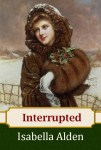
It was just an old letter she found stuck between the pages of a book. Though curious about how it got there, the only thing Miss Sarah Stafford intended to do with the letter was throw it away; but when an over-zealous servant mails the letter instead, Miss Stafford must do her best to get it back. Or should she? Before long, Sarah Stafford finds herself immersed in the lives of the young woman who wrote the letter years before and the confused young man who ultimately received it. But instead of changing their lives, that missent letter may alter the course of Miss Stafford’s future in ways she never expected.
This edition of the 1900 classic Christian novel includes a biography of the author and additional bonus content.
Johnny-cake was a staple on the menu of almost every meal prepared in an Isabella Alden novel. That’s because johnny-cakes were inexpensive to make and they were filling and satisfying. They were much like pancakes, but were made with corn meal instead of flour. The basic recipe was simple:
To a quart of Indian meal (corn meal) add a teaspoon of salt, a tablespoonful of sugar. Sift, scald with boiling water so as to make a very thick mush. Let it cool a little, then thin with milk so it will drop from a spoon. Have a griddle hot and well greased, and drop a spoonful of the batter for each cake. When brown, turn and brown the other side.
Johnny-cakes were usually served hot with butter or honey.
In Household Puzzles, Maria Randolph could make a delicious creamy johnny-cake that was so good that after eating them, “the comfort of the Randolph family reached a height unknown for weeks.”
In Mara, easy-going Gertrude was so placid about planning her wedding, her mother accused her of being willing to be “married in her old brown serge, and to have johnny-cake and warmed-up potatoes for refreshments.”
And when Mrs. Adams decided to earn a bit of extra money by keeping house for the Ward family in The Hall in the Grove, she had to put together a quick dinner for the family:
It was just the simplest of dinners: a dish of baked potatoes, a platter of beefsteak, a plate of butter, a plate of steaming johnny-cake, and a pot of tea. No pickles, or fruits, or relishes of any sort.
There were probably as many variations of johnny-cake as there were cooks. Some cooks fried them in bacon grease instead of lard, which gave them an attractive gold color and added flavor.
Adding an egg or two, sour cream or buttermilk made johnny-cakes light and fluffy.
Instead of frying, some cooks baked johnny-cake in the oven in a large pan, which they cut after baking into several servings.
In warm months when fruit was plentiful, cooks added applesauce or bits of apple, sliced strawberries, stewed pumpkin or peach preserves to their batter for a special treat.
Click here to read more about Isabella Alden’s books mentioned in this post.
Isabella Alden often drew on her own life experiences when she crafted her short-stories and novels. The incidents she wrote about weren’t necessarily historic or even life-changing, but she had a talent for sharing her own memories in a way her readers could identify with.
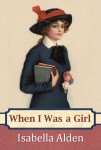
One of Isabella’s school experiences ended up as a short story titled “When I Was a Girl.” It happened when Isabella was a young student at Oneida Seminary in New York.
Gathered in the school assembly hall one day were all the teachers and pupils, as well as friends and parents of many of the students. Isabella was one of six young students chosen to read their own compositions at the assembly, and the audience was to vote by ballot for the best essay.
Being a talented writer from a young age, Isabella won the prize; but soon after she received her award, a rumor began to spread through school that the composition she read was not her own—that she had copied the words from a printed book!
Soon Isabella was in the office of Dr. Branner, the school principal. He confronted Isabella with the allegation, which she hotly denied.
Moments later, another student named Ophelia entered the office. Ophelia had been one of the five other students who read before the assembly, and she had been bitterly disappointed at not winning the prize awarded to Isabella—and it was Ophelia who was the source of that horrible rumor.
In her memoirs, Isabella described what happened next:
Dr. Branner’s manner was coldly dignified as he asked Ophelia:
“Am I to understand that you still insist that there is a book in your father’s library which has in it every word of the essay that took the prize in our school last week?”
Ophelia’s face as she answered the question was almost smiling, and she answered briskly:
“Of course, word for word. I didn’t suppose you were accusing me of telling lies!”
“Very well,” said the principal quietly. “Then you may go home at once and bring that book to me. We will wait here till you come.”
A high school in Hoosick Falls, New York, 1907
Isabella spent many anxious minutes waiting for Ophelia to come back with the book. In her story, “When I Was a Girl,” she described the moment when Ophelia returned. She made a few minor changes to some of the details in the story. For example, she changed the names of the school principal and the other student involved; she also added additional description she didn’t mention in her memoirs; but the finale—the truth of what happened when Ophelia returned to the principal’s office that day—is straight from Isabella’s childhood memory.
Click on the cover to the read Isabella’s short story, “When I Was a Girl” and find out how the story ended.
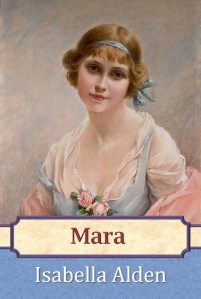
In 1902 Isabella Alden published her most controversial book, Mara.
Mara is the story of a young woman who unknowingly marries a Mormon man with multiple wives. What made Mara controversial wasn’t the plot. Novels with similar themes of an innocent young woman duped into marrying a polygamous Mormon husband had been published for over 50 years.
An 1875 photo of Ann Eliza Young, the 19th wife of Brigham Young, at the age of 31.
Author Metta Victor created the sub-genre with her book Mormon Wives, published in 1856. In the book two women, life-long friends, find themselves married to and betrayed by the same Mormon man.
Cover of the 1890 edition of A Study in Scarlet by Arthur Conan Doyle
After that book’s success, an estimated fifty novels were published by 1900, vilifying the Mormon religion. Sir Arthur Conan Doyle’s book, A Study in Scarlet depicted Mormon President Brigham Young as a villain and the Mormon Church steeped in kidnapping, murder and enslavement of its women.
An 1899 photograph of seven of Brigham Young’s Wives
So what made Isabella’s novel Mara different from all the others?
In 1902 when Mara was published, the topic of polygamy was at the forefront of American consciousness. Only a few years before, Americans believed, polygamy had been abolished; they believed plural marriages did not exist because the Mormon Church had assured the Federal Government the practice had been abolished. That assurance had been required of Utah as part of its transition from territory to state.
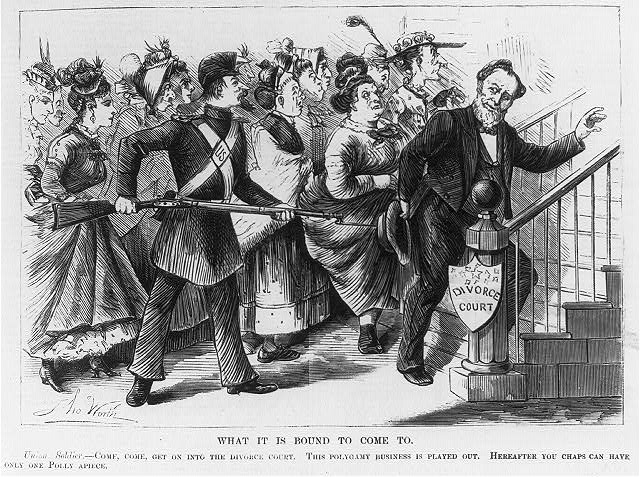
An 1873 cartoon shows a Union soldier prodding a Mormon man and his wives into the divorce court: “Come, come, get on into the divorce court. This polygamy business is played out. Hereafter you chaps can have only one Polly apiece.”
Utah’s transition had been a long and contentious process. The Federal Government had tried numerous ways of outlawing polygamy in the past through the 1862 Morrill Anti-Bigamy Act, and again in the 1882 Edmunds Anti-Polygamy Act. But the LDS Church defied the laws and continued to sanction plural marriage. Under President Grover Cleveland the Federal Government tried to enforce the laws by arresting and imprisoning men who could be proven to be polygamists.
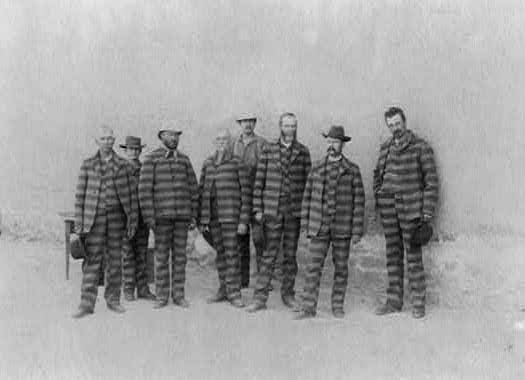
Polygamists in the Utah Penitentiary 1885
But the Federal Government’s only effective weapon was blocking statehood, and residents of Utah keenly felt the effects. They couldn’t vote in Federal elections and their territory was ruled by a governor, secretary and judges appointed by the President of the United States.
In 1890 the LDS Church appealed to the U.S. Supreme Court, arguing the Edmunds Anti-Polygamy Act was unconstitutional because it prohibited Mormons from practicing their religion, of which plural marriage was an essential part. The U. S. Supreme Court ruled in favor of the Edmunds Act.
Mormon Church President Joseph F. Smith with his wives and children, circa 1900
In 1890 Mormon Church president Wilford Woodruff published his “Manifesto,” which declared an end to the practice of polygamy in the Church. Doing so paved the way for Utah to become a state; and six years later Utah joined the Union. Protestants in America breathed a sigh of relief.
But almost immediately after the Manifesto was issued, certain members of the Mormon Church resumed the practice of polygamy clandestinely. Ranking members of the Church’s Quorum of the Twelve Apostles and other members of the Church entered into plural marriages—and sanctified plural marriages of others—in direct defiance of the Manifesto.
Senator Reed Smoot
The rest of the country felt it had been duped and a wave of outrage swept across America. Some believed there was a great Mormon conspiracy to take over the U.S. government. Concern deepened when the Utah Legislature chose Reed Smoot—a member of the Church’s Quorum of the Twelve Apostles—to be the State’s new Senator.
Protestant churches organized massive petitions against allowing Mr. Smoot a seat in the Senate; and the U.S. Senate responded by conducting a multi-year investigation into the Mormon Church and its influence in the state of Utah.
Mara was written in the climate of that time. Like other anti-polygamy novels before, Mara’s plot centered around a young woman who married a successful and gentlemanly man from Utah, only to later discover she was his latest in a string of wives. Mara was also a reminder to readers that America had to remain vigilant in ensuring polygamy as a practice was removed from American society.
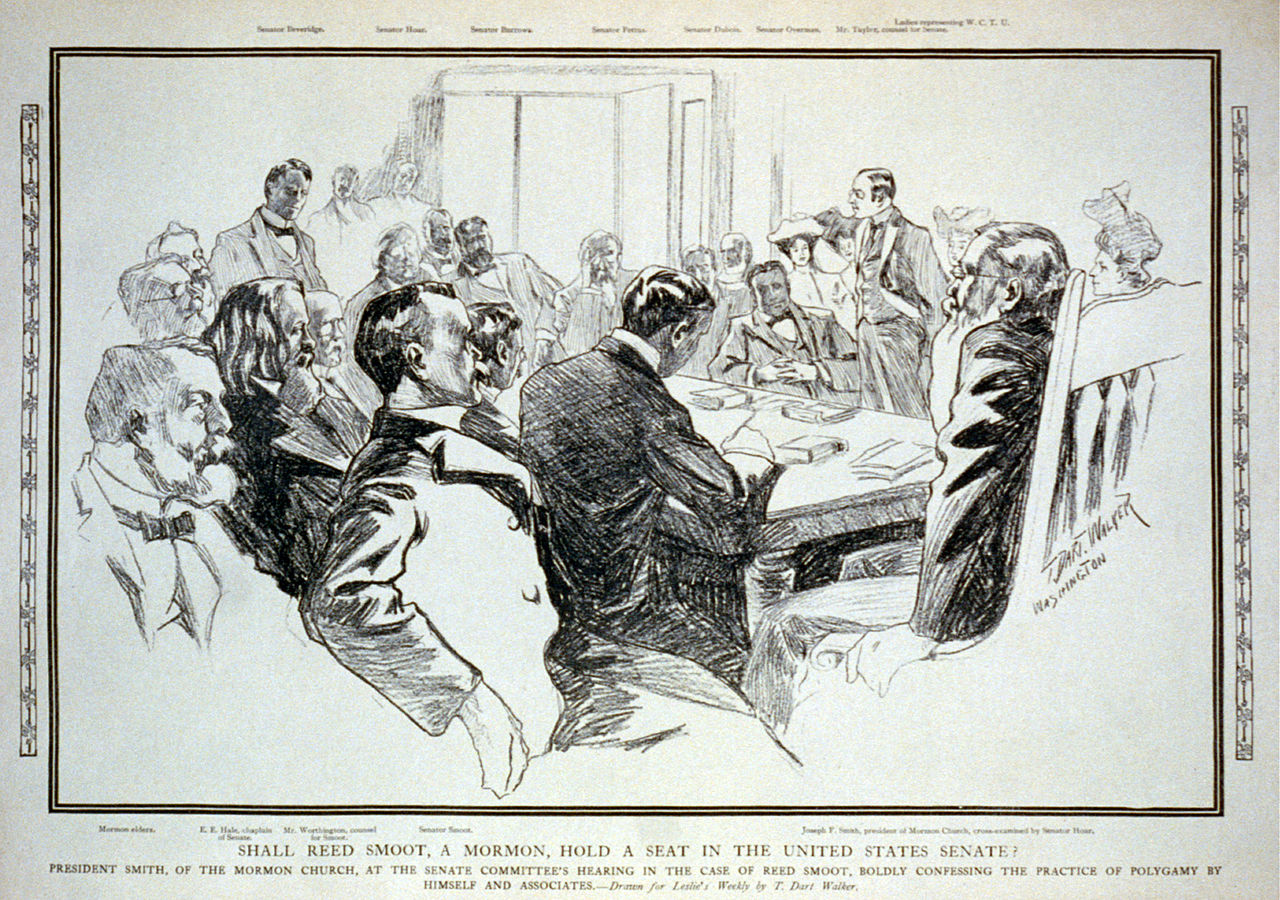
Newspaper illustration of Mormon President Joseph F. Smith (seated in the white chair on the right) giving testimony to Senator George Frisbie Hoar during the Reed Smoot Senate Hearing.
Today some might think Mara’s plot is simply sensational fiction; but Isabella Alden’s novels were always rooted in a common truth: her characters lose their way only when their relationship with God wanes. She used the story to show how easy it was for a young woman to fall under a wrong influence in a time of weakness in her life.
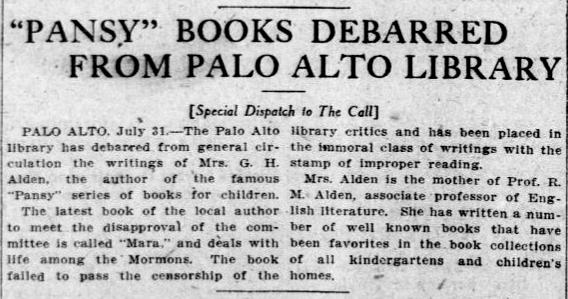
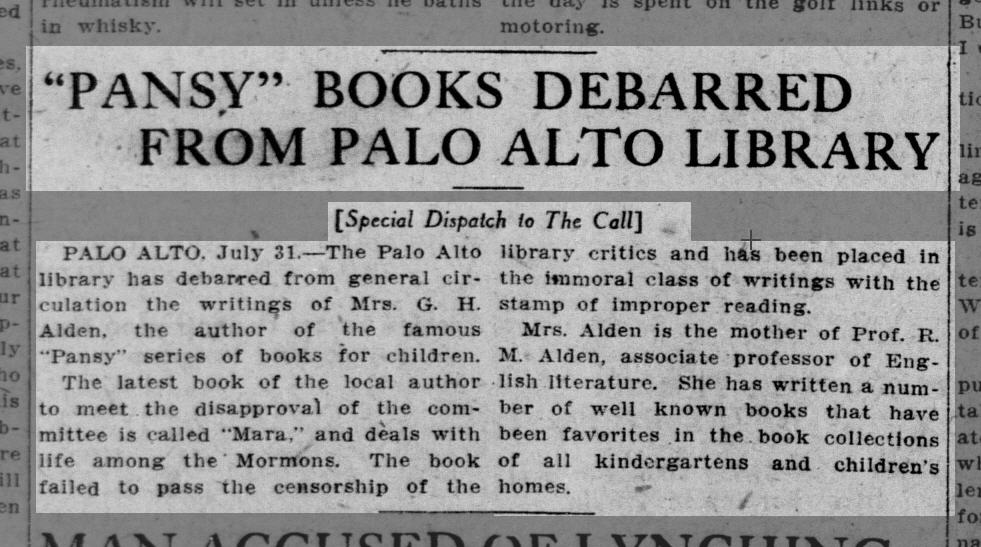
In Mara Isabella also displayed some sympathy for the wives and children of the plural unions, which may have been one reason the book came under scrutiny. Some public libraries, including the library in Isabella’s town of Palo Alto, California, banned the book because it dealt with the topic of polygamy, which library trustees considered an immoral practice.
Article in the San Francisco Call on August 1, 1910
America, for the most part, did not share Isabella’s pity. Their abhorrence for polygamy (and all who engaged in the practice, including the wives) reached new heights during the four years it took the U.S. Senate to conduct their investigation into practices of the Mormon Church. In the end, the Mormon Church submitted to pressure and outlawed polygamy once and for all, and established a new practice of excommunicating Church members who entered into plural marriages.
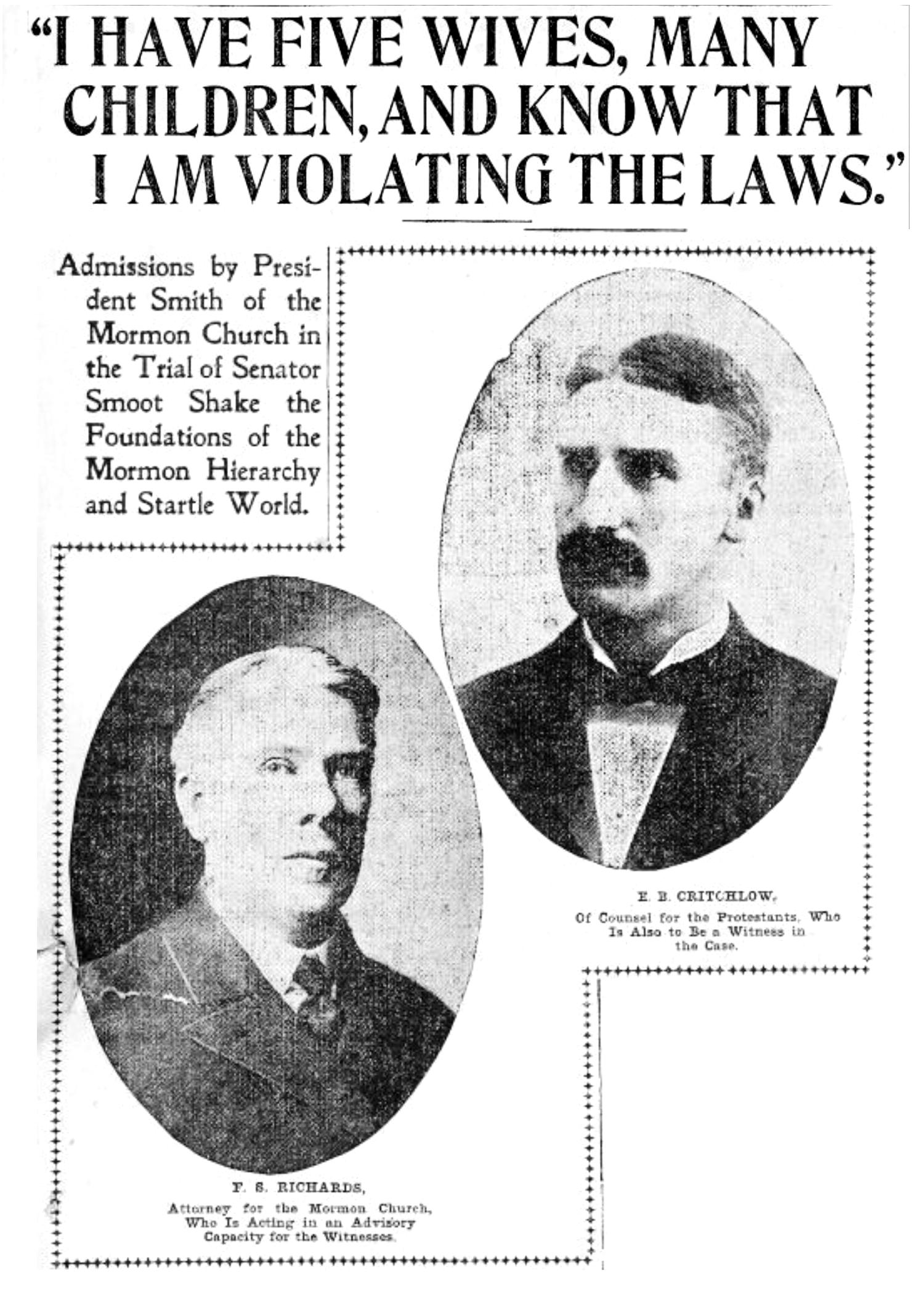
Headline about Mormon President Joseph F. Smith’s Senate testimony from The Salt Lake Tribune, March 4, 1904. His honest, straight-forward testimony shocked America.
Reed Smoot was eventually seated as a United States Senator from the State of Utah. He served his state and his country honorably for almost thirty years, and, by his conduct, helped force a profound shift in America’s perception of Mormonism.
Eventually, Mara was returned to the shelves of the Palo Alto Public Library, but many libraries and stores considered the book too controversial to stock.
When you think of “banned books” what comes to mind? Books that encourage radical or treasonous ideas? Fiction filled with descriptions of salacious sex or horrific violence?
Imagine, then, what must have been Isabella Alden’s first thought when she discovered her books were banned in some public libraries across the United States.
Banning (or “debarring”) books from circulation in public libraries was something of a regular practice in the late 1800s and early 1900s. Libraries often questioned whether they were justified in giving shelf space to “common novels.” It was even a topic of extensive discussion at the American Library Association meeting of 1894.
With only so much shelf space and limited dollars with which to purchase books, library trustees often wondered if resources should be restricted only to books that offered “instruction, or culture, or taste.”
Headline in the San Francisco Call newspaper on March 17, 1901
The City of Boston Public Library devised a solution. They established a reading committee in 1895. The committee of 15-20 people was tasked to read all the fiction books the Boston Public Library was considering buying, and report their findings.
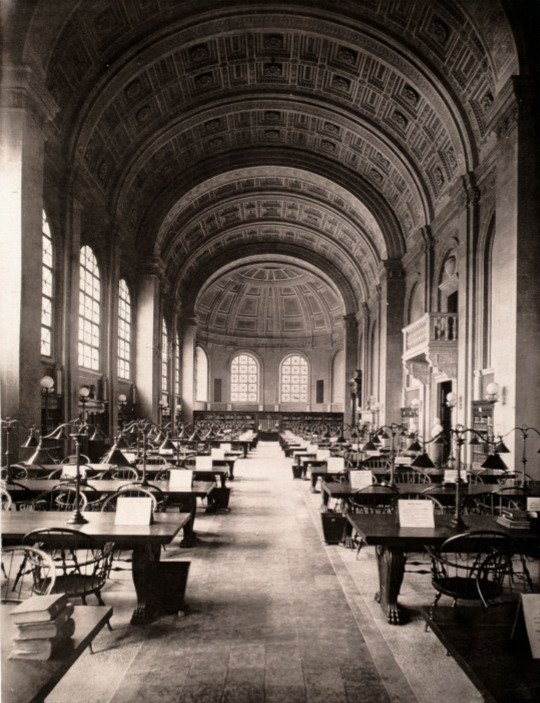
The Boston Public Library, circa 1908
The Boston Public Library was always careful to say that the reading committee did not select books for the library; they merely gave an opinion about whether a book was “worthy.” But thanks to the reading committee’s reports, the Boston Public Library passed on most of the best-selling fiction books of the time. Jules Verne’s An Antarctic Mystery didn’t make the cut; neither did David Harum by Edward Noyes Westcott, even though it was the best-selling novel of 1899.
Where the Boston Public Library led, other libraries followed. The New York Public Library implemented a similar plan, and libraries in small and large cities across the country followed suit.
Public Library in Dayton, Ohio, 1906
Unhappy readers complained, arguing that libraries should supply books the public wanted to read, but their complaints made little difference. Instead, the Boston Public Library added members to the reading committee and increased the number of books they reviewed each year.
Adding fuel to the fire: libraries refused to give reasons books were banned or removed from circulation. Newspapers, publishing houses, and writers who deplored the practice were left to guess at the reason a particular book was banned.
In 1901 Isabella Alden’s books fell under the scrutiny of the Boston Public Library’s reading committee. Here’s an excerpt of an article that ran in the San Francisco Call on March 17, 1901:
Excerpt from the New York Times, March 2, 1901
In their annual report for that year the Boston Public Library didn’t specifically mention Isabella Alden’s books, but it did give some insight into the reading committee’s reports about books they reviewed. Here’s what the reading committee said about these fiction books:
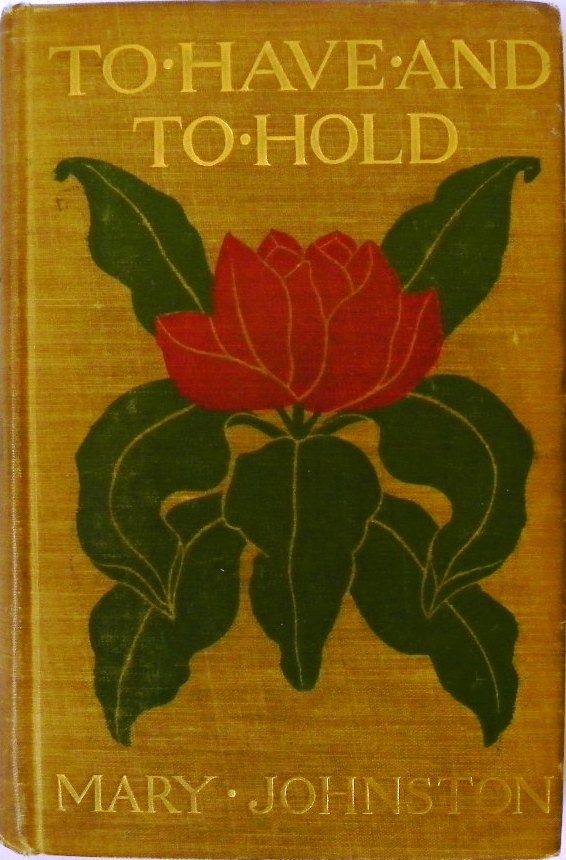
To Have and to Hold, the best-selling novel of 1900, by Mary Johnston would have been better “if some of the agony had been reserved for another occasion.”
Unleavened Bread by Robert Grant was characterized as a “very disagreeable and excellent story against women’s clubs.”
The Soft Side by Henry James was “an interesting puzzle for one who cares to see how a clever writer can hide plot, expression, style, clearness and force under a rubbish heap of senseless words.”
Blennerhasset, the 1901 best-selling historical novel by Charles Felton Pidgin, was rejected because “the author conveys the impression that Aaron Burr was a gay Lothario, and nowhere indicates reprobation of his conduct.”
The annual report summed up what the committee believed made a good novel:
“People generally want something which is restful, interesting and will take their thoughts away from themselves, and something that ends well.”
That guiding principle of the reading committee may have influenced the library’s decision to ban Isabella’s books from their shelves. Unfortunately for Isabella, she wrote books that made readers think, search their hearts and examine their own actions. And sometimes Isabella’s books didn’t necessarily end on a happy note.
Interior of the Boston Public Library, 1896
By 1902 The Boston Public Library gave up trying to hide the fact that they were not interested in stocking works of fiction:
“The trustees … are of the opinion that most of the books of this character now published have little permanent or even temporary value.”
In other words, reported the Daily Sun on November 1, 1902:
“The library is no longer attempting to meet the demand, where the demand is for trash, and the word trash has been made to include a considerably larger class of stories than formerly.”
Indianapolis Public Library, 1905
Because many libraries took their lead from the Boston Public Library, authors like Isabella Alden had good cause to be concerned.
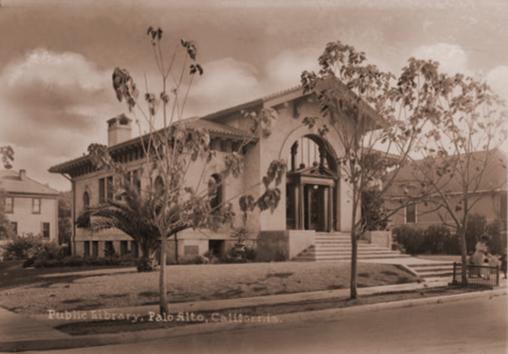
Palo Alto Public Library, circa 1907
In 1910 Isabella was living in Palo Alto, California when the local public library took exception to one of her books (that had been published eight years earlier).
From the San Francisco Call, August 1, 1910
It must have been shocking for Isabella to have one of her books labeled as “immoral” when the message of God’s love and plan for salvation was a strong and consistent theme throughout her novels.
We can only guess what action Isabella might have taken. Two weeks later, however, the Palo Alto Library reversed their decision and Isabella’s books were once again on the library’s shelves.
But Isabella had to remain vigilant to ensure her books, including her most controversial book, remained available in libraries for everyone to read.
There is no place on the road so dark but that the Bible can light you through, if you try it. When you don’t understand it, there is always Jesus to go to, you know.
“Girls, don’t you think our church is just dreadful?”
That’s the question Claire Benedict asked the students in her music class at Mrs. Foster’s academy. As the new music teacher in town, Claire was appalled when she saw the condition of the church for the first time.
Bare floors, faded red curtains, smoke-covered walls, cobwebs, and a table covered with dust that did duty as a pulpit—that’s what greeted Claire when she first took a seat in one of the hard, un-cushioned pews.
Claire knew the town residents were poor and had little to look forward to, but she didn’t believe that justified abandoning the care of their church.
She had seen at least the outside of several of the homes in South Plains, and nothing like the disorder and desolation which reigned here was permitted about those homes. How could Christian people think they were honoring God by meeting for his worship in a place that would have made the worst housekeeper among them blush for shame had it been her own home?
“A palace built for God!” her heart said in disdain, almost in disgust. “It isn’t a decent stopping-place for a respectable man.”
Her students agreed with her.
“Dreadful? It is just perfectly horrid! It fairly gives me the blues to go to church. Girls, mother has almost spoiled her new cashmere sweeping the church floor with it. She says she would be ashamed to have our wood-shed look as badly as that floor does. I don’t see why the trustees allow such slovenliness.”
“It is because we cannot afford to pay a decent sexton,” sighed one of the others.
“We are so awful poor! That is the cry you always hear if there is a thing said. I don’t believe we deserve a church at all.”
Claire had partially turned back to the piano, and she touched the keys softly, recalling a long-forgotten strain about “Girding on the armor,” before she produced her next startling sentence.
“Girls, let us dress up that church until it doesn’t know itself.”
If the first words had astonished them, this suggestion for a moment struck them dumb. They looked at one another, then at the resolute face of the musician. Then one of them gasped out:
“Us girls?”
“You don’t mean it!” from two dismayed voices.
“How could we do anything?” from a gentle timid one.
But the girl who had found courage to speak before, and to volunteer her opinion as to the disgraced church, sounded her reply on a different note:
“When?”
From that tentative beginning, Claire and her students marshaled their wits and their resources to take on the responsibility for maintaining the church. In fact, they became the new sextons.
The Sabbath following the installation of the new sextons marked a change in the appearance of the old church. The floors had been carefully swept and cleansed.
Not a particle of dust was to be seen on that Sabbath morning anywhere about the sanctuary. From force of habit, the men carefully brushed their hats with their coat-sleeves as they took possession of them again, the service over; but the look of surprise on the faces of some over the discovery that there was nothing to brush away, was a source of amusement to a few of the watchful girls.
When they took on the project, Claire and her students wanted nothing more than a respectable and pleasant place to worship God. But their efforts resulted in changes they didn’t anticipate. Soon others joined their work group to make even more church improvements, and their minister found renewed inspiration for his sermons. People who hadn’t attended church in years began to show up on Sunday mornings, and the community took notice.
Before long, the little church in a poor area became a beacon of hope for the entire town.
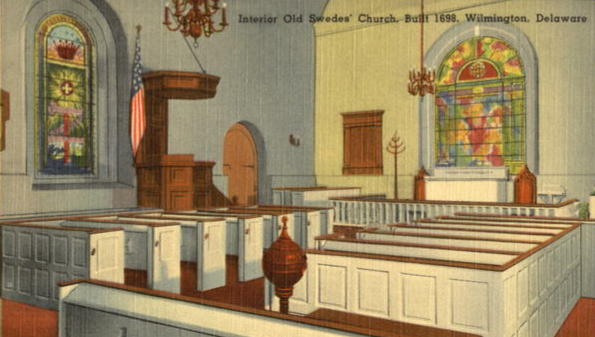
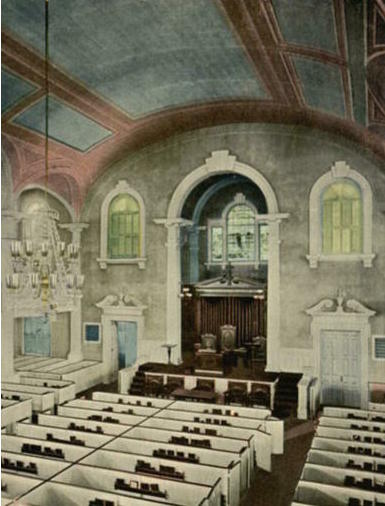
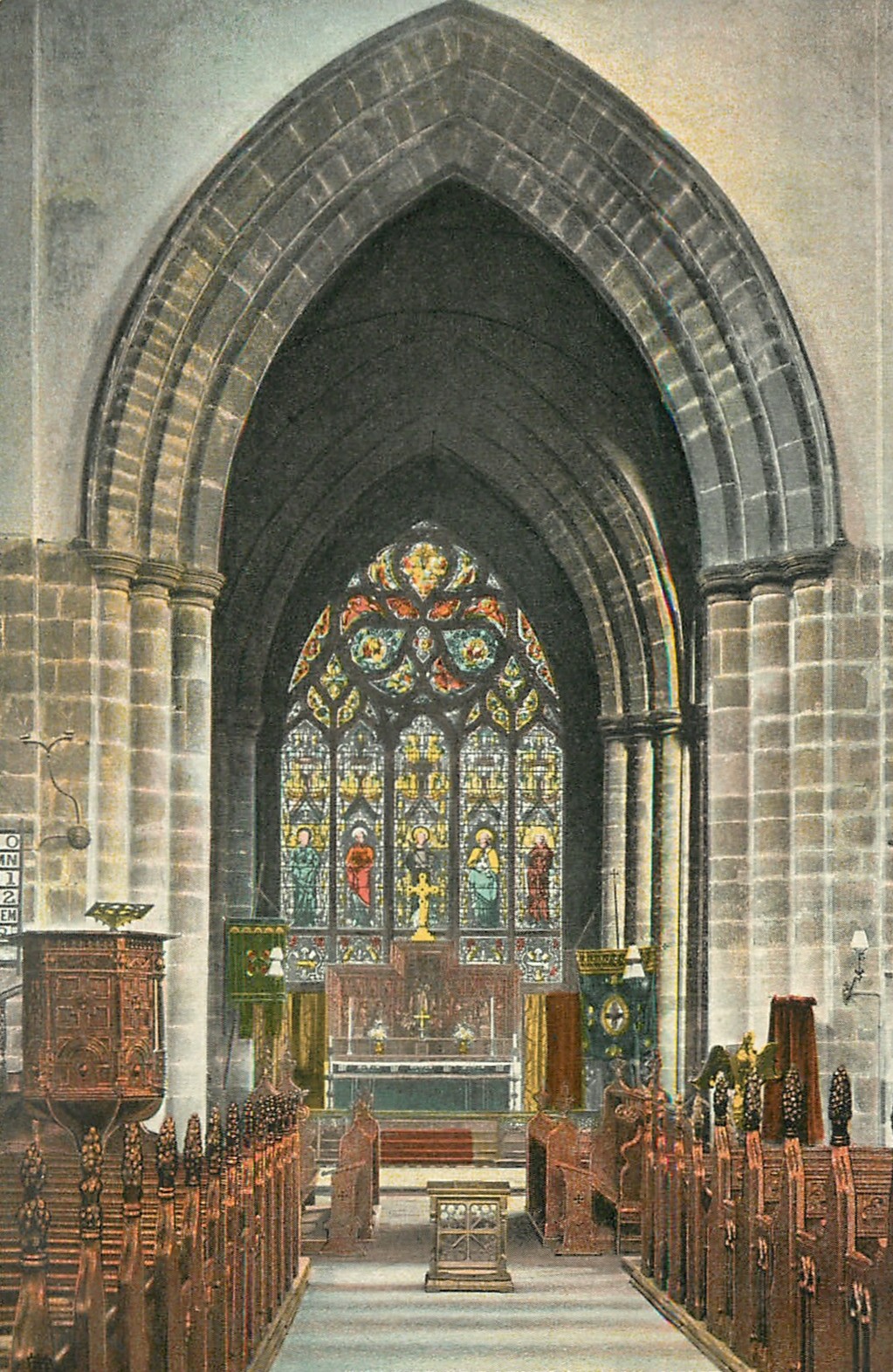
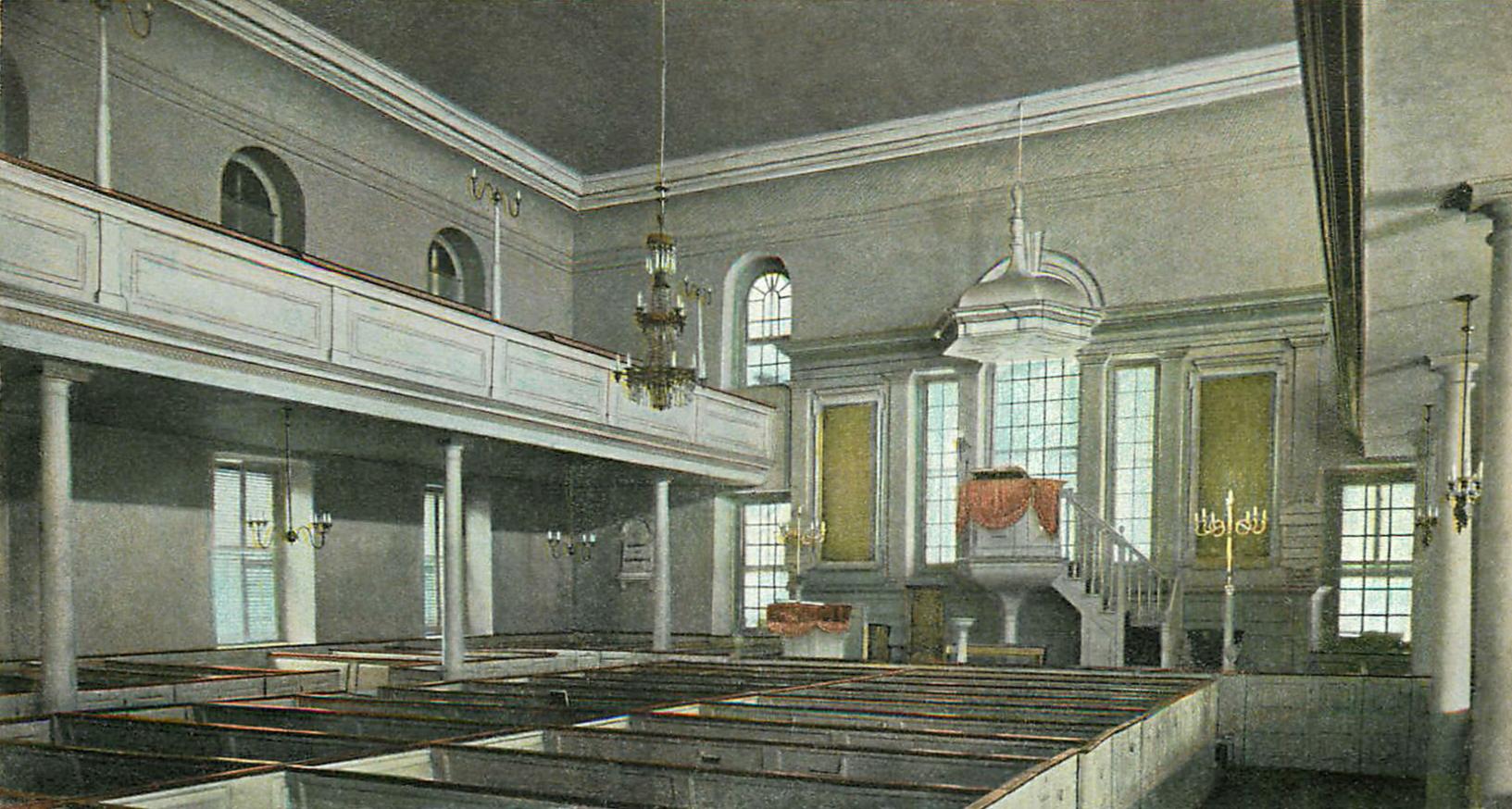
The photos of church interiors in this post were taken between 1900 to 1911 and show what Claire’s church might have looked like. Click on each image to see a larger version.
You can find out more about Claire Benedict’s story and the way God used her to change her neighbors’ hearts and souls. Click on the book cover to read more.
Reviews and giveaways for Christian fiction and sweet, clean fiction. Bringing readers information on great stories and connecting authors with their readers.

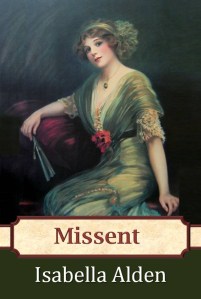 Missent is now available!