
Isabella Macdonald Alden and her sister Marcia Macdonald Livingston were always very close. They were both married to Presbyterian ministers, and both found success as writers of Christ-centered novels, as well as short stories for Christian magazines.
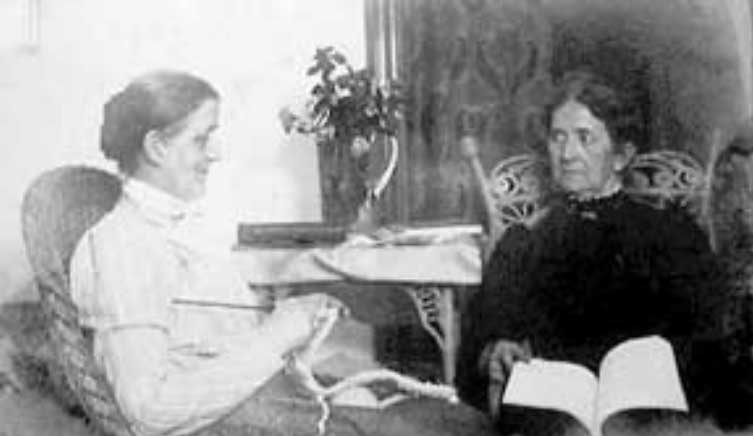
In 1898 the sisters learned through their churches about the plight of a retired minister and his wife who were in danger of losing their home. The couple needed just $150—about $5,900 in today’s money.
Isabella and Marcia knew from experience how difficult it was to live on a minister’s inadequate salary, and how that meager income made it nearly impossible to save anything for retirement. The elderly couple’s plight touched the sisters’ hearts and they decided to take action.
The sisters wrote a joint appeal for donations on behalf of the elderly couple. Their letter was published on May 4, 1898, in a weekly Christian magazine and read as follows:
TO THE WIVES OF PRESBYTERIAN MINISTERS.
Dear Friends: Let us beg your pardon in the beginning for addressing you. Our excuse must be that we feel we are not strangers, but friends; the mystic bond which unites the wives of all those who have given themselves to the ministry of the gospel of Jesus Christ unites us, as well as that dearer, stronger one, Jesus Christ being our Elder Brother. It is because it seems that he has put it into our hearts to send you this word that we do it.
It has come to our knowledge that there is in our beloved Church a minister and his wife who sorely need a little help just now to tide them over a hard place. The facts are, briefly, these:
A Presbyterian minister, formerly in active service as pastor, now broken in health and nearly seventy years of age, invested his little all several years ago, in a small place in California, hoping to make a living by raising fruits and vegetables for the market. He and his wife, who is now partially crippled by rheumatism, have worked heroically on their home, but the unprecedentedly hard times of the past few years, as well as increasing ill health, were against them. The little home, so carefully and prayerfully worked for, is in danger. A mortgage of only $150 rests upon it; but, unless even that small sum be raised promptly, it must go.
A minister and his wife belonging to our grand Church, sick and old and with no home! Isn’t it pitiful that such a thing should be, when they have given their best years to the Church?
Why are we telling you? It has come into our hearts that possibly 148 ministers’ wives will each spare $1, to be placed with our $2, to be sent at once to this dear minister’s wife, who can no longer work with her crippled hands, as she has bravely done, to help support her sick husband. This, as a token that we are sisters and recognize the bond.
While we write the words we remember that probably some cannot do even this, and are moved to ask that any who can will make their offering $2 or $3, or even $5, for the sake of those who would respond but cannot, and for the sake of those who will mean to do it, when they read these words, but who will let the cares of this busy world crowd it from their minds.
The sisters closed their appeal by providing their home addresses where donors could send money, and a promise to provide updates in a future issue of the magazine.
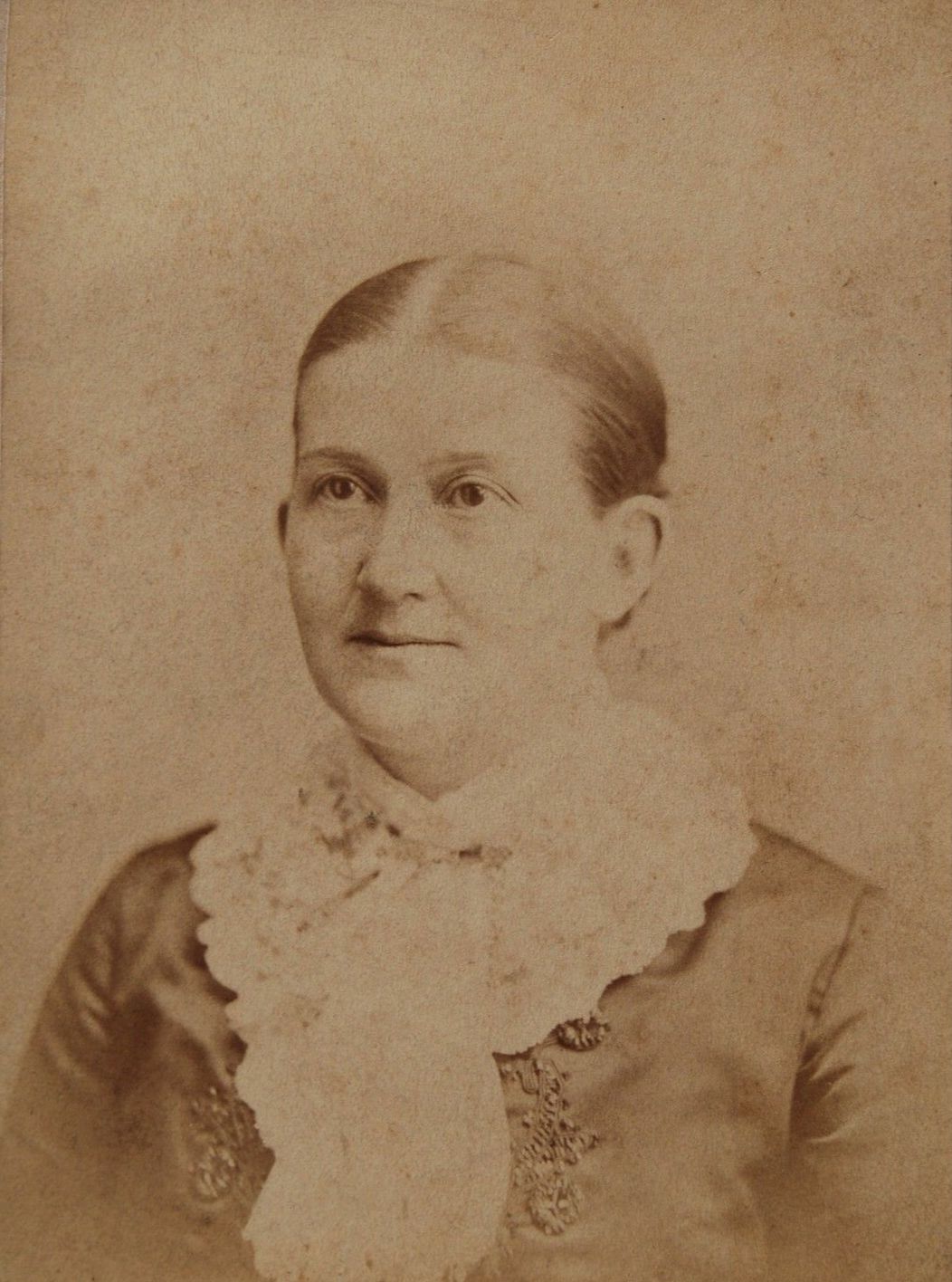
It’s hard to know what their expectations were. Perhaps they thought they’d eventually receive a few donations that they could add to their own and forward to the retired minister and his wife.
But that’s not what happened! You can imagine Isabella and Marcia’s excitement when they wrote the following update, which appeared two weeks later on May 18 in the same magazine:
AN ACKNOWLEDGMENT.
Dear Friends: It gives us pleasure to report at this date the receipt of $41 towards the $150 that we are trying to raise to save the little home, of which we wrote you last week. As the magazine containing the appeal has been issued only four days, including Sunday, the replies thus far have been instantaneous.
The sum of $41 in today’s economy is about $1,600. That’s an astonishing amount to receive in so short a time! The sisters continued:
Our gratitude for these kindly and prompt responses is very great. We are looking to receive many more before the week closes. One friend writes that she hopes we will excuse her for not being a minister’s wife, and yet for sending her offering! We are delighted with her.
We remember that there are ministers’ wives by the score who gladly would, but cannot; it is fitting that some more blessed with this world’s goods should reply for them. Two dear ladies have already done so; one sent $5, the other $10.
One friend hopes that we will receive much more than the sum called for and be able to make an additional gift. We echo the hope.
Later it will be our pleasure to give a somewhat more detailed account of this pleasant work, and of some of the precious letters that have come to us. There have already been received gifts that represent sacrifice and letters that would touch your hearts. Yours sincerely,
What a promising start for the sisters’ fund-raising campaign!
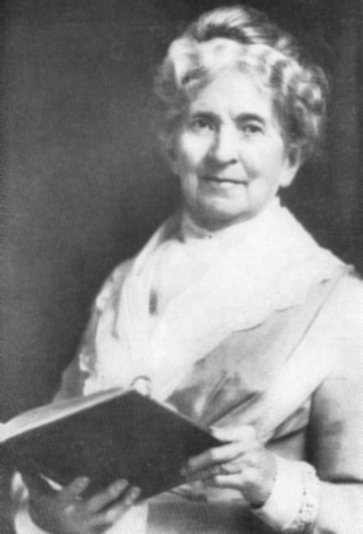
Their next update was published three weeks later on June 8 with the following headline:
THE MORTGAGE LIFTED
The sisters’ wrote:
Dear Friends:
It is with pleasure and gratitude that we come to you with the final result of our appeal for those dear servants of God in California, asking you to lend a helping hand in saving their home.
You will remember the amount of the mortgage was $150, and we have the joy of telling you that we have received in all the sum of $210.
That $210 would be equal to about $8,300 in today’s money! The sisters continued:
Undoubtedly it will be a blessing to our dear friends to receive these tokens of fellowship, but the Lord’s own statement, that it is “more blessed to give than to receive,” seems again to have been verified.
Nearly every letter writer has taken time to add a word of tender sympathy and to express the wish that the sum desired might be much more than realized.
As we read the heart-lines accompanying them, we wished that you could all enjoy them with us. It has been interesting to note how many ministers’ daughters responded, “begging the privilege” of being counted in.
One friend wrote that she was not in any way connected with ministers, but she was a member of the Presbyterian Church, and she felt it a precious privilege to lend a helping hand to these servants of the Lord in their hour of need.
Another, who said she “had just begun to be a minister’s wife,” was only too glad to inaugurate her service in this way. Still another begged admission to the circle on the plea that she expected “very soon” to become a minister’s wife.
Many ministers’ widows, out of their small incomes, sent glad offerings. One who was nearing her eightieth year, but who had a good home, the rent from which supported her, joyfully offered her gift. Another token was from an old minister and his wife, who said that they had no home to save, but the Lord had taken care of them for seventy-eight years, and given them a little with which to help others.
One wrote, “Your appeal coming so soon after our Sunday-school lesson on ‘Giving,’ afforded some of us an opportunity to show our faith by our works. How thoughtful of our Lord!”
There were gifts from those who “had to count even the dimes carefully to make the ends meet, but were glad to share with others.”
Times without number we were thanked for affording the opportunity, and the wish was constantly expressed that much more than the sum called for might be received.
Now, in regard to the recipients of these gifts, nothing would afford us greater pleasure than to copy at length the beautiful and touching letter received from the dear wife, in response to the check sent her. The length of the letter and the personal character of some of it deter us. A few sentences, however, we feel that we must quote. The letter commences:
“Dear, dear friends: What can I say? Words will not express my feelings! God only knows the heart, and he knows how thankful, oh, how thankful, we are to you for all your great and noble kindness. God bless you all, and ever keep you in the hollow of his hand, safe from all want. I want to tell you how it was, so far as words will. My husband was out in the yard when your letter came. I called to him and said: ‘Come in; I want to show you something.’ When he came in I said: ‘Put on your glasses;’ then I handed him the check. He is a man who thinks before speaking. As he sat looking at it I said: ‘Cannot we trust the Lord?” Then I could not keep the tears back any longer, and still he had not spoken. He sat with bowed head, and I knew he was thanking God for his loving kindness. When he looked up his eyes were full of tears, and when he heard how it was, he said: ‘The Lord guided you.'”
Was there ever a more beautiful word picture made than that? The entire letter, which is long, is the out-pouring of hearts almost over-burdened with gratitude. As we read we could hardly help feeling that the offerings were small and poor as compared with the wealth of the return; but, after all, that is what was promised: “Good measure, pressed down, shaken together, running over.” May the blessing of him who “maketh rich and addeth no sorrow” be upon every giver.
Yours sincerely,
Marcia Macdonald Livingston
Isabella Macdonald Alden (Pansy)
What is most striking about this story is how Isabella and Marcia immediately moved from sympathy to action. They didn’t just feel bad about the elderly couple’s situation—they did something about it. Using their talents as writers and their influence in the Christian community, they rallied others to join them in making a difference.
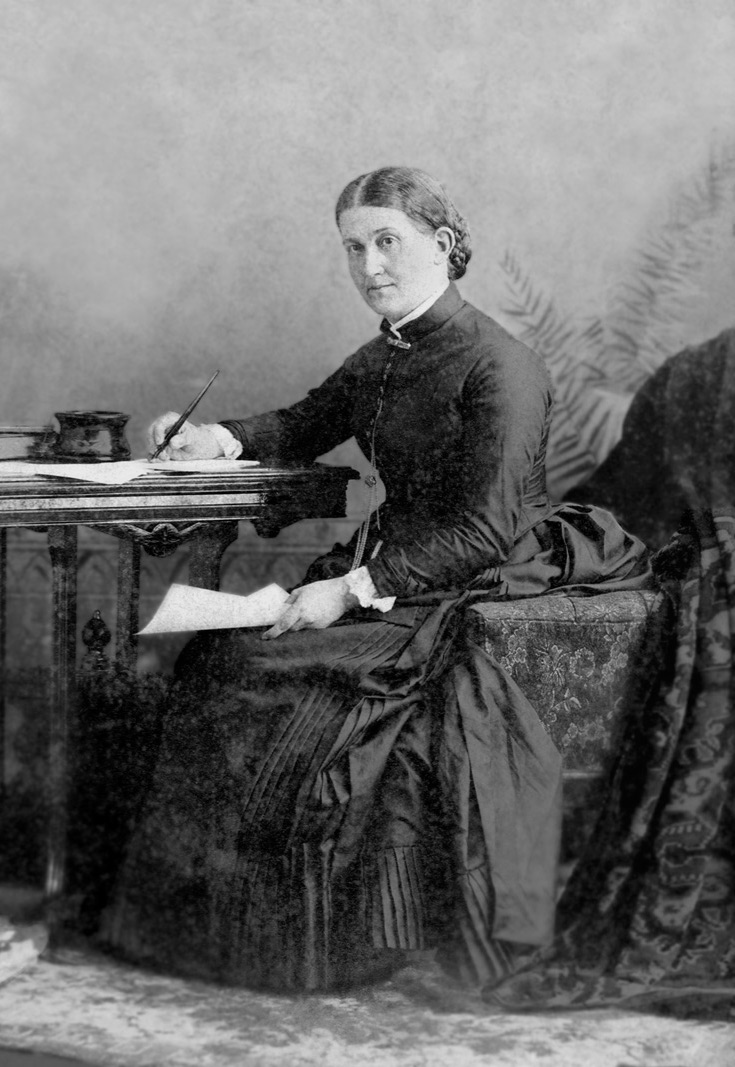
The sisters are an example of practical Christianity at its finest. They believed wholeheartedly that even the smallest gesture done in Christ’s name mattered, and the overwhelming response they received proved they were right! Within weeks, they hadn’t just raised $150—they’d collected $210 and created a community of givers who experienced the blessing of helping others.
Isabella and Marcia were women of action who used every gift God gave them to serve others. It’s a reminder that we all have something to offer, and that acting on our faith—even in small ways—can create ripples far beyond what we imagine.




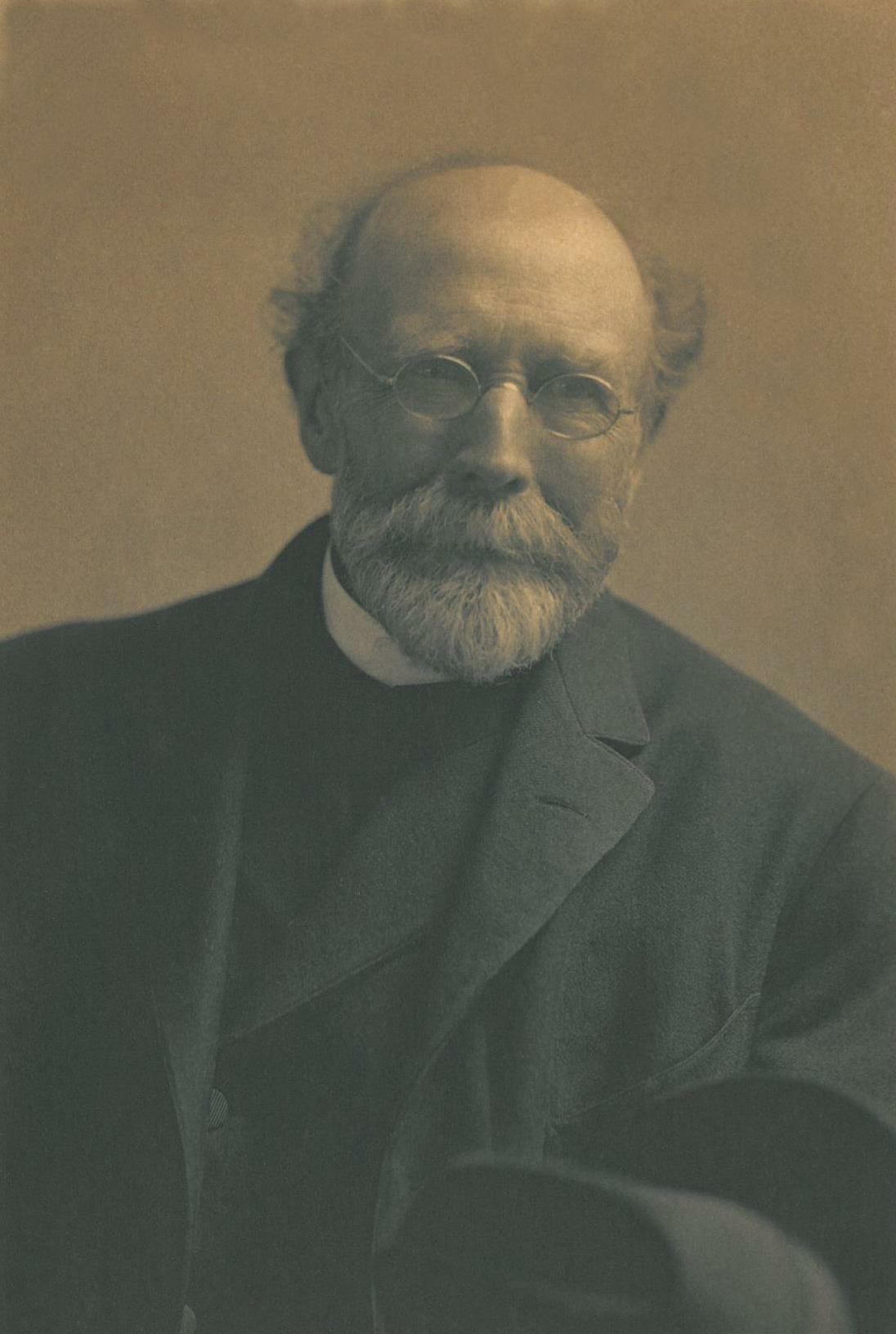
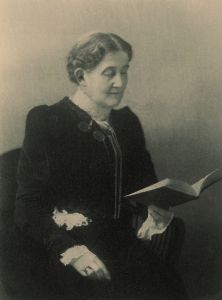











 Isabella Alden