Isabella’s Christmas Tradition

When Isabella wrote Missent; the Story of a Letter, she created a heroine named Sarah Stafford. Sarah was strong, yet sympathetic; wealthy, but lonely, too. Alone in the world, Sarah yearned for a family, which is one of the reasons she decided to rent rooms as a boarder in the home of the Dennison family.
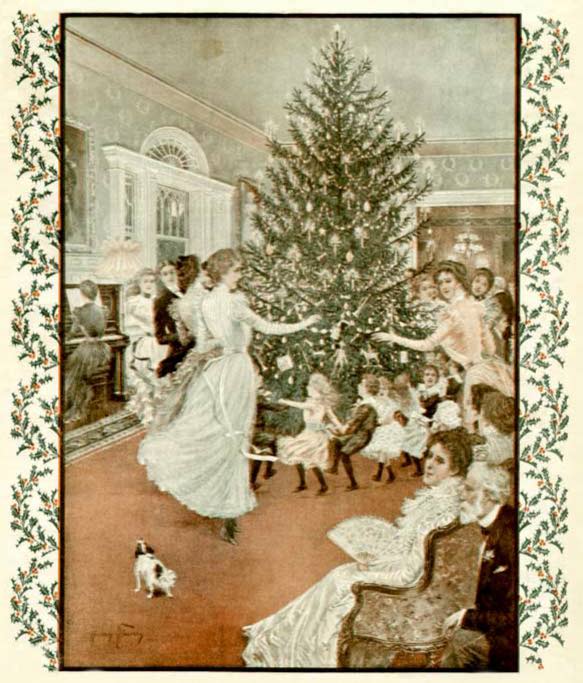
LadiesHomeJournal1898 edThere Sarah spent Christmas day with the family and took part in their Christmas celebration and fun. In the book, the family made a game of distributing gifts by making up rhymes and riddles, and having the recipient guess what the gift was before it could be opened.

That game was actually part of Isabella’s real family tradition. The entire family gathered together at Christmas—Isabella, with her husband and son; Isabella’s mother and sister Julia; her sister Marcia, with her husband Charles and daughter Grace.

On Christmas morning, there were many gifts to be opened, “nearly all of them quite inexpensive, most of them home-made, occupying spare time for weeks beforehand; occasionally a luxury, but more often a necessity, a little nicer perhaps than would have been bought at an ordinary time because it was Christmas.”

Gifts 01

Isabella’s niece, Grace Livingston Hill, remembered those family Christmas mornings with love. “Our Christmases together were happy, thrilling times.”

Grace also described the process they used for handing out the gifts:

The ceremony of distribution was a long delight, because it was a rule that each present, no matter how small, should be accompanied by an original poem or saying that was appropriate to the gift, the giver or the receiver. The rite lasted usually far into Christmas morning, with shouts of laughter over each reading, and Aunt Julia, or Grandma, or one of the others would frequently have to be excused and the ceremonies held up for a few minutes while the turkey was basted, or the mince pies taken out of the oven, filling the house with delicious Christmas odors.
Food fruit cake 1922 ed

It was on one of those Christmas mornings that Isabella gave her niece a gift that would influence her life: one thousand sheets of typewriter paper. With the paper was a note, wishing Grace success with her writing and encouraging her to “turn those thousand sheets of paper into as many dollars.”

An early, undated photo of Grace Livingston Hill

At the time, Grace was just beginning to write bits of stories with no thought of ever trying to publish them. But Isabella’s gift changed that.

It was the first hint, Grace later wrote, that anyone thought she could write professionally.
Cover_Missent v2 resizedIt’s no wonder that Isabella used her own experience to write about Sarah’s Christmas with the Dennisons in Missent; the chapter was completely based on her happy and love-filled Christmas mornings with her own family. You can click on the book cover to learn more about Missent; the Story of a Letter.

Do you have a Christmas tradition that brings your family together? Please share it in the reply section below.

Faith and Love is Now in Paperback

Cover_Story Collection 07 resizedFaith and Love is now available in print! This exclusive collection of short stories by Grace Livingston Hill and her mother Marcia Livingston is available from Amazon, Barnes and Noble, and wherever print books are sold.

Get the print book:

Amazon button 2   Barnes and Noble button

Download the e-book:

Amazon button   Nook button   Kobo Button


God’s Portion (and a Free Read)

As the wife of a minister, Isabella Alden was very familiar with her husband’s congregation. She wasn’t the type of minister’s wife who simply went to teas and receptions and other social events, and never got involved in anything related to the church. Not Isabella.

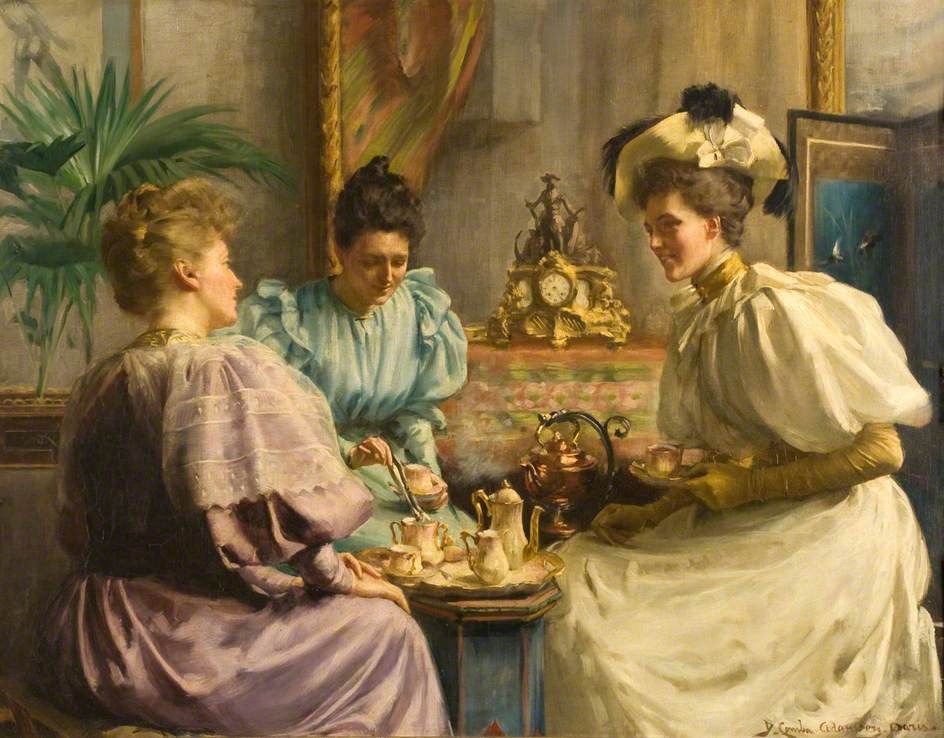
Dave Comba Adamson_Five Oclock Tea

She was an “old-fashioned minister’s wife,” said her niece, Grace Livingston Hill:

She made calls on the parishioners, knew every member intimately, cared for the sick, gathered the young people into her home, making both a social and religious center for them with herself as leader and adviser; grew intimate with each personally and led them to Christ; became their confidante; and loved them all as if they had been her brothers and sisters.

Isabella’s experiences as a minister’s wife inspired many characters and events in her books. She wove her stories around real incidents and real people, their foibles and inconsistencies, and lessons learned.

Coins 2edLike the country congregation that couldn’t raise the funds needed to keep their church clean in Interrupted.

Or the woman in Aunt Hannah and Martha and John who placed a large donation in the offering plate to impress the congregation, only to slip into the church office later when no one was looking to demand her change because she didn’t really want to give the full amount.

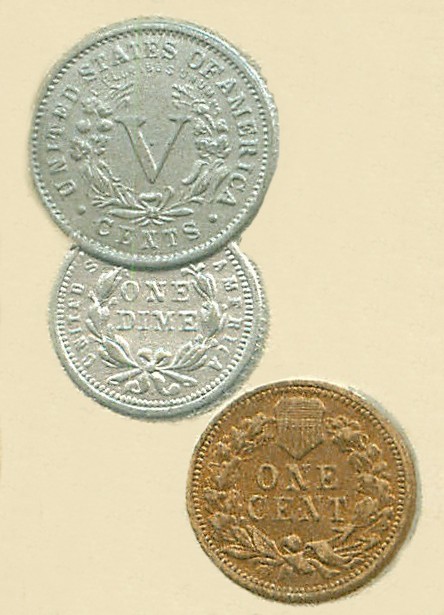
Coins ed1And the Ladies’ Aid Society members who only donated pennies because they believed missionaries and others who did God’s work didn’t need nice things (this happened in a few of Isabella’s novels).

When it came to the subject of money, Isabella had heard all the arguments before. She knew why people preferred to spend their dollars on anything but God’s work. But she also knew her Bible, and believed its instructions about money were just as important as any other commandment.

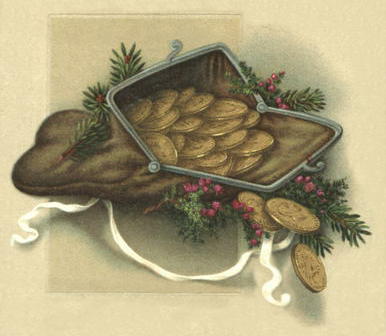
Money open purse ed

Isabella was a strong believer in the Biblical concept of tithing, and she knew how important it was to teach children to tithe beginning at a young age.  She believed that when we follow God’s instructions about money, we grow to trust God in other areas of our lives, as well.

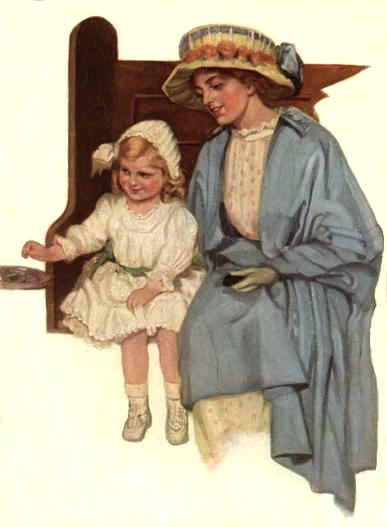
Her Offering ed

She illustrated the point in her short story, “Pictures from Mrs. Pierson’s Life.” The story centers around a couple who ignore God’s instructions about money, and what their children learn by the parents’ actions.

Cover_Pictures from Mrs Piersons Life v1 resized

“Pictures from Mrs. Pierson’s Life” first appeared in Mrs. Harper’s Awakening, published in 1881. You can read it here for free. Just click on the book cover to get started.

.

.


Isabella wrote about money and the importance of tithing in many of her books, including:

Miss Priscilla Hunter (read it for free!)

Aunt Hannah and Martha and John

Interrupted

Household Puzzles and The Randolphs

Spun from Fact (read it for free!)

The Pocket Measure

Doris Farrand’s Vocation

Overruled


Cooking with Martha

Aunt Hannah and Martha 1901When Isabella Alden wrote Aunt Hannah and Martha and John, she created the character of Martha Remington, a young bride who—through no fault of her own—had never been taught to cook and keep house.

Isabella herself was an excellent homemaker. Her niece, Grace Livingston Hill, wrote that her Aunt Isabella was “a marvelous housekeeper, knowing every dainty detail of her home to perfection; able to cook anything in the world just a little better than anyone else.”

Poor, Martha, however, couldn’t cook at all and her bridegroom, John, suffered through many meals that were overcooked, undercooked, sour, or salty.

Aunt Hannah and Martha 1915 illustration

Cooking in the late 1800s and early 1900s was truly a skill that was acquired after years of practice. A young woman stood a much better chance of learning to cook from an experienced housekeeper than she did if she tried to learn to cook on her own.

Kitchen stove Glenwood

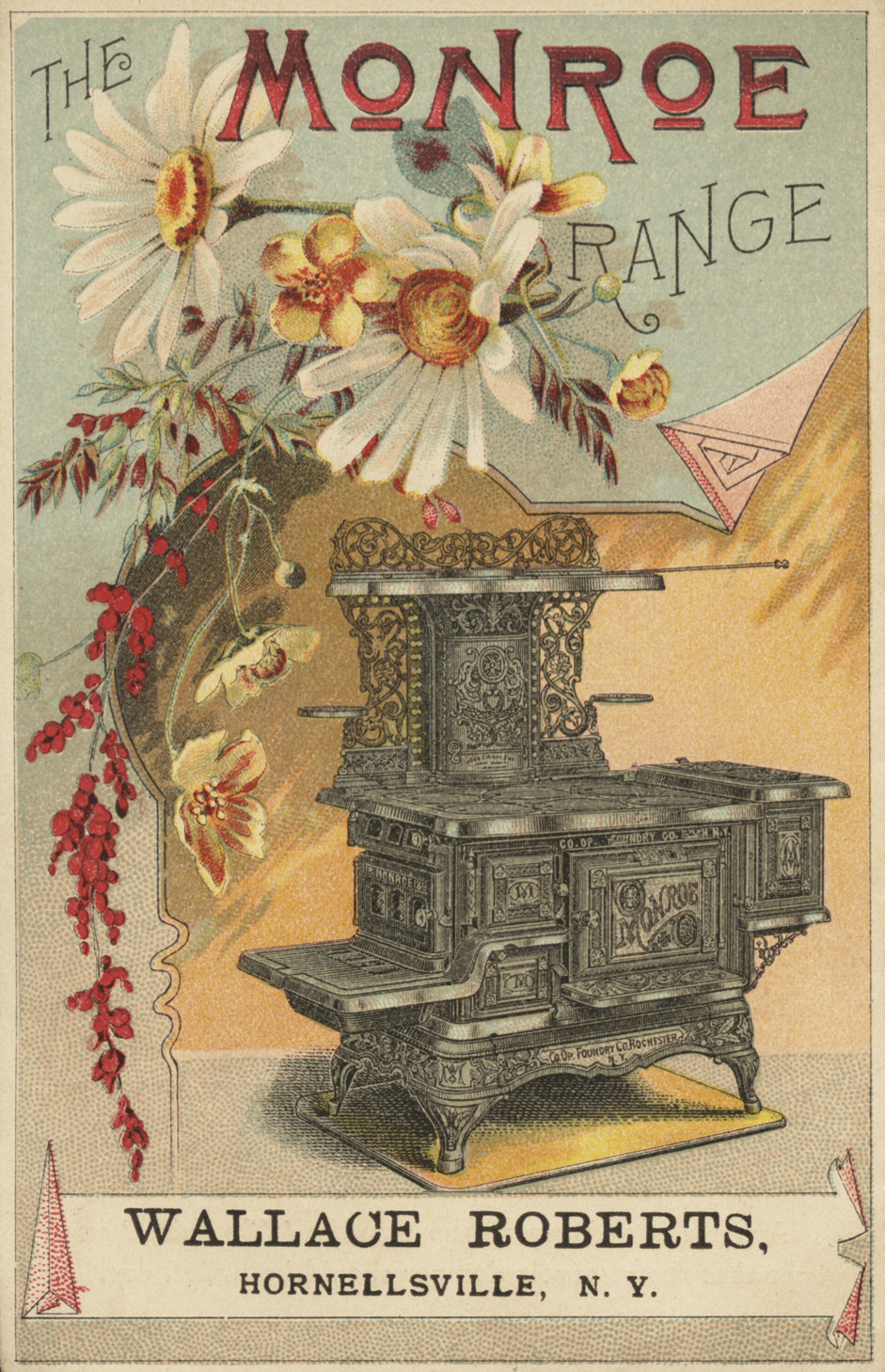
This was especially true because of the stoves and ovens that were available then. They lacked one essential feature we take for granted today: A thermostat.

Ranges at the turn of the 20th Century didn’t have any means for accurately detecting the temperature of their ovens or burners, and they had no dials or knobs to turn heat up or down. Cooks controlled the temperature of the oven and burners by the amount and type of fuel they fed the range. They had to rely on their experience and years of trial and error to determine whether an oven was the right temperature for baking a loaf of bread or roasting a shank of beef.

Kitchen stove Monroe

Cookbooks from the time included recipes with very general terms:

“Heat your oven to a satisfactory degree of heat.”

“Bake in a hot oven.”

“Bake in a quick oven for ten minutes.”

With such imprecise instructions, it’s no wonder an inexperienced cook like Martha was so bewildered in the kitchen, and served her husband so many meals that were almost inedible.

Ad from Ladies Home Journal April 1917 ed

Luckily, Aunt Hannah detected the trouble and came to Martha’s rescue, not only as a teacher of the kitchen arts, but as a friend.

Under Aunt Hannah’s gentle tutelage, Martha Remington learned to be a good cook and housekeeper.

Food Bread from Ladies Home Journal May 1917 ed

And as her confidence in the kitchen grew, so did Martha’s confidence in all areas of her life, as she matured into a caring and capable pastor’s wife.

You can find out more abouCover_Aunt Hannah and Martha and Johnt Isabella’s book, Aunt Hannah and Martha and John by clicking on the book cover.


The Heroine of the Temperance Cause

Isabella Alden was a great campaigner for the temperance movement. She had seen for herself the consequences of an unregulated alcohol industry. Alcoholic drinks in her time were often far more potent than commercial beer, wine and distilled liquor we’re used to today, making them much more addictive. Sometimes alcoholic beverages were laced with other substances, like cocaine; and alcohol was openly marketed to children.

This short video by documentary film maker Ken Burns describes the influence of  liquor on America at the turn of the Twentieth Century.

.

Isabella’s dear friend Theodosia Toll Foster (whose nom de plume was Faye Huntington) was another tireless worker for the cause of temperance. Many of her novels were written for publication by the National Temperance Society and described the impact of alcoholism on the lives of individuals and communities.

Cover_John Remington MartyrAnd in her own books, Isabella often wove stories around the impact alcoholism had on families. She and her sister Marcia Livingston co-authored the novel, John Remington, Martyr, which chronicled one man’s efforts to fight the power of the alcohol industry and its hold on society.

Isabella, Theodosia and Marcia, as well as Marcia’s daughter, Grace Livingston Hill, were active members of the Women’s Christian Temperance Union. The W.C.T.U. began in 1874 as a “crusade” of 208 dedicated temperance workers.

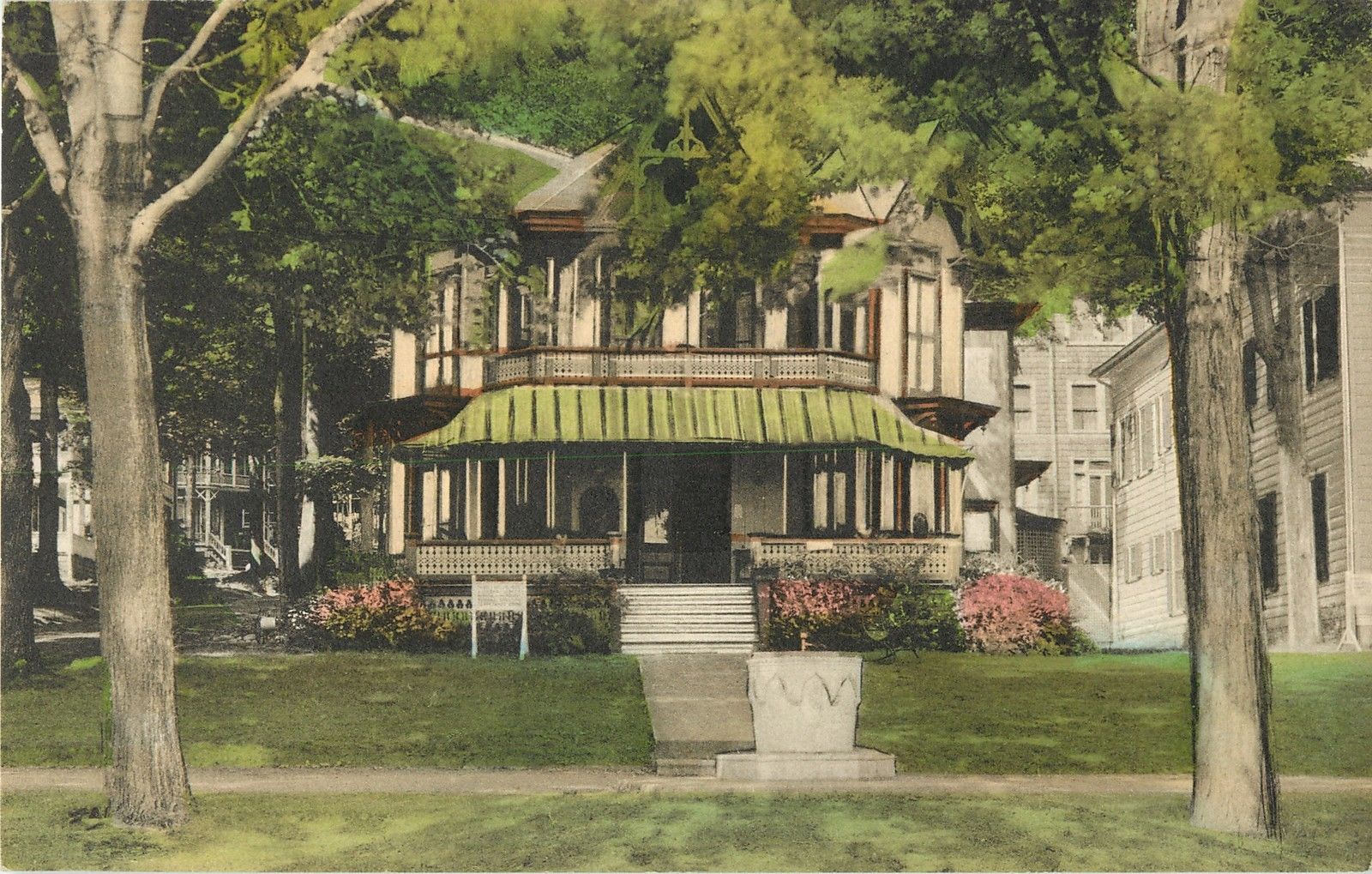
The Baptist Church in Fredonia, NY. Here on December 15, 1873 208 crusaders met and organized the Women's Christian Temperance Union
The Baptist Church in Fredonia, NY. Here on December 15, 1873 208 crusaders met and organized the Women’s Christian Temperance Union

When Frances Willard was named the W.C.T.U.’s president in 1879, she inherited an organization comprised of several autonomous chapters with no unified action plan to achieve the group’s goal of reforming the distribution and sale of alcohol in America.

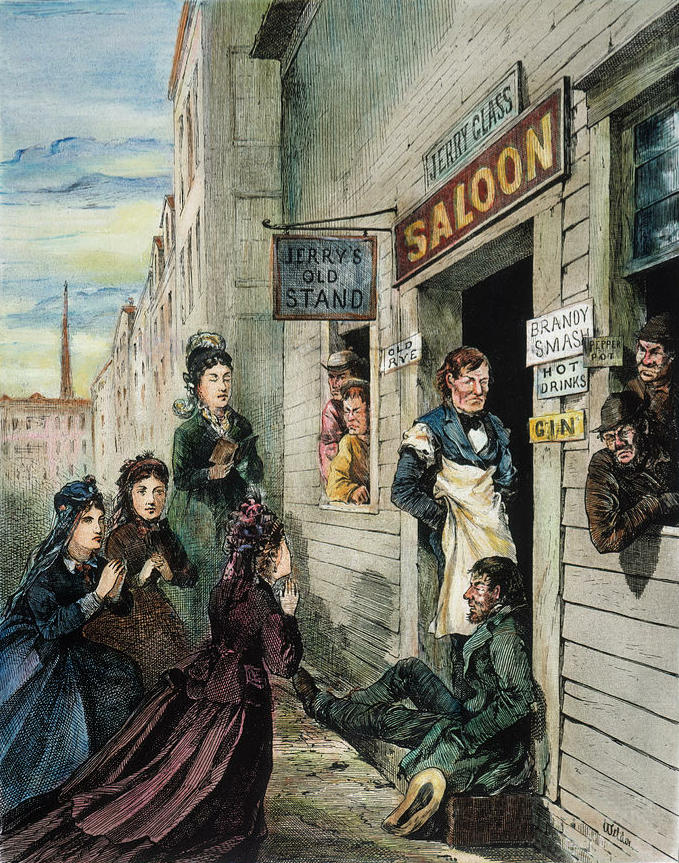
Up to that point, the organization was known for it crusades—bands of women visiting local saloons to pray and ask saloonkeepers to close their doors and stop selling spirits. For the most part, they were seen as teetotaling moral zealots.

An 1874 illustration of crusaders

.

Frances Willard had a different vision for the organization. By profession she was a teacher. She was educated, dynamic, and persuasive; she used those talents to redefine the W.C.T.U. Knowing that America’s high rate of alcoholism was directly related to crime, sexual assault, poverty, and domestic violence, she redirected the organization to focus on social reform and political activism.

Frances Willard in an undated photo

.

She formed alliances with politicians, instilled a sense of sisterhood in W.C.T.U. members, and cultivated powerful and influential allies.

W.C.T.U. card from about 1912

.

Lewis Miller, co-founder of Chautauqua Institution and a multi-millionaire industrialist, was a staunch supporter of the W.C.T.U.; his wife Mary was one of the first members of the Ohio W.C.T.U., a well-organized and militant branch of the organization.

Mina Miller at about age 19

Their daughter Mina recalled how her mother, with other “dauntless women” visited saloons and pleaded with the male proprietors to close their doors. They were often subjected to insults and even had buckets of water thrown on them.

After Mina Miller married Thomas Edison, the great American inventor, she used her influence as “Mrs. Edison” to further the W.C.T.U.’s programs.

And what programs they were! W.C.T.U. members developed and taught temperance lessons to children in Sunday schools and visited drunkards in prison. They lobbied for free public kindergartens and prison reform. By 1889 W.C.T.U. chapters were operating nurseries, Sunday schools, homeless shelters, and homes for fallen women. Members supported labor reform, suffrage, disarmament, and the eight-hour work day.

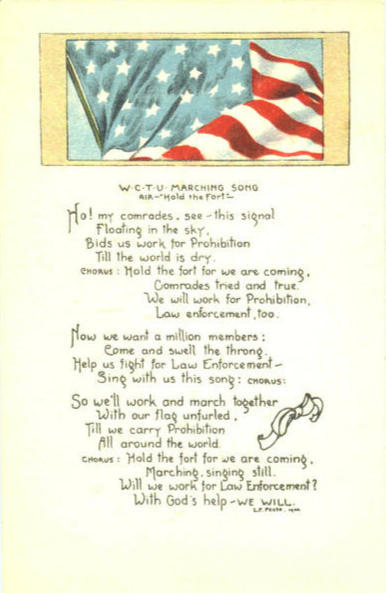
The W.C.T.U. Marching Song

.

Isabella often wrote about the activities of the W.C.T.U. in her books. Most striking was her novel One Commonplace Day. In that story, a group of people come together on their own to help one family overcome the effects of alcoholism; and they employ many of the  W.C.T.U. methods to do so.

W.C.T.U. headquarters building at Chautauqua Institution, New York

.

Isabella and Frances Willard often lectured together, speaking before different chapters of the Sunday School Assembly and at regional Chautauqua locations.

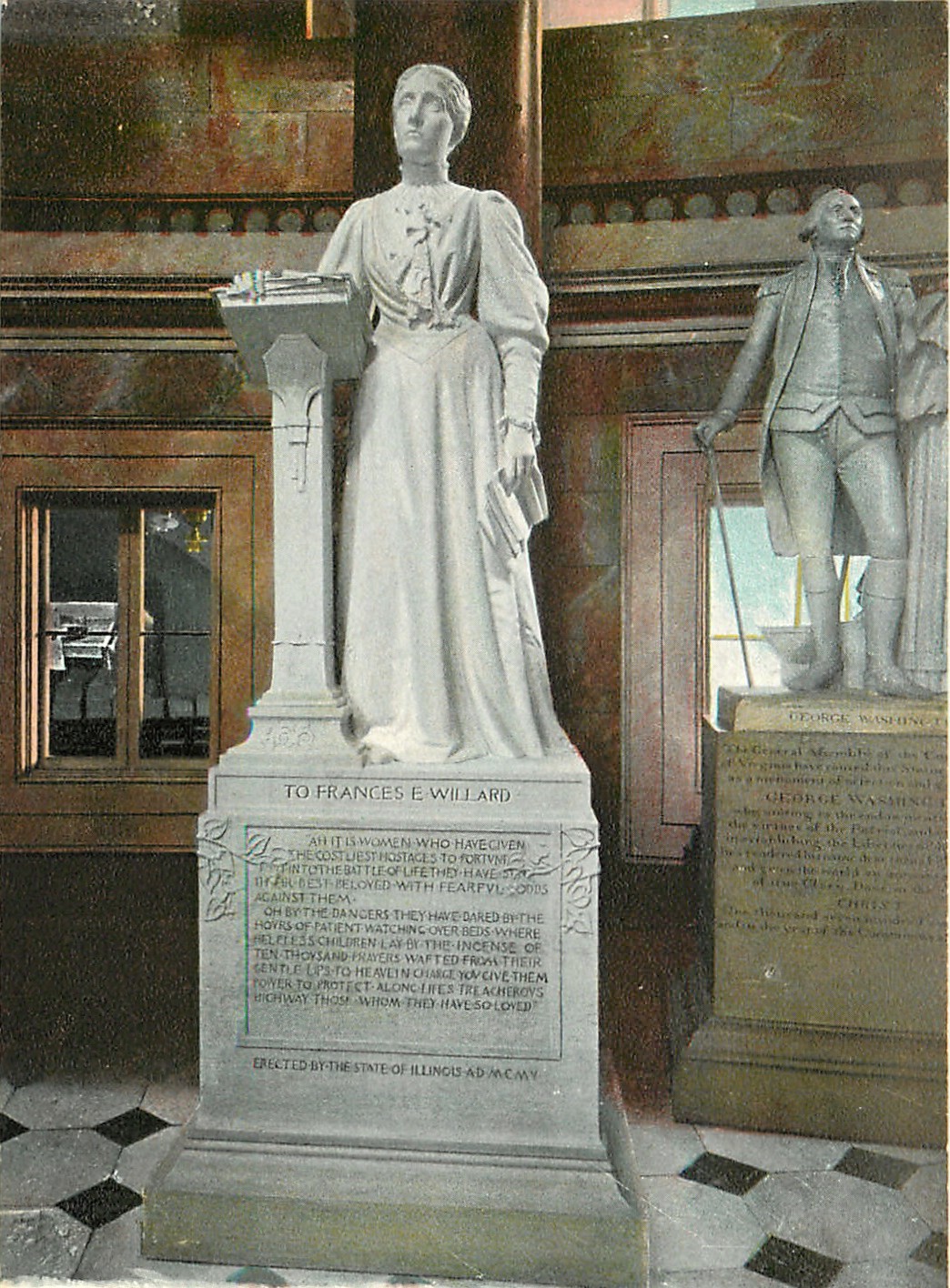
Statue of Frances Willard in the United States Capital, Washington D.C.

By the time Frances Willard passed away in 1898 the W.C.T.U. was an acknowledged political and social force in the United States. Under her leadership the organization united women from varied backgrounds, educated them and empowered them to form one of the strongest and most influential women’s organizations in American history.

In 1905 a statue of Frances Willard was erected in National Statuary Hall at the United States Capital in Washington D.C. Her statue was the first honoring a woman to be chosen for the National Statuary Hall Collection.


Would you like to learn more about Frances Willard and the W.C.T.U.? Click here to visit the organization’s website.

Click on this link to read more about the statue of Frances Willard in Statuary Hall at the United States Capital.

Grace Livingston Hill wrote a short biography of Frances Willard’s early years. Click here to read her 1909 article.

You can watch the full 90-minute Ken Burns documentary “A Nation of Drunkards” here:

New Free Read by Grace Livingston Hill

Isabella Alden was very close to her sister Marcia Livingston. Like Isabella, Marcia was a writer and they often co-wrote stories together.

Isabella Alden and her sister, Marcia Livingston in an undated photo
Isabella Alden (left) and her sister, Marcia Livingston (right) in an undated photo

After the sisters married, the Alden and the Livingston families remained close. They spent much of their time together, and Marcia’s daughter Grace grew up in the creative atmosphere of writers and books.

Grace learned her ABCs on her “Aunt Belle’s” typewriter. At the age of ten she wrote a story of her own called, “The Esselsltynes; or, Marguerite and Alphonse,” which the family published for her as a surprise. That gift, along with the encouragement and work example set by her family, inspired Grace to continue writing.

She followed the adage of “write what you know.” When Grace became involved in the Young People’s Society of Christian Endeavor, she wrote stories about that experience; many of those stories were published in Christian Endeavor World magazine.

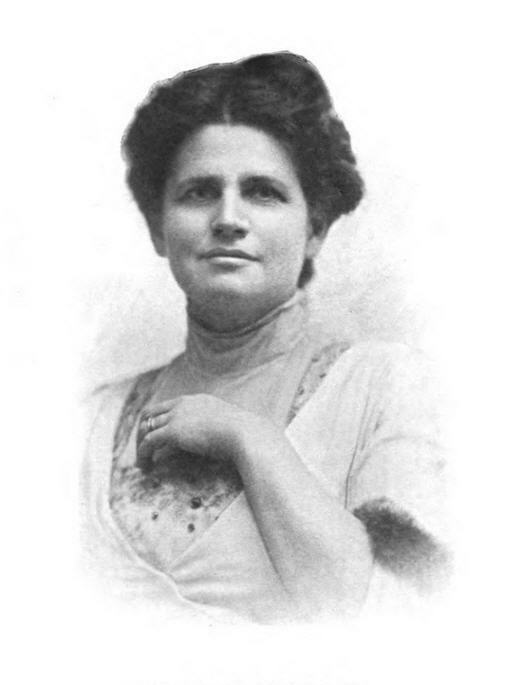
Grace Livingston Hill-Lutz, about 1912

The Epworth Herald also published Grace’s stories that illustrated simple truths about the Christian life. One such story was “Hazel Cunningham’s Denial,” which described a young woman’s dilemma while vacationing at a summer resort

“Hazel Cunningham’s Denial” first appeared in The Epworth Herald on August 9, 1902, and it’s available for you to read for free.

Click on the cover below to begin reading “Hazel Cunningham’s Denial” by Grace Livingston Hill.

Cover_Hazel Cunninghams Denial by GLH scaled