
 There is no place on the road so dark but that the Bible can light you through, if you try it. When you don’t understand it, there is always Jesus to go to, you know.
—from Tip Lewis and His Lamp
.
.
There is no place on the road so dark but that the Bible can light you through, if you try it. When you don’t understand it, there is always Jesus to go to, you know.
—from Tip Lewis and His Lamp
.
.

 “Girls, don’t you think our church is just dreadful?”
That’s the question Claire Benedict asked the students in her music class at Mrs. Foster’s academy. As the new music teacher in town, Claire was appalled when she saw the condition of the church for the first time.
Bare floors, faded red curtains, smoke-covered walls, cobwebs, and a table covered with dust that did duty as a pulpit—that’s what greeted Claire when she first took a seat in one of the hard, un-cushioned pews.
Claire knew the town residents were poor and had little to look forward to, but she didn’t believe that justified abandoning the care of their church.

She had seen at least the outside of several of the homes in South Plains, and nothing like the disorder and desolation which reigned here was permitted about those homes. How could Christian people think they were honoring God by meeting for his worship in a place that would have made the worst housekeeper among them blush for shame had it been her own home?

“A palace built for God!” her heart said in disdain, almost in disgust. “It isn’t a decent stopping-place for a respectable man.”
Her students agreed with her.
 “Dreadful? It is just perfectly horrid! It fairly gives me the blues to go to church. Girls, mother has almost spoiled her new cashmere sweeping the church floor with it. She says she would be ashamed to have our wood-shed look as badly as that floor does. I don’t see why the trustees allow such slovenliness.”
“It is because we cannot afford to pay a decent sexton,” sighed one of the others.
“We are so awful poor! That is the cry you always hear if there is a thing said. I don’t believe we deserve a church at all.”
Claire had partially turned back to the piano, and she touched the keys softly, recalling a long-forgotten strain about “Girding on the armor,” before she produced her next startling sentence.
“Girls, let us dress up that church until it doesn’t know itself.”
If the first words had astonished them, this suggestion for a moment struck them dumb. They looked at one another, then at the resolute face of the musician. Then one of them gasped out:
“Us girls?”
“You don’t mean it!” from two dismayed voices.
“How could we do anything?” from a gentle timid one.
But the girl who had found courage to speak before, and to volunteer her opinion as to the disgraced church, sounded her reply on a different note:
“When?”

From that tentative beginning, Claire and her students marshaled their wits and their resources to take on the responsibility for maintaining the church. In fact, they became the new sextons.
 The Sabbath following the installation of the new sextons marked a change in the appearance of the old church. The floors had been carefully swept and cleansed.
Not a particle of dust was to be seen on that Sabbath morning anywhere about the sanctuary. From force of habit, the men carefully brushed their hats with their coat-sleeves as they took possession of them again, the service over; but the look of surprise on the faces of some over the discovery that there was nothing to brush away, was a source of amusement to a few of the watchful girls.
When they took on the project, Claire and her students wanted nothing more than a respectable and pleasant place to worship God. But their efforts resulted in changes they didn’t anticipate. Soon others joined their work group to make even more church improvements, and their minister found renewed inspiration for his sermons. People who hadn’t attended church in years began to show up on Sunday mornings, and the community took notice.
Before long, the little church in a poor area became a beacon of hope for the entire town.
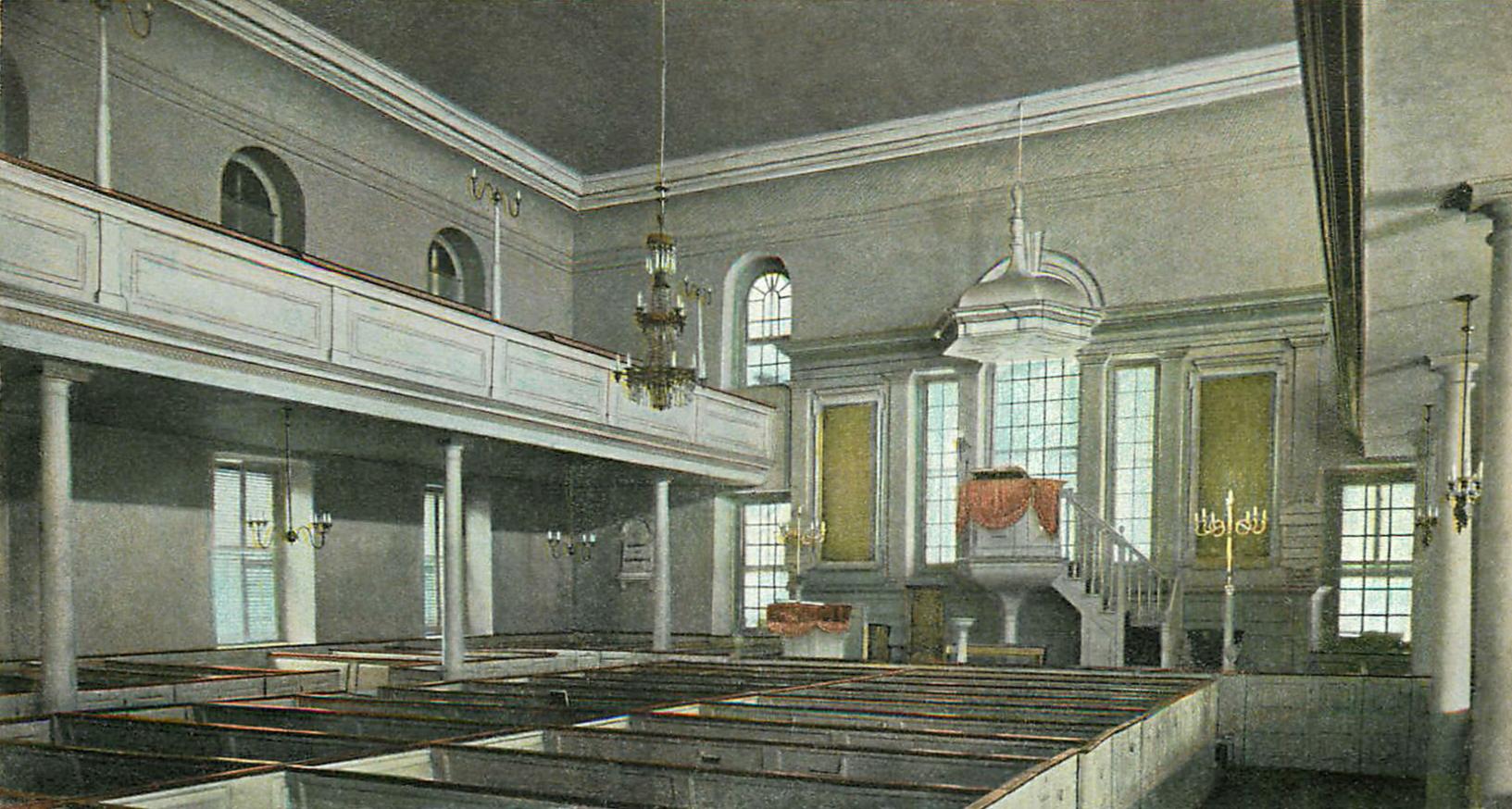
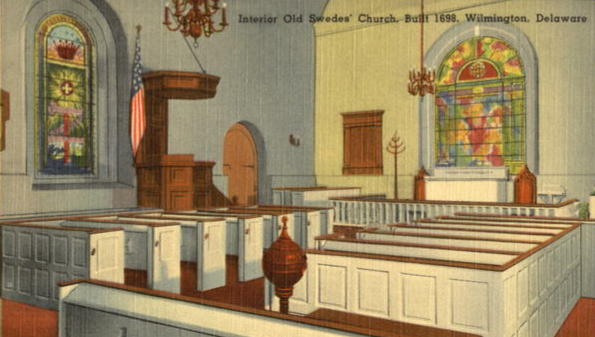
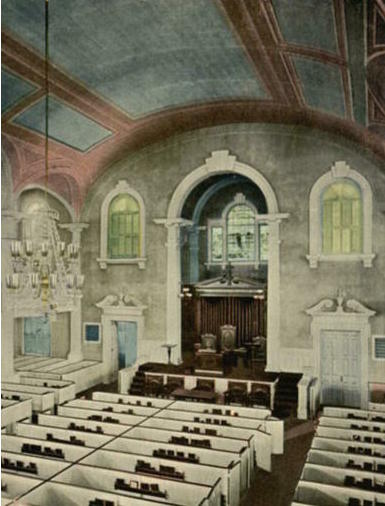
The photos of church interiors in this post were taken between 1900 to 1911 and show what Claire’s church might have looked like. Click on each image to see a larger version.
 You can find out more about Claire Benedict’s story and the way God used her to change her neighbors’ hearts and souls. Click on the book cover to read more.

James Montgomery Flagg was an American artist whose illustrations and paintings appeared in newspapers, magazines, and books in the early 20th century. At the same time Isabella Alden wrote about women making their way in the world, James Montgomery Flagg told similar stories through his art.

In 1912 James Montgomery Flagg published “The Adventures of Kitty Cobb,” a serial story told in pictures. For 25 weeks the serial ran in the Sunday edition of major newspapers across the U.S. Each individual illustration told a chapter of Kitty Cobb’s story, as she struggled to make a new life for herself in the big city.

Kitty’s story began when she left her home town of Pleasant Valley for New York, where she hoped to find a job:
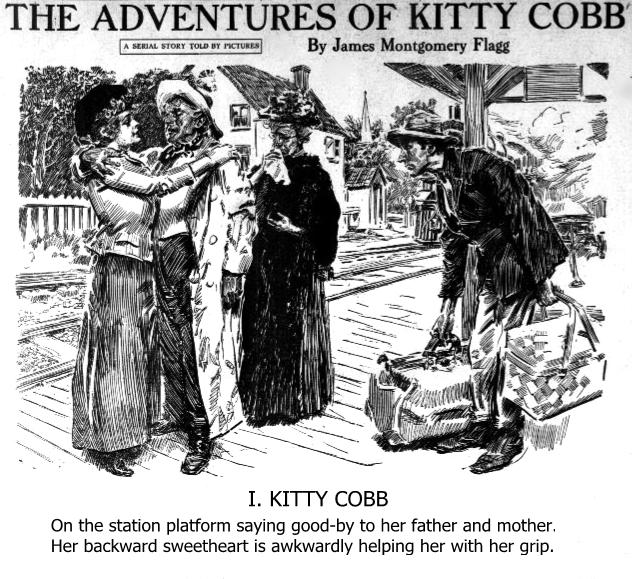 Soon after arriving in New York, Kitty learned how vulnerable a woman alone can be as she looked for a job and a place to live.
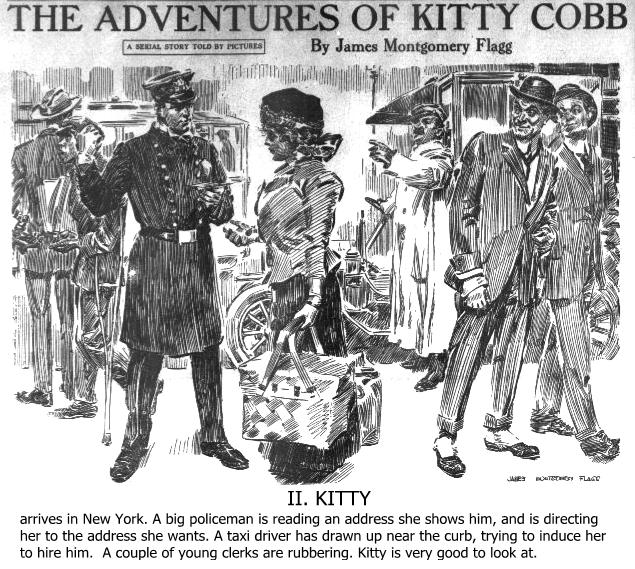
Like Constance Curtiss in Isabella’s book Pauline, Kitty had to fend off the unwanted attentions ill-intentioned men:

Since laws at the time favored employers, a woman like Claire Benedict in Interrupted could be denied a job based simply on her looks or the employer’s prejudice. James Montgomery Flagg illustrated the same situation in Kitty Cobb:

“The Adventures of Kitty Cobb” proved so popular with readers, advertisers rushed to tie their products to Kitty’s story.


And two years later, Flagg repeated his Kitty Cobb success by publishing another serial story in pictures about pretty Dorothy Perkins.
You can view all 25 installments of “The Adventures of Kitty Cobb” on Isabella Alden’s Pinterest page.
Click here to read more about Isabella Alden’s books mentioned in this post.

 There were many beloved traditions at Chautauqua Institution, and Isabella Alden often described them in her books.
“Do you know the Chautauqua salute?”
Burnham Roberts asked the question of Hazel Harris in Four Mothers at Chautauqua.
“Then you understand what a strange effect is produced by the simultaneous flutter of countless white handkerchiefs. Can you imagine what it would be to see at least five thousand of them held aloft motionless for a single solemn minute, the only sound in the great assembly coming from the great organ softly tolling out a requiem? That is the way they paid tribute to the Bishop’s co-laborer, and to other great souls who put their shoulders to the wheel in the early days of the enterprise. I never saw a more impressive sight in my life.”

And in The Hall in the Grove, Carolyn Raynor was enchanted upon seeing the Chautauqua salute for the first time:
“Oh, look!”
Well she might exclaim. To one like her who had never seen it before, the sight was simply glorious; and to one who has never seen it at all, the effect is indescribable; yet the cause was simple enough. A flutter of what looked like millions and millions of white handkerchiefs!
“The Chautauqua salute,” said Mr. Masters composedly, his eyes shining their satisfaction. “Isn’t it a singular scene?”
“A summer snow-storm down among the flowers and the grasses and the full-leaved forest trees,” said Caroline.
 In The Story of Chautauqua, Jesse Lyman Hurlbut told how the salute came to be.
On the 1877 program was a speaker named Mr. S. L. Greene from Ontario, Canada. Mr. Green was deaf and mute. Reverend Hurlbut described how Mr. Greene addressed the great audience in pantomime in the Auditorium under the trees:
He spoke in the sign-language, telling several stories from the gospels; and so striking were his silent symbols that everyone could see the picture. We were especially struck with his vivid representation of Christ stilling the tempest.
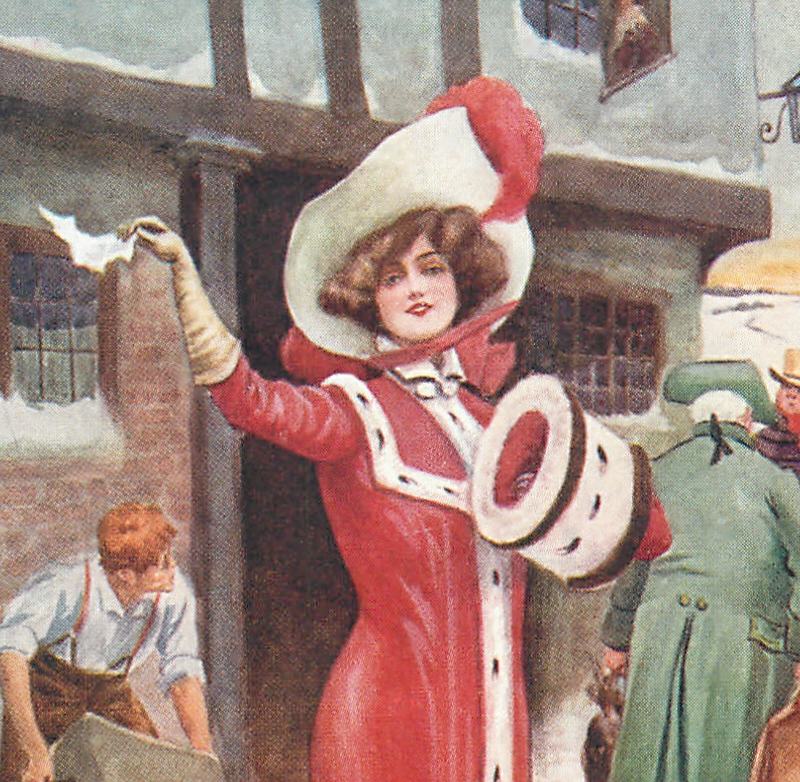
When Mr. Greene finished, the audience of “at least two thousand” burst into enthusiastic applause; but Dr. Vincent stopped them.
“The speaker is unable to hear your applause. Let us wave our handkerchiefs instead of clapping our hands.”
In an instant the grove was transformed into a garden of white lilies dancing under the leaves of the trees. Then and there the Chautauqua salute of waving handkerchiefs was adopted as a token of special honor, used only when called for by Dr. Vincent in person.
And Dr. Vincent insisted that the salute—which was a distinct and rare honor—“should be of the whitest, purest, intensest kind.” He likened the salute to lilies, and soon the gesture came to be known as The Blooming of the Lilies.
 In later years, as Chautauqua Institution grew, the size of the Amphitheatre audience grew as well. By 1884, it wasn’t unusual to have six thousand people gathered in the Amphitheatre to give the Chautauqua salute to some distinguished individual:
“Six thousand lily-white handkerchiefs waving a salute of honor, vigorously expressing the joy of the Chautauqua hearer, is a sight long to be remembered by those who participate therein,” wrote Reverend Hurlbut.

A crowd of ten thousand greeted Theodore Roosevelt with the Chautauqua salute when he arrived on August 19, 1899 to “preach the gospel of intelligent work” in the vast Amphitheater.
Poet May M. Bisbee was so enthralled seeing the Chautauqua Salute for the first time, she wrote a lovely poem about the experience. Click on the image to see a larger version you can read and print.

Follow these links to learn more about Isabella’s books The Hall in the Grove and Four Mothers at Chautauqua.

 God gives us but one mother. Remember, she has borne for you that which no other human being has or can.
Remember that in the natural course of events the grave will in a few years, at most, close over her, leaving you behind.
Remember that when she is gone, you will think of her faults and her failings with pitiful tenderness, and want to cover them from all human eyes.
And remember, also, that the deepest sting which sorrow has for us is hidden in those soul-harrowing words, “if I only had!” or “had not!”
It would be blessed to live, no matter what the provocation, so that, standing beside an open grave, those words could have no sting for us.
—Isabella Alden
Visit Isabella on Pinterest to see more Mother’s Day images.

When Rebecca Harlow married Frank Edwards in the book Links in Rebecca’s Life, she moved from the home of a loving, patient mother, into the home of a critical and resentful mother-in-law. From the moment of their acquaintance, Rebecca and her mother-in-law did not get along.
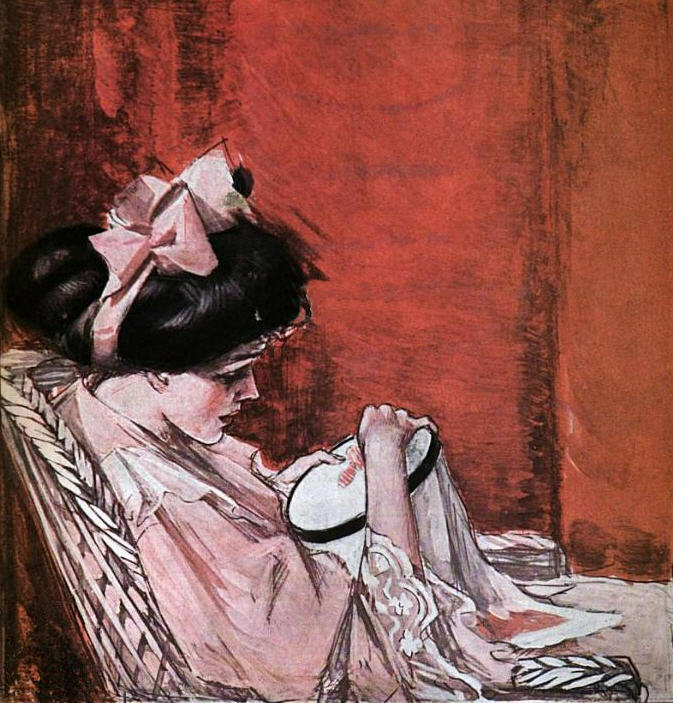
Even before the wedding took place, Rebecca found herself dwelling “on each particular little slight, or what had looked like a slight, that she could call to mind. There were many of them, and she had treasured them well; so, long before she had reached the end, she felt as if she were doomed to be a martyr to the petty persecutions of Mrs. Edwards.”

Rebecca had a choice: she could respond to Mrs. Edwards with indignation and show “that she had a will and ways of her own, and that they must not be interfered with.”

Or she could take another path and pray for her mother-in-law, who was a “nominal Christian, at best,” and be a loving daughter-in-law and Christian witness.
“She dropped on her knees; and in the prayer that came from her heart’s innermost hiding-place she gave herself again to the Lord Jesus who had called her, and chosen her, and she entreated that she might feel the hand, the powerful hand with her always.”
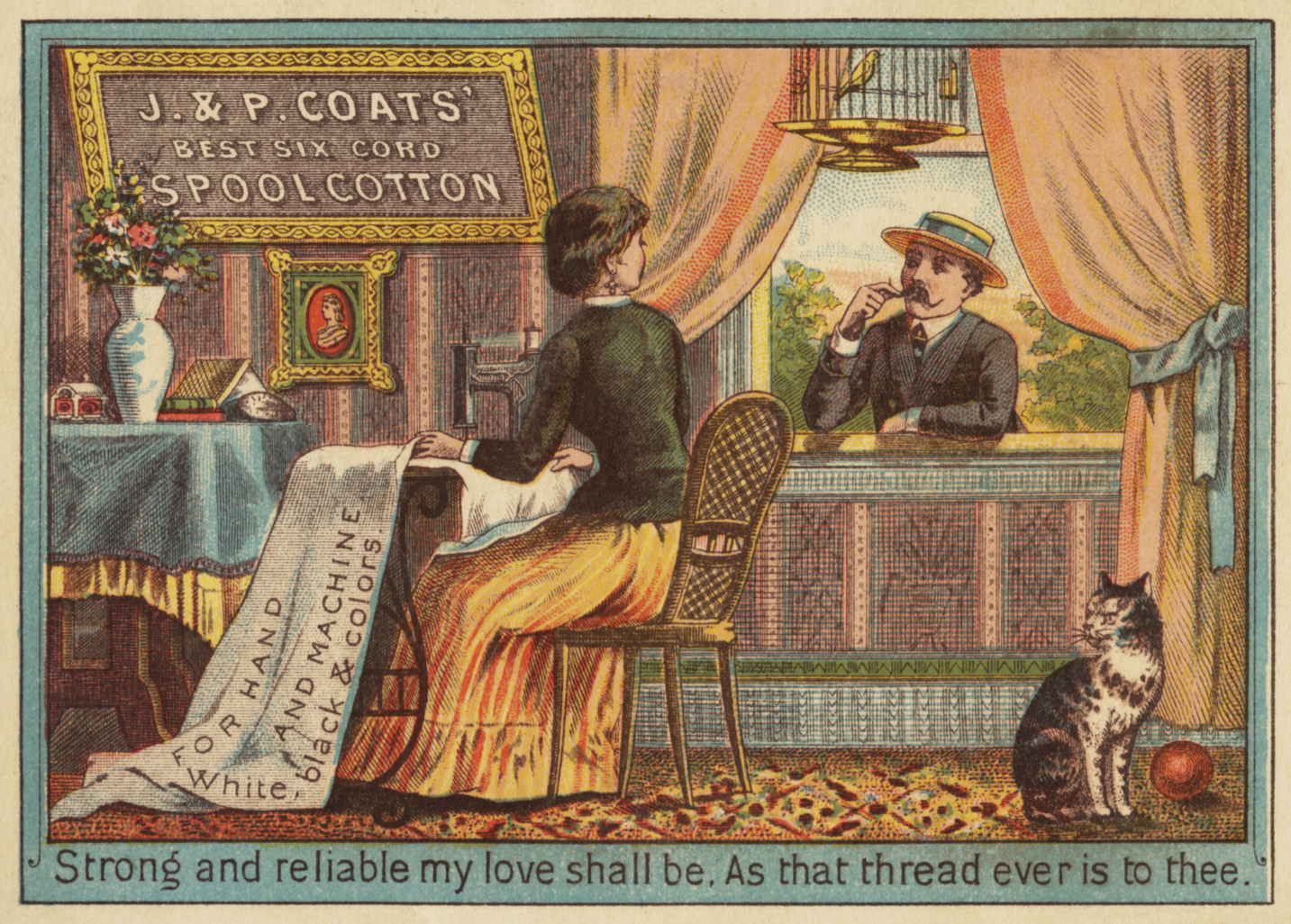
Later in the book, when Mrs. Edwards became ill and had to remain in bed, Rebecca surprised her with a visit to her bedroom. Rebecca brought along her sewing, and managed to bite her tongue when her mother-in-law criticized her stitches.
Hearing her mother’s teaching pronounced wrong, and her handiwork awkward in the extreme, she made the healthful discovery that with a sufficient end to be gained, she could bridle her tongue. She even essayed to change her manner of putting the thread over the needle, and brought the result for inspection, which so mollified Mrs. Edwards that she agreed that as the work was so nearly done it would be a pity to change now, especially as she did the other so wretchedly. She even added that it certainly looked better made in that way than she should suppose it could.
So Rebecca stitched on in peace, putting the thread serenely in the way she had always put it, and heroically refrained from saying, “I think it is the only right way, and the other always looks horrid.”

After that they had a pleasant talk, but the good mood was “decidedly periled once by a spool of thread.”
 Mrs. Edwards had brought out her sewing, and was taking very small stitches in a bit of cambric, when she said: “This is miserable thread. I thought I would try Clark’s once, as I heard you say that you always used it, but I shall never be so foolish again. It was very rough, and it costs a cent more a spool than Coates’.”
Now, neither of these ladies cared a pin’s worth whether thread was six or seven cents a spool, and yet Rebecca instantly said:
“Oh, no, you are mistaken in that. Clark’s can be had for half a cent less on a spool than the other kind, and I think it is much less likely to be rough. I never had a bit of rough thread of Clark’s in my life.”
 “Your life is not a very long one and I dare say you have not used a very large quantity of thread. Young ladies situated as you were are not apt to. I suppose your mother did your little sewing while you did housework. But as to the price, of course, I convinced myself that I was correct before I said anything about it. Clark’s costs one cent more a spool than Coates’ does. I always get Coates’ for six cents, and this was seven.”
How exasperated Rebecca felt! She not use much thread! Had she not sewed by the hour, swift, even stitched many a time when Mrs. Edwards was sleeping or riding in her carriage? And didn’t she buy all the thread that was used in the family; and didn’t she know perfectly well that Clark’s thread was but six cents a spool? How was it possible for her to sit quietly by and endure such dreadful provocation as this! Talk about Jonah! His trials were nothing to hers.
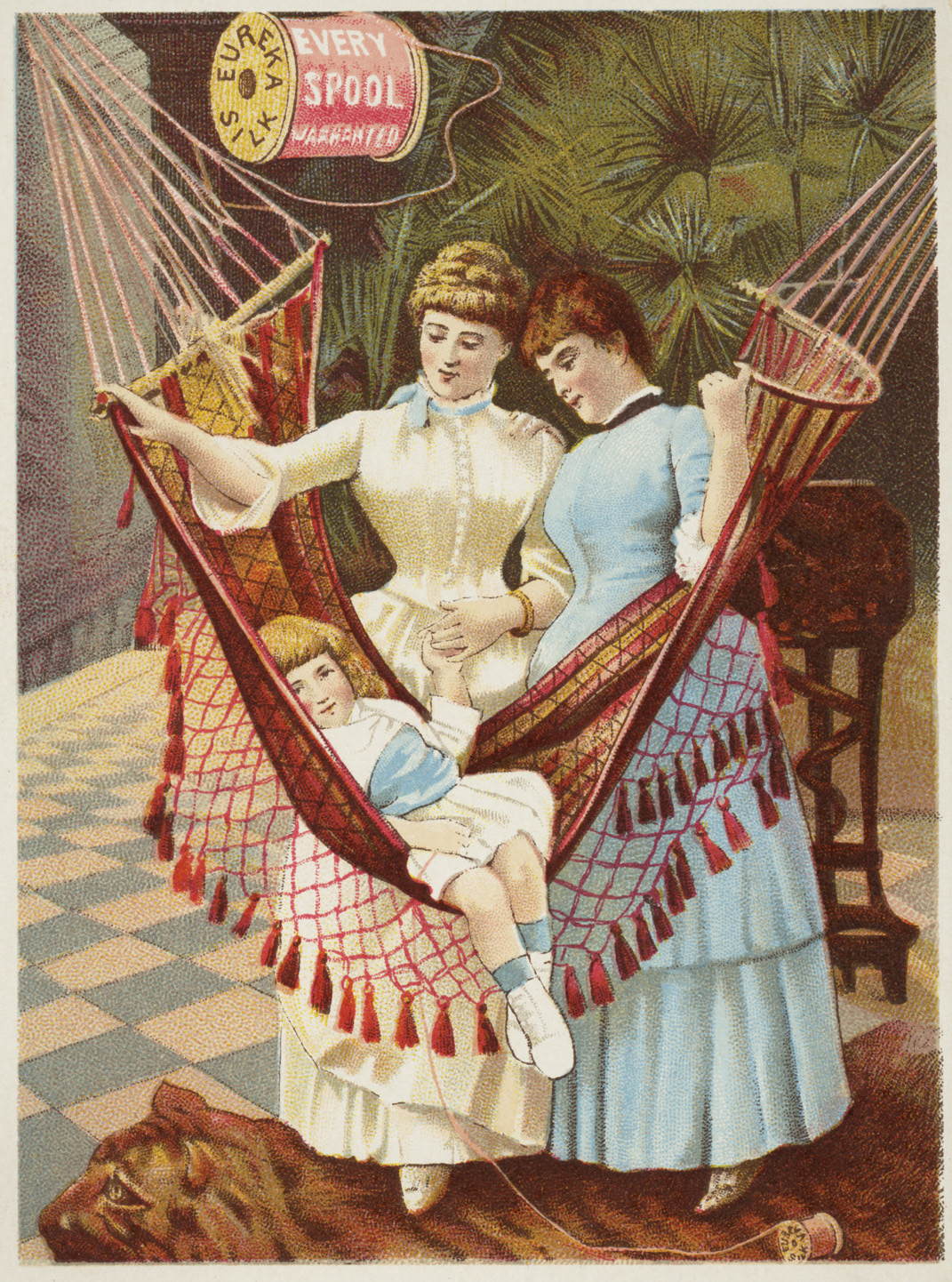 But this very reference to Jonah calmed her. What sort of weakness was it that could not keep one’s temper with that mother over a spool of thread! Instantly she resolved to ignore the whole subject of thread, and with rare tact asked, suddenly:
“Oh, did you know how to make that lace-work that they used to have on French embroidery? Then will you show me how to do it some time? I always thought it was so pretty, and I never had a chance to be with anyone who knew how to do it before.”
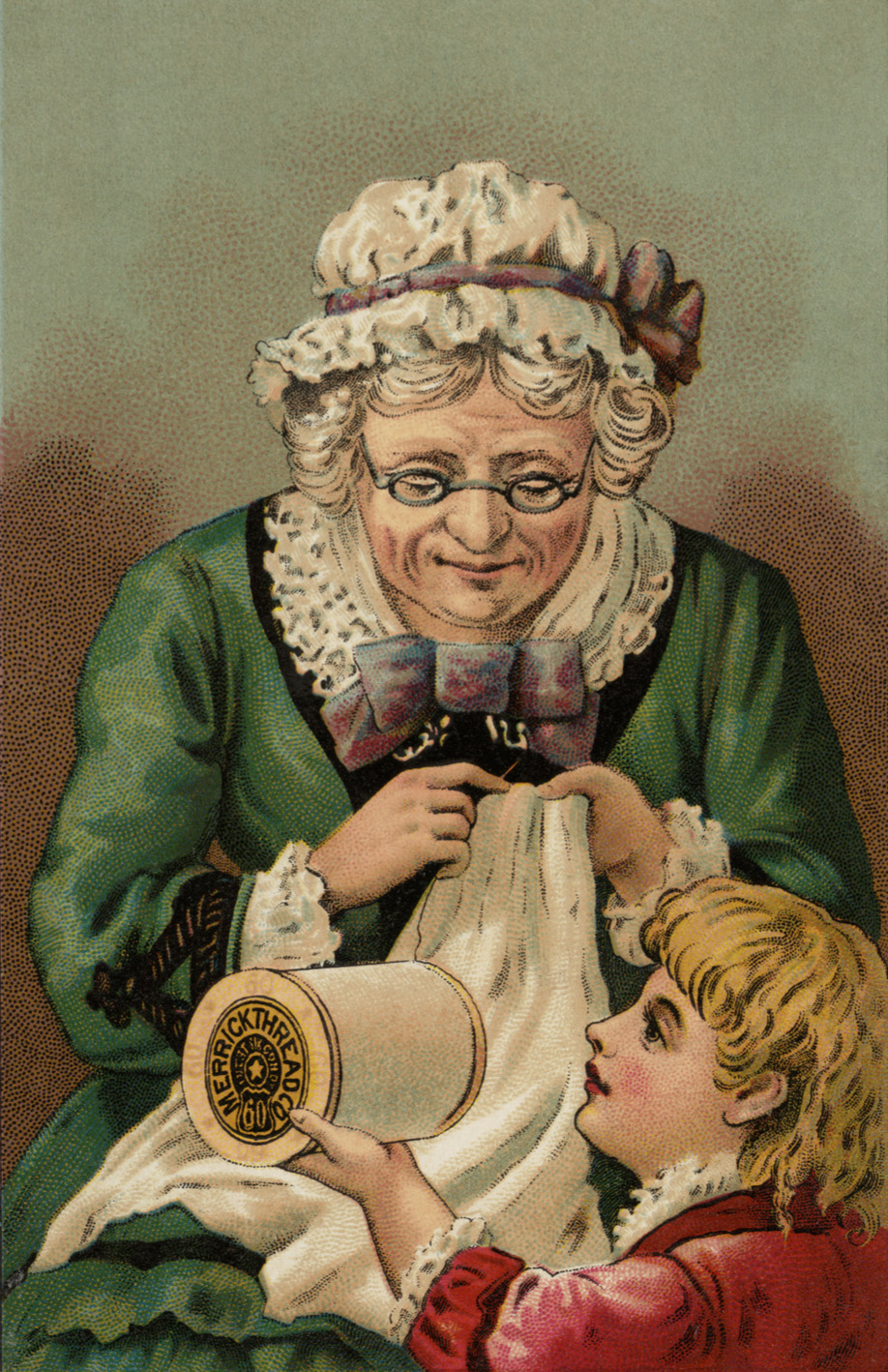 In short, with constant care, and many references to Jonah and his trials, Rebecca got through with that afternoon, and heard the dinner-bell ring, and heard her husband’s step on the stair, and rolled up her embroidery, which she began to hate, with a little sigh of satisfaction.
She was just a little nearer to feeling as if she might, sometime, feel at home in her mother’s presence. She had a little bit of comfort, too, in that lady’s exclamation:
“Is it possible that it is dinner time? I hadn’t an idea that it was so late.”
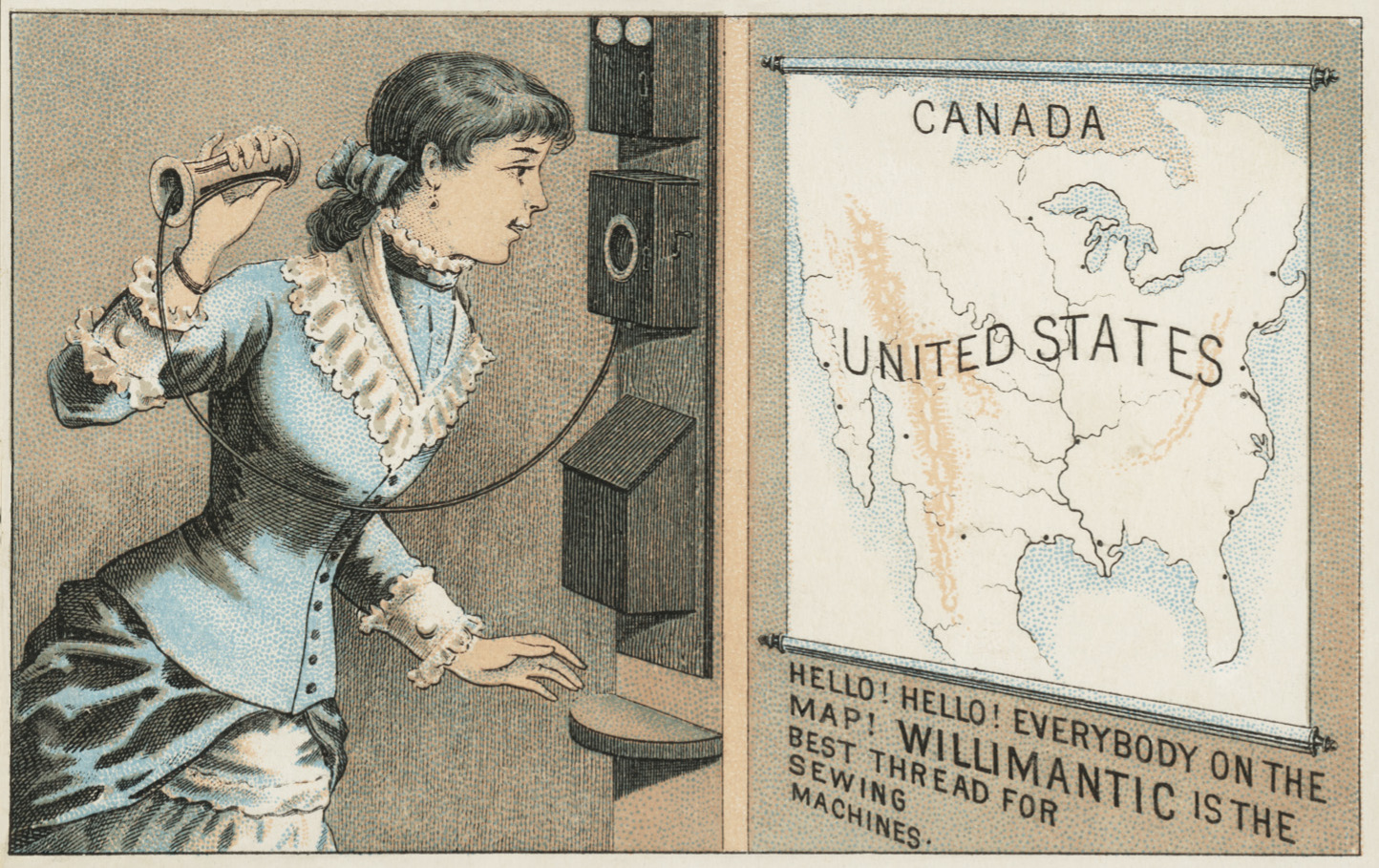
So, as a result of a spool of thread, a tentative truce was struck between Rebecca and Mrs. Edwards.
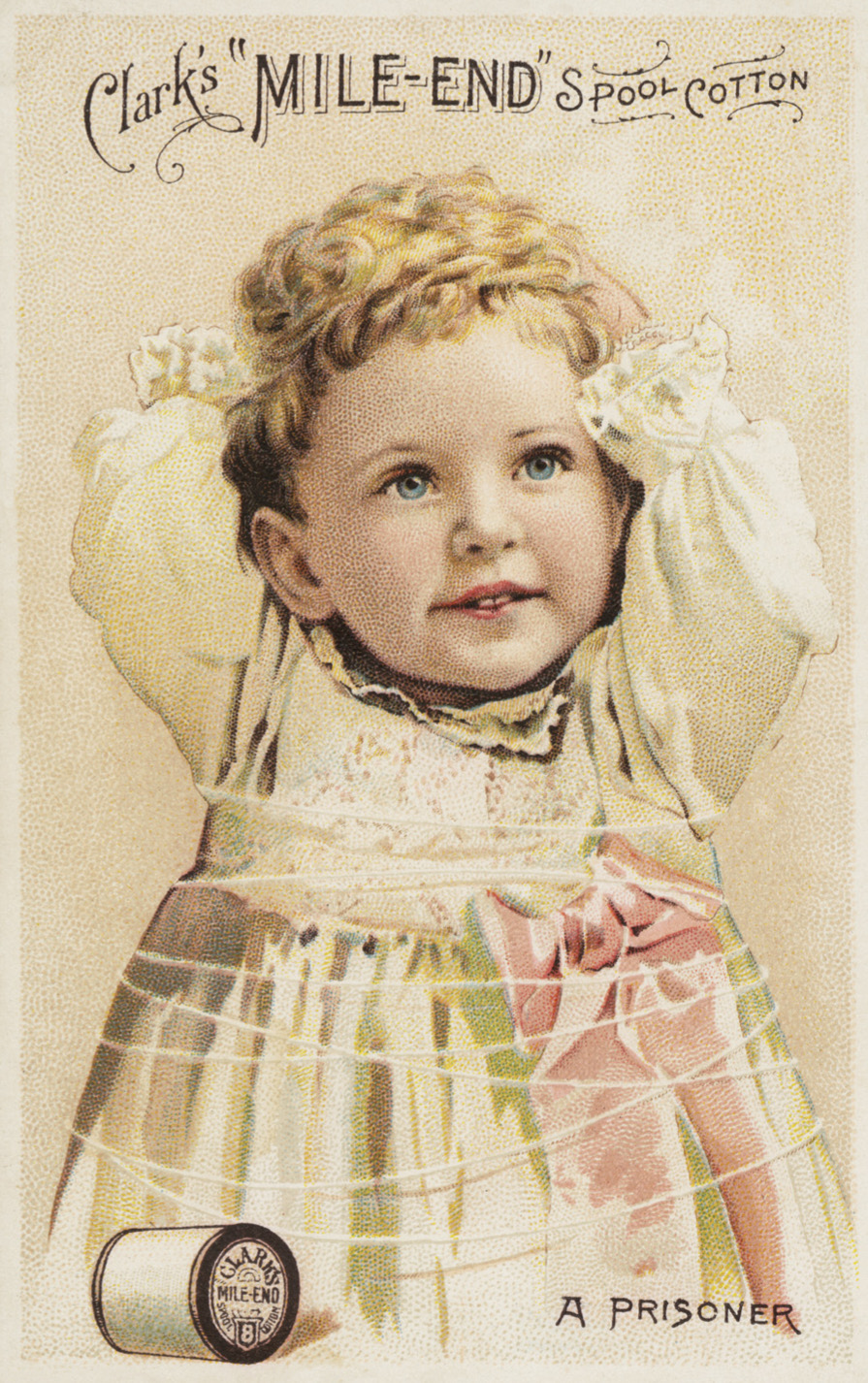 As Rebecca went down to dinner, she realized a deeper insight into the depth of their own heart than she ever had before. She realized she was stronger because she had recognized her own weakness; and because she had not relied on herself to keep her temper with her Mrs. Edwards, but had relied the Rock of Strength.
And Rebecca continued to rely on that Rock of Strength as she built a relationship with her mother-in-law throughout the story.
.
.
Click here to read a post by Victoriana Magazine about ladies’ sewing baskets.
Click here to visit the Coats & Clark website to read the history of their companies.
Click this link to see more vintage sewing and thread advertisements on Pansy’s Pinterest board.
 Click here to learn more about Links in Rebecca’s Life by Isabella Alden.
.
.
.

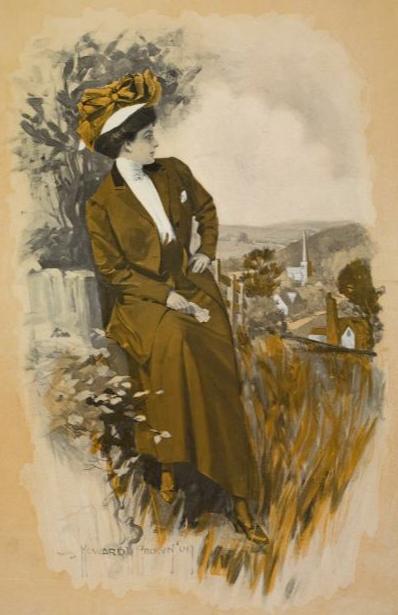 Hereafter when I feel particularly tried with a person, I shall know that I am myself at fault toward that person, and shall ask God for a special view of my own heart concerning it.
—from Workers Together; An Endless Chain
.
.
.
.
.

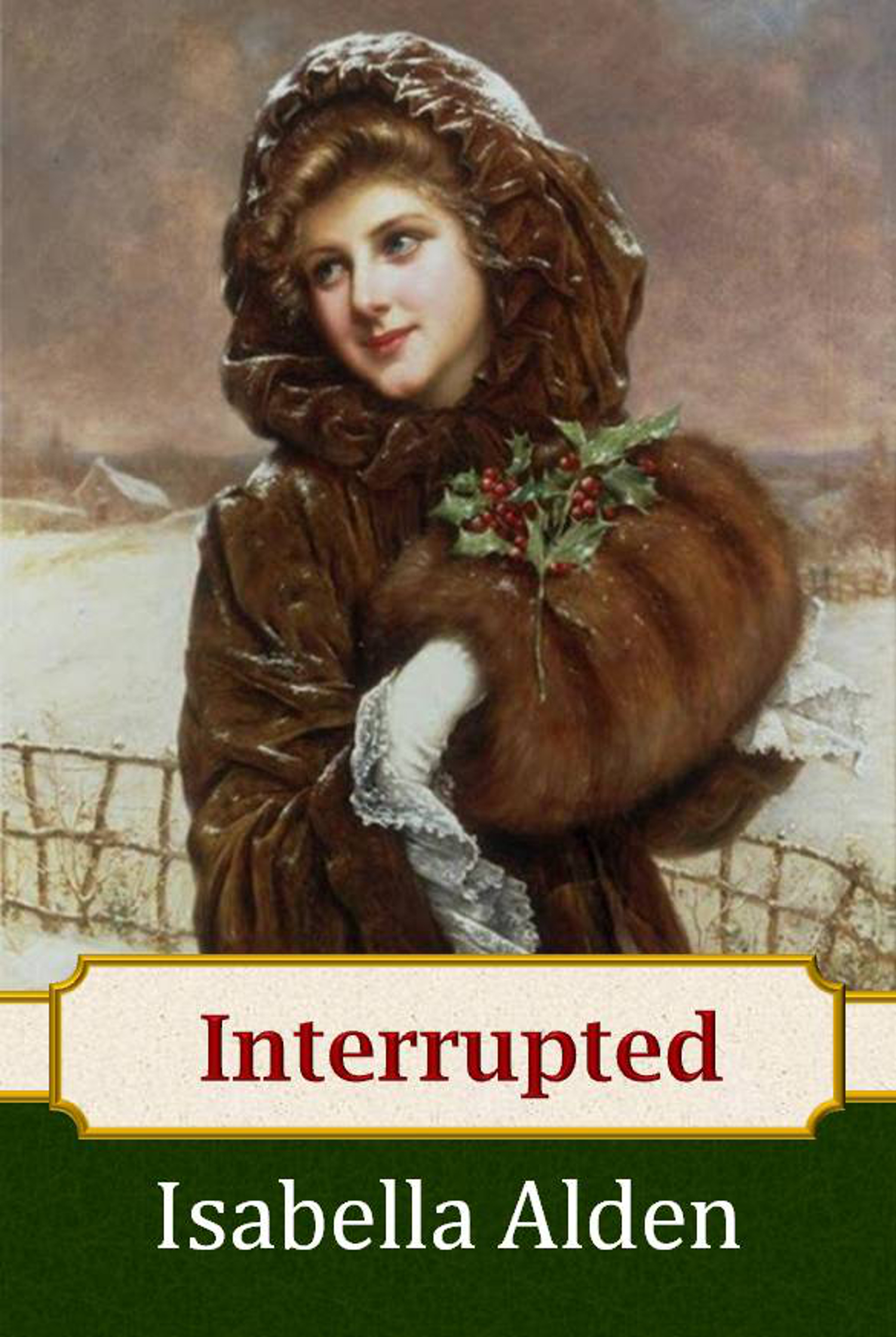 In the book Interrupted, Claire Benedict asked Louis Ansted if he was a Christian. When he said he was not (in a round-about way), Claire asked if he believed Christ “once lived in person on this earth, and died on a cross, and went back to heaven, and is to come again at some future time?”
Louis replied:
“Oh, yes; I have no particular reason for doubting prophecy or history on those points. I’m rather inclined to think the whole story is true.”
“Do you think his character worthy of admiration?”
“Oh, yes, of course; it is a remarkable character. Even infidels concede that, you know; and I am no infidel. Bob Ingersoll and his follies have no charm for me. I have had that disease, Miss Benedict. Like the measles and whooping-cough, it belongs to a certain period of life, you know, and I am past that. I had it in a very mild form, however, and it left no trace. The fellow’s logic has nothing to stand on.”
She ignored the entire sentence, save the first two words. She had not the slightest desire to talk about Bob Ingersoll, or to let this gay young man explain some of Bob’s weak mistakes, and laugh with her over his want of historic knowledge. She went straight to the center of the subject.
“Then, Mr. Ansted, won’t you join His army, and come over and help us?”
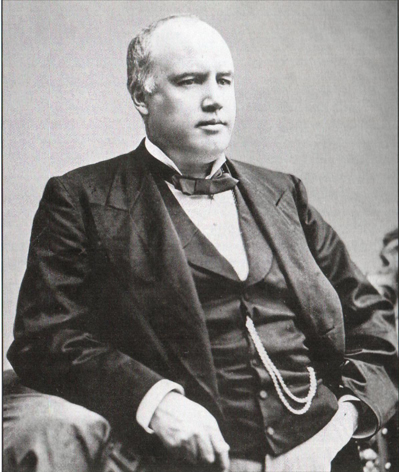
Bob Ingersoll wasn’t just a character in Isabella’s book. He was a living, breathing person and a very well-known figure of the time. Born in 1833 in New York, he had a reputation for being extremely intelligent. He educated himself and was admitted to the bar at the age of 21; his gift of oratory earned him a reputation as a brilliant lawyer.
But it was his talent for speech-making that gained him fame. He lectured across the country on free speech, women’s rights and, most notably, Christian doctrine. At a time when there were laws in some States that made it a crime to deny Christianity, Bob Ingersoll openly argued for a separation of church and state. He expounded on what he considered to be inaccuracies and fallacies of the Bible, and published several books that outlined his agnostic position. He had political aspirations, but his stance on religion made both the Republican and Democratic parties leery of nominating him for any elected office; however, at the age of 33 he was appointed Attorney General of Illinois.
 When Interrupted was published in 1885, Ingersoll’s book The Mistakes of Moses was very popular. In the book, he collected passages from the Pentateuch that contradicted scientific thinking of the time, and even contradicted each other. He used those passages to build a case against the Pentateuch, which Ingersoll called “a record of a barbarous people, in which are found a great number of the ceremonies of savagery, many absurd and unjust laws, and thousands of ideas inconsistent with known and demonstrated facts.”
So when Louis Ansted mentioned Bob Ingersoll, Claire knew exactly who he was talking about. He was known as The Great Agnostic and one newspaper characterized his growing school of followers as “light minded [people] whom brilliant oratory can persuade to most anything while the voice lasts and who are as easily dissuaded by the next fluent speaker.”
When Robert Ingersoll died in 1899, an obituary in The Courier (Lincoln, Nebraska) described him as:
neither better nor worse than the ordinary man. In his youth he became convinced that the Bible was a lie and he hated … the God whose existence he denied.
He was not a saint, neither was he an incorrigible sinner, but just an ordinary man who had lost his bearings in the relations of God to man and overestimated the significance of his own opinion of God and man.
Robert Ingersoll’s writings have found new life on the Internet; several sites make electronic versions of his lectures and books available for free. You can follow this link to The Huffington Post to read more about Robert Ingersoll’s life.
This YouTube link provides an audio recording of Ingersoll’s book, Why I am an Agnostic:

 The Lord knows you; knows just what place He has set you in; just how many people you can touch with your influence, and just what He is going to do with them all.
—from The Pocket Measure
.
.
.

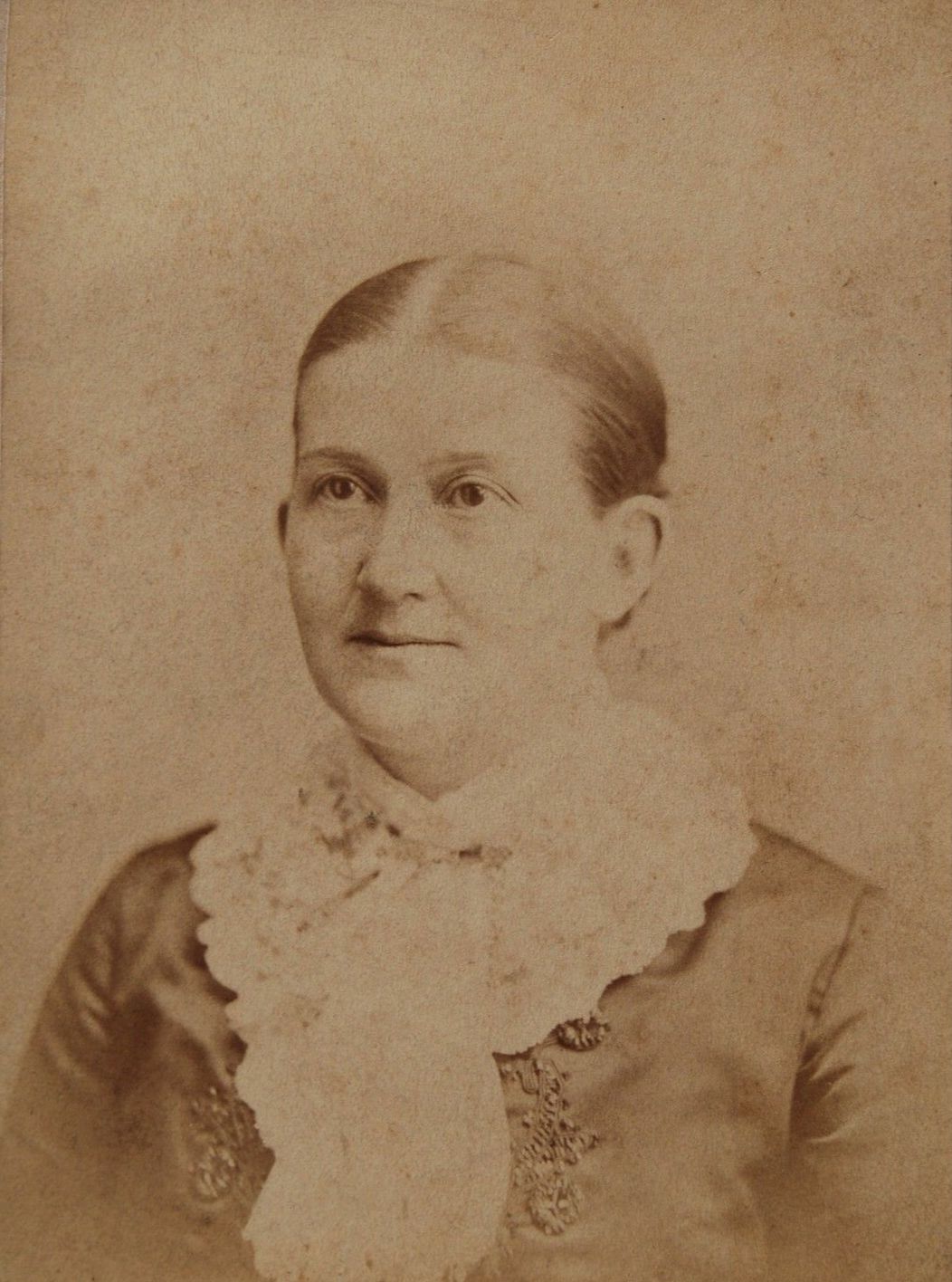
Isabella Alden was a busy woman. She had full-time duties as a minister’s wife, visiting members of the congregation, leading ladies’ prayer meetings, organizing mission bands, and teaching Sunday school classes. She wrote stories for and edited The Pansy magazine every month—all this at a time when she was producing an average of two books a year!
Somehow, she also found the time and energy to lecture before large audiences at Sunday School conventions, Chautauqua Assemblies, and women’s groups. She regularly addressed members of local CLSC chapters and traveled the country to meet with devoted readers of her books and The Pansy magazine.
This notice of one of Isabella’s lectures appeared in the Brooklyn Daily Eagle (New York) on January 14, 1882:

.
And this announcement for one of Isabella’s addresses before a Sabbath-school convention appeared in The Bloomfield Record (New Jersey) on March 11, 1882:

.
When she could, Isabella combined her speaking engagements with visits to family and friends. That was the case in 1878 when she visited her home town of Gloversville, New York.
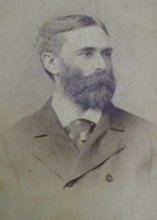
Years before (in 1866) Isabella married Reverend Gustavus “Gus” Alden and moved away from Gloversville; but her family remained in the area and she visited them as often as possible. In that late summer of 1878, she was able to visit her family in combination with an author speaking tour.
Isabella had just finished writing a short story she called, “People Who Haven’t Time.” The story was not yet published but she was ready to share it with her fans.
On Friday, September 20, 1878, she appeared at the Gloversville Baptist Church to give a public reading of the story.
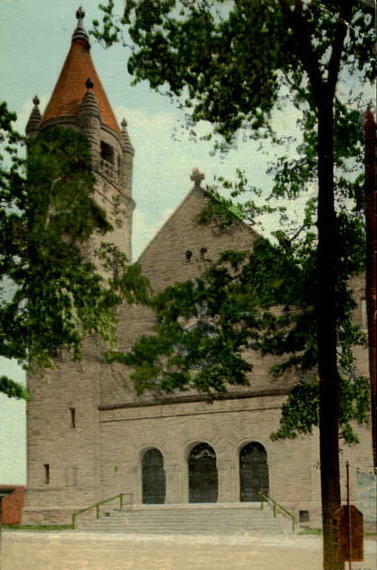
.
The local paper, The Gloversville Intelligencer, announced the event and encouraged attendance:

.
In the next edition, the newspaper gave a full account of the evening and proudly listed the many accomplishments of Gloversville’s favorite home-town girl. Here’s the full 1878 article from The Gloversville Intelligencer:

The story Isabella read at the church that night would eventually be given a final edit and named “People Who Haven’t Time and Can’t Afford It.” In 1880 the story was published in a volume that included another Pansy short story, “What She Said … and What She Meant.”

.
There are other accounts of Isabella reading her stories before audiences. For example, in 1879 she appeared before a Sunday-School convention in New York to read an original story:
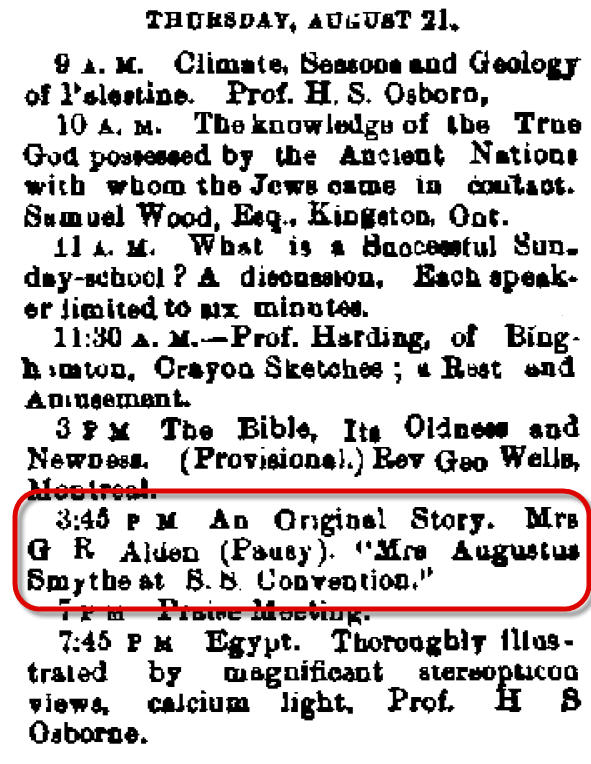
And in 1895 she read her story “Miss Priscilla Hunter” to an audience at the Presbyterian church to help raise funds for the Young Ladies’ Missionary society:


Affordable Christian Fiction
Faith, romance, and a place to belong
Author of Classic Christian Fiction
Author of Classic Christian Fiction
Reviews and giveaways for Christian fiction and sweet, clean fiction. Bringing readers information on great stories and connecting authors with their readers.
 Isabella Alden