In 1889, when Isabella was 47 years old, she shared a memory from her childhood that holds many parallels to our situation today.
When I Was a Girl
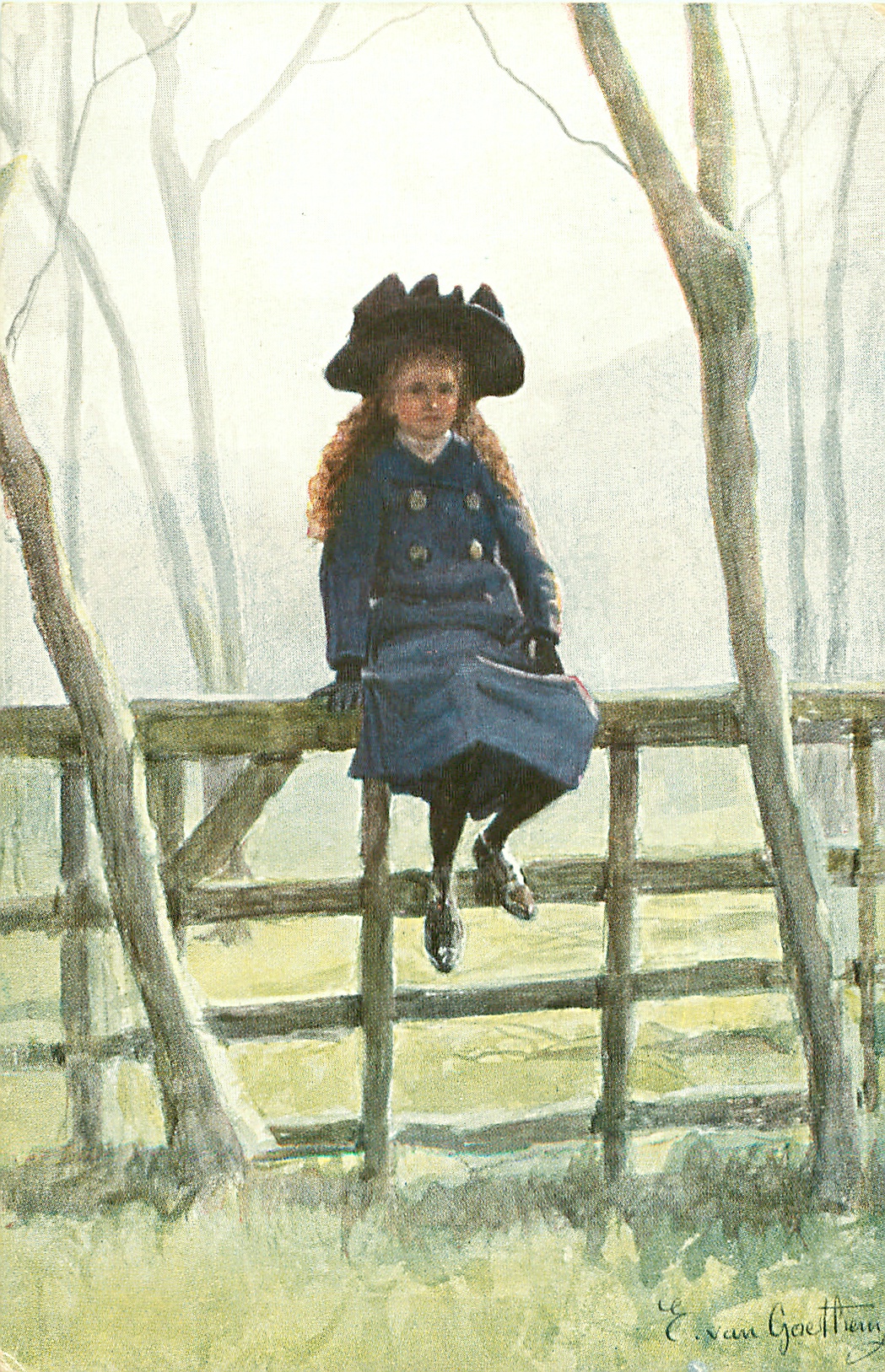
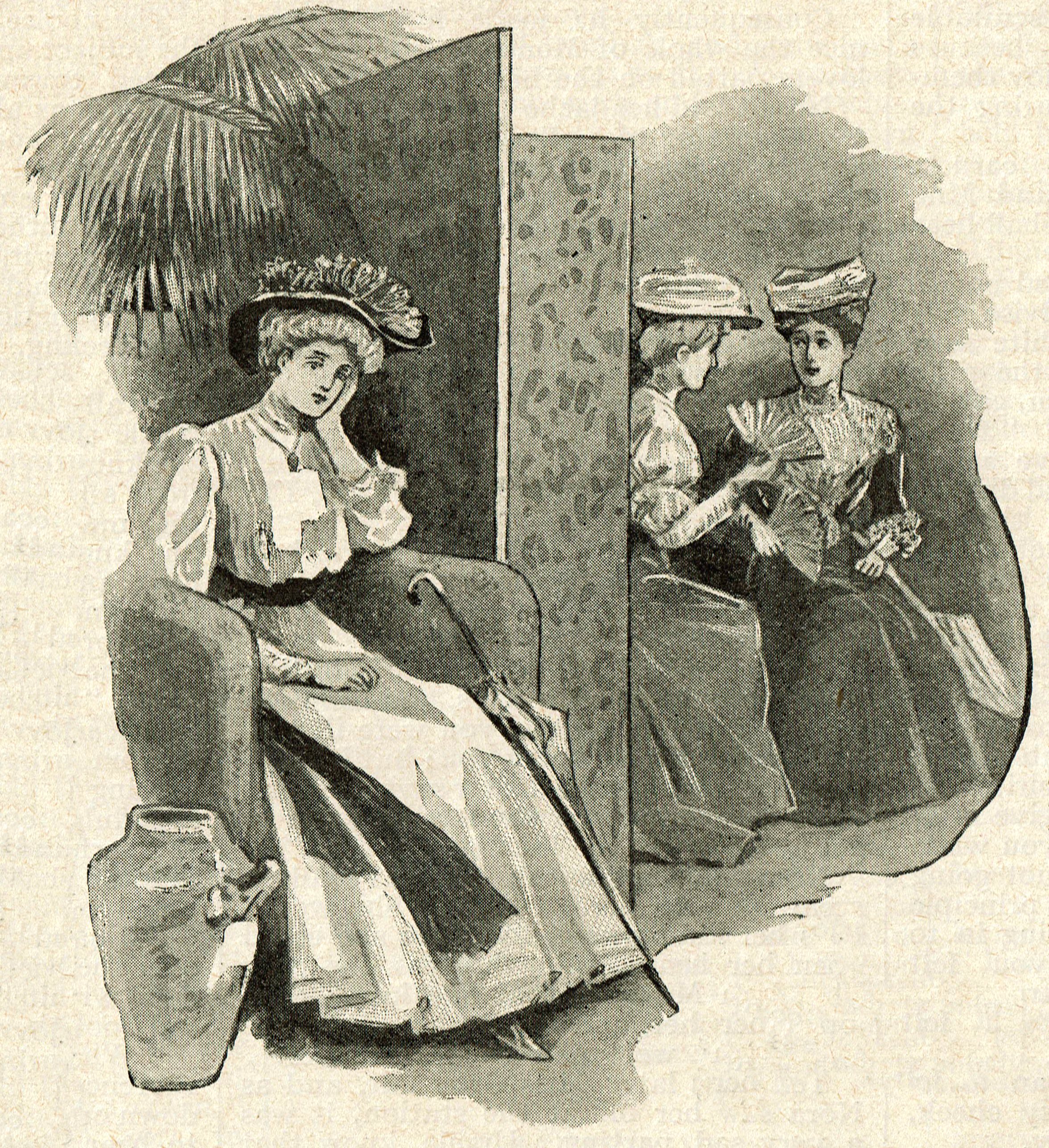
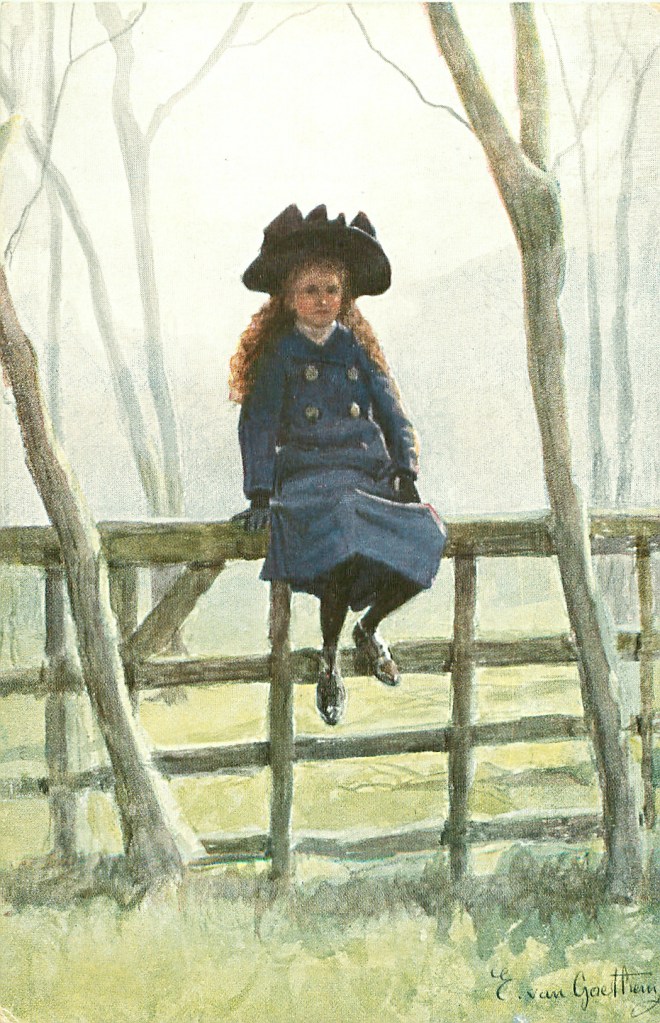
I suppose it would hardly be possible to find a girl who looked less as I did than the one whose picture I present to you. Nor for that matter, one whose surroundings were more unlike the things which surrounded me.
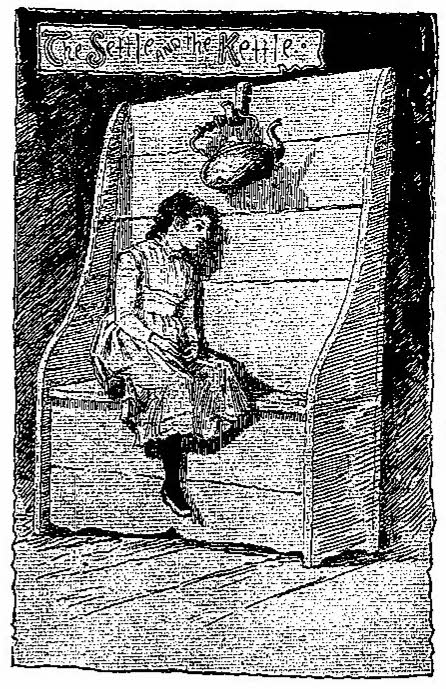
It is true we had a garden where old-fashioned flowers bloomed the summer through, and it is also true that there was a wide old seat which for some reason was called the “settle,” out in the sunshine very near the bowers, and there I used often to sit. But no such ugly back had our wide, low “settle,” nor did there ever hang an ugly black kettle just over our heads.
Yet for all that, there is something about the forlorn little girl sitting curled up on the settle that reminds me of myself. Perhaps it is the position—one foot under her, the other resting on nothing, the hands clasped drearily in her lap, the whole attitude one of deep dejection—which recalls a summer morning of long ago so vividly.
At any rate, I sat one morning on our settle and felt, and doubtless looked, as disconsolate as this little girl does. I was not by nature a dreary little girl, and my childhood was a very happy one. Perhaps for this reason I remember all the more clearly the gloomy days.
I will tell you about them. In the first place, mother was away from home. I think I have hinted that this was always a trying experience to me; but during these long, bright May days it seemed to me that my mother was always away, and in truth I saw very little of her from morning till night. It is a short story to tell, though it was a long story to live.
Into our pretty village sickness had come in a serious form—scarlet fever, which used to be less understood, I think, and dreaded even more than it is now. At least it had come among us in its most dangerous form, and many little children as well as older ones had been stricken. People were very much afraid of the homes where it had broken out. The day-schools had closed, and children who were well were kept closely at home, lest they should come in contact with the disease.

For myself, I remember I was not allowed to go outside the gate without some member of the family. Still I was happy enough. The yard was large, and my playhouse well stocked with broken dishes, and life did not seem weariful to me until one evening when father came home with a face graver than usual, and told about the family living near the saw-mill. Very poor they were, and with a house full of children. And the dreaded fever had appeared among them; two of the children were lying very low, one was dead, and tonight he had heard that two more were stricken. Yet even this was not the worst. The poor, half-sick mother had given out utterly and gone to bed.
No help could be had from any source; the people who were at leisure were afraid to go near the house, and there was so much sickness that really good help was very scarce.
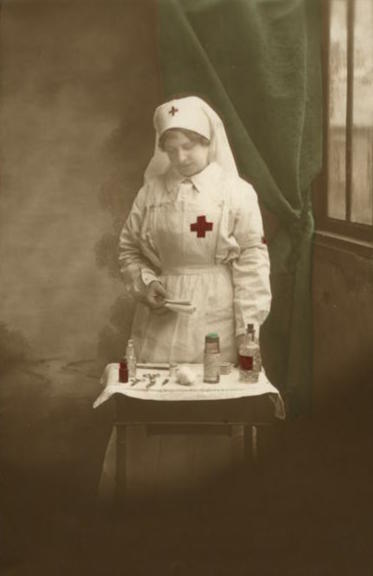
There was actually no one to do for that miserable, half-starving family but the poor father, who had left the work which alone had kept them from starvation to do what he could.
How well I remember the look on my mother’s face when father ceased speaking, as she said, after, a moment of silence, “There are three of ours who have never had the fever, you know.”
“I know it, but—” and then he stopped.

I wondered why he did not finish his sentence, and what he could have been going to say. But mother seemed to understand. She asked no questions; they said not a word for several minutes. I was busy about my play and had forgotten to give them attention, when my mother spoke again in a grave tone which some way, I did not understand why, arrested my thoughts.
“I will go and help them out, if you say so.”
Then indeed I was startled. Mother had been very careful; she had cautioned my older sisters, she had given strict orders to the younger ones; she had even said anxiously to father, “Remember the children, and don’t go where you would be likely to bring the fever to them.”
Now she was calmly proposing to go herself. Of course father would not “say so.”
I looked for him to say, “No, indeed.” But instead he smiled—a smile I think my mother must have been pleased with—and said, “It is like you. And there seems to be no one else; they may die—in fact will die, for want of care, if someone does not go.”
“I will go,” mother said again, in the same quiet tone. “I will take every precaution, and the children need not see me until I have bathed and changed my clothing.”
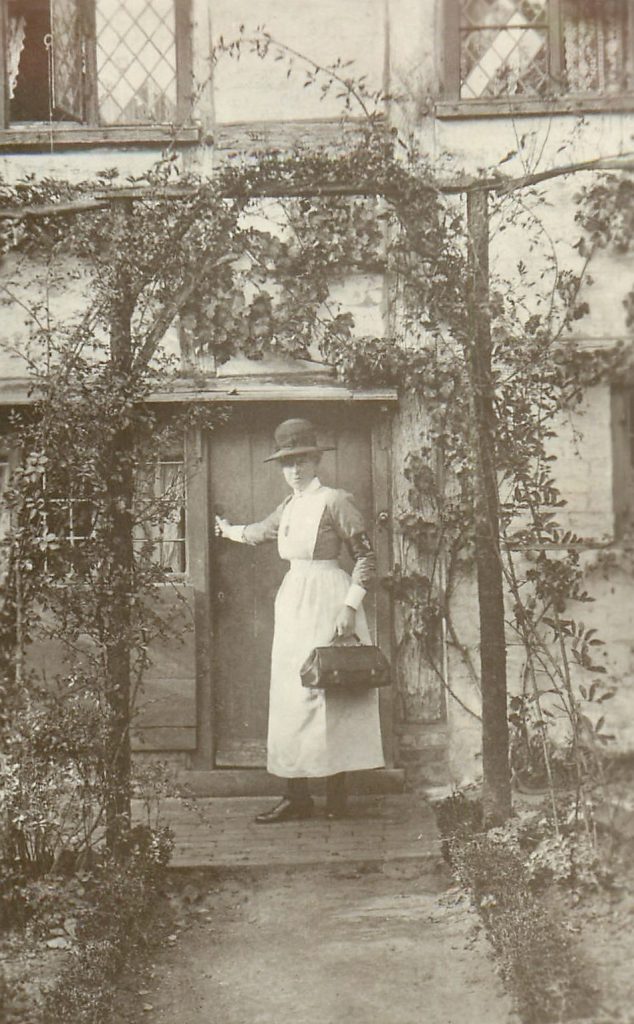
That was the beginning of it, but by no means the end. She was true to her words, and the weary days which followed stretch themselves out even in my memory, and seem long. No mother at the table, no mother to run to a dozen times a day, no mother to kiss at night; for as the disease waxed fiercer, mother came less and less frequently, sometimes not at all, even for her night’s rest, which she had planned to take at home. When she came, we were often not allowed to see her—we younger ones—nor even to go to that part of the house where she was. Do you wonder that I sat often with one foot tucked under me on the old settle and swung the other listlessly, and wished that the summer would go faster?
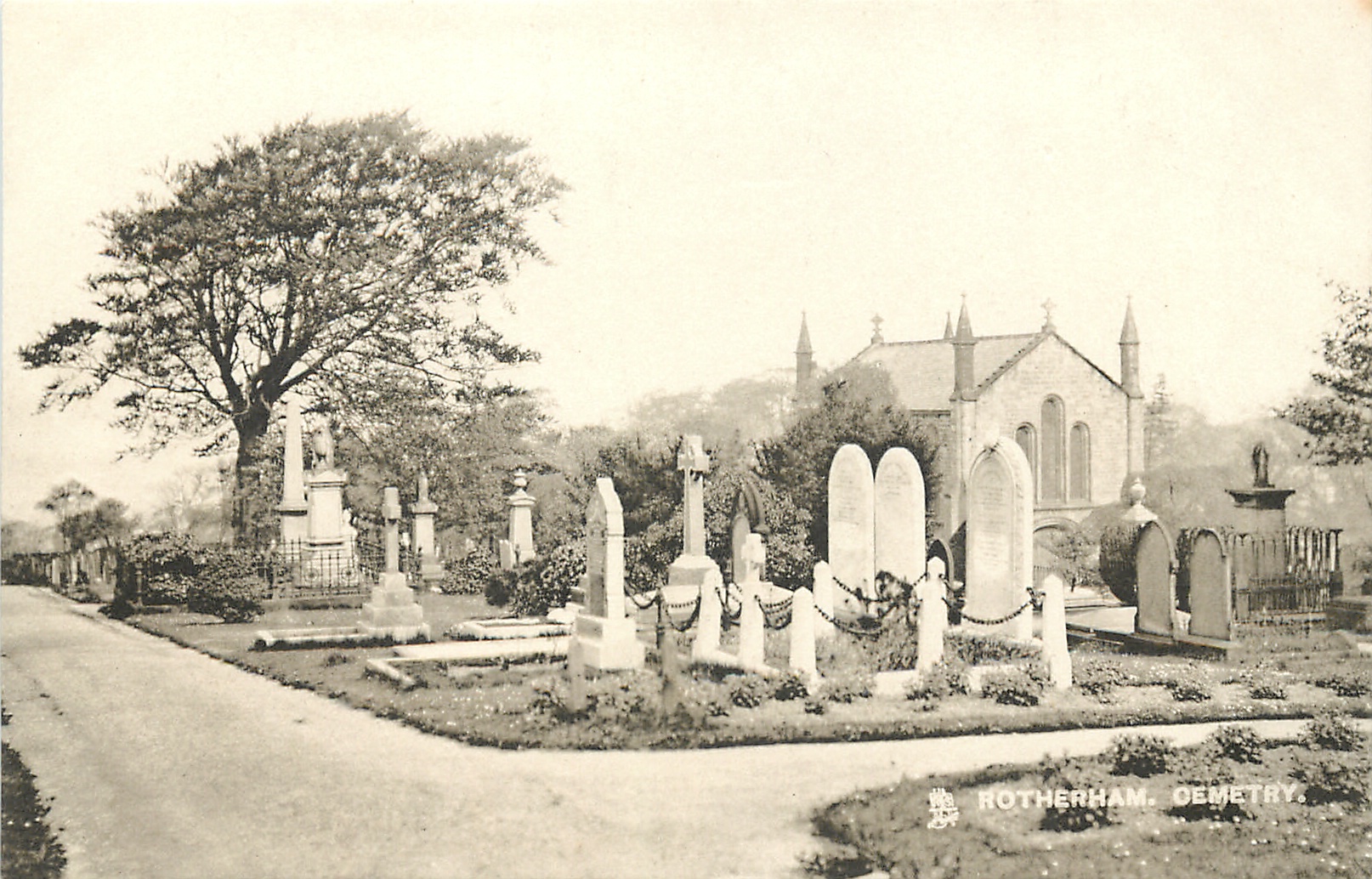
Nor was this all; I began to be afraid. The fever continued to spread—to grow more virulent—and day after day the bell tolled and tolled for still another whose body was being carried to the village cemetery; for in those days the church bell used to toll in long, slow sobs as the procession, always on foot, wound its slow way around the curve near our home, with sometimes four and sometimes six men leading the way, bearing a coffin. I can close my eyes and see it all again.

Mother came home at last, her self-appointed duty done. Two of the children she had nursed recovered, one had died. Mother was too worn to go to others—there was some comfort in that. We had her at home once more; but she was grave, and I could see that she held us, her treasures, very closely those days, and watched us almost sternly, lest we should step unawares into danger.
And at times, when the bell would toll, she would look around for us, and put her hand suddenly to her heart, as though the breath came heavily. Day and night through the dreaded ten days in which she kept herself reminded that perhaps she had brought the poison to us, she told me afterwards that we were not out of her thoughts for a moment, sleeping or waking, it seemed to her.
A season to be remembered. I did not understand or at least appreciate my father and mother’s courage and sacrifice and faith as I have since. I knew they were criticized, my father and mother. I knew the neighbors said they were “tempting Providence,” and I wondered what that could mean.
I knew one woman said that when it came my mother’s turn to hang over her own children she would be sorry she had so coolly brought death to her door; that for her part she thought it was hard enough to take it when it came, without going out to bring it.
I pondered over all these things and was afraid. I did not know that I, as a middle-aged woman, would one day recall the disconsolate little girl swinging one foot in the sunshine and wishing for mother, and feel great throbs of joy that I had such a mother to wish for!
But there was one part of the story which impressed me then, and impresses me now.
The disease spent itself at last. The long, slow summer moved away, and life began to be more like itself; and we had this to think about and wonder over, almost with awe, even then:
All about us the fever had been. On either side of us the houses were close; the windows of one room where the sick were lying almost looked into the windows of our sleeping-rooms.
On our right, on our left, across the road from us, away up and down the streets on both sides of us, the fever came. In every home there was a victim; in many two or three. From many of them that slow procession moved, while the bell tolled. And on all the long street ours was the only house where no sickness came!
Did the dear Lord send a protecting angel to guard the home of the mother and father who put their trust in Him, and went forward in the hard road where they believed duty pointed?