New Free Read: A Modern Sacrifice

Dancing 06Isabella Alden’s 1899 novel, A Modern Sacrifice, is about Kissie Gordon, the daughter of a minister, who had been raised to live according to the Bible’s teachings. But when Kissie’s father dies, she and her mother move to the city, where Kissie is quickly sucked into a whirl of social pleasures she’s never known before. Soon her world revolves around dancing and parties and playing cards.

Isabella wrote the story at a time when most Christian denominations denounced or forbad dancing of any kind. Ministers preached against dancing and wrote tracts about the hidden evils of dance.

Dancing 01

Isabella referred to those tracts in A Modern Sacrifice. In the story, Kissie tries to convince her friends to give up dancing by loaning them a book that warns against the promiscuous influence dance can have on young people.
Harrison Fisher_ Ladies Home Journal 1911 02-01The idea that dancing was a gateway to promiscuity was not new. In his 1893 book Modern Dancing; in The Light of Scripture and Facts, the Reverend William W. Gardner warned that dancing “nourished passion and sensual desires” and “leads to the seduction and ruin of the innocent.”

That was pretty strong language for Victorian times; and in A Modern Sacrifice, the mothers of Kissie’s friends were offended that Kissie—a well-brought up young woman—would own a book that contained such vulgar terms.

Ministers who preached against dancing found an ally in the New York City Chief of Police, who reported that three fourths of the “abandoned girls of that city were ruined by dancing.” His simple statement was held up by clergymen as proof of a link between dancing and prostitution.
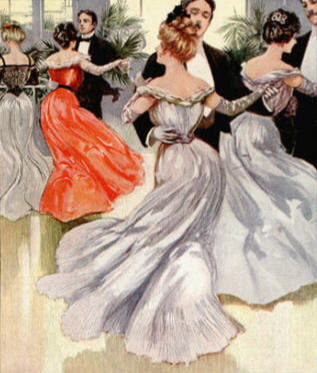
Dancing 08

The waltz earned the most condemnation from churches. “It excites great physical intimacy among young men and young women, which should only exist between those whom wedlock has united,” declared Rev. A. B. Riker of the Fourth Street Methodist Church in his series of discourses condemning popular social pastimes.

Even the humble square dance was prohibited:

“The square dances create a taste for the round dances and, usually, if not invariably, lead to them. The step is so easily taken from apparently innocent dancing to that which is free, indecent, amorous and licentious, that a tender conscience will find it safest to reject all.”

 Dr. Archibald Alexander
Professor, Princeton Theological Seminary

Dancing 09

In A Modern Sacrifice Kissie Gordon finally comes to realize how far she has strayed from her upbringing; and once Kissie saves herself from society’s extravagances, she vows to try to save her friends, too, by organizing her own social event that soon has all of society talking.

Cover_A Modern Sacrifice 02You can read A Modern Sacrifice; the Story of Kissie Gordon’s Experiment for free. Click on the book cover to begin reading.

Would you like to read a popular 1893 tract on the perils of dance? Click here to read Modern Dancing; in the Light of Scripture and Facts by Rev. W. W. Gardner, D.D.

A Diet of Doughnuts

One of the interesting things about reading Isabella’s books is the window they give us into how people lived between 1870 and 1920. From fashion to modes of travel, Isabella’s stories chronicle how different her daily life was from our modern lives today.

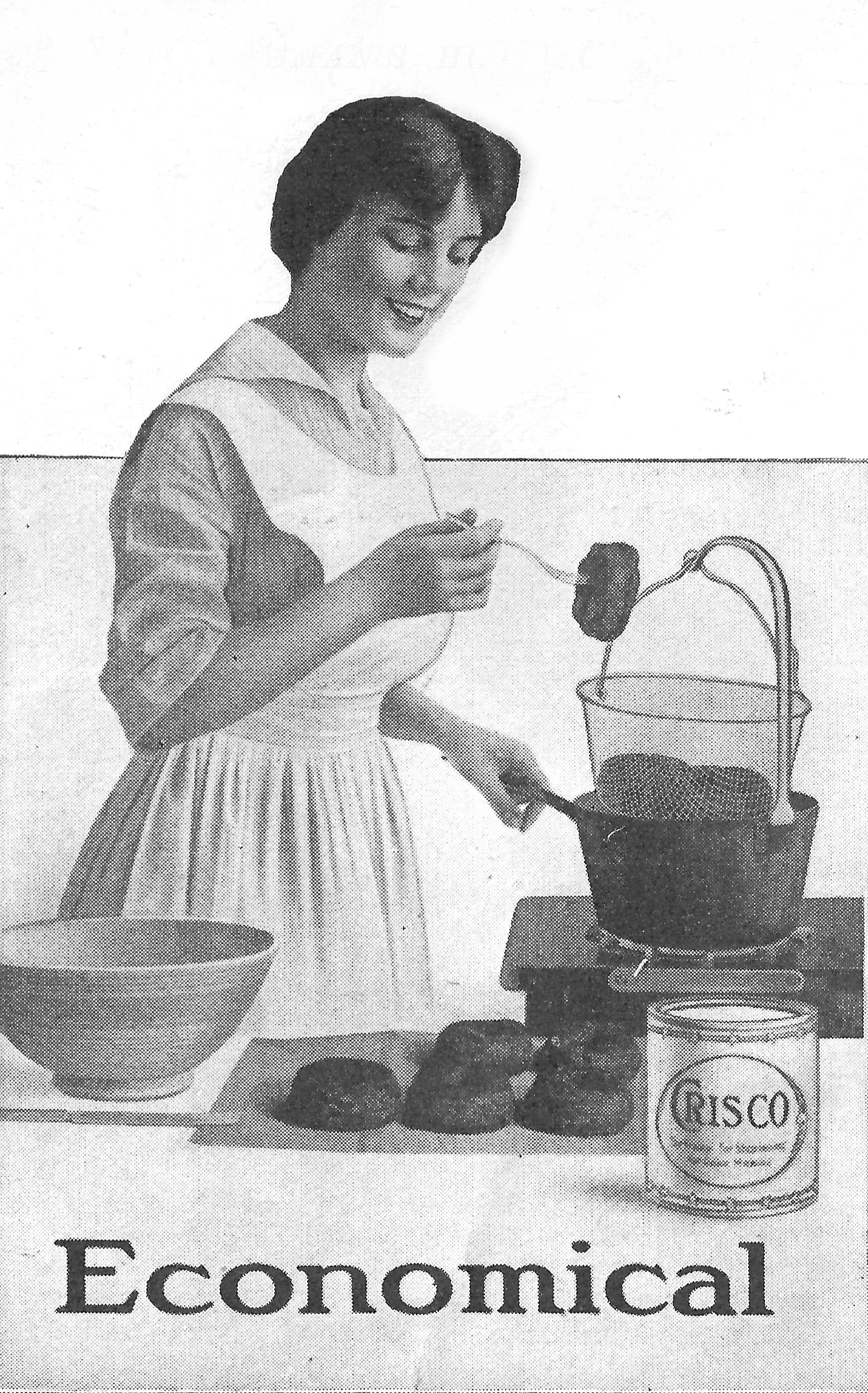
Donuts-Crisco ad 1915

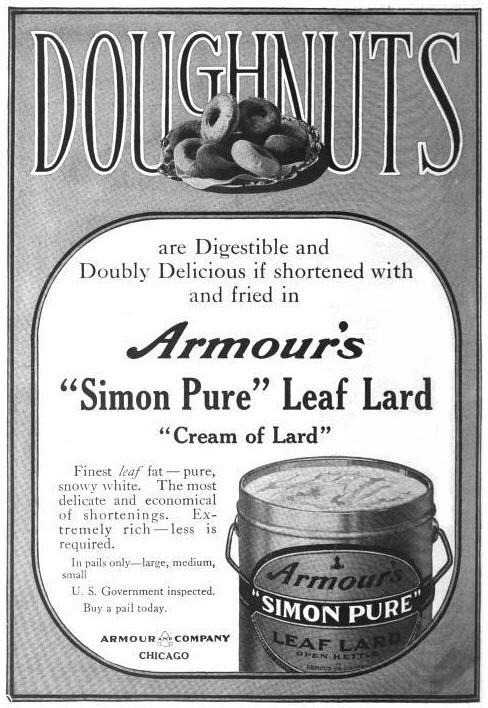
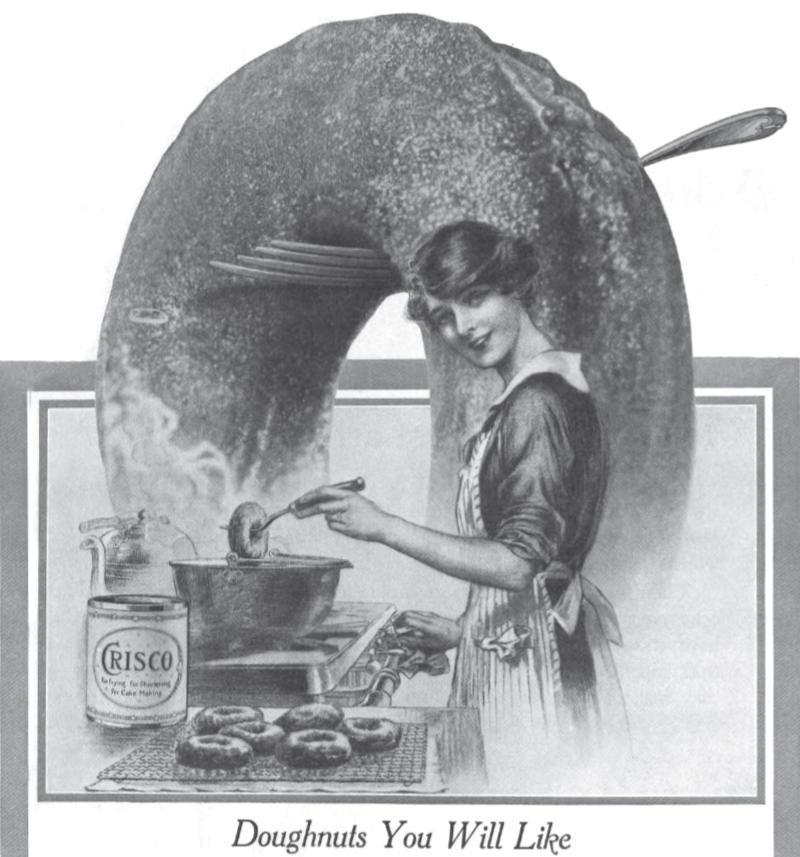
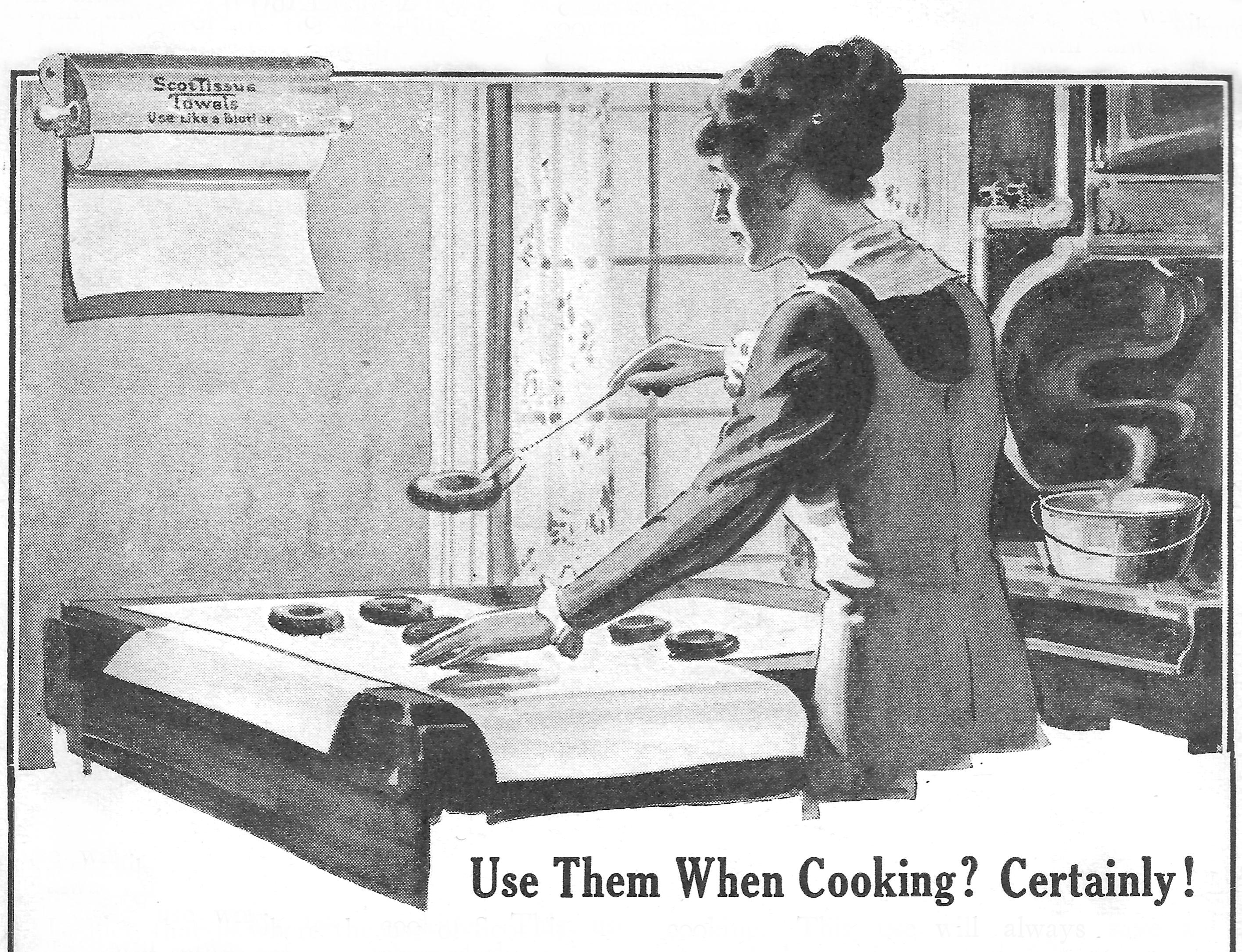
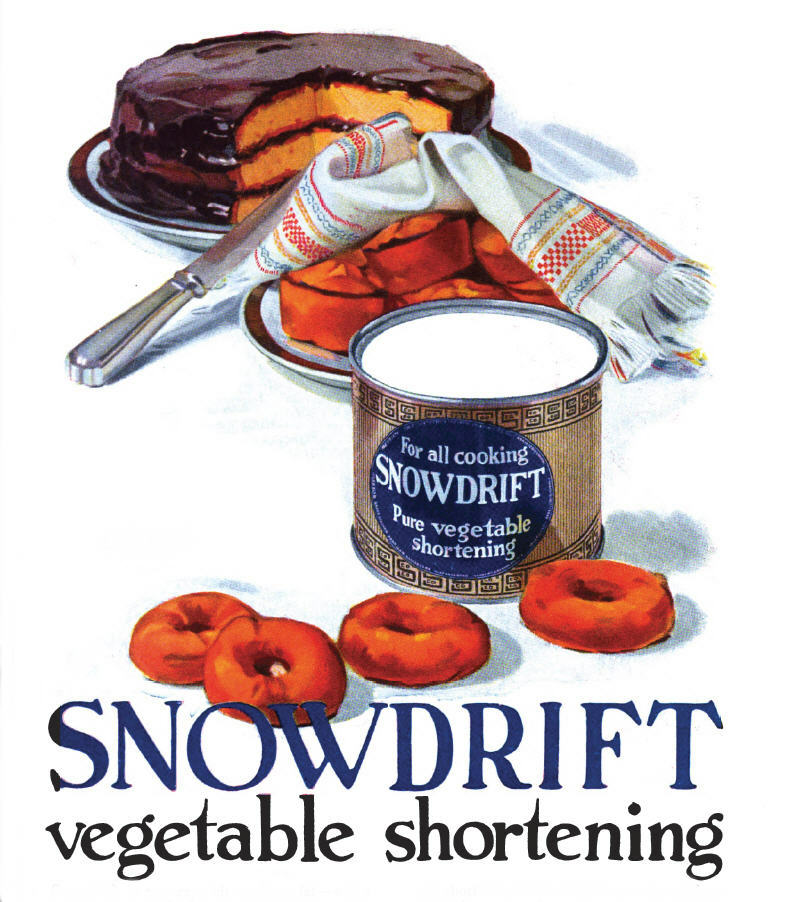
One noted difference is how people ate around the turn of the 20th Century. Back then meat, vegetables and potatoes were diet staples; and when one of those ingredients was lacking, people relied on affordable food, like johnny-cakes, to fill their stomachs. Sally Lunn cakes helped celebrate special occasions; but of all the foods that Isabella mentioned in her books, it was the humble doughnut that appeared on the menu most often.

Donut lard ad-Boston Cooking School Magazine 1913

Because they were small and easily transported, children took doughnuts to school for their noon meal. When Wayne Pierson took the job of teacher in a small town in By Way of the Wilderness, he toured the school-house and found it somewhat lacking:

He had taken in each dismal detail—the air of desolation, the hacked desks, the smoky walls, the grimy windows, and the indescribable odor adhering to an old schoolroom: odors made up of generations of lunches—bread-and-butter, and headcheese, pie, and doughnuts.

Donuts 1916 Crisco ad

And in A New Graft on the Family Tree, a kind farmer’s wife fed wandering John Morgan breakfast, then gave him a pocket-full of doughnuts to take along on his journey.

Dusted with sugar, doughnuts were also served as a dessert.

Scott Towels ad 1915


In Christie’s Christmas, a generous farm family fed the passengers on the nearby stalled train with:

Bread and butter, piles of it; a soup-plate piled high with slices of ham, thin, and done to a crisp, and smelling, oh, so appetizing! Sheets of gingerbread, great squares of cheese, a bowl of doughnuts, another bowl of quince sauce, and a pail full of milk.

Ad 1919

And in David Ransom’s Watch, Hannah Sterns served the neighborhood boys’ literary club “doughnuts, or cookies, or seed cakes, or the ever popular tea-cakes. Scarcely a meeting of the club that winter but some dainty was offered in Harlan’s name in the way of refreshment.”

At Ermina’s wedding in Household Puzzles, the family couldn’t afford to serve cake, but they had doughnuts and “delicious coffee to drink with them.”

Donut making illustration Good Housekeeping Jan 1907

Today we think of doughnuts as a breakfast food for the most part, but in Isabella’s time, doughnuts—from humble and plain to cake-like confections—were served with almost any meal.

You can read previous posts about other food items mentioned in Isabella’s books:

Delicious Johnny-cakes
Sally Lunn at Mount Vernon

The Pansy Magazine

For over twenty years Isabella Alden and her husband edited a children’s magazine called The Pansy.

Pansy Cover 1886 Jul


Each issue was filled with inspiring stories, delightful illustrations, short poems, and descriptions of exotic and far-away places to spark children’s imaginations. Published by D. Lothrop and Company of Boston, the magazine was first produced as a weekly publication, and later changed to a monthly.
D. Lothrop and Company sales room


Editing and writing for the magazine was no easy undertaking and Isabella’s entire family pitched in to help.

Pick up any issue of The Pansy and you’ll find stories by Isabella’s sisters, Julia Macdonald and Marcia Livingston, or her best friend, Theodosia Foster (writing as Faye Huntington).

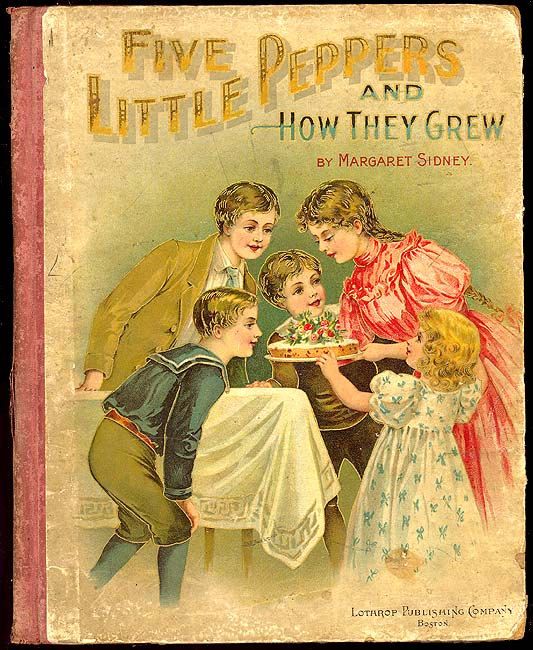
Margaret Sidney, famous for the Five Little Peppers books for children, published some of her books as serials in The Pansy, as did author Ruth Ogden. Even Isabella’s brother-in-law Charles and beloved niece Grace Livingston (before her marriage to Reverend Frank Hill) contributed stories.

The 1881 cover of The Five Little Peppers and How They Grew by Margaret Sidney


Isabella’s son Raymond wrote poems, and her husband Reverend Gustavus “Ross” Alden contributed stories and short homilies like this one:

Don't Gossip. Children, avoid this evil. I am pained every day at seeing the work which mischief-makers do. Someone has compared this evil to pin-making. “There is sometimes some truth, which I call the wire. As this passes from hand to hand, one gives it a polish, another a point, others make and put on the head, and at last the pin is done.” The Bible speaks much against mischief-making, and I would advise you to collect all the verses in this book, bearing on this subject, and commit them to memory, and then I do not think you will ever be guilty of this sin. Remember, my little friends, that you can never gather up the mischief you may do by gossip.


Sometimes, the family banded together to write stories for the magazine. In 1886 each family member—Isabella, Ross, Marcia, Grace, Raymond, Theodosia, and Charles—took a turn writing a chapter of a serial story titled  “A Sevenfold Trouble.” In 1887 they continued their collaboration by writing a sequel titled, “Up Garret,” with each writer again  producing a different chapter. In 1889 the combined stories were published as a book titled A Sevenfold Trouble.

An original illustration for A Sevenfold Trouble, published in an 1887 edition of The Pansy.
An original illustration for A Sevenfold Trouble, published as an 1887 serial in The Pansy.


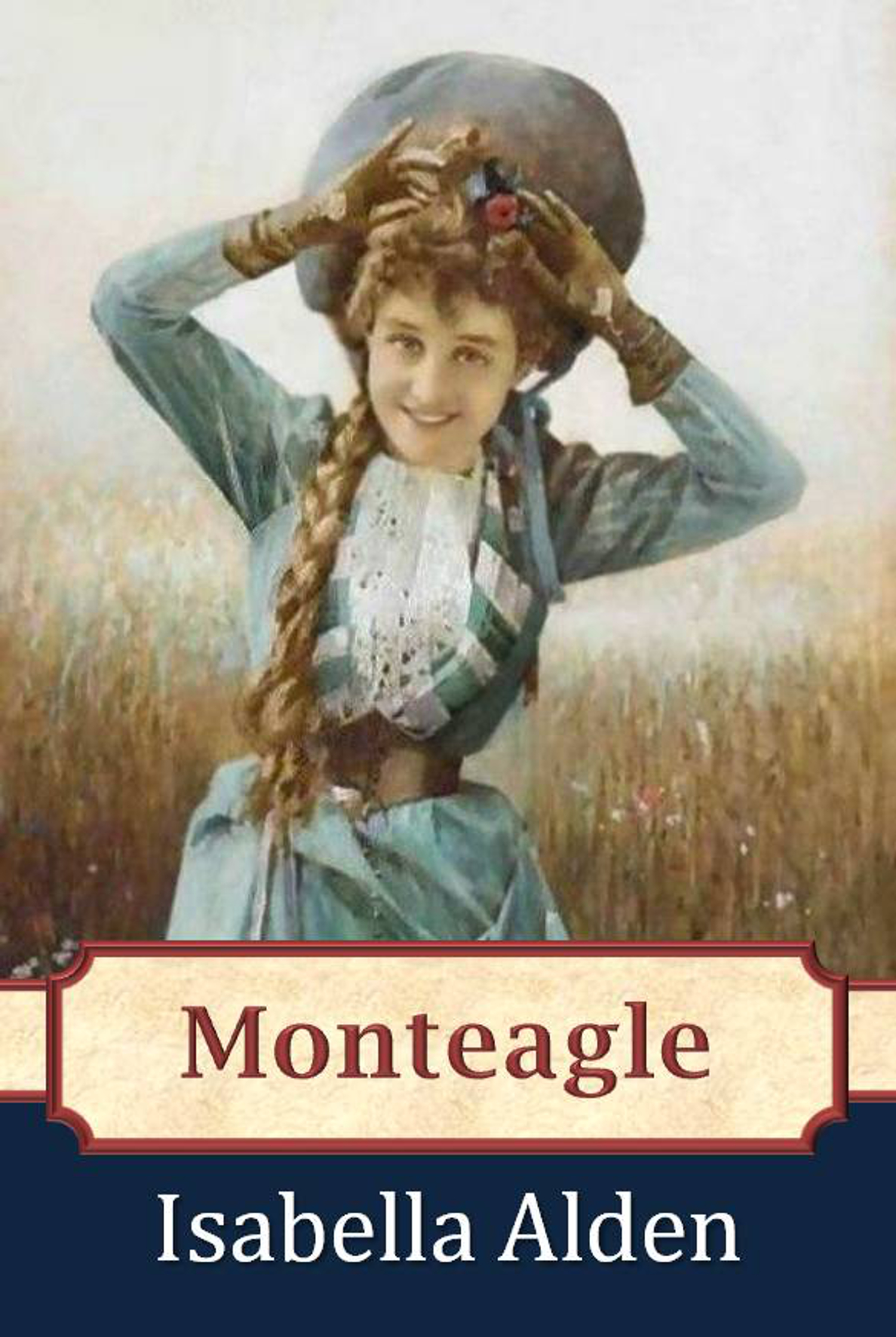
Isabella also previewed some of her own books by publishing them as serial stories in the magazine. Monteagle and A Dozen of Them first captured readers’ hearts in the pages of The Pansy.

Cover of 2015 e-book edition of Monteagle


The magazine was a resounding success. Thousands of boys and girls from around the world subscribed. Many children grew to adulthood reading the magazine, as Isabella remained at the helm of The Pansy for over 23 years.

Next week: The Pansy Society

A Gift for the New Minister’s Wife

In a newspaper interview, Isabella once confided her method for coping with troubling events that upset her:

Whenever things went wrong, I went home and wrote a book about it.

Bonnet 02 The Delineator Apr 1900Many of the trials she weathered in real life ended up as turning points for characters in her books. One such situation occurred when Isabella was a young bride and was working hard to make a good impression on her husband’s new congregation.

About a week after she and her husband arrived at a new church where he was to minister, Isabella received a gift from a member of the congregation. It was a “pitiful little bonnet,” clearly made out of the sleeve of an old brown dress. Whoever fashioned it had not tried to hide the wrinkles and pin holes still visible from the bonnet’s former life as a dress.

“In my ignorance [I supposed] it to be a love-gift from some dear old poverty-stricken soul.”

So Isabella, filled with gratitude, wore the unattractive bonnet to church the very next Sunday. There she discovered the truth: the person who made the hat and gave it to Isabella was the wealthiest woman in town. She’d sent it to Isabella because she deemed Isabella’s own bonnet was “too gay for a minister’s wife!”

Hat Box edIt was a stinging insult, and, like she always did, Isabella used her pen to write about it in her novel, Aunt Hannah and Martha and John.

In the book, Martha Remington was, like Isabella, the newly-wed wife of a new minister. And Martha, too, received a gift from a wealthy lady in the congregation.

When the bandbox was opened, she struggled with her inward conviction that she ought to feel grateful. Therein lay a bonnet—a very remarkable one. It was made of mixed green and black silk, shirred after the fashion of our grandmothers. Some of the shirrs had been laid in the old creases, and some had not. Between every third row came an obstinate crease, made in the times when the silk did duty as a dress sleeve—a crease that refused to be covered with stitches, or ironed out, but told its tale of “second-hand” as plainly as though it had a tongue.

Bonnet from The Delineator Apr 1900Poor Martha thought the black and green bonnet was “grotesque,” and she didn’t know whether to laugh or cry when she looked at it. But she did know one thing: she would not wear it to church!

As the story progressed, one of the ladies who created the ugly bonnet confronted Martha on Sunday after church, and added further insult to injury by demanding to know why Martha was still wearing her usual hat, instead of the gift the ladies had sent. Martha’s reply was friendly, but dignified—a response that was much different than Isabella’s reaction had been in real life.

Isabella later said that writing about the bonnet helped heal the woman’s hurtful actions, and, eventually, she was able to look back on it all with humor … possibly because writing about the woman’s insult really did help her see the whole incident in a more forgiving light.

Cover_Aunt Hannah and Martha and JohnYou can read more about Martha and the “grotesque” bonnet in Aunt Hannah and Martha and John. The book also contains a few more examples of awkward situations Isabella encountered in her years as a minister’s wife.  Click on the book cover to learn more.

Isabella’s Christmas Tradition

When Isabella wrote Missent; the Story of a Letter, she created a heroine named Sarah Stafford. Sarah was strong, yet sympathetic; wealthy, but lonely, too. Alone in the world, Sarah yearned for a family, which is one of the reasons she decided to rent rooms as a boarder in the home of the Dennison family.

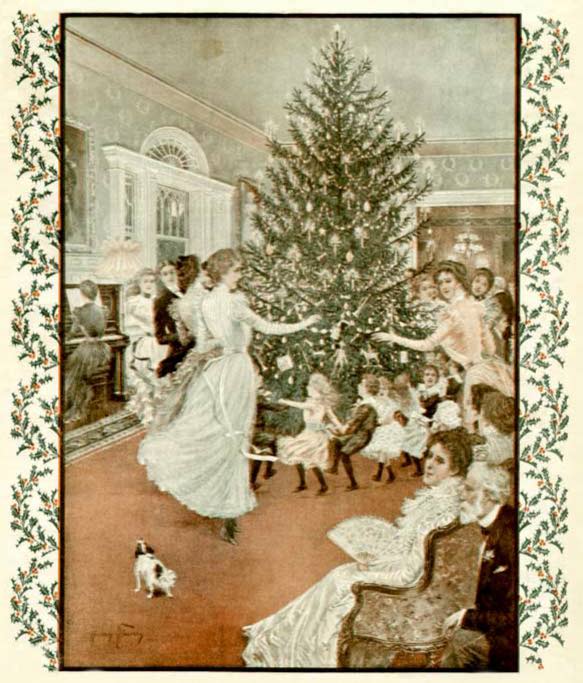
LadiesHomeJournal1898 edThere Sarah spent Christmas day with the family and took part in their Christmas celebration and fun. In the book, the family made a game of distributing gifts by making up rhymes and riddles, and having the recipient guess what the gift was before it could be opened.

That game was actually part of Isabella’s real family tradition. The entire family gathered together at Christmas—Isabella, with her husband and son; Isabella’s mother and sister Julia; her sister Marcia, with her husband Charles and daughter Grace.

On Christmas morning, there were many gifts to be opened, “nearly all of them quite inexpensive, most of them home-made, occupying spare time for weeks beforehand; occasionally a luxury, but more often a necessity, a little nicer perhaps than would have been bought at an ordinary time because it was Christmas.”

Gifts 01

Isabella’s niece, Grace Livingston Hill, remembered those family Christmas mornings with love. “Our Christmases together were happy, thrilling times.”

Grace also described the process they used for handing out the gifts:

The ceremony of distribution was a long delight, because it was a rule that each present, no matter how small, should be accompanied by an original poem or saying that was appropriate to the gift, the giver or the receiver. The rite lasted usually far into Christmas morning, with shouts of laughter over each reading, and Aunt Julia, or Grandma, or one of the others would frequently have to be excused and the ceremonies held up for a few minutes while the turkey was basted, or the mince pies taken out of the oven, filling the house with delicious Christmas odors.

Food fruit cake 1922 ed

It was on one of those Christmas mornings that Isabella gave her niece a gift that would influence her life: one thousand sheets of typewriter paper. With the paper was a note, wishing Grace success with her writing and encouraging her to “turn those thousand sheets of paper into as many dollars.”

An early, undated photo of Grace Livingston Hill

At the time, Grace was just beginning to write bits of stories with no thought of ever trying to publish them. But Isabella’s gift changed that.

It was the first hint, Grace later wrote, that anyone thought she could write professionally.

Cover_Missent v2 resizedIt’s no wonder that Isabella used her own experience to write about Sarah’s Christmas with the Dennisons in Missent; the chapter was completely based on her happy and love-filled Christmas mornings with her own family. You can click on the book cover to learn more about Missent; the Story of a Letter.

Do you have a Christmas tradition that brings your family together? Please share it in the reply section below.

Now Available: Christie’s Christmas

Christie’s Christmas is now available!

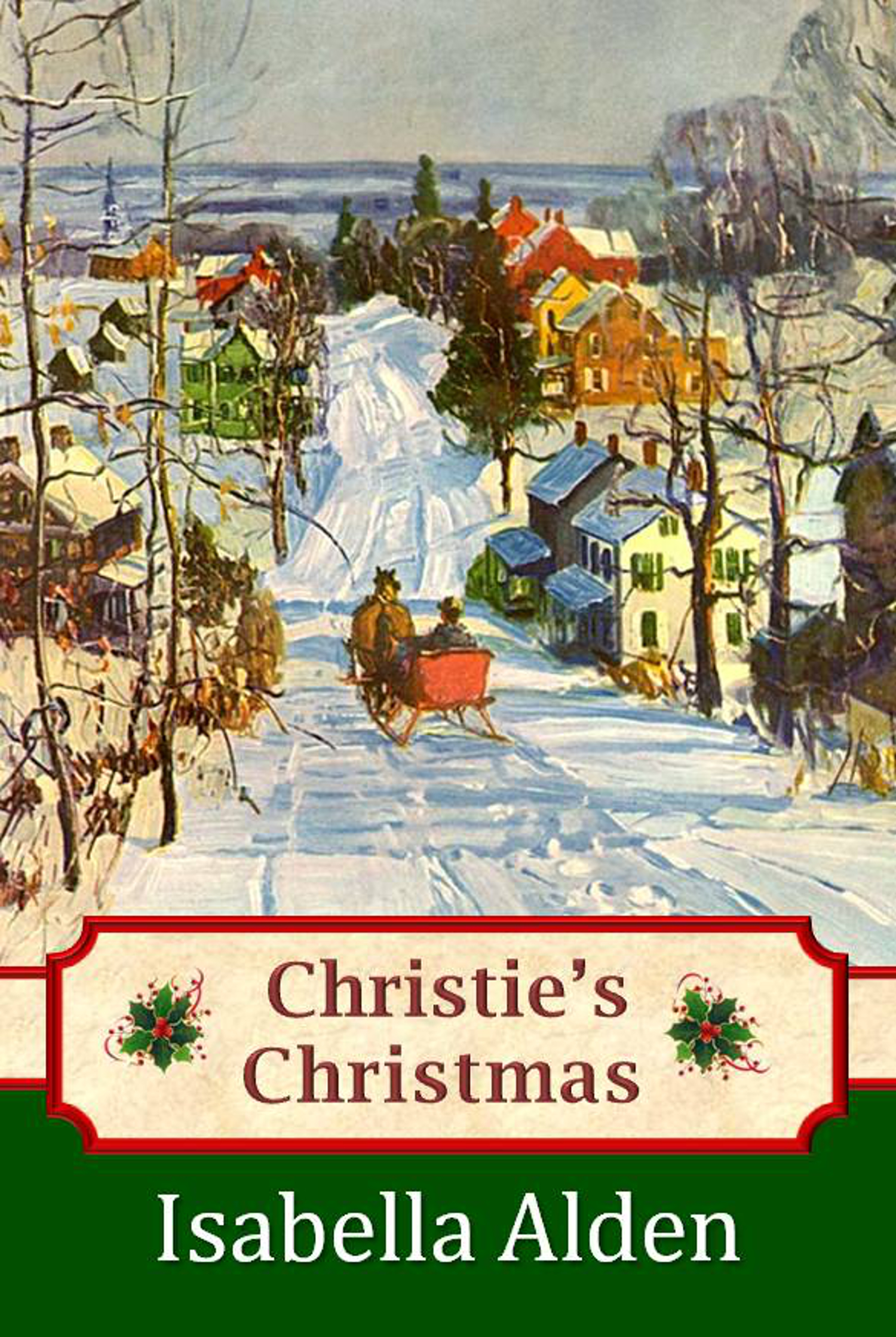
Cover_Christies Christmas v1 resizedChristie Tucker’s parents have given her the most wonderful Christmas present ever. For the first time in her life, Christie will ride the train to town to spend Christmas Day with her Uncle Daniel and his family.

For Christie, it’s a dream come true, and a day of surprises. For that simple train ride soon becomes an adventure, filled with remarkable people. And Christie’s simple acts of kindness to her fellow travelers, done in Jesus’ name, result in blessings too numerous to count.

This edition of the 1884 classic Christian novel is available at these e-book retailers:

Amazon Kindle   Kobo Button   Barnes and Noble button

50% Off E-Books at Kobo!

Kobo is holding a huge 50% off e-book sale!

There’s no limit, so stock up on eBooks while you can! Just use the promo code below, based on where you live and date of purchase:

Canada
October 28th – October 31st
Promo Code: CA50SALE

United States/Australia/New Zealand
October 27th – October 30th
Promo Code: GET50SALE

United Kingdom
October 30th – November 2nd
Promo Code: UK50SALE

Kobo ButtonNow’s your chance to save on Isabella Alden and Grace Livingston Hill titles, as well as many other Kobo e-books. Click on the Kobo link to go directly to their site. Happy shopping!


.

Furnishing a Dream Home

Some of Isabella Alden’s most memorable heroines were single, strong-willed, and determined to make their own way in the world. Miss Sarah Stafford was one such heroine. In Missent; the Story of a Letter, Miss Stafford decided to buy and furnish her own home, a remarkable and unusual plan for a young woman at a time when women couldn’t vote, and were legally barred in many states from owning property.

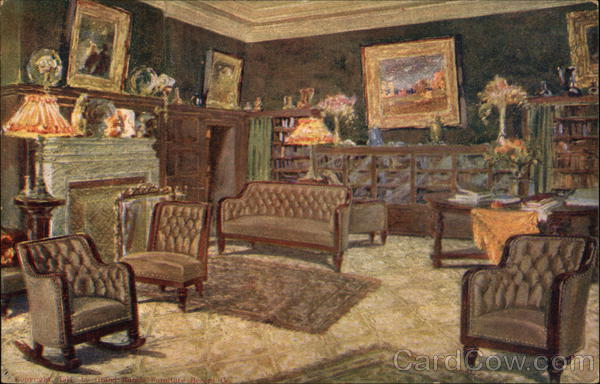
A 1906 Jordan Marsh advertisement for library furnishings

But Miss Sarah Stafford was looking for her dream home. She was alone in the world and though she’d found some happiness boarding in the homes of others, what she really wanted was a place to belong. And so she decided to buy her own house.

A 1907 Jordan Marsh ad for furnishing a reception hall

Once she made her decision, Miss Stafford turned to her friend David Durand for help. With his expertise, she was able to find a house to buy and negotiate a fair price with the seller. But Mr. Durand’s help didn’t stop there. Isabella wrote:

Then began the delightful task of furnishing. In this, as in the matter of selecting and buying, Mr. Durand was an invaluable assistant.

Parlor illustration from a 1911 furniture store trade card

Day after day, Miss Stafford met Mr. Durand at furniture stores, or carpet warehouses or any of a number of establishments as he helped her select the furnishings for her new house. Together they chose items for every room, even for a little section of the house she had named her very own “cozy corner.”

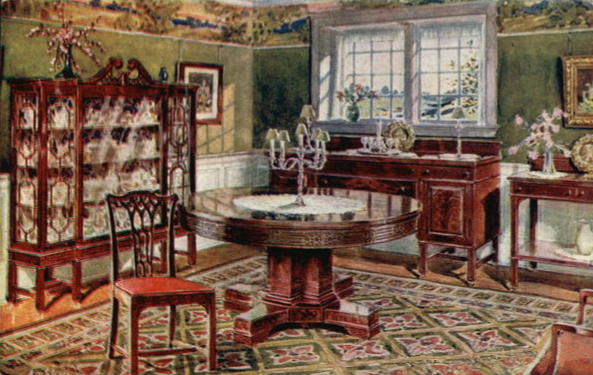
Dining room illustration from a 1912 furniture store advertisement

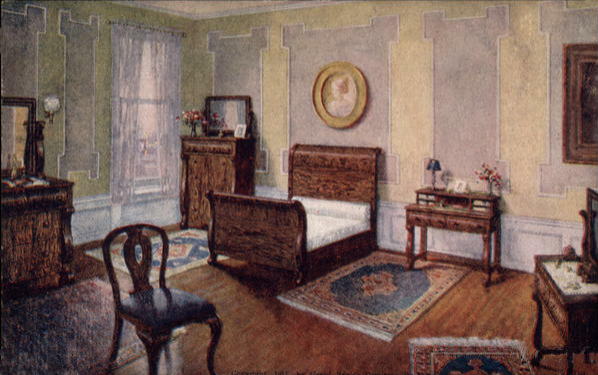
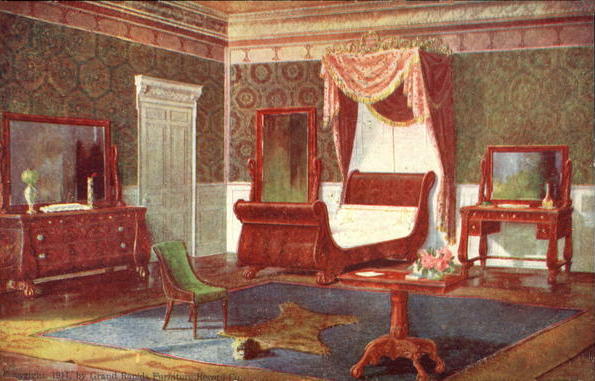
We know from Isabella’s story that both Miss Stafford and Mr. Durand had exquisite taste and chose lovely items for the house. But what did the furnishings look like? The illustrations in this post give some clues. They illustrate what the fashions in home furnishings were like around the time Missent was published in 1900.

Illustration from a 1912 furniture store advertisement

After several weeks of shopping together, Miss Stafford realized something rather important:

It was nearing completion, and was as nearly perfect as taste and skill and care could make it; but it was growing daily more lonely to her. … She had done her utmost for it, and Mr. Durand had been most kind and patient, and had hunted through many shops in search of certain old-fashioned things for which she had expressed a wish; yet, as often as she thought of herself there, a sense of loneliness and dreariness stole over her.

1912 advertisement from Flagg and Willis House Furnisher

Sarah Stafford came to realize that “rooms and furniture did not make a home.” Suddenly, the prospect of being alone again—even in a house she owned—was not at all what she wanted. Little did she suspect that Mr. Durand understood exactly what she was feeling.

1912 advertisement for bedroom furniture from Flagg and Willis House Furnisher

Very soon, Mr. Durand had a plan of his own that would both help and surprise Sarah Stafford … and ensure that she would never know a lonely day again.

Cover_Missent v2 resizedYou can find out more about Missent; the Story of a Letter by clicking on the book cover.


Downton Abbey Hair Styles

In her novels, Isabella Alden often described a character’s hair style as an indicator of the character’s personality and lot in life.

Lady Sybil Crawley's hair; Downton Abbey
Lady Sybil Crawley’s hair; Downton Abbey

For instance, Mrs. Carpenter, who took in laundry to support herself and her husband in Her Associate Members, dressed very plainly, “her hair stretched back as straight and as firmly as comb and hairpins will accomplish.”

By contrast, this is how Isabella described wealthy Elsie Chilton in John Remington, Martyr: “Elsie Chilton, dressed in brown, her gold hair in a knot below a jaunty little brown cap, escaping here and there in waves and rings about her forehead.”

There was quite a difference between the two women’s hairstyles. Elsie wore her hair in a fashion that proclaimed her to be a lady of leisure. As a general rule, the more elaborate the hairstyle, the higher the probability someone dressed the lady’s hair for her.

Lavinia Swire, Downton Abbey

If you’ve watched the TV shows Downton Abbey, Selfridges, or The Paradise—all set in the early 1900s—you may have marveled over the elaborate hairstyles worn by the female characters.

Cora, Countess Grantham, Downton Abbey

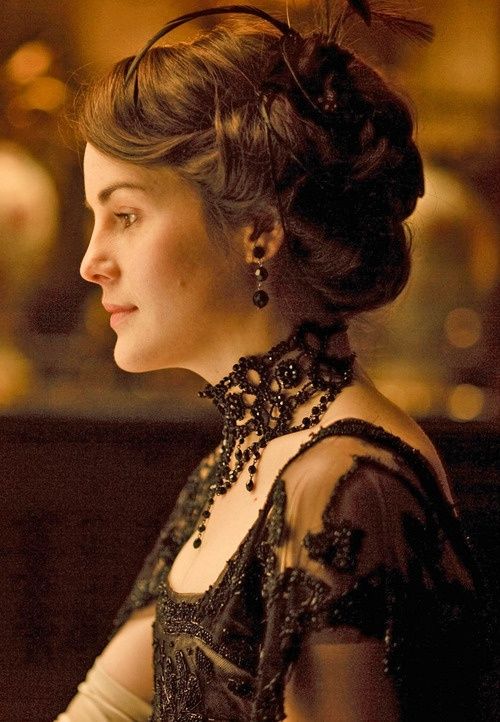
Ladies of rank—like Downton’s fictional Countess of Grantham and her daughters, Mary, Edith and Sybil—employed maids to dress their hair for them every morning; but the heroines of Isabella Alden’s books lacked such privileges. They had to dress their hair themselves, and it was not an easy task to achieve the fashionable hair styles of the early 1900s.

Lady Mary Crawley, Downton Abbey

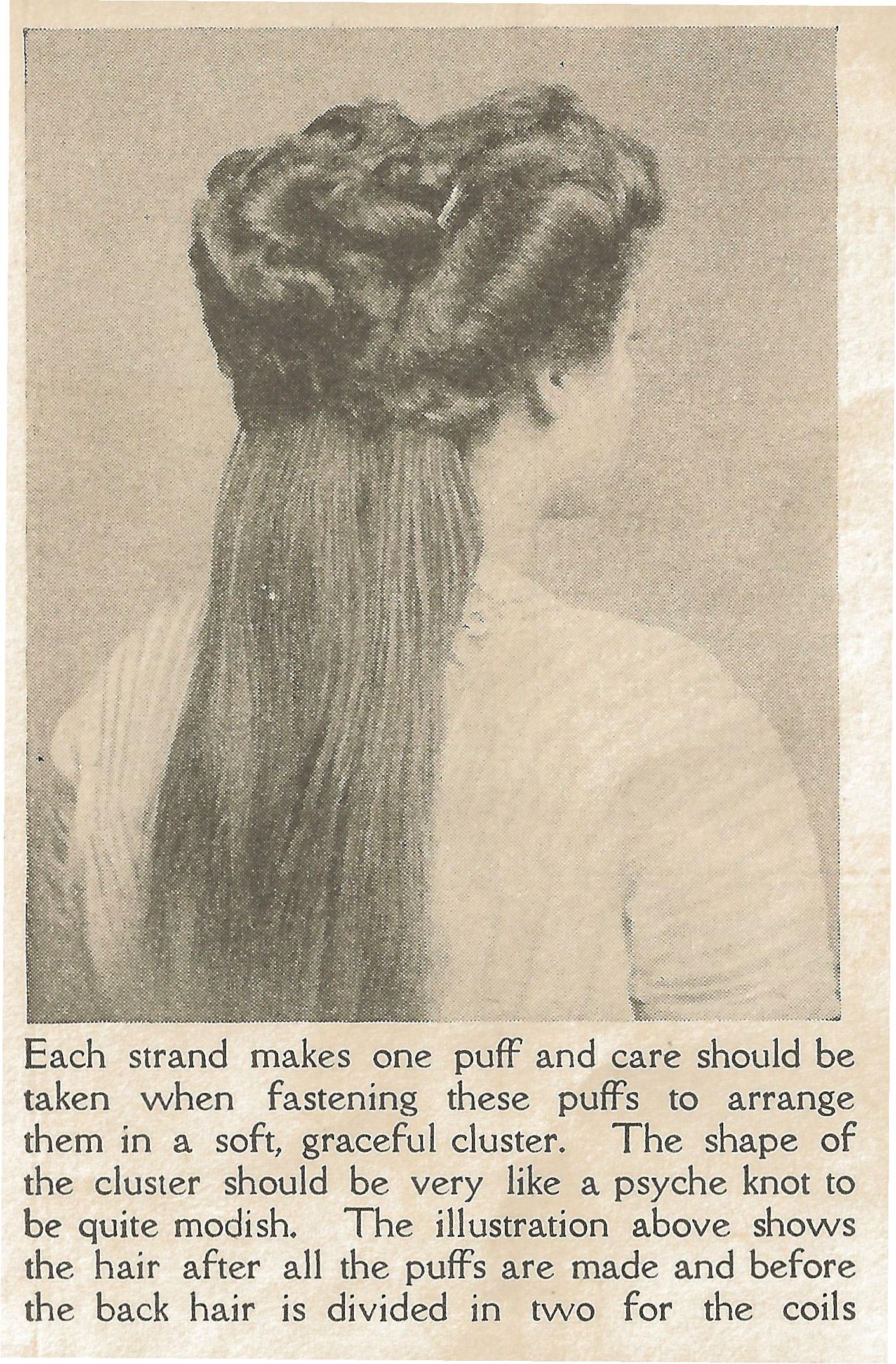
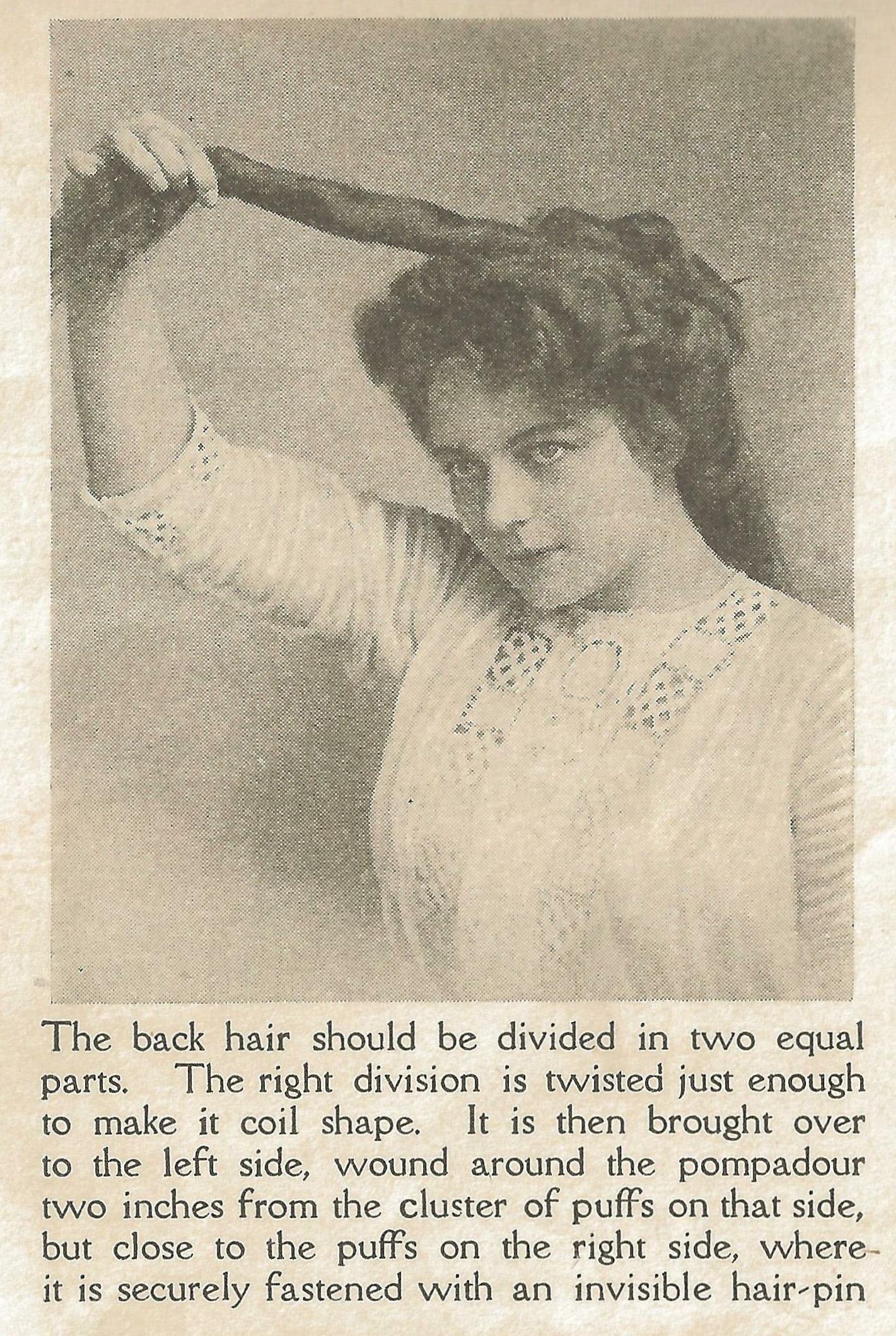
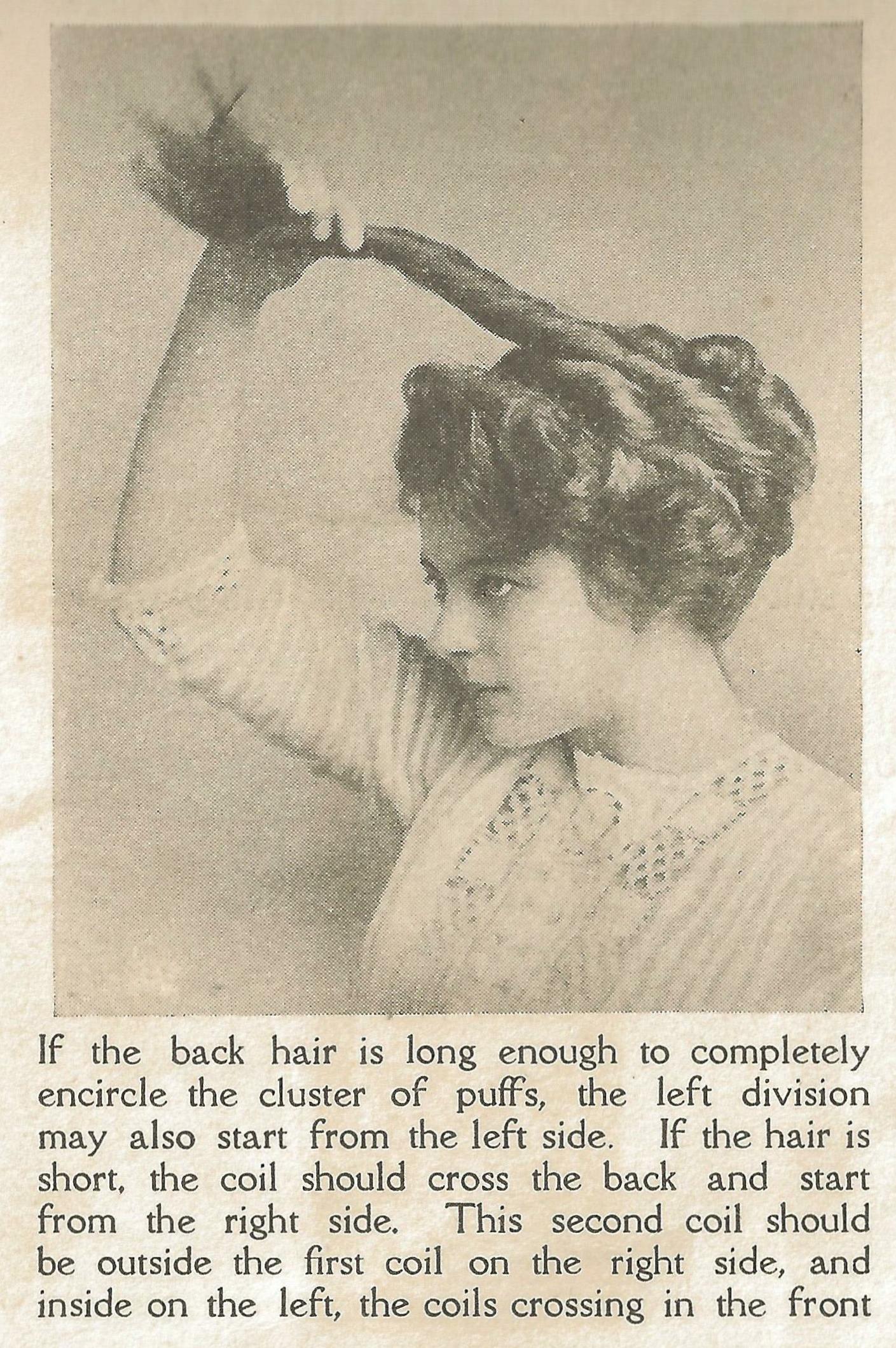
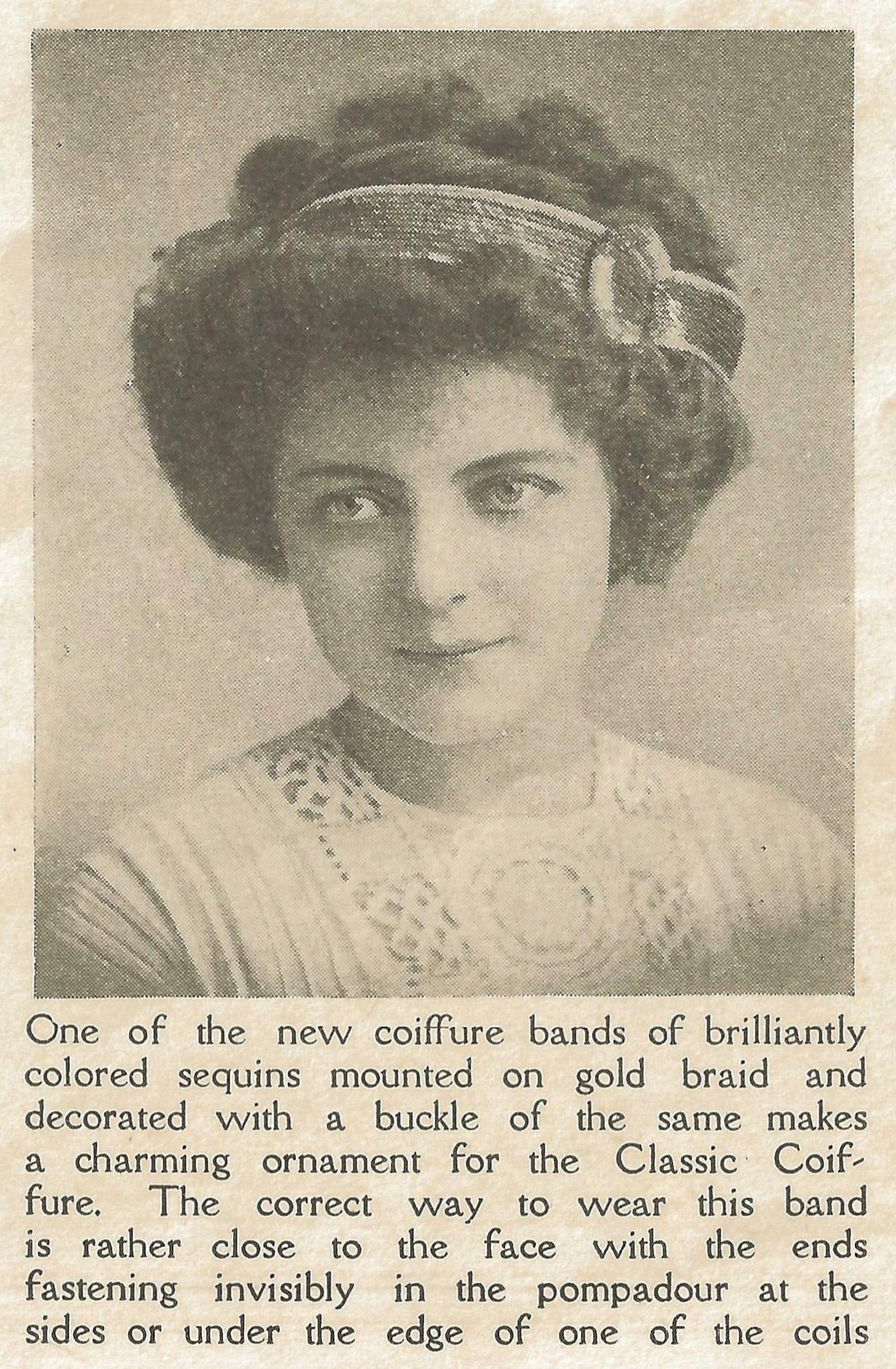
Ladies’ magazines often published pictorials instructing women on how to create the latest hairstyles. Below are step-by-step instructions for assembling intricate coils and puffs, as featured in a 1911 edition of The Woman’s Home Companion magazine:

Photo 01

Photo 02

Photo 03

Photo 04

Photo 05

Photo 06

Photo 07

Photo 08

Photo 09

Photo 10

Not every woman had thick, lush hair like the model in the instructions. Ladies with hair of a finer texture often augmented their own hair with purchased hair pieces.

Hair on Approval

Ladies could purchase hair pieces in different lengths they could style along with their own hair. This ad, from the same 1911 magazine, offered to ship high class hair “on approval” to women.

Photo 11

And this ad proclaimed, “Send no money” to order human hair, either in different lengths or clusters of puffs:

Photo 12