July’s free read is a short story Isabella wrote in 1894 about a subject she felt strongly about; namely, that Christians were never “off duty” when it came to influencing others for Christ.
Kay Morse and her friends are enjoying a perfect summer vacation together, until Kay’s conscience puts her at odds with everyone. Can she help them understand why they must follow their Christian Endeavor principles—even while they are on vacation?
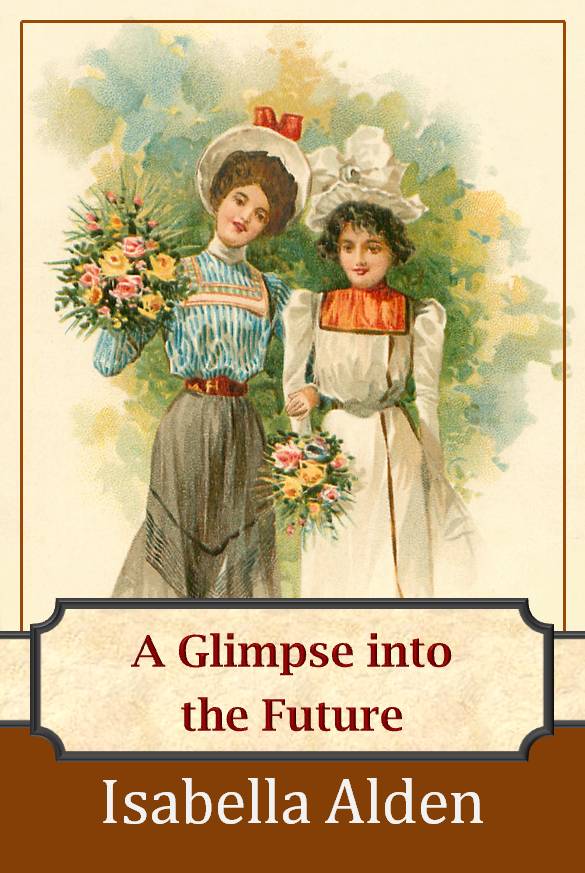
This month’s free read is a short story about two teenage friends Isabella described as:
“Sensible young ladies” who were “older at fifteen than their grandmothers at the same age thought of being.”
As is always the case with Isabella’s stories, it’s thoughtfully written to illustrate what she would call a “home truth.” But the story also gives us some hints about her personal life.
For example, she fondly describes her memories of May Day celebrations as “good times” gone by.
And later in the story, one of the characters mentions her “Mental Philosophy” class at school. When Isabella wrote the story in 1896, Mental Philosophy involved the study of the consciousness, functional thought, and religion. It was the precursor of what we now call the study of psychology. With her strong background in teaching, it isn’t surprising that Isabella would weave the latest educational innovations into her story.
.
When teenagers Eva and Cassie are tempted to visit the village fortune-teller, it seems like nothing more than a bit of harmless fun, until a wise friend shows them what their futures truly hold.
You can read “A Glimpse into the Future” for free!
Like everyone in her immediate and extended family, Grace Livingston Hill was a dedicated temperance worker. She was well-educated in the effects alcohol had on individuals and their families.
And because the production and sale of alcohol was unregulated at the time (and often included addictive ingredients such as cocaine, morphine, cannabis, and chloroform), she knew it was not uncommon for people to become addicted to some alcoholic beverages.
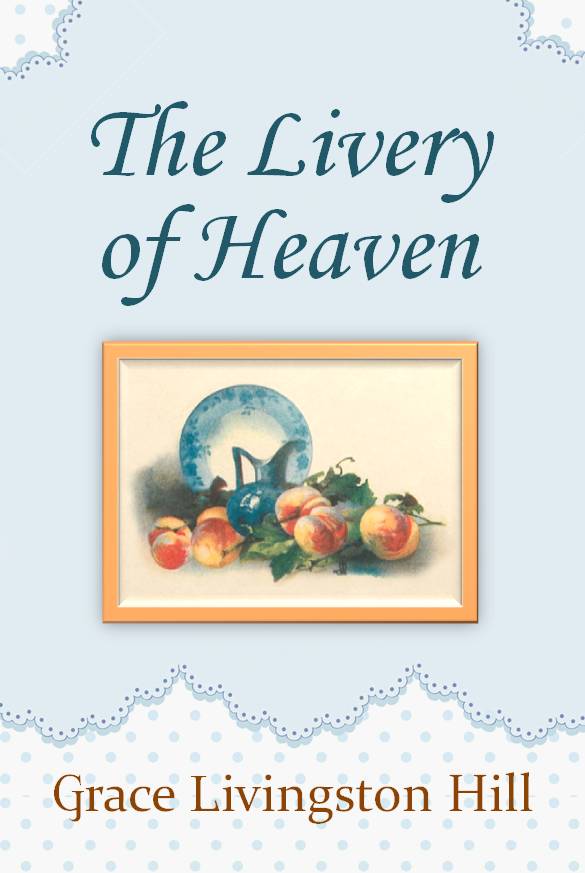
She wrote about the harm alcohol caused in a short story titled, “The Livery of Heaven.”
Mrs. Wallace is proud of her work in the temperance cause. Her latest project is raising money to build a play-ground at the Home of Inebriates’ Children. It’s a worthy cause, so when she has a chance to host a famous temperance lecturer in her very own home, she jumps at the chance, certain that his lecture will draw the support and donations she needs.
But little does Mrs. Wallace realize, a dark force is using her efforts to harm the people she loves the most.
At the core of the story is a lesson about the seemingly small and thoughtless ways Christians can cause others to stumble in their daily walk with Christ.
Magazine illustration for Grace’s story, “The Livery of Heaven.”
After a Christian magazine published the story in 1896, “The Livery of Heaven” set off a bit of a fire storm.
Join us next week to find out how some readers reacted to Grace’s story “The Livery of Heaven.”
You can read “The Livery of Heaven” for free!
Choose the reading option you like best:
You can read the story on your computer, phone, tablet, Kindle, or other electronic device.
Spring is here and this month’s short free read by Marcia Livingston celebrates the change in season.
Ruth’s mite box is empty! She has only three weeks to earn the pennies needed to fill her offering box for missionary work—but how? It seems like a hopeless situation until her dear grandmother helps Ruth realize God has already provided an answer to her problem.
You can read Spring Blossoms and Tenths for free!
Choose the reading option you like best:
You can read the story on your computer, phone, tablet, Kindle, or other electronic device.
Last week’s free read, The Little Red Shop, first appeared in The Pansy magazine and told the story of the Brimmer children—Jack, Cornelius and Rosalie. They started their own business to help support their mother and baby sister, and made a great success of it!
But author Margaret Sidney knew that with great success comes great responsibility—a lesson she illustrated in this week’s free read, The Old Brimmer Place.
The Brimmer family’s adventures continue as their little red shop prospers and thrives. But when Jack discovers a neighbor’s shameful secret, he, Corny, and Rosy can’t agree about what to do about it. Should they help their neighbor? Or should they ignore friends in need and simply concentrate on their business?
You can read The Little Red Shop for free!
Choose the reading option you like best:
You can read the story on your computer, phone, tablet, Kindle, or other electronic device.
Some of Isabella Alden’s most beloved stories are about resourceful young people who, with God’s help, make a better life for themselves and others.
That was the premise at the heart of her novels about the Bryant family (in Miss Dee Dunmore Bryant and Twenty MinutesLate) and in The Man of the House.
Harriet Lothrop (writing under the pen name of Margaret Sidney) used the same premise for her novels. In her best-selling series of books about the Pepper children, the five siblings—Ben, Polly, Joel, Davie, and Phronsie—comprised a poor but stalwart family struggling to stay together. And at the heart of each story was the children’s desire to help their mother, whom they affectionately called “Mamsie.”
A sketch of Margaret Sidney with her signature; from an article about the author in Good Housekeeping magazine, December 12, 1885.
Harriet once explained in an interview why there was no father in any of the stories:
“My judgment told me that I must eliminate Mr. Pepper, because the whole motif “to help mother” would be lost if the man lived. It hurt me most dreadfully. He was a most estimable man, and I loved my own father so much, it seemed the most wicked thing to do. I went around for days quite droopy and guilty.
She used the same “fatherless family” device when she later wrote stories about the Brimmer children. In this two-book series, older brothers Jack and Cornelius are determined to earn money to help their widowed mother and younger siblings. In the process, they find their principles challenged at every turn, even as they learn valuable lessons.
Tired of seeing their mother struggle to support them, brothers Jack and Cornelius—with some help from little sister Rosalie—decide to go into business, and open a little shop in the old tool shed behind their house. At first business is slow, but just as the brothers begin to doubt they will ever make the shop a success, one of their town’s most influential citizens takes notice of the boys’ efforts. Soon the brothers have more business than they can handle, and an entirely new set of problems to solve.
The Little Red Shop is a charming story written with older children and teens in mind.
You can read The Little Red Shop for free!
Choose the reading option you like best:
You can read the story on your computer, phone, tablet, Kindle, or other electronic device.
Publishing The Pansy magazine was more than just a family affair for Isabella Alden. Writers outside her family circle also contributed poems, biographies, science articles, and other content for the magazine issues. One of those contributors was Harriet Lothrop, who wrote children’s fiction under the pen name of Margaret Sidney.
Margaret Sidney about 1895, image from the New York Public Library
Harriet’s books were incredibly popular, especially the Five Little Peppers—a series she wrote about brothers and sisters in the fictional Pepper family. Daniel Lothrop, the publisher of the Pepper books, also published Isabella’s books, as well as The Pansy magazine.
Daniel Lothrop
Mr. Lothrop was immediately charmed by Harriet’s Pepper books. In fact, he was so impressed, he asked to personally meet Harriet. One thing lead to another, and they eventually married!
An 1899 cover of one of the Pepper books, The Stories Polly Pepper Told
Together they became a powerhouse in the publishing and literary communities. They purchased Wayside, the Concord, Massachusetts home that previously belonged to American author Nathaniel Hawthorne. There Harriet continued to write her stories and novels; and Daniel enjoyed his weekends there as respite from the hustle and bustle of downtown Boston where his publishing house was located.
Wayside, as it appeared in 1908.
As individuals, Isabella Alden and Harriet Lothrop could not be more different. Isabella lived a rather quiet life, supporting her husband’s ministry, raising her son, writing her books, teaching at Chautauqua, and giving talks and readings of her stories at churches across the country.
By comparison, Harriet loved a good party. She was a leading force in Concord society. When her daughter Margaret turned nine years old, Harriet, in typical style, threw an all-day celebration. She invited children and adults from around the area to join the birthday celebration.
The highlight of the event was when the children formed a circle around a large artificial rose that had been set up on the lawn. And when the rose petals parted and spread, they revealed little Margaret setting in the center of the rose. Here’s an illustration that appeared in a magazine that printed an account of the event.
Harriet was definitely an imaginative hostess, and knew how to throw a party to please children and adults!
The same was true of her stories. Although Harriet was best known for her children’s books, she also wrote novels for teens and young adults.
One such novel was How Tom and Dorothy Made and Kept a Christian Home.
Newlyweds Tom and Dorothy Foster have a bright future together, but very little money. They’ve pledged to spend their earnings for God’s good, but it seems each new day brings new temptations. Will they be able to keep the promises they made to God and to each other?
You can read How Tom and Dorothy Made and Kept a Christian Home for free!
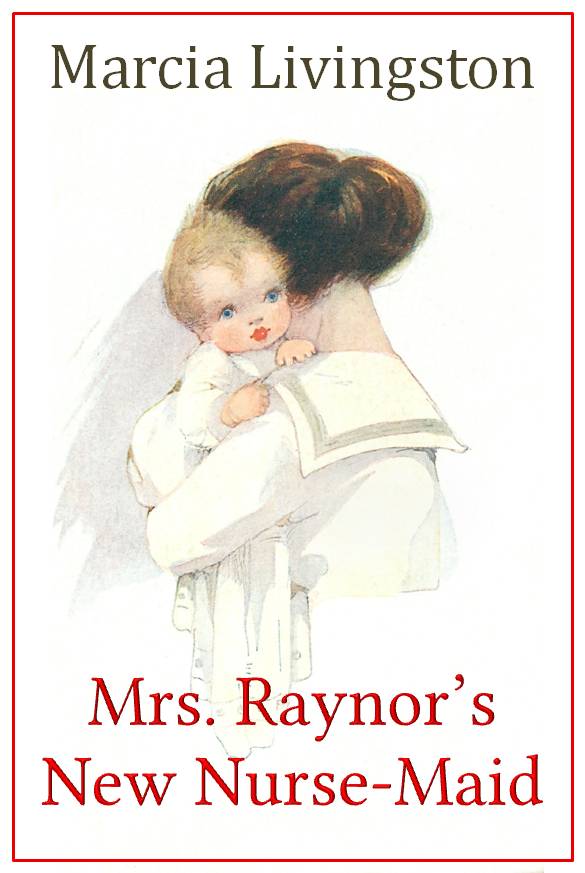
This month’s free read is a charming short story from the pen of Isabella’s sister, Marcia Livingston (who also happens to be the mother of author Grace Livingston Hill).
Written in 1886, the story is about the difficulties a young mother faces in trying to find the right person to help care for her baby. And while it’s entertaining, the story also gives us some hints of what it was like to be a middle-class mother in those days, and the many rules women had to live by.
Helen Raynor is in need of a nurse-maid to help care for her precious little newborn. But so far, every nurse she employed proved incompetent or ill-tempered. Poor Helen is near desperation when she suddenly recalls an old family servant who might be perfect for the job. Will Helen be able to convince her husband she has made the right decision?
You can read “Mrs. Raynor’s New Nurse-Maid” for free!
Choose the reading option you like best:
You can read the story on your computer, phone, tablet, Kindle, or other electronic device.
Isabella often wrote stories about what happens when someone chooses to do the right thing, even at the cost of personal sacrifice. This month’s free read is a short story that reflects that theme.
It’s New Year’s Day and Stephen Watson plans to spend it with a friend—until his employer insists Stephen work instead. Poor Stephen can barely contain his disappointment; and when he tells a stranger his troubles, he learns a valuable lesson in charity.
You can read “What If I Had!” for free!
Choose the reading option you like best:
You can read the story on your computer, phone, tablet, Kindle, or other electronic device.
This month’s free read is a short story Isabella wrote in 1891 about the joy of giving at Christmas time:
It’s the worst Christmas ever for wealthy Adele Chester. Her mother and father are in Europe, and Adele has been left behind to stay with her Aunt Martha … on a farm! Her parents sent her money to spend, but where would she spend it? And on what? Then a little girl named Janey enters her life, and suddenly Adele’s Christmas takes on a whole new meaning.
Reviews and giveaways for Christian fiction and sweet, clean fiction. Bringing readers information on great stories and connecting authors with their readers.












 Isabella Alden