The Home-School

The Home-School. Isn’t that a pretty name for a school? Now I want all the Pansies to listen while I tell them where this school is.

When you get to Utica, on the Central Railroad, you want to take the street cars that always stand at the depot waiting, and half an hour’s pleasant ride up Genesee Street—one of the prettiest streets in New York State—will bring you to New Hartford.

Photo of a trolley, drawn by a single horse. A man wearing a conductor's uniform stands at the front of the trolley, holding the reins.
A horse-drawn street-car.

This is a pretty, pleasant village, just far enough away from the noise and bustle of the city, to give you sweet sights and smells, and pleasant country sounds.

Black and white photo of a trolley stopped in the middle of a residential avenue, where several people wait to board. In the background is a wide, tree-lined avenue with large, Victorian-era homes on one side.
A small town trolley (circa 1910).

A pleasant walk up the hill and you reach a home hiding among great old trees. You never saw a prettier yard than belongs to that house! Lovely little evergreen trees just starting into beauty, snuggling under the great giant trees that tower above them on every side. There are mossy banks, and grassy walks, and a lovely mound of grass, in the center of which plays a fountain. There is a winding graveled carriage drive quite up to the door of the house, and there are flowers, and shrubs, and ferns, and lovely grasses everywhere.

Black and white photo of a large, three-story home, with a wide veranda that spans the width of the house. there is an "ell" addition off the right side of the house. A healthy lawn leads up to the steps of the veranda and the home is surrounded by trees.
Photo of a large house in New Hartford, believed to be about the size and in a similar setting to The Home School (about 1910).

Of course the house hiding behind so much beauty is a large pleasant old house, with many unexpected rooms starting out where you thought there was only a door or, at best, a clothes press. In one of the sunniest of these rooms, the home-school gathers every morning at nine o’clock, some of them boarders, some of them day scholars, all of them happy and bright.

One day last week I peeped in on them. Someway, the pretty little tables covered with green spreads, and comfortable looking chairs standing before them, and the large old-fashioned lounge at one end of the room, and the pictures on the walls, and the flowers in vases everywhere, made this look unlike any other schoolroom that I ever saw. “The home-school,” I said to myself. “Yes, it is rightly named; it does look like a home.”

There is another reason why “home” is a particularly good name for it: there is a mother in it. One of those sweet and quiet women, who seem to be voiceless, where the plannings are concerned; who sit often in quiet corners, with knitting or sewing, while the bustle of life goes on; but who are, after all, the planners, the managers, the grand central wheels in the machinery of home life. Just such a mother is there; and to show you how all the scholars feel the influence of home, let me tell you that by tacit consent they have fallen into the habit of using the familiar “papa” and “mamma” to the heads of this household instead of the colder, more dignified names which are used in speaking of them.

Now let me tell you a bit of a secret. You know Faye Huntington? She has written many a story for us, you remember. Well, she is a power in this school; one of the teachers, one of the helpers, the friend to the scholars, the sympathizer in all their schemes, or troubles, or disappointments.
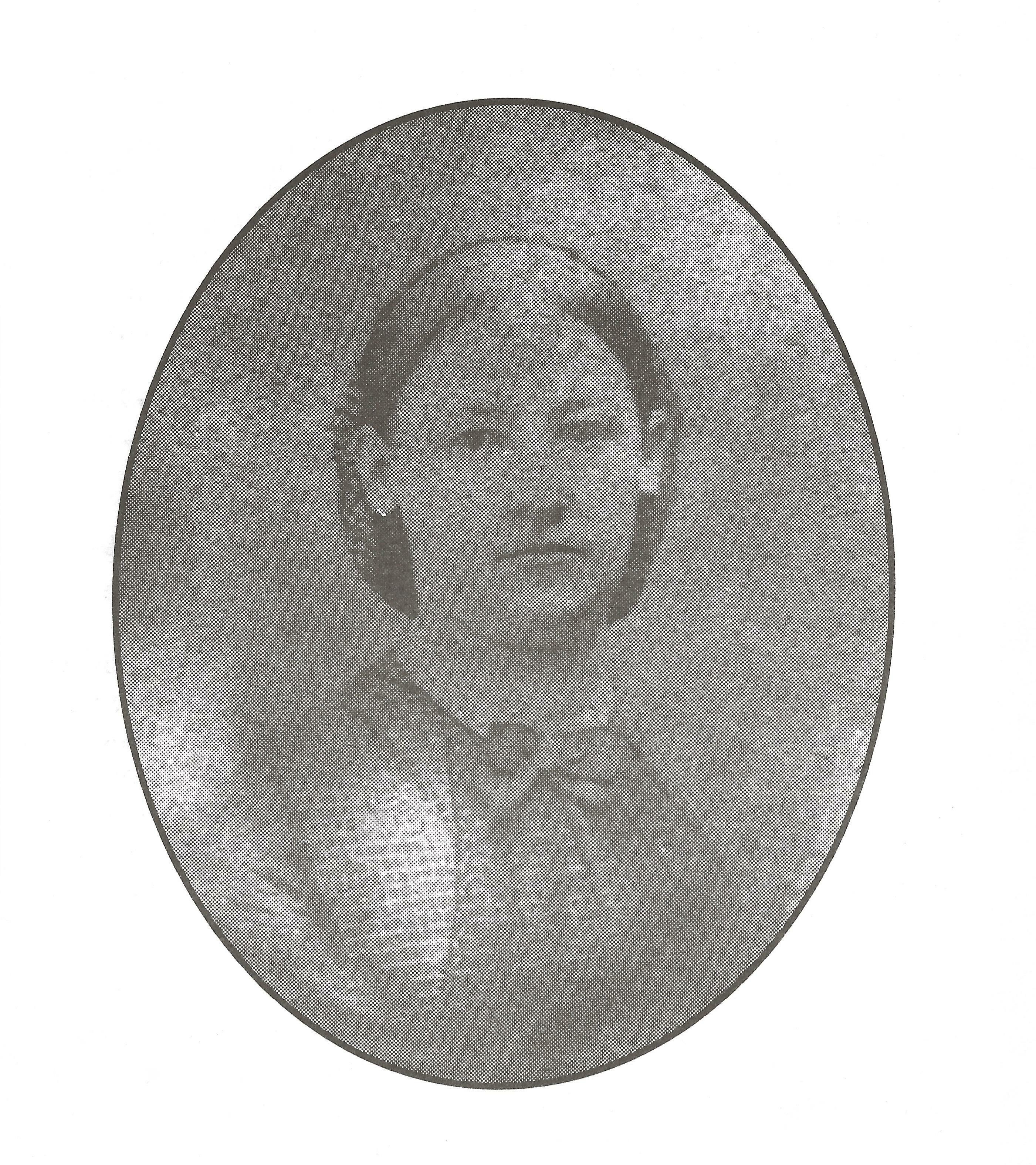
Theodosia Toll Foster (aka Faye Huntington)

The mother there is her own mother, and the young lady teacher who is the principal of this favorite school of mine, is her sister; and they all, from first to last, are among the dearest, and most honored, and most precious friends that Pansy has in this world.

Now, why am I telling you all this? How do I know but you are looking out at this moment a place that just suits you as a school-home? That is, perhaps your mothers and fathers are looking anxiously, and know enough about this matter to have discovered that good, safe, Christian school-homes are very hard to find. I thought you might like to know of one which your friend Pansy knows thoroughly, and endorses with all her heart. The ladies in charge she knew years ago; knew them as scholars, when they were formidable to some of us, because they took all the prizes; knew them as graduates of a seminary which was a power in that region, and which was proud of their scholarship.

If you want, any of you, to know more about that home-school, just address a letter to Miss Nanie Toll, New Hartford, Oneida County, New York, and you will be promptly and carefully answered.

Yours in love,

Pansy


Isabella wrote this sweet article (and glowing recommendation) for an 1876 issue of The Pansy magazine.

Do you like the way Isabella described the school and its surroundings? She was very familiar with the place she described, since she lived in the same small town.

Isabella’s husband was the minister at New Hartford’s Presbyterian church when her best friend Theodosia selected New Hartford, New York as the location for her school.

Can you imagine how wonderful it must have been for Isabella and Theodosia to be able to spend so much time together again, just as they had when they were young girls at boarding school?

You can read more about Isabella and Theodosia’s friendship in these blog posts:

BFFs at Oneida Seminary

Locust Shade … and a New Free Read!

Free Read: The Book that Started it All

I Like Him!

A Real Judge Burnham’s Daughter
Docia’s First Book

A Real Judge Burnham’s Daughter

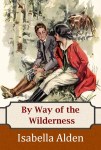
Cover_By Way of the WildernessIn her novels, Isabella often wrote about the unique challenges of being a step-parent.

In By Way of the Wilderness, Wayne Pierson saw his new step-mother as an interloper and a rival for his father’s attention, causing much heart-ache for himself and his family.

Cover of Ruth Erskine's CrossesRuth Erskine, the main character in Ruth Erskine’s Crosses, disliked her step-mother to the point of being ashamed of her; and when Ruth later married a man with two daughters of his own (in Judge Burham’s Daughters), Ruth taught her step-children proper manners, but failed to address their spiritual needs.

Like all Isabella’s novels, By Way of the Wilderness and the Chautauqua Books were allegorical stories, written to convey specific messages and lessons about living the Christian life.

But what many people don’t know is that Isabella was herself a step-mother. When she married Gustavus “Ross” Alden in 1866, Ross had a ten-year-old daughter from his first marriage to Hannah Bogart.

Like Ross Alden’s family, Hannah’s ancestors were among the earliest emigrants to America; her ancestors arrived as far back as 1652 and settled the New Netherlands (now New York) in the time of Peter Stuyvesant.

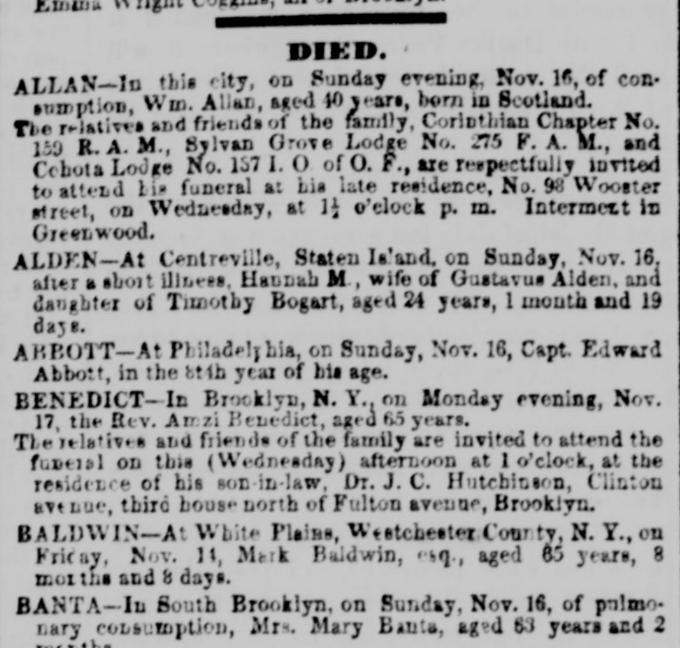
Ross and Hannah met in New York and married when they were both in their early twenties. Nine months later, little Anna Maria Alden was born. Tragically, Hannah died just two months later.

Death notice of Hannah Bogart Alden. From the New York Daily Tribune, November 19, 1856.

Very few records exist to tell us how Ross coped with the daunting responsibility of raising an infant daughter after the death of his wife. We do know he stayed in New York, close to where Hannah’s family lived, and probably had much help from them. Census records show that by the time little Anna was four years old, she was living with her maternal grandparents, without Ross.

St. Andrews Church, Richmond. New York. Here Hannah Bogart Alden was buried, and Ross and Anna were baptized.

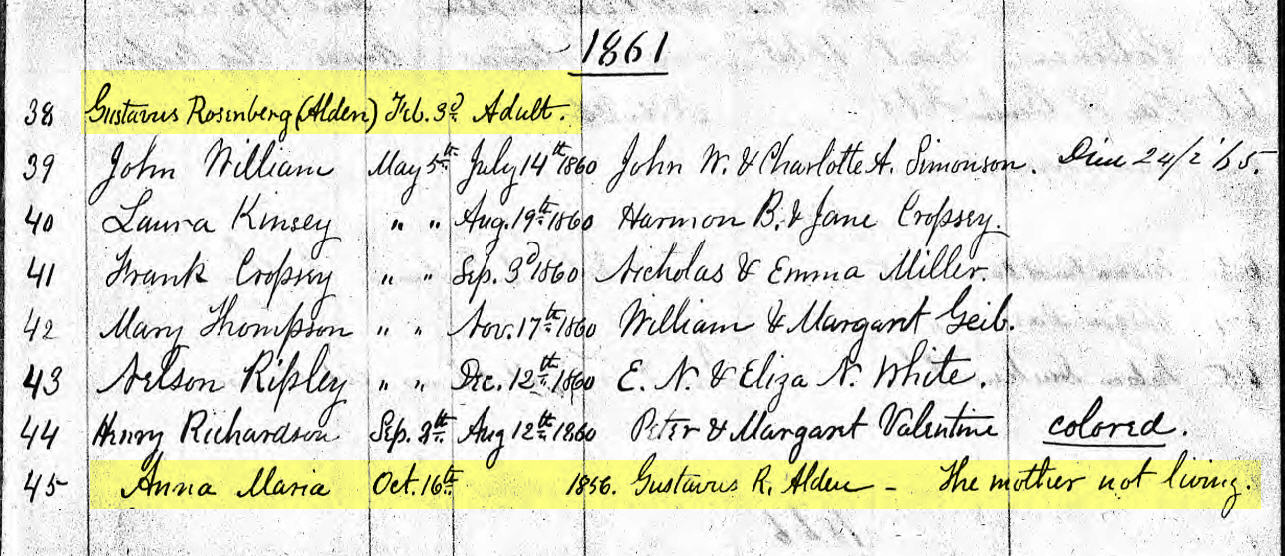
Three years after Hannah’s death, Ross made a decision that would influence the rest of his life. He “united with the Reformed Church in Richmond, Long Island”—the same church, which, for generations, had been the church of Hannah’s family—and he began laying the foundation for becoming a minister.

Membership records from the Dutch Reformed Church of New York.

Ross was baptized, and a few months later his daughter Anna was baptized in the same church.

Baptism records from St. Andrews Church, Richmond, Staten Island, New York.

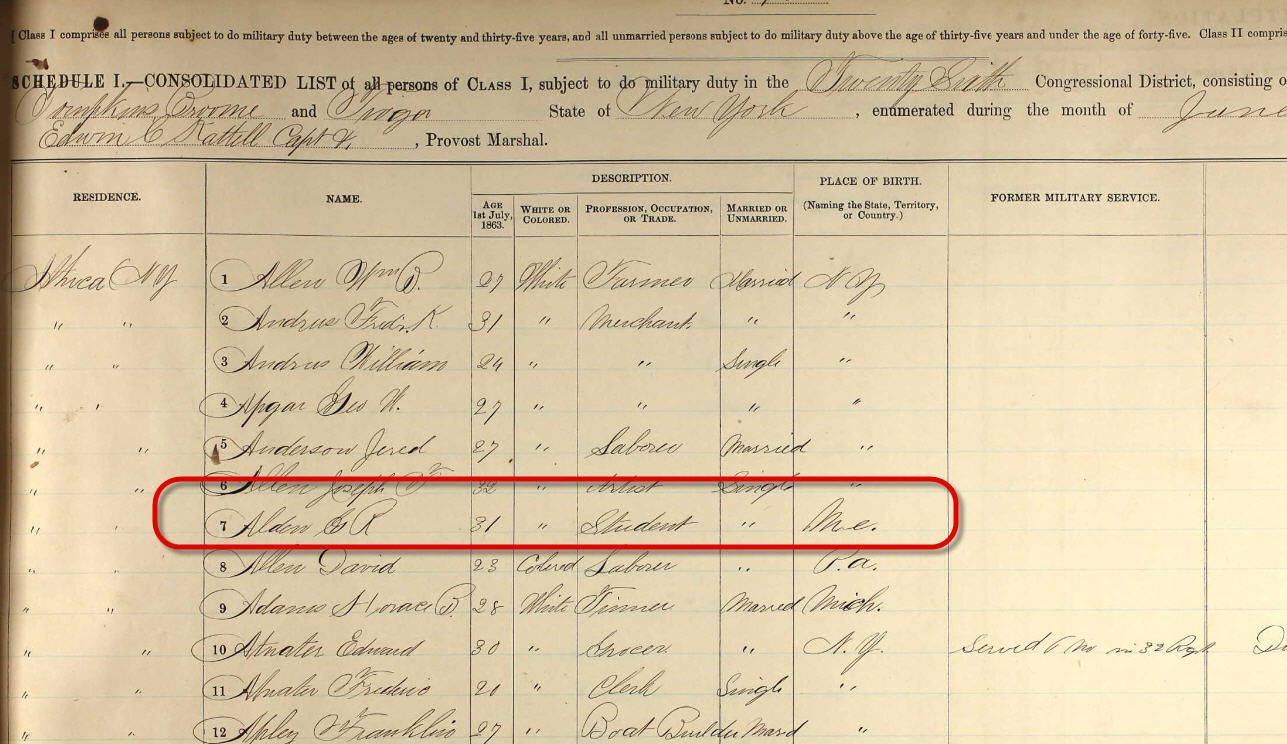
While Anna remained with her grandparents, Ross moved 300 miles away to begin studies at Auburn Theological Seminary. There he met Isabella Macdonald, who was visiting her sister Marcia and brother-in-law, Charles Livingston, who was also a theology student.

An 1863 Union Army record showing Ross Alden's registration for the draft. He lists his occupation as "student."
An 1863 Union Army record showing Ross Alden’s registration for the draft. He lists his occupation as “student.”

Ross and Isabella fell in love and married in 1866, the same year Ross graduated. The evening of their wedding day they boarded a train and left for Ross’s first church pastorate.

None of the records about that happy and blessed day mention whether Ross’s ten-year-old daughter Anna was at the wedding. Isabella’s good friend Theodosia Toll Foster was there, though, and that may have been the occasion when Theodosia and Anna met. Theodosia had younger sisters, the youngest of whom was just about Anna’s age.

Undated photo of Theodosia Toll
An undated photo of Theodosia Toll Foster

Though we can’t be certain when exactly Theodosia and Anna met, but we do know that very soon after Ross and Isabella’s marriage, Anna went to live with Theodosia at the Toll homestead in Verona, New York.

While Ross and Isabella led an almost itinerant life, moving from one church to another every two or three years, Anna enjoyed a very stable home life with Theodosia and her sisters. They called Anna their “truly sister” and she quickly became a much-loved and integral member of the family.

When Anna was 16, she lived with Ross and Isabella in Cooperstown, New York, where they were in charge of yet another congregation. And when Ross and Isabella moved two years later to New Hartford, New York, Anna went with them … as did the entire Toll family. Theodosia, her elderly father and her younger sisters all moved to New Hartford. There Theodosia put her talents for teaching to good use. She and her sisters set up a boarding and day school, and their journals reveal that Anna helped run the enterprise.

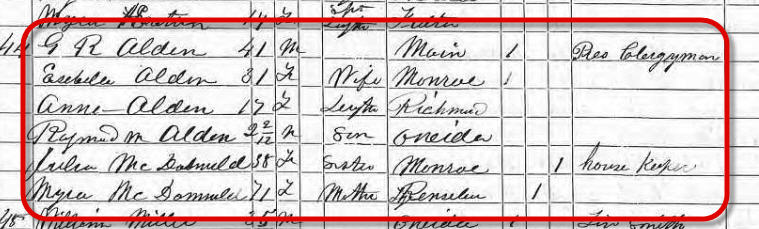
By then, Ross and Isabella had a son (two-year-old Raymond), and Isabella’s mother and sister Julia were also living with them in New Hartford. It must have been wonderful to have had their large, extended family so close together again!

The 1875 Federal Census showing the members of the Alden household in New Hartford, New York.

But their reunion didn’t last long. Within months, Ross received a call to minister at a church in Indiana. Once again he and Isabella left New York for a new city. This time, 20 year old Anna stayed behind with Theodosia.

There is only one other instance recorded of Anna living with Ross and Isabella. When the 1880 Federal Census was taken, Anna was 24 years old and the Census shows her living with Ross and Isabella in Cumminsville, Ohio (a suburb of Cincinnati), where Ross had a church. That same year, Alida, the youngest of Theodosia’s sisters, wrote in her journal that she was excited over an upcoming trip to visit Anna in her Ohio home.

Sometime after that visit in Cumminsville, Anna once again returned to New York to live with the Tolls. And when the Toll sisters closed their school in New Hartford and returned to their home town of Verona, New York, Anna went with them; and there she remained for the rest of her life.

In Verona Anna was a long-time member of the Presbyterian Church, and she was deeply involved in church matters. Friends described her as “a consistent Christian woman” who “won the sincere love and respect of all who knew her.

Anna was just 57 years old when she passed away from complications of pneumonia. Theodosia’s sister Eunice marked the sad day in her journal with the notation, “Our Anna died.”

Obituary of Anna Alden. From the Rome Daily Sentinel, December 21, 1914.

Unfortunately for us, none of Isabella’s correspondence with Theodosia has ever been found, so we cannot know the initial reason Anna first went to live with the Toll family; but we do know, from records that do exist of her life, that no matter where Anna lived, she was very much loved by her family and community.


You can click on the links below to read previous posts about:
Ross Alden and his connection to the Mayflower
The day Isabella and Ross met
Isabella’s early years of marriage
Isabella’s friendship with Theodosia