New Grace Livingston Hill Book and Giveaway

Although there was a nine-year age difference between Isabella and her older sister Marcia, they were as close as sisters could be.

They had a lot in common—they had the same sense of humor, they both married ministers, and they were both talented writers.

Isabella Alden (left) and her sister, Marcia Livingston in an undated photo

Marcia and Isabella co-wrote several novels together, including:

Aunt Hannah and Martha and John
John Remington, Martyr
By Way of the Wilderness
From Different Standpoints

Isabella and Marcia wrote some books while they lived together in the same house in Winter Park, Florida; and when miles and circumstances separated the sisters, they wrote some of their books “by mail.” What’s extraordinary is the way the sisters’ writing styles blended seamlessly so that it’s impossible to tell which sister wrote which sections of their books.

Marcia Livingston
Marcia Livingston

They were both tireless writers. In addition to novel writing, Marcia contributed stories and articles to The Pansy, which was Isabella’s magazine for children. And Marcia’s short stories for adults were regularly published in The Interior, a Christian magazine.

Marcia’s husband Charles was a minister who wrote his own weekly sermons, as well as theological papers. Like Marcia, he, too, wrote stories and articles for The Pansy.

Their daughter Grace Livingston Hill grew up in a home filled with creativity, a love of reading, and a strong work ethic. She learned the letters of the alphabet by clicking on the keys of her Aunt Isabella’s typewriter. She learned the art of writing a short story from her mother Marcia.

At an early age Grace discovered she could earn a living by her writing, just as her mother and aunt did. Her first book, A Chautauqua Idyl was published in 1887. Soon Grace joined her mother and her Aunt Isabella in creating inspiring, uplifting and memorable Christian fiction for women. Marcia encouraged Grace and often edited her manuscripts before Grace sent them off to her publisher.

From The Buffalo Courier, March 1, 1908

Grace wrote over one-hundred novels, all of which remain popular today. Less popular are her short stories—not because they are any less well-written, but because they are more difficult to find. Her short stories appeared in magazines and newspapers in the early years of the 1900s and copies of those publications are rare finds today.
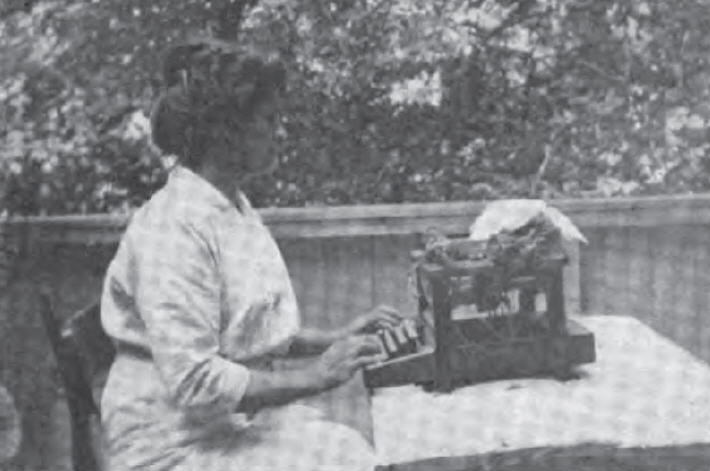
Grace working in the out of doors at her home in Swarthmore, PA. 1915.

The same is true for stories written by Marcia Livingston. They were published in the 1890s in magazines that went out of business long ago, their records scattered or destroyed; only a few issues can be found in libraries and museum collections. Their scarcity makes them all the more precious.

Cover_Story Collection 07 resizedA new, exclusive collection of those hard-to-find short stories by Grace Livingston Hill and Marcia Livingston is now available …

… And we’re giving away free copies!

We’re giving away four copies of Faith and Love in e-book format to subscribers to this blog. The winners will claim their e-book through Amazon.

We’ll announce the winners on Friday, August 28. Good luck!

.

Faith and Love is available at these e-book retailers:

Amazon button 2    Nook button    Kobo Button


A New Brother

In her memoirs Isabella Alden recalled the day she met the man who would become her brother and an important influence in her life.

Woman picking blackberries 1905It started out like any other day for eleven-year-old Isabella. She and her older sisters—Mary (age 26 at the time), Marcia (age 20) and Julia (age 17)—set off with their father in the family’s old-fashioned wagon to ride to Clip Hill. Clip Hill was an area about seven miles from their home where wild blackberries grew. Isabella and her sisters were charged with picking as many berries as they could so their mother could bake pies and put up berry preserves to last through the winter.

Their route took them through town, and as they drove down the main business street of Johnstown, New York, they saw a young man who stood out from the scores of other people moving up and down the sidewalk. Isabella wrote:

Perhaps his garments had a more stylish cut. For one thing, he carried a cane. I was used to seeing only old and lame people carry canes, but this man didn’t seem to need it, or anything else to help him! He walked as though he enjoyed walking and he looked all dressed up, even so early in the morning. I liked him.

Mary knew exactly who the aristocratic stranger was.

“Don’t you know that fine old house with splendid trees all around the grounds, the handsomest place in this part of the country?”

“The Livingston homestead?” said Father. “Yes, I know it.”

“Well, he is the youngest son, just graduated from college where he took all the honors they had to give. To hear the girls go on about him one would think there wasn’t any ground fit for him to walk on.”

By this time we had passed him. I saw my sister Marcia turn and look back at him again, so I twisted myself around in the hope of another glimpse as I said, “I like his looks.”

That young man was Charles Montgomery Livingston. He was descended from the distinguished Livingston family of New York. From the late 17th century to the early 19th century, the Livingstons were one of America’s richest and most aristocratic families. Their land holdings in New York alone were larger than the entire state of Rhode Island. By the early 1800s the family had built almost 40 mansions along the Hudson River, surrounded by more than one million acres of prime Hudson Valley land the family collectively owned.

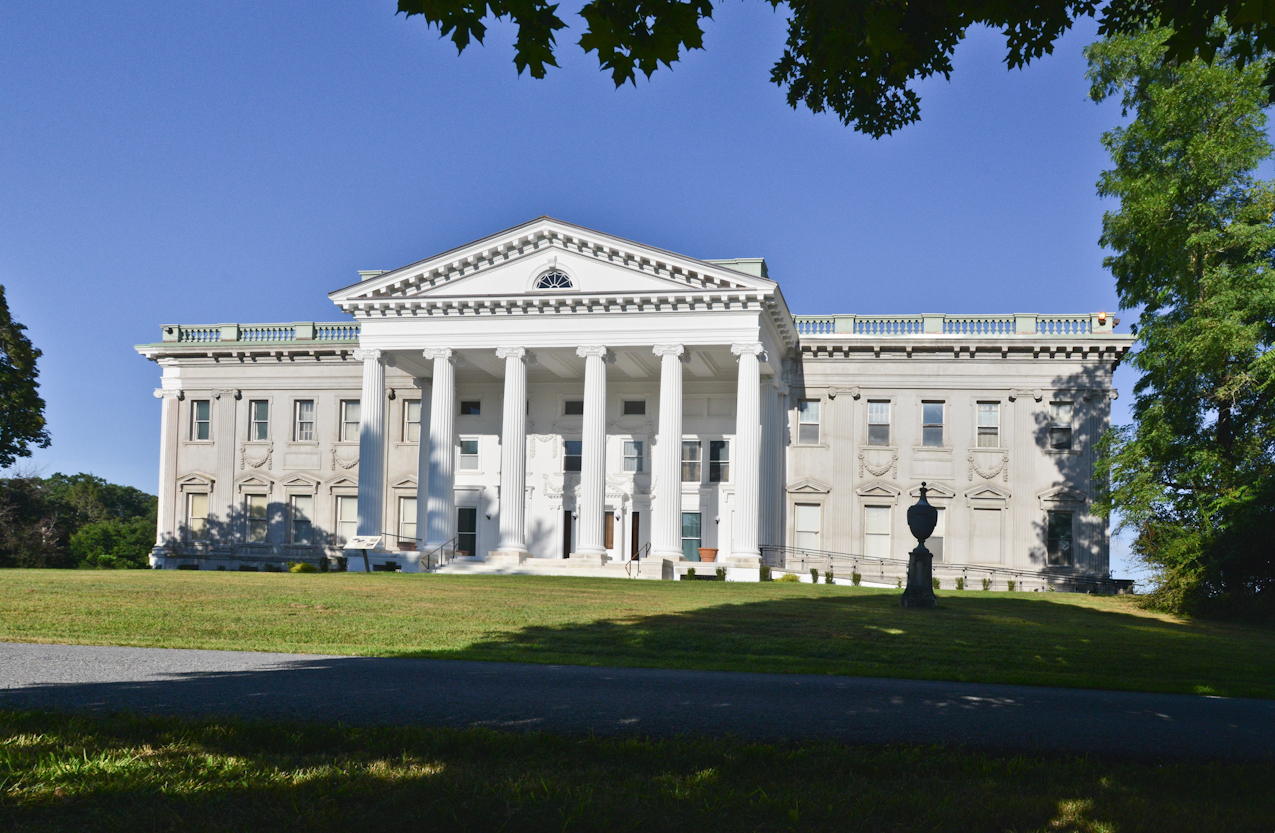
Clermont, one of the Livingston mansions in New York State

But the Livingstons’ fame didn’t come from wealth. Rather, the family was distinguished because of their contributions to molding early America. Long before the Kennedys or the Roosevelts, the Livingstons shaped the course of the country.

The Mills Mansion in New York State

During the American War of Independence, General George Washington used one of the Livingston mansions as his headquarters; and it was a Livingston who administered the presidential oath of office to George Washington.

Robert Livingston administers the Presidential Oath of Office to George Washington

Another Livingston helped draft the Declaration of Independence and negotiate the Louisiana Purchase. Yet another Livingston became a Justice of the United States Supreme Court.

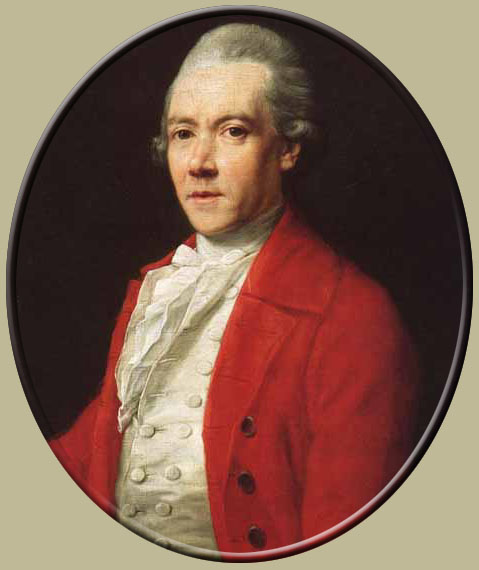
Philip Livingston, signer of the Declaration of Independence

But it was Philip Livingston, Delegate to the Continental Congress and Signer of the Declaration of Independence, from whom Charles Livingston was descended.

When Isabella and her family finally reached Clip Hill, they were still talking about “the handsome gentleman with his cane.” While they picked berries, Marcia selected a branch from the ground and paraded up and down using her improvised cane to make everyone laugh.

Their father laughed, too; but he predicted, “If what I heard about that young man is true, you may see the time when you would be glad to imitate him in more ways than handling a cane.”

No prophecy could have proved more true, as Isabella later wrote. Only three months later, Charles Livingston married Isabella’s sister, Marcia—the very same sister who imitated him so ridiculously in the blackberry patch on Clip Hill!

Charles Livingston in an undated photo

By the day of the wedding, Isabella called Charles “brother” and he was as kind and loving to her as a brother could be. In fact, he asked Isabella and his niece, Maria (who was about Isabella’s age), to ride with the bride and groom to the railroad station after the marriage ceremony. It was quite an honor, and Isabella was thrilled to be singled out for such a special invitation. But in the confusion following the ceremony, Isabella and Maria never made it into the carriage. Instead, they watched as the carriage rolled away with the bride and groom … leaving Isabella and Maria standing at the curb!

Moments later the carriage came to a stop and then turned around. Marcia later told Isabella that it was Charles who insisted that they go back as fast as they could to pick up the girls, knowing it would break their hearts to be forgotten and left behind.

In later years, Isabella remembered that day and her new brother’s thoughtfulness. “I don’t believe there is another man like him in all the world. It was ‘just like him.’ And he was like that all through the beautiful years of his life, always thinking of others, and not considering his own plans or convenience.”


Click here to read a previous post about Charles Livingston and his influence on Isabella’s life.

You can learn more about the Livingston Mansions of New York by clicking this link.

Find out more about Philip Livingston, Signer of the Declaration of Independence at these websites:
www.dsdi1776.com

www.iment.com