Twelve months ago, we began this Bible study with D.L. Moody’s teaching on sin. Today, we close it with his teaching on Heaven. They are fitting bookends; the problem that started this series finds its ultimate resolution in the home Christ has prepared for those who love Him.
In this final lesson, Mr. Moody reminds us that the world “is not our home; this is only our training place.” Then, he gives us a vision of the heavenly home that awaits us, which far surpasses every earthly treasure.
Dwight L. Moody was unlike any preacher of his era. Other celebrated evangelists of the nineteenth century (including his contemporary Charles Spurgeon) preached with scholarly precision and theological authority.
Mr. Moody took a different approach. He talked to his audiences the way a trusted friend might talk across a kitchen table — warmly, personally, and without pretense. It was a style he probably carried with him from his early days as a shoe salesman in Boston, where he learned that persuasion begins with a human connection, not an argument.
His simple, conversational style is evident throughout Lesson Ten of Mr. Moody’s Bible Class.
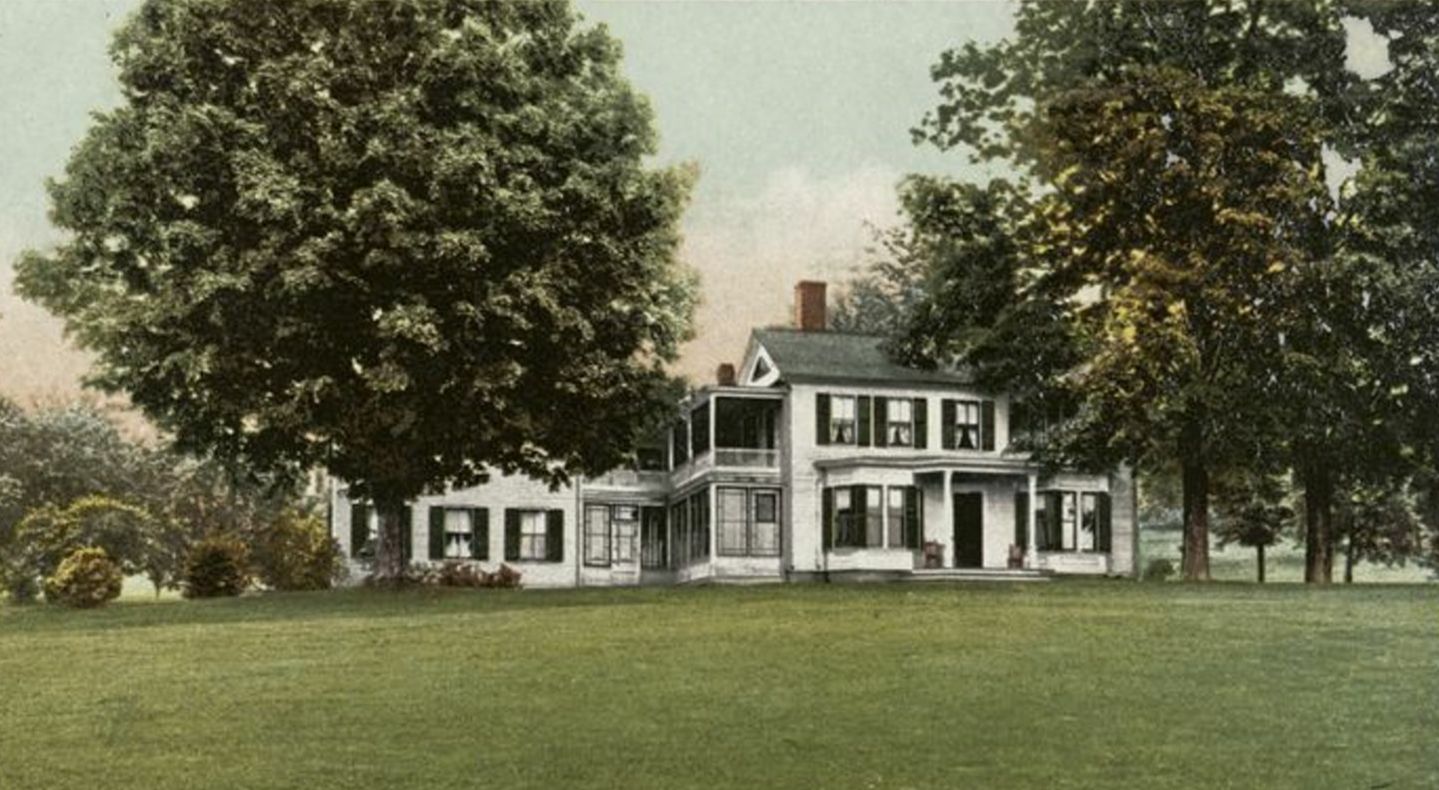
He doesn’t begin the lesson with a Scripture text or a theological declaration. Instead, he opens with a lovely description of the view from his study window at his home in Northfield, Massachusetts. He describes the Connecticut Valley stretching out before him and his view of the distant Vermont hills after an early mist has burned away. It’s a short and ordinary paragraph, and that is precisely his point. From that gentle opening he moves into one of the most profound doctrines of the Christian faith: the resurrection of the dead.
Mr. Moody’s home in Northfield, Massachusetts in 1904.
Half way through the lesson, Mr. Moody shares more about his personal life and admits that when he was a child he was terrified of death. He describes how he would pause whatever he was doing and anxiously count the strokes of the church funeral bell (one toll for each year of the deceased’s life) and feel a cold dread whenever the count was low. It’s a tender and relatable confession of fear from a man who regularly preached to millions of people.
That is what makes this lesson so powerful and so relevant for readers today. Mr. Moody doesn’t lecture us about the Resurrection from a safe theological distance. Instead, he tells us what it cost him personally to believe it — and what it gave him in return.
Dwight L. Moody was one of the most beloved evangelists of the nineteenth century, who preached to millions on both sides of the Atlantic. For Isabella Alden, Mr. Moody was more than a famous name; he was part of her world.
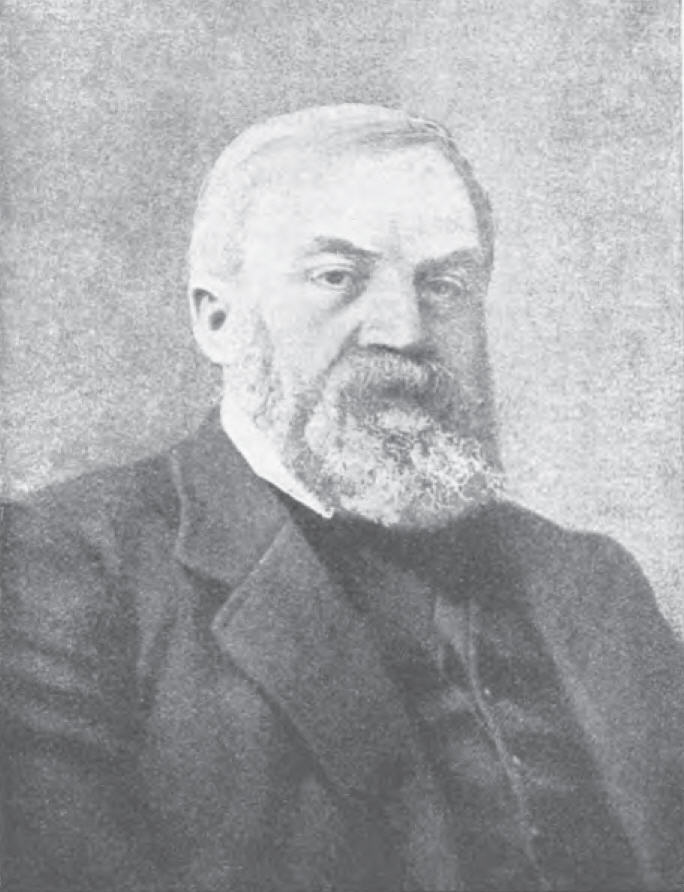
Dwight Lyman Moody (portrait by Edward Clifford)
The connection ran deep in her family. Isabella’s uncle, Horatio Spafford, was a close personal friend of Mr. Moody’s, a supporter of his evangelistic campaigns, and a fellow laborer in Chicago’s Christian community. It was a personal letter from Moody (then preaching in Europe) that invited Horatio and his family to join him in England in 1873, a voyage that ended in tragedy and gave the world the hymn “It Is Well With My Soul.” Mr. Moody himself traveled to be with the grieving Spaffords in the aftermath of that loss. (You can read more about that here.)
Closer to home, Mr. Moody was a contributor to Isabella’s own work. In 1897 — the same year he was writing these monthly Bible lessons for a popular women’s magazine — he contributed a piece on prayer meetings to a Christian magazine Isabella edited, a collaboration that speaks to the mutual respect and shared mission between them.
What makes lesson nine of Mr. Moody’s Bible Class so interesting is that its central message was one Isabella had been sharing for decades in her stories and novels. Mr. Moody teaches that love is not a feeling reserved for the lovable — it is the very essence of God, extended unconditionally to the unworthy, and expressed in small acts of grace that leave impressions that last a lifetime.
If you have read any of Isabella’s novels, you’ll recognize that theme immediately. Her stories are populated with difficult people — the prickly neighbor, the harried, impatient mother, the unlovable child, the proud and self-righteous churchgoer — and her heroes and heroines choose to love them anyway, to speak a kind word, and to see the person beneath the surface. Isabella was writing fiction; Mr. Moody was preaching theology; but they were both saying the same thing.
In his ninth Bible class, Mr. Moody explains how God’s love differs from man’s love, and he shares the ultimate way in which we can show our love for God in return.
What does it really mean for Christians to hope? D.L. Moody — Isabella’s friend and one of the most beloved evangelists of the nineteenth century — taught that biblical hope isn’t just optimism and positive thinking. It is the soul’s confident anchor in the promises of God.
Mr. D.L. Moody in 1897.
In his eighth Bible class, Mr. Moody explores the difference between false hope and the Christian’s true hope—and why the difference matters today more than ever.
Reviews and giveaways for Christian fiction and sweet, clean fiction. Bringing readers information on great stories and connecting authors with their readers.