
Isabella published these words of wisdom in an 1895 issue of The Pansy magazine:

Isabella published these words of wisdom in an 1895 issue of The Pansy magazine:

Isabella was deeply involved in the Christian Endeavor movement. Each month the Society of Christian Endeavor published meeting guides and lesson plans for local chapters to use in their meetings. When the May 1894 meeting guide focused on Peter’s actions in the book of Luke, Isabella wrote a special “open letter” to the youngest C.E. members to help them understand the context of the lesson. Here’s what she wrote:
Dear Young People:
Some of you are studying this month about Peter. You are dreadfully shocked over him as you read his story in the twenty-second chapter of Luke. I do not wonder. How terrible it must have been to Jesus to have heard Peter say, “I know him not!”
And in another place it tells how Peter even swore that he did not know him! Poor, wretched Peter!
If we had not heard anything more about him, we should have despised him all our lives. And as it is, we are quite sure that we would never have done such a thing as that, if we had been on earth when Jesus was. I heard a boy say so, once.
“No, ma’am!” he said, his cheeks growing red at the thought. “I tell you, I am very sure I never should have denied him. The idea!”
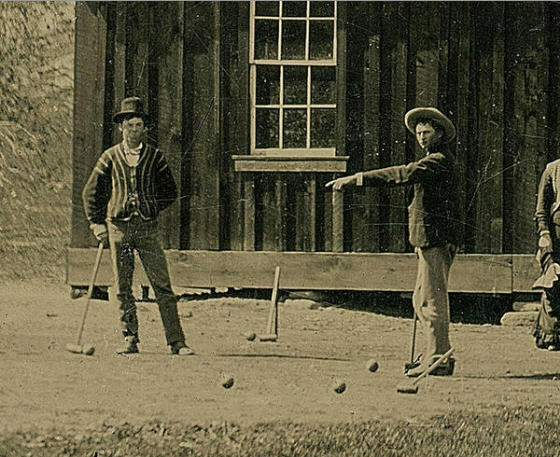
Yet only the next day that boy was playing croquet with some other boys, and two began to swear.
.
“Hush!” said one of them, after a minute. “We mustn’t swear before Tommy; he’s a goody-goody boy and has promised never to use any naughty words. Run away, Tommy, before we hurt you.”
What did Tommy say? Remember, he was the boy who knew he would not have denied Jesus. He laughed, and blushed, and said:
“I’m not afraid of your words; say what you like.”

.
Why did he say that? Why, because he was ashamed to own before those boys that he belonged to Jesus Christ, and had promised to try to please him. Don’t you think he denied him quite as much as Peter did?
Oh, there are many ways of doing it. I am reminded of a girl I used to know, whose mother did not approve of little girls taking walks on Sunday.

.
On the way home from Sunday-school, her classmates said to her:
“Come on, let’s go down to the river for a walk;” and she answered:
“Oh, I can’t today; I have a little headache.”
She said this, not because of her headache, which was not enough to keep her from going anywhere she pleased, but because she did not like to own that she had been taught it was not the right way to spend Sabbath time, and she was trying to do right. Do you think there was a little bit of denial of Jesus in her heart just then?

Many of Isabella’s stories feature characters on the lookout for opportunities to share the Gospel. In this month’s free read, a sensible teenager does exactly that.

Miss Winnie Holden is just beginning her career in nursing, but she is committed to healing her patients’ souls as well as their bodies. But when the doctor orders Winnie keep her elderly patient from becoming excited in any way, she wonders how she will ever be able to learn whether the dear man she’s been caring for is a Christian.
You can read the story on your computer, phone, tablet, Kindle, or other electronic device. Just click here to download your preferred format from BookFunnel.com.
Or you can select BookFunnel’s “My Computer” option to receive an email with a version you can read, print, and share with friends.

In The Pansy magazine Isabella used stories, illustrations, and poems to teach young people what it meant to follow Jesus. The following poem was published in an 1893 issue of the magazine, and although it was written for children, it has meaning for adults, too!

I lost a very little word
    Only the other day;
A very naughty little word
    I had not meant to say.
If only it were really lost,
    I should not mind a bit;
I think I should deserve a prize
    For really losing it.
For if no one could ever find
    Again that little word,
So that no more from any lips
    Could it be ever heard,
I'm sure we all of us would say
    That it was something fine
With such completeness to have lost
    That naughty word of mine.
But then it wasn't really lost
    When from my lips it flew;
My little brother picked it up,
    And now he says it, too.
Mamma said that the worst would be
    I could not get it back;
But the worst of it now seems to me,
    I'm always on its track.
If it were only really lost!
    Oh, then I should be glad!
I let it fall so carelessly
    The day that I got mad.
Lose other things, you never seem
    To come upon their track;
But lose a naughty little word,
    It's always coming back.

While no author name was given when the poem was published, Isabella’s husband Ross and son Raymond were both talented poets, as was Isabella.
When she wrote stories about children losing their tempers, she wrote from experience. Isabella shared stories from her own life about how often her anger got her into trouble when she was young.
You can read about some of those instances in these previous posts:
Locust Shade … and a New Free Read

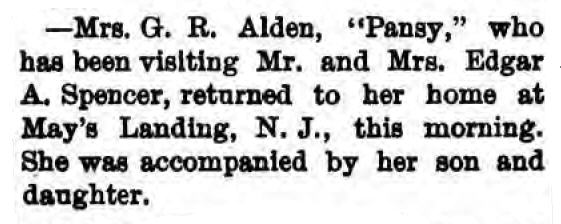
In 1895 Isabella and her family were living in May’s Landing, New Jersey, where her husband, Reverend Gustavus Alden, had charge of the Presbyterian Church.
While her husband was busy with his responsibilities, Isabella paid an early September visit to her hometown of Gloversville, New York.
Her son Raymond (age 22 at the time) and adopted daughter Frances (age 3) accompanied her.
The residents of Gloversville welcomed Isabella back with open arms, and—as they often did—they invited her to speak at one of their assemblies. The evening of Tuesday, September 17 was decided upon, and the local newspaper promoted the event:

The evening began with musical selections, then Isabella took the stage to “an outburst of applause.” She read one her stories, which the newspaper reported was titled “Miss Hunter.”
You may already be familiar with “Miss Hunter.” The character of Miss Priscilla Hunter was one of Isabella’s favorites, and she appeared in four of Isabella’s stories:
Miss Priscilla Hunter
People Who Haven’t Time and Can’t Afford It
The Man of the House
One Commonplace Day
But each of these stories and novels were published well before 1895, and the newspaper reported that Isabella read a brand new story, written specifically for the occasion, that featured a character named Miss Hunter. The newspaper account of the evening noted that the story was “interesting and kept the close attention of the audience,” but gave no additional details about the story.

On Thursday morning, September 19, Isabella left Gloversville and headed back to her home in New Jersey.
She also left us with questions: What was the story she read aloud to the audience at the Presbyterian church? Is there another Pansy story about “Miss Hunter” that has yet to be found?
Until the mystery can be solved, you can read more about the fictional character of Miss Priscilla Hunter—and the stories we she appeared in—by clicking here.
You can also click here to read about Isabella’s charming hometown of Gloversville, New York, and the business her father had there.

Much like the on-line college degree courses we have now, The Chautauqua Literary and Scientific Circle (C.L.S.C.) was a method of self-education people could obtain in the privacy of their own homes. Isabella was a graduate of the C.L.S.C. program and actively promoted in articles and stories.

Every three months C.L.S.C. students received “The Chautauquan,” a 400-plus page “magazine of system in reading” with articles and lessons that covered various topics such as:
The Rehabilitation of the Democratic Party
Food, the Farmer, and the City
Polar Exploration and Moral Standards
Women in the Progress of Civilization
A Reading Journey through Egypt.
History and classic literature were also major components of the curriculum. Bishop John H. Vincent, Chancellor of the C.L.S.C. believed:
The study of classical literature, art, and philosophy supplies a training of the mind based upon models which have stood the test of time [and are] considered universal.”
Aside from obtaining the books for reading, the only other tools required to complete the course were a pencil, some paper, and a good dictionary.
But while the tools were basic, the coursework was not always easy. In 1909 students were required to read Homer’s Iliad. If you’ve ever tried to read this epic poem about the Trojan War, you know what a challenge it can be!

Not to worry; the C.L.S.C. published the following tips to help students successfully complete the required reading:

Bishop Vincent knew the value of reading Homer’s Iliad, because he recognized the influence Greek history—and Homer’s epic poem, in particular—had on the formation of the United States and the development of our constitution.
Those influences are still visible today. A mural in the Library of Congress in Washington D.C. depicts one of the stories in the Iliad after Achilles’ mother disguised him as a school girl and sent him to a distant court so he would not be enlisted in the Trojan War. Wily Ulysses set out to find Achilles; dressed as a peddler, he displayed his wares. The girls chose feminine trinkets, but Achilles was attracted to a man’s shield and casque, thereby revealing his identity.

Greek history and mythology influence many murals, statues, and architectural design throughout the U.S. capital.
If you haven’t read Homer’s Iliad, you can get a taste for what this reading assignment was like. Click here to read an 1891 version of the epic poem, which would have been similar to the version Isabella and other C.L.S.C. students read.

Isabella she was an acknowledged expert in developing Sunday-school lesson plans for young children.
At Chautauqua Institution she taught classes for Sunday-school teachers; and because she was “an advanced thinker,” she encouraged teachers to employ modern devices—such as slates and blackboards—to keep their youngest students engaged and eager to learn.
Some of her teaching methods are revealed in this month’s free read, “An Hour with Miss Streator,” an 1884 short story about a young Sunday-school teacher who has more influence over the hearts and souls of her young students than she will ever know.
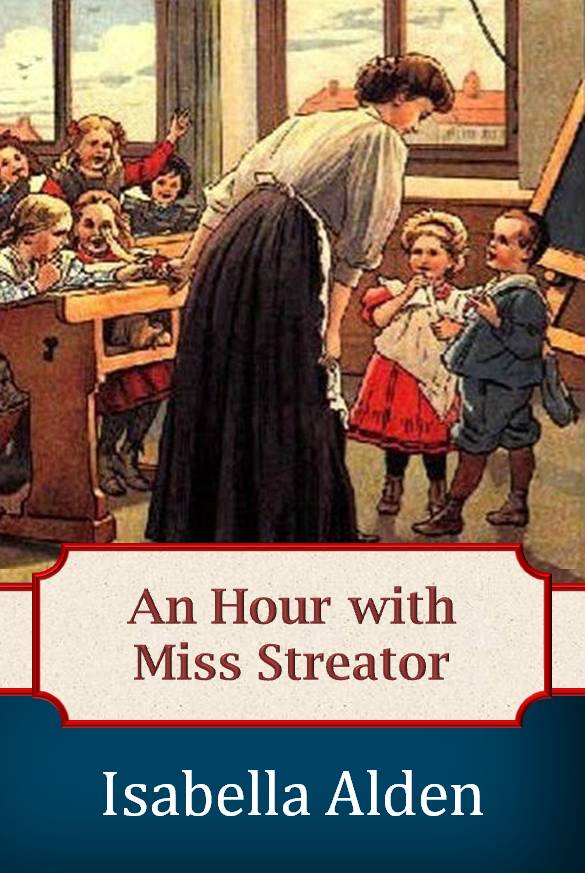
In Miss Streator’s Sunday-school class every child is welcome, even the trouble-makers that have been ejected from other classrooms! Although she’s not a trained Sunday-school teacher, Miss Streator is earnest and determined to teach her young students about salvation. Will her innovative methods help her succeed?
Choose the reading option you like best:
You can read the story on your computer, phone, tablet, Kindle, or other electronic device. Just click here to download your preferred format from BookFunnel.com.
Or you can select BookFunnel’s “My Computer” option to receive an email with a version you can read, print, and share with friends.
You can read more about Isabella’s efforts to educate Sunday-school teachers by clicking here.

Isabella was a wise woman who had a talent for stating Christian truths in simple, meaningful ways. Here’s one example:

You can find more of Isabella’s words of wisdom to read, print, and share. Just enter “quotables” in the search box on the right to see more.

Isabella Alden was no stranger to illness. In her personal life she suffered from chronic health issues. In her novels, her characters fought a variety of ailments, from head colds and sore throats, to broken bones and crippling back injuries.
In her novel Jessie Wells Isabella wrote about a “molasses and ginger cure” to ward off cough and fever. It was suggested to Jessie by her father, a physician. (You can read more about it here.)
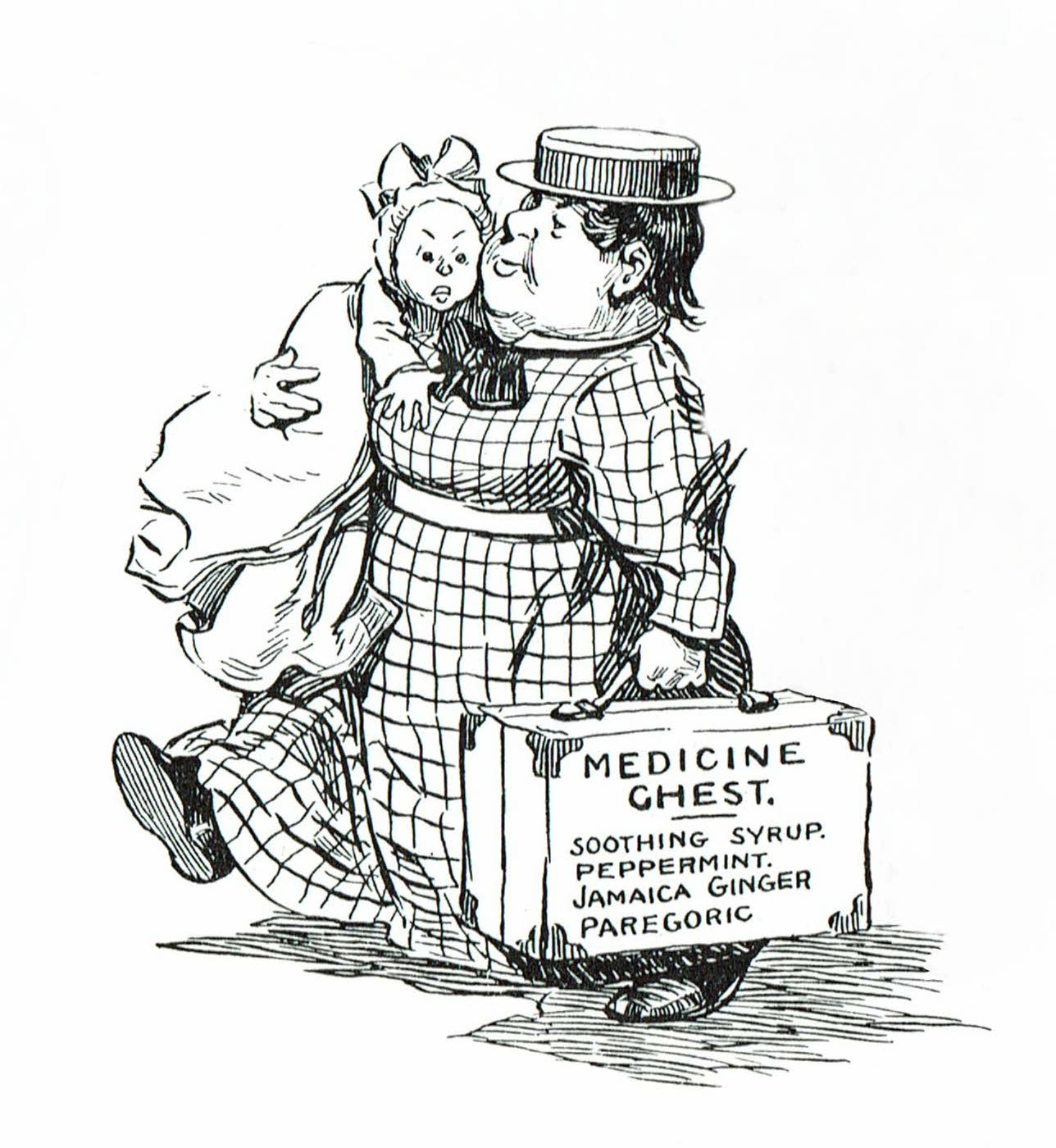
Although the molasses cure was based on an old folk medicine recipe, it was actually beneficial; the ginger helped suppress a cough and the molasses soothed the throat.
Like Dr. Wells, many physicians in those days treated patients with folk medicine cures for ailments ranging from the common cold to the universal finger wart.

Isabella availed herself of some of those folk remedies in her personal life. To cure her chronic headaches she underwent a “water cure.” Physicians wrapped her body in wet blankets and allowed them to dry in place. They believed the process would draw harmful toxins from her body, thereby curing her headaches. (You can read more about it here.)

There were folk remedies for every possible ailment, including dry lips, rattlesnake bites, poison ivy, measles, diphtheria and sties. Here are a few:
The lining of a chicken gizzard is good for stomach trouble.
A drop of skunk’s oil will cure a cold.
To treat a wart, squeeze the red juice from a freshly picked beet leaf on it every day.
A drop of turpentine on the tongue every day will keep all disease away.
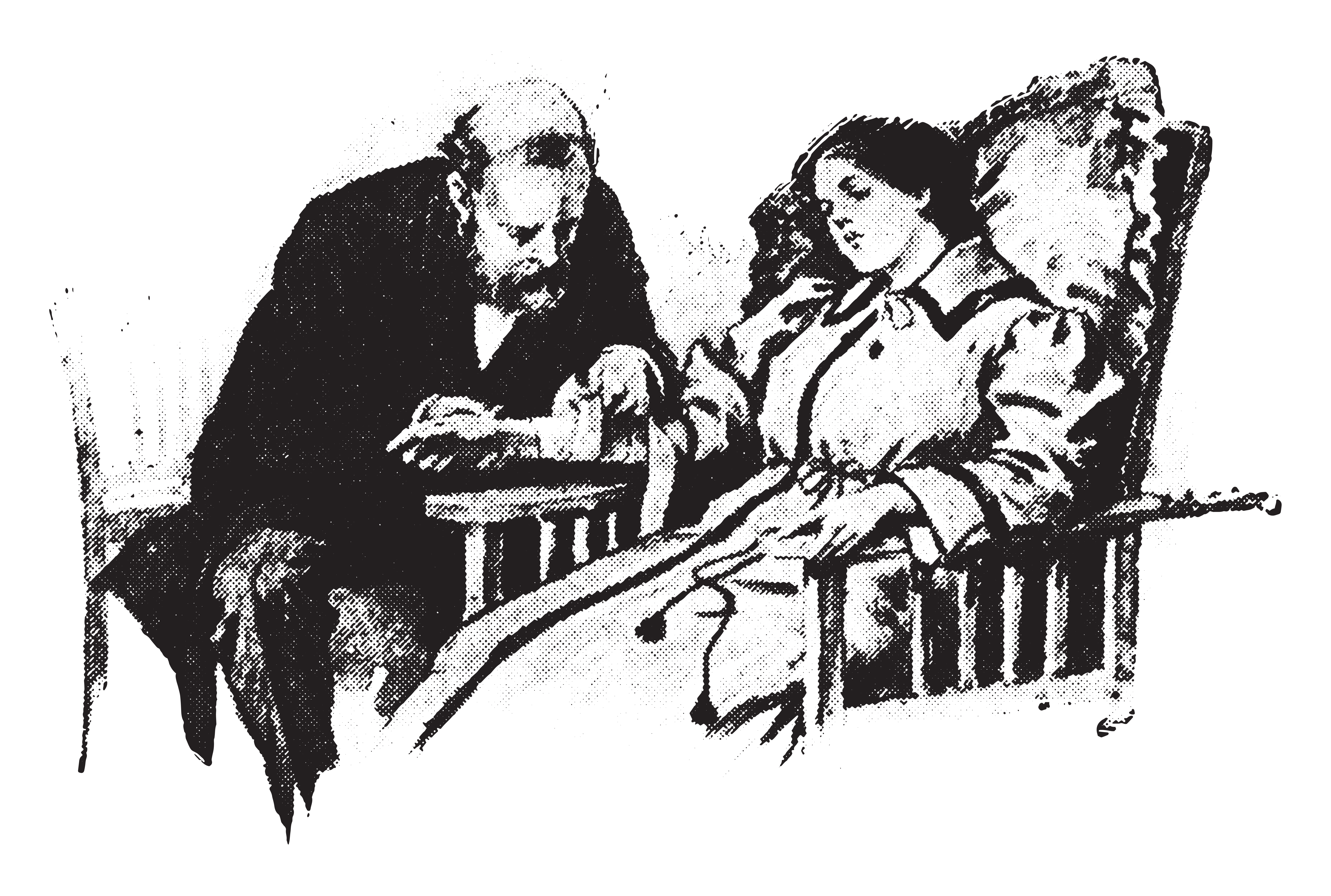
The remedies were handed down from mother to daughter, from doctor to patient. Some old-time cures persisted until the Twentieth Century; generations of American children wore a piece of flannel (usually red) around their throats after drinking home-made cough syrups. In some areas of the U.S. it was a common practice well into the 1950s.
Some folk remedies had no legitimacy, yet they worked because the patients believed they would work.
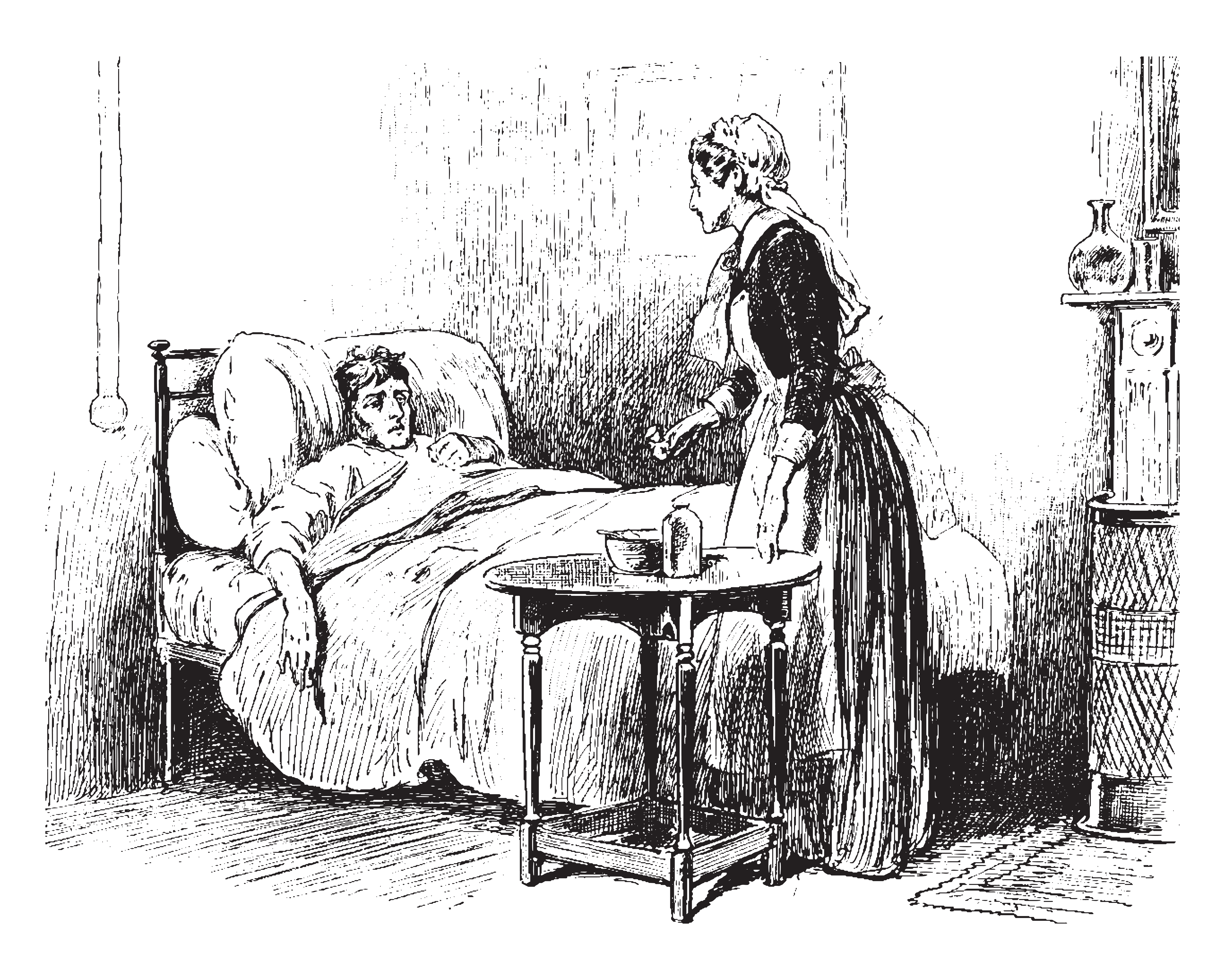
Other cures sounded strange, but had a scientific basis, like this one:
To cure an abscess or infected cut, apply a poultice of moldy bread and water twice each day.
In this instance, the poultice probably worked because the moldy bread essentially served as a home-grown form of penicillin.

In our twenty-first century America, many of the old home-grown medicines have gone by the wayside. Luckily, the Library of Congress in Washington, D.C. has a large collection of stories, letters, research essays, photos, and voice recordings about American folk medicine that helps us understand how Isabella, her family, neighbors and friends dealt with illness and injuries. You can visit the LOC’s website by clicking here.

Isabella’s brother-in-law Reverend Charles M. Livingston wrote several articles for The Pansy magazine in which he explained Bible verses that might seem confusing at first. Here’s one he wrote in 1889:
Matthew 5: 33-37:
33. Again, ye have heard that it hath been said of them of old time, Thou shalt not forswear thyself, but shalt perform unto the Lord thine oaths:
34. But I say unto you, Swear not at all; neither by heaven; for it is God’s throne:
35. Nor by the earth; for it is his footstool: neither by Jerusalem; for it is the city of the great King.
36. Neither shalt thou swear by thy head, because thou canst not make one hair white or black.
37. But let your communication be, Yea, yea; Nay, nay; for whatsoever is more than these cometh of evil.
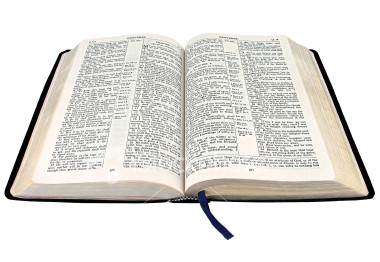
With these words in mind, how, then, do good men swear on the witness stand in the court-room?
That is intended to be a solemn, religious thing, for the sake of truth and law and justice. It sets the fear of God before the witness to deter him from falsehood, and the love of God to lead him to tell the truth.
The spirit of prayer is in it.
Our Hard Text refers to profane, wicked, idle swearing. It is taking the name of the Lord, thy God, in vain. It is very common in ordinary conversation among many people. They curse and swear “by” this and “by” that, just for fun, or to make folks believe them, usually when they are telling a lie. At last it becomes a vile, dreadful habit, and in almost every sentence they swear. Many little children do this. It is an awful sin. It leads to destruction.
Shun the first step in that direction. Have a character for truth. Consecrate your tongue to Christ as He died on the cross to redeem your entire body and soul from all sin.

Click on the links below to read more of Reverend Livingston’s “Hard Text” articles:
A Hard Text: Matthew, Mark and Luke

Affordable Christian Fiction
Faith, romance, and a place to belong
Author of Classic Christian Fiction
Author of Classic Christian Fiction
Reviews and giveaways for Christian fiction and sweet, clean fiction. Bringing readers information on great stories and connecting authors with their readers.
 Isabella Alden