Pansy’s Ministers

Before Isabella’s novel What They Couldn’t was published in 1895, it appeared as a serial story in a Christian magazine.

Book cover showing four young women near a table; two stand with their arms around each other; two are seated while one plays the guitar. An older woman stands at the table stirring the contents of a silver chafing dish.

The story centers around the Cameron family and the difficult adjustments they face when their wealth disappears. Not only do they have to learn to pinch pennies, they also have a difficult time figuring out who they can trust, and that includes the Reverend Mr. Edson.

One subscriber to the magazine who read the story was upset by the way Isabella portrayed Mr. Edson as a social-climber himself. The reader was so upset, he wrote a letter to the magazine’s editor to complain:

A subscriber calls attention to the portrayal of the young minister in Mrs. Alden's story, and asks: What percent of Presbyterian pastors would make use of such language as is there put into his mouth? Has any member of your force ever known a minister to speak such words about a member of his congregation? If Mrs. Alden knows such a pastor, it would be better to give his true name, and not attempt to make the impression that he is representative.

He was certainly upset enough to close his letter by issuing a direct challenge to Isabella!

If Mrs. Alden knows such a pastor, it would be better to give his true name, and not attempt to make the impression that he is representative.

Luckily, Isabella didn’t have to respond because others responded for her. The magazine published this response:

Mrs. Alden does not put the character forward as a representative of the ministry in general. No writer of the day has a higher appreciation of the ministers, or does more to help them in their work, than she.

And here’s what one of her defenders wrote in a letter that the magazine published the following month:

One Case. Here in the State of Washington was just such a minister as the one Pansy speaks of in her story. In fact, he told me that his congregation did not suit him; that he could not preach a good sermon to it because the people in it were not refined and intelligent enough. I will add that he is supposed to have left the ministry. [signed] M.H.M.

Of course, What They Couldn’t was fiction and—as authors often state— “any resemblance by any character to persons living or dead is purely coincidental.” But in her years as a teacher and as a minister’s wife, Isabella probably met a church pastor or two who, like Mr. Edson, was more concerned with ministering to the wealthy members of his flock than the less privileged congregants who could have benefited from his guidance.

Have you read What They Couldn’t? If not, you can read it for only 99¢ from your favorite online retailer:

A New Chautauqua

Isabella Alden had strong ties to Chautauqua Institution in New York. She and her husband Ross were early contributors to the assembly’s success. For years Isabella served as president of the Chautauqua Missionary Society and was superintendent of the Primary Department of the Sunday-school.

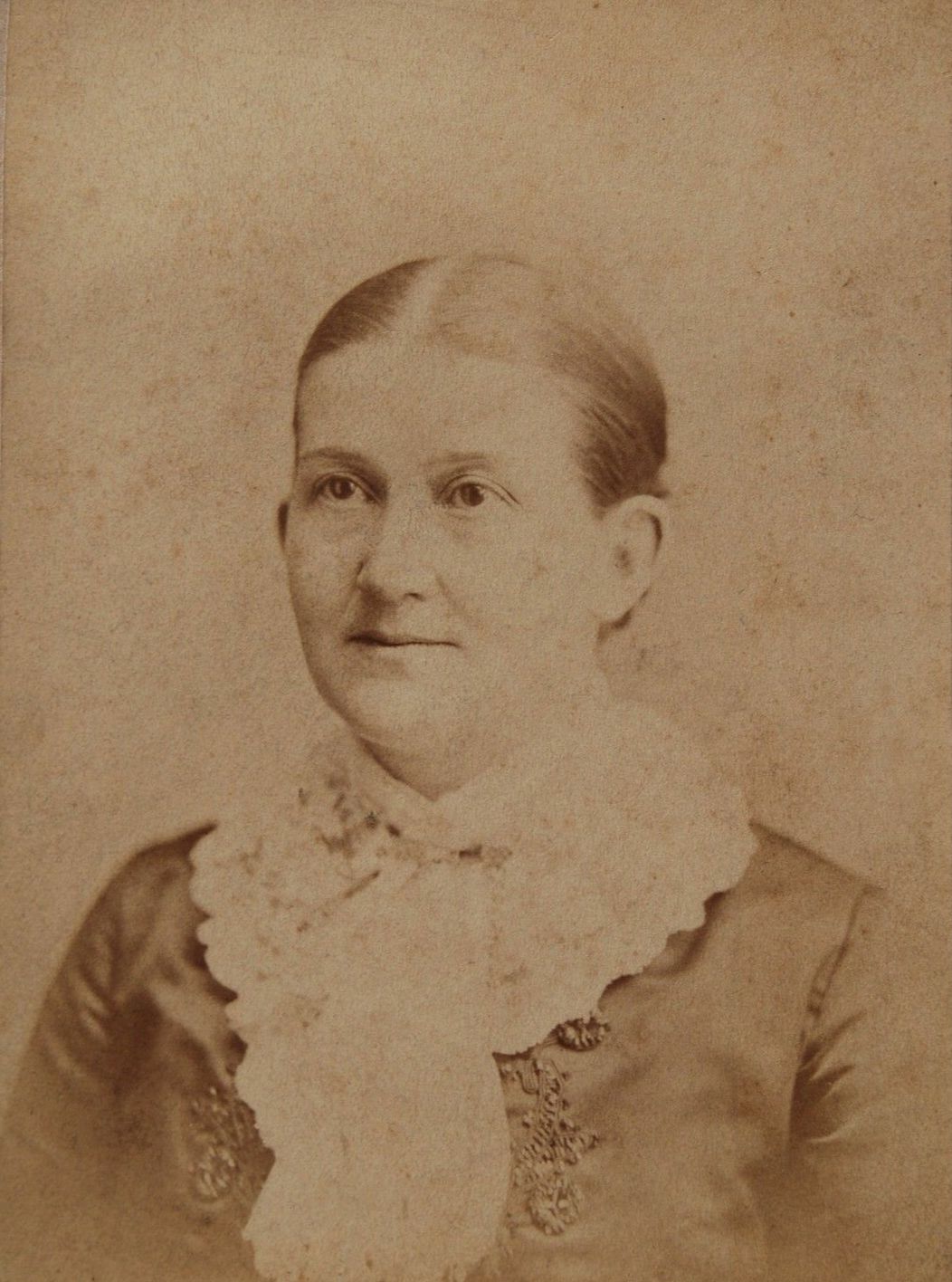
Profile photo of Isabella Alden at about age 35. Her hair is parted in the middle and pulled back to a large braided bun at the back of her head. She wears no jewelry. She is dressed in a garment with a high neckline, with a ruffle at the base of the collar. A lace jabot peaks out above the high collar and spills down the front of her bodice.
Isabella Alden, in an undated photo.

Several years later, in 1885, the Aldens were instrumental in opening a new Chautauqua in Florida. You can read more about that here.  

So it’s no surprise that Isabella was among the first to get involved when a new Chautauqua assembly was organized in Ohio.

News clipping: FROM LAKESIDE. An Inter-State Sunday School encampment is now being held at Lakeside. This place is on the peninsula twelve miles south of Put-in-Bay and about the same distance from Sandusky. This is the second meeting of the kind that has been held here. The other one held last year was a success. There were present able teachers and lecturers. The present meeting has been a success so far.
Excerpt from The Tiffin (Ohio) Tribune, August 1, 1878.

Much like the original New York Chautauqua, the Lakeside Chautauqua (established on the shore of Lake Erie) began as a camp meeting in 1873 with a series of revival meetings.

Photo of a promontory point of land on the shore of the lake. a short pier extends from the land out onto the water. Beside the pier is a white building with a tower. To the right along the shore line is a grove of mature trees and a park.
View of the Tower and Park 1909. Caption: This 1909 photo shows the Lakeside tower and dock where steam boats delivered passengers every summer. The dock tower is similar to the one at the original New York Chautauqua.

The early meetings were so successful, attendance grew by leaps and bounds the following years.

Old sepia photo about 1910 of an open park area with children playing and standing in groups. Behind them is an elevated band stand. Behind the band stand and to the left is a grove of mature trees. People sit in groups in the shade or walk under the trees.
An early band stand in the park at Lakeside Chautauqua (courtesy Lakeside Heritage Society)

In 1877 Lakeside officially joined the Chautauqua movement and held its first Sunday-school training session.

Old photo about 1899 of a family posing on the steps of their cottage. The porch has numerous flowering vines that weave in and out of gingerbread trims. On the steps stand two women and a little boy in a sailor suit. Behind them, two men stand and one man sits; each wears a full suit and hat.
Family on a Lakeside cottage porch 1909 (courtesy Lakeside Heritage Society)

The following year, Isabella visited Lakeside Chautauqua to conduct training sessions for children’s Sunday-school teachers.

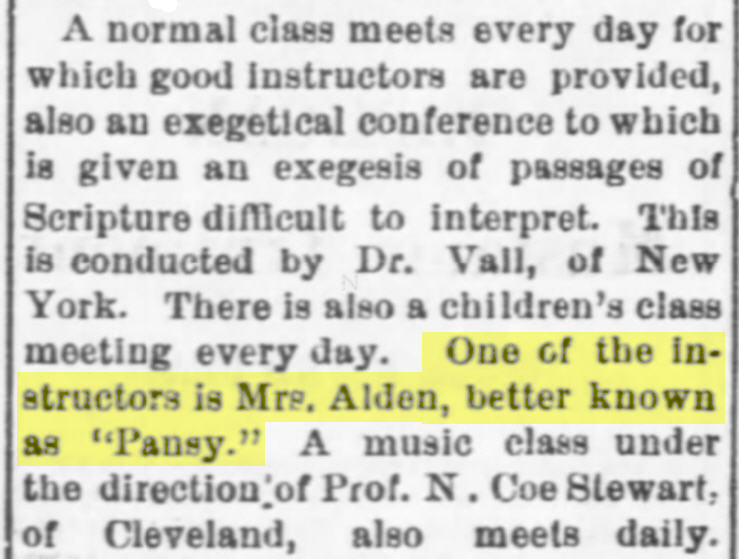
A normal class meets every day for which good instructors are provided, also an exegetical conference to which is given an exegesis of passages of Scripture difficult to interpret. This is conducted by Dr. Vall, of New York. There is also a children's class meeting every day. One of the instructors is Mrs. Alden, better known as "Pansy." A music class under the direction of Prof. N. Coe Stewart, of Cleveland, also meets daily.
An excerpt from The Tiffin Tribune, August 1, 1878.

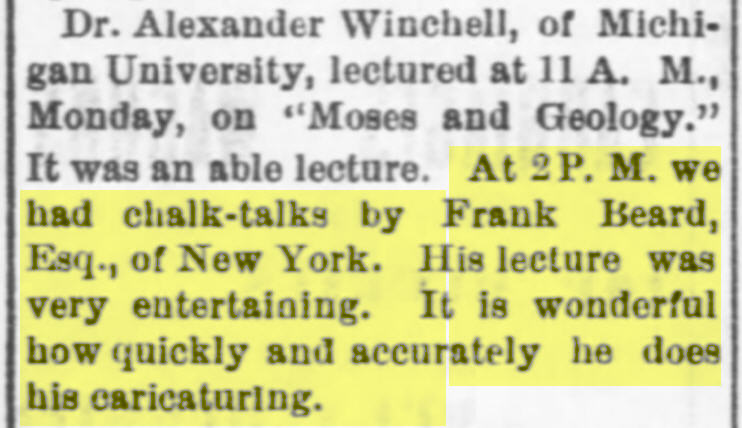
Lewis Miller (one of the founders of the original New York Chautauqua) and “Chalk Talk” artist Frank Beard also participated in the Lakeside summer program of 1878.

At 2 P.M. we had chalk-talks by Frank Beard, Esq., of New York. His lecture was very entertaining. It is wonderful how quickly and accurately he does his caricaturing.
Excerpt from an article in The Tiffin Tribune, August 1, 1878.

Frances Willard, President of the Women’s Christian Temperance Union, was also a featured speaker that summer.

Frances Willard in an undated photo
At 3 P.M. Miss Frances E. Willard, of Chicago, delivered an address on "Our danger and deliverance." It was a priviledge [sic] to listen to her. She is a great temperence [sic] worker. God speed all such.
Excerpt from an article in The Tiffin Tribute, August 1, 1878.

Add to this the daily lectures and Bible studies conducted by leading theologians and academics of the day, and the new Lakeside Chautauqua was off to a brilliant start!

Lakeside Chautauqua is still a operating today and offers a thriving summer program. You can learn more about Lakeside Chautauqua by visiting their website here.

And the Lakeside Heritage Society has many charming historical photographs of Lakeside Chautauqua, which you can view here.

Have you ever visited a Chautauqua?

There are 18 Chautauquas still operating today in the U.S. and Canada. Click here to find one near you.

Getting Ready to Travel

As a minister’s wife, Isabella knew a thing or two about thrift. She knew how to prepare nutritious and economical meals, how to decorate a home on a barely-there budget, and how to create useful household items from everyday materials.

She also admired those traits in others, and shared this anecdote in an 1897 magazine article she wrote:

I will tell you a little incident connected with the lives of two girl acquaintances of mine.

They belonged decidedly to the work-a-day world, and something unusual had come into their lives in the form of an opportunity for a short journey.

They met one evening to talk the matter over.

“Each pleasure hath its poison,” quoted one. “Mine comes in the shape of having nothing in which to pack my voluminous wardrobe. There is not a valise owned in our family, except an old carpetbag affair that looks as if Noah’s wife used it. And even that isn’t available. Tom must needs take it.”

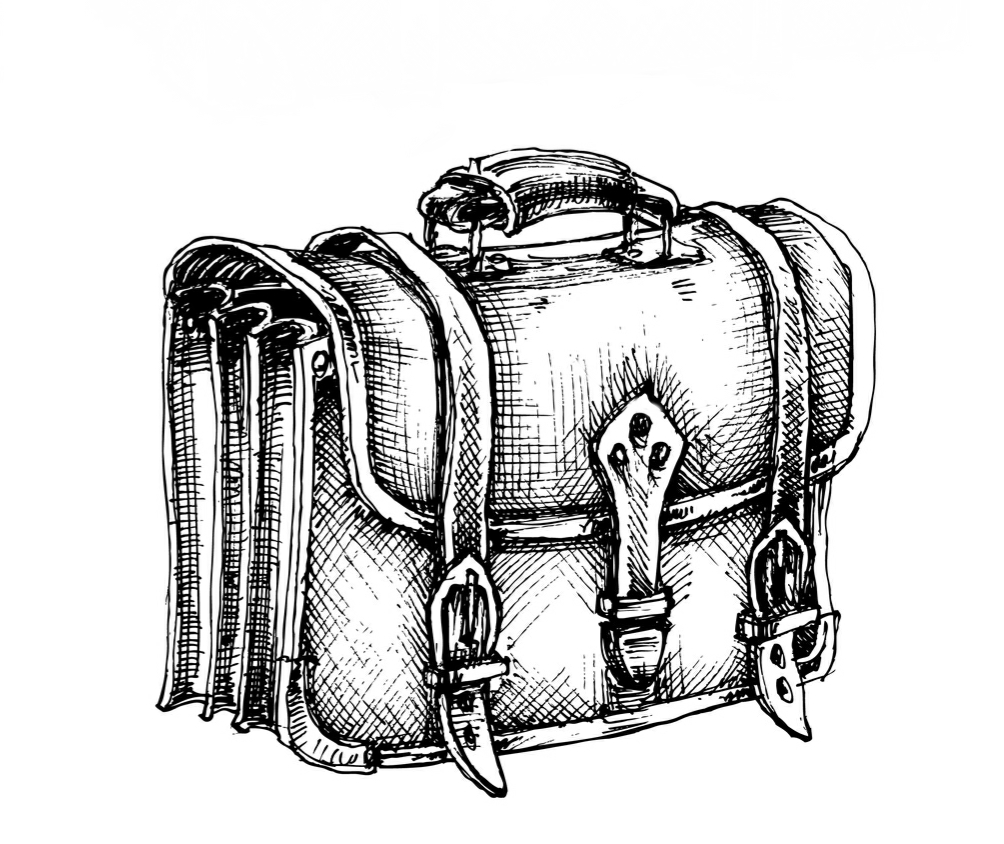
Drawing of an old-fashioned satchel with brass buckles and straps to keep it closed.

Mary, who was to be her companion in travel, regarded her thoughtfully.

“It is queer that our perplexities should be the same,” she said. “Only there is no satchel of any sort in our family. I brought away my belongings in an old family trunk so large that it was a question, for a time, whether I had not better set up housekeeping in it, if I could have afforded ground-rent.”

drawing of an old-fashioned steamer wardrobe standing open. On the left side of the wardrobe is a space to hang clothes. On the right is a series of drawers in difference sizes to hold clothing and accesspries.

Then the girl who had complained of the satchel looked remorseful and sympathetic. What were old-fashioned satchels, when one had father and mother and Tom?

“Never mind!” she said cheerily. “We can do our things up in newspapers. It won’t take a very large one to hold mine.”

We did not see them again until two days afterwards, when we met at the train. She of the “carpetbag” came first. Her bundle was characteristic of her, and awkwardly wound about with cord unnecessarily heavy. It was not wrapped in newspaper, it is true; but the brown paper was too stiff. It refused to listen to coaxing fingers, and crackled a good deal.

“I don’t know how to tie up bundles,” its owner said merrily, “and I did this in an awful hurry. I thought I was late. Hasn’t Mary come yet? Oh, here she is. Why, Mary Sheldon!”

The exclamation evidently belonged to Mary’s dress-suit case. That was what it looked like. A neat, trim valise, holding evidently quite a wardrobe, yet so compact and of such shape that it was easy to carry.

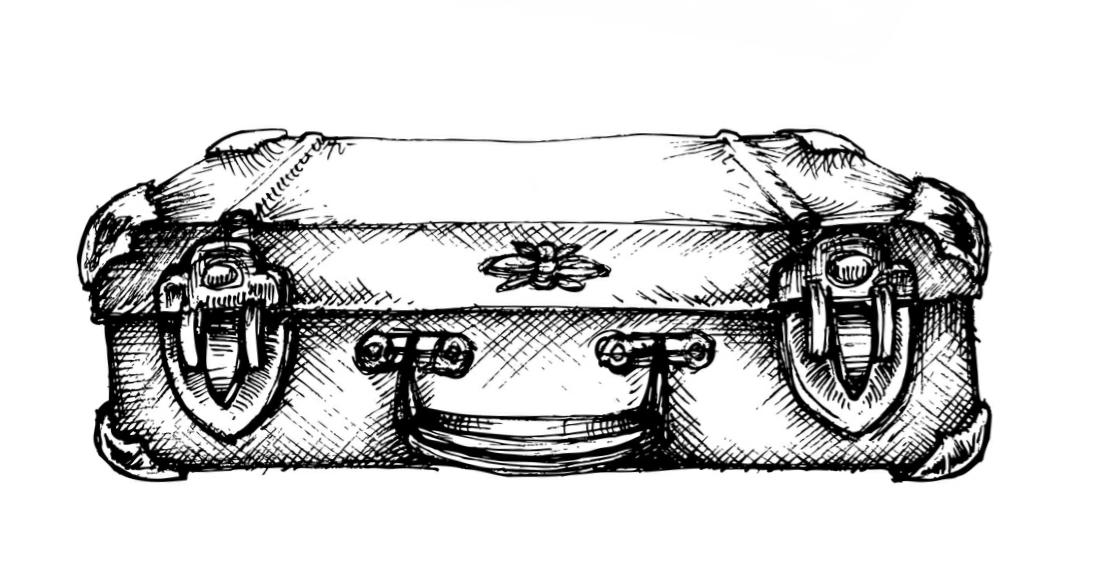
Drawing of an old suitcase with brass closures and corner guards.

“Where in the world did you borrow that? How nice it is! It will be ashamed to have my old bundle for a travelling companion.”

“It isn’t borrowed,” said Mary with dignity. “It belongs to me. It cost fifty cents.”

We gathered around her with exclamations and inquiries, and evolved this:

One of the boarders in the act of moving threw out as rubbish a pasteboard box in which a suit of clothes had been sent home from the tailor’s. It was about two feet long, one foot wide, and six inches deep, with a cover exactly the depth of the box.

Drawing of an old box-style suitcase with straps to hold it closed.

Mary, taking possession of it, covered it with dark-green cambric, at seven cents a yard. It took two yards. This was for strength. Then she re-covered it with plain wall-paper of a tint that suggested leather. Nine cents furnished enough for box and cover.

Drawing of various sewing tools: a needle with thread, a paper package of needles, a needle threader, a pin cushion with pins, a cloth tape measure and bolts of fabric.

By that time she thought that she had a very good travelling-case; but, having grown ambitious, she determined to make it still more useful. Twenty-five cents bought a yard of strong gray denim. This she cut and fitted at sides and ends, and, having bound it with dark-green braid, and sewed strings on it at intervals, she had a neat protective cover for her travelling-case, and one that added materially to its strength, as well as to its capacity, should occasion require. A shawl-strap to carry it by (which she already owned) completed the neat outfit.

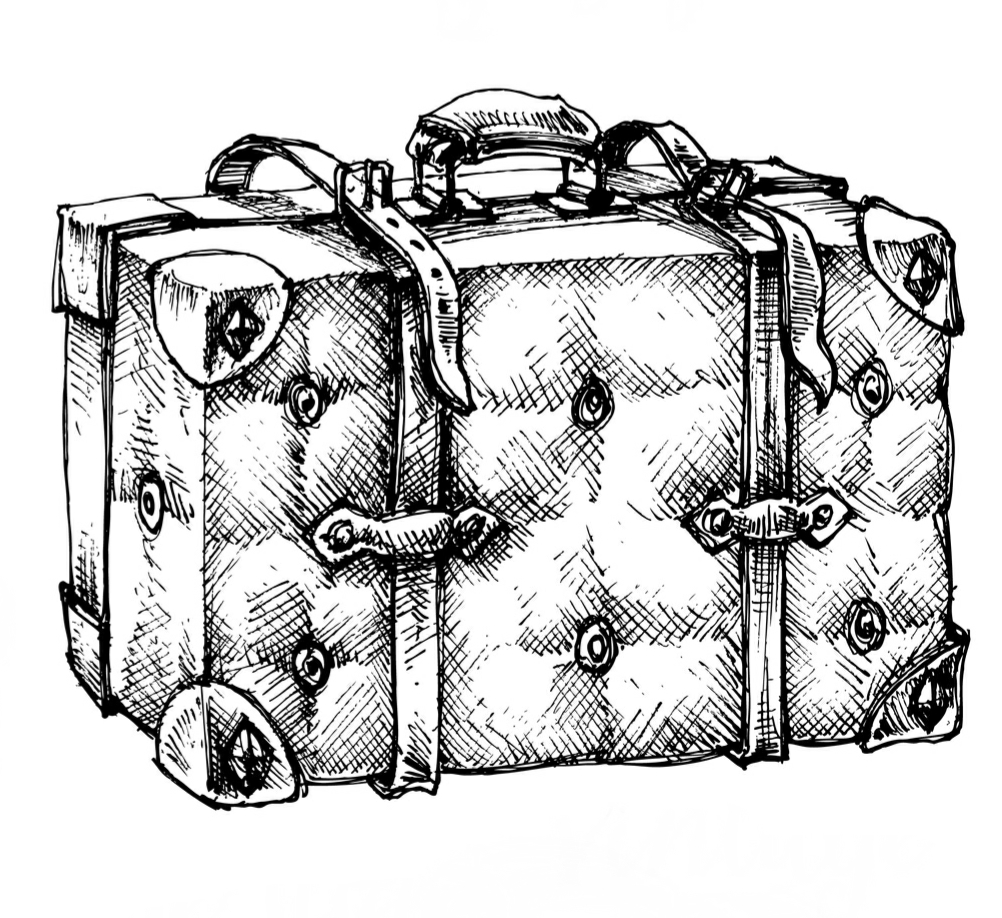
Drawing of a large suitcase and satchel. Both have brass closures and leather straps.

“You are a regular genius,” said the girl with the bundle, admiringly. “I might have invested fifty cents myself. But then, it was an awful bother to make it.”

Which, let me explain, was the marked difference between the two girls. It was not so much the inventive talent that the one possessed above the other. It was the habit that the other had of considering little common-place efforts of that character “an awful bother.”

I wonder how many girls who are sighing for “Boston bags,” or leather hand-satchels, or even neat, trim two-dollar “telescope bags” as beyond their means, will get a hint from my friend Mary’s management? I see ways of improving on her work. Do any of you?
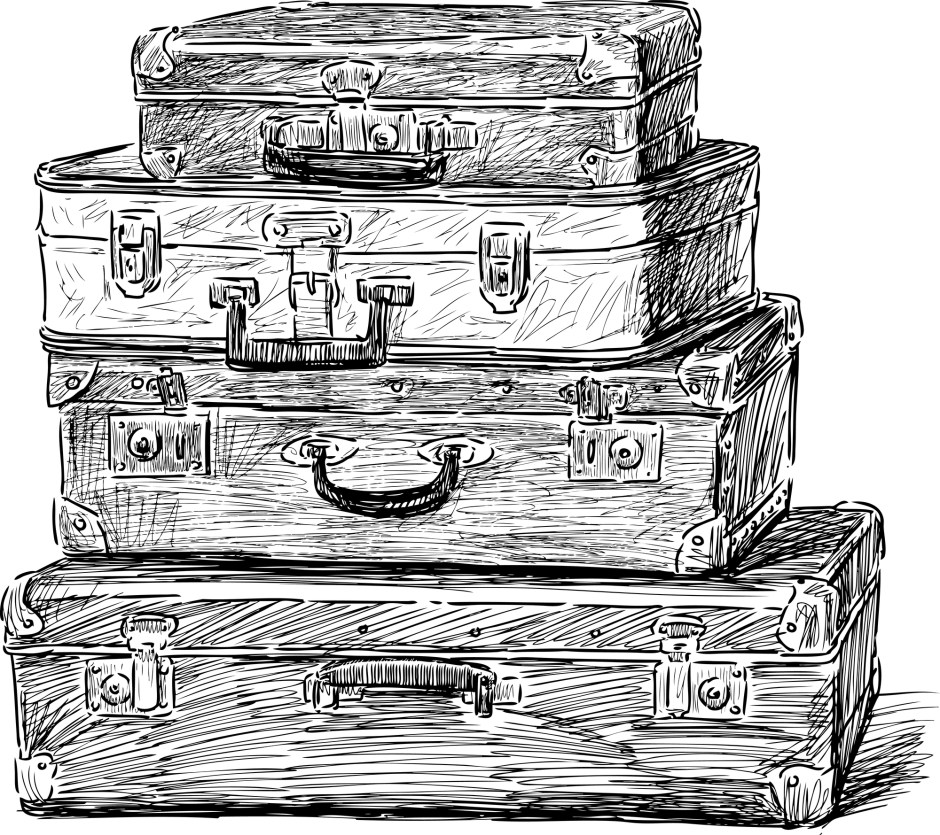
Drawing of a stack of four old suitcases.

Pansy’s Letter-box

In 1876 Isabella Alden was serving her second year as editor of The Pansy magazine. At that time the magazine was published monthly and by all accounts, it was a success!

Children regularly wrote letters to her, telling how much they enjoyed an article or story. Some sent in word puzzles they had made, in hopes their puzzles would be published to delight (or possibly stump) other readers.

They also wrote to Isabella about their birthdays, how they spent a holiday, and the difficulties they encountered in daily life.

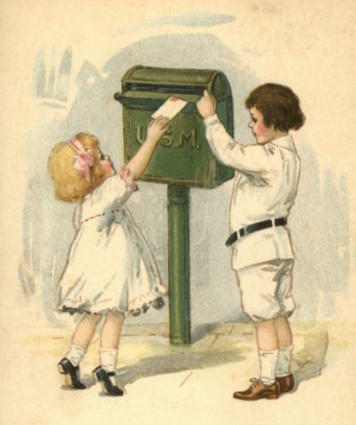
A little boy picks up a little girl up so she can put a letter in a post office mailbox. In the foreground is an envelope addressed "To Pansy"

Here’s a letter a boy named Orvie B. Strain wrote to Isabella about the fun he had on April Fools’ Day.

Dear Pansy: 
I will tell you some of the funny things that happened to me April first. I took an empty oyster can, done it up in brown paper, and laid it on the sidewalk. A young man came along, looked at it a minute, and then kicked it off the sidewalk, and I didn’t watch it any longer. Late in the afternoon, I went to look for it, and I found it all mashed fine. 

As I came from the post-office, I forgot about its being April fool-day. I saw a two-cent piece lying on the side walk; I stopped to pick it up, and it was nailed fast. I had lots more fun, but I’ll not write about it this time. I am nine years old. May I belong to your ‘Pansy bed?’ This letter is written with my left hand.
A little girl holding a bundle of letters stands in front of a post office mailbox. Beside her a little dog holds a letter in his mouth.

Not only did Isabella publish many of the letters she received like Orvie’s, she replied to them all! Sometimes she sent individual replies by mail. Other times she simply wrote a quick reply in the next issue of The Pansy magazine.

Here are a few of those replies from the June 1876 issue of The Pansy. They give us a glimpse into Isabella’s personality and how she interacted with children:

LENA DARLING: 
Delighted to hear from you, my darling. The story is good, and will appear in The Pansy one of these days. Give my love to “Rubie.”
NELLIE MILLS: 
Such a nice little printed letter, with three new people in it! I am glad you think the Pansy “very nice.” Do you know, little darling, that you make Ns up-side down?
FRANKIE PAGE: 
I am glad that you have learned to write. Fifteen cows! Oh my! Can you milk any of them?
A large dog holds a letter in his mouth and stands on his hind legs so he can place the letter in a post office mailbox.
LAURA KESSNER: 
Welcome to the Pansy bed. You must wait patiently from month to month. Pansies have to grow, you know.
IDA T. DERBY: 
How many words did you miss at spelling school? Tell us all about it. Are there no little people in your “garden,” to make a Sunday-school of? Can’t you start one?
BERTHA WOLCOTT: 
I am glad to hear you think so much of our paper; but you must not expect Pansies to blossom every week! You have made a splendid selection of verses for your acrostic [puzzle].
A little girl in a pink dress and hat holds a large bouquet of purple and pink flowers in one hand. In her other hand she holds an envelope with a red was seal.
CHARLIE FISK: 
Your puzzle is good. It will appear in The Pansy some time. Are you practicing on your verses?
PUELLA HALBERT: 
Have you enjoyed my visits? May you be one of His “little ones.” We must all keep young hearts. See Matthew xviii. 3.
IDA MAY HATFIELD: 
There was good news in your letter. It is very easy to “live a Christian life,” if we always “love to pray.”
JOSEPH WASSON: 
We too have a pony, and his name is Tony. We haven’t any dog; but our Ray, whenever we ask him what he would like to have for a birthday present, says: “A big, black dog.”
A little boy and girl stand at a mail box. The boy holds open the lid of the mail deposit slot so the girl can slip a letter inside.
WATSON BEAR: 
I’ll answer your questions with pleasure. There’s a lady edits the paper, and her name is Pansy, and ever and ever so many thousands of children take it. You write a letter to all the Pansies, and if it isn’t more than twelve lines long, I’ll publish it. That is a good idea.
HORACE A. STRAIN: 
Yes, indeed; you shall belong to the “Pansy bed.” Will you be a great, purple Pansy, or a little bit of a white one? You got pretty high up in school, didn’t you, and only seven years old? Well done.
EVA HATFIELD: 
Welcome, Eva. We shall not consider you a stranger any longer. We all belong to the same garden. I hope we are all trying for the same home.
A little girl in a blue coat and hat holds a letter close to her chest. She stands beside a post office mail box. A little dog peaks from behind the mail box, watching her.
ALBERT P. OVERMAN: 
Poor little Ralph, or, rather, Ralph’s mamma. How sorry we are for her! You miss him from the Sunday-school, but think what a great army of Sunday-school children he has joined!
MINNIE L. SMITH: 
The puzzle is very nice. It will appear just as soon as we get to it, but there are about twenty-five ahead of you. I am glad you like The Pansy so much. We are going to make it semi-monthly one of these days. What was your prize, and for what was it given? Kiss “Tidy” for me. I think Benny gave her a very pretty pet name. I am glad of the good news about yourself.

Two of Us

Isabella’s husband the Reverend G. R. Alden regularly wrote poems, which were published in The Pansy magazine. In June 1891 he celebrated the closeness of siblings with this delightful poem:

"Twice one is two." 
That's a text for you. 
Whether at work or play,
Whether by night or day,
Whether in school or store, 
On table, or shelf or floor, 
This is the thing we do — 
We prove the rule is true.
One cannot truly love alone, 
No more than could a granite stone; 
Better eat dinner without bread, 
Or think sweet thoughts, without a head.
The heart all empty is, you see, 
And one must enter there and be 
The tenant, and fill up the hollow, 
Just like the dinner you would swallow.
Quarrel alone! That would be funny! 
Sooner have bees, but never honey! 
Better a cart with but one wheel, 
Better a flint, with never a steel.
With half a shears, if you were clever, 
You might do work; but you could never 
Quarrel alone, in all your life; 
Someone must help you in the strife.
S'pose that is why God made us two, 
That we might love each other true; 
Not hate and quarrel, scratch and fight, 
So drive away his love and light; 
But helping each, in work or play, 
We'll hurry on the heavenly way, 
And by and by together stand, 
Before his throne, each hand in hand.

G. R. Alden

Something for Papa

Father’s Day is this Sunday, and if you are wondering what you can give as a gift, Isabella may have the perfect suggestion for you.

Today we might call Isabella a “crafter.” She often repurposed simple items, such as cardboard boxes, and refashioned them with glue, fabric, and bits of ribbon or lace in order to make something useful and pretty. On her writing desk she kept a pen case and mail sorter she had made.

She often wrote how-to instructions for making simple gift items to give. In 1892 she published the following idea in The Pansy magazine for readers who wanted to make “something for papa”:

Divider
.

I am sure of one thing papa will like, and it is something which you can make with some industry and very little expense.

I do hope you know how to knit—the nice old-fashioned knitting which our dear grandmothers understood so well? If you do not, my first advice to you is to master that fine art which has of late years gone so nearly out of fashion; it is coming to the front again, and there is no end to the neat little comforts which you can make with the aid of a ball of tidy cotton and two large knitting needles.

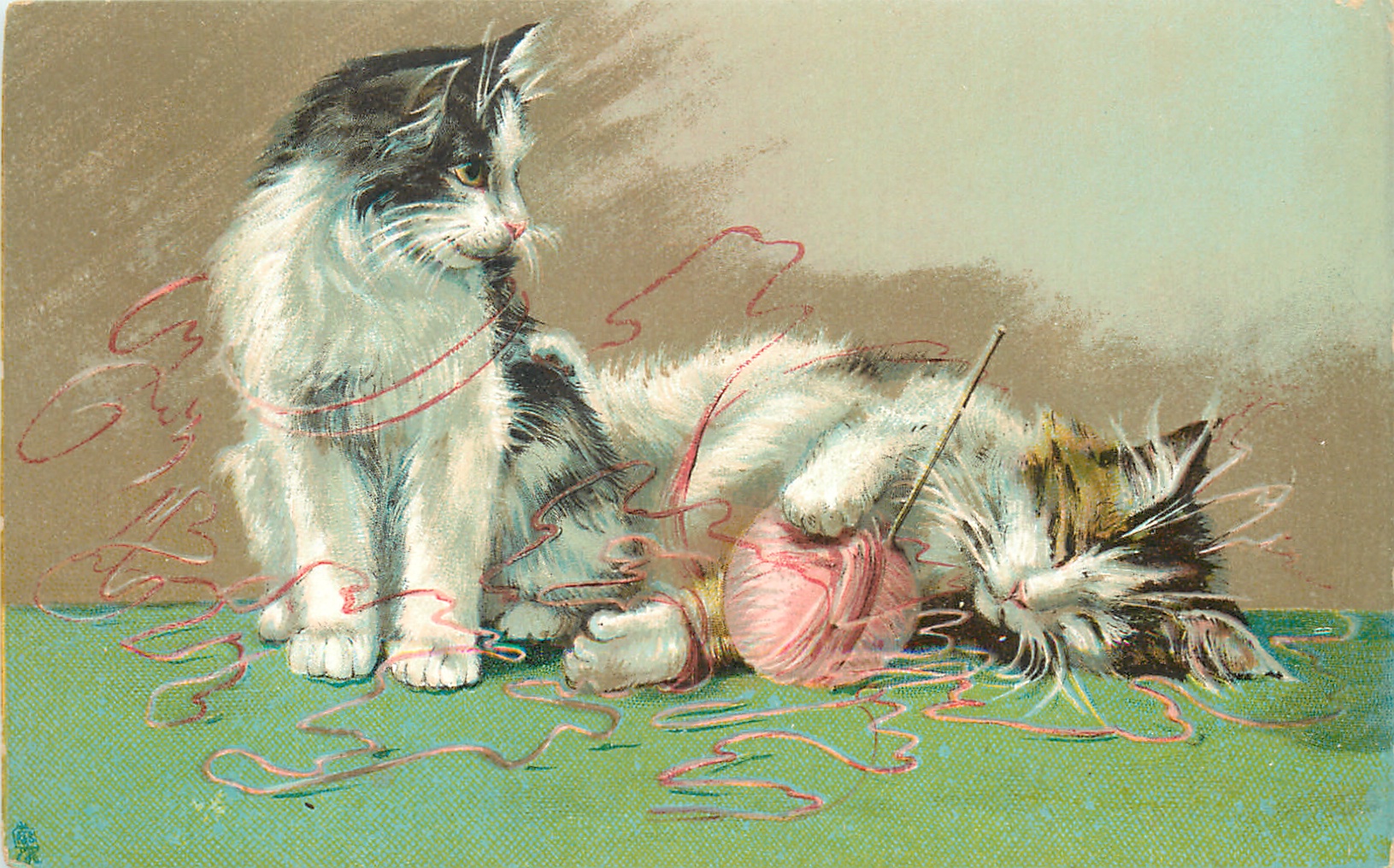
Illustration of two kittens playing with a ball of yarn, which they  have partially unrolled and have wrapped strings of yarn around themselves.
.

I will not attempt to teach you the stitch on paper, though if you sat by my side I could show it to you with very little trouble. If there is not a dear white-haired grandmother in your home (as I hope there is), borrow one from some friend, and beg her to teach you how to knit.

Having learned it (which I am sure you can do in an hour), get two large-size needles of steel, or ivory, or wood (I like to use wood) and a ball of the very coarsest tidy cotton you can find, and set to work. Cast on as many stitches as the needle will conveniently carry, and knit back and forth, back and forth industriously, until you have a strip a yard long. Oh, it will require patience and industry! But I told you that in the beginning, you know.

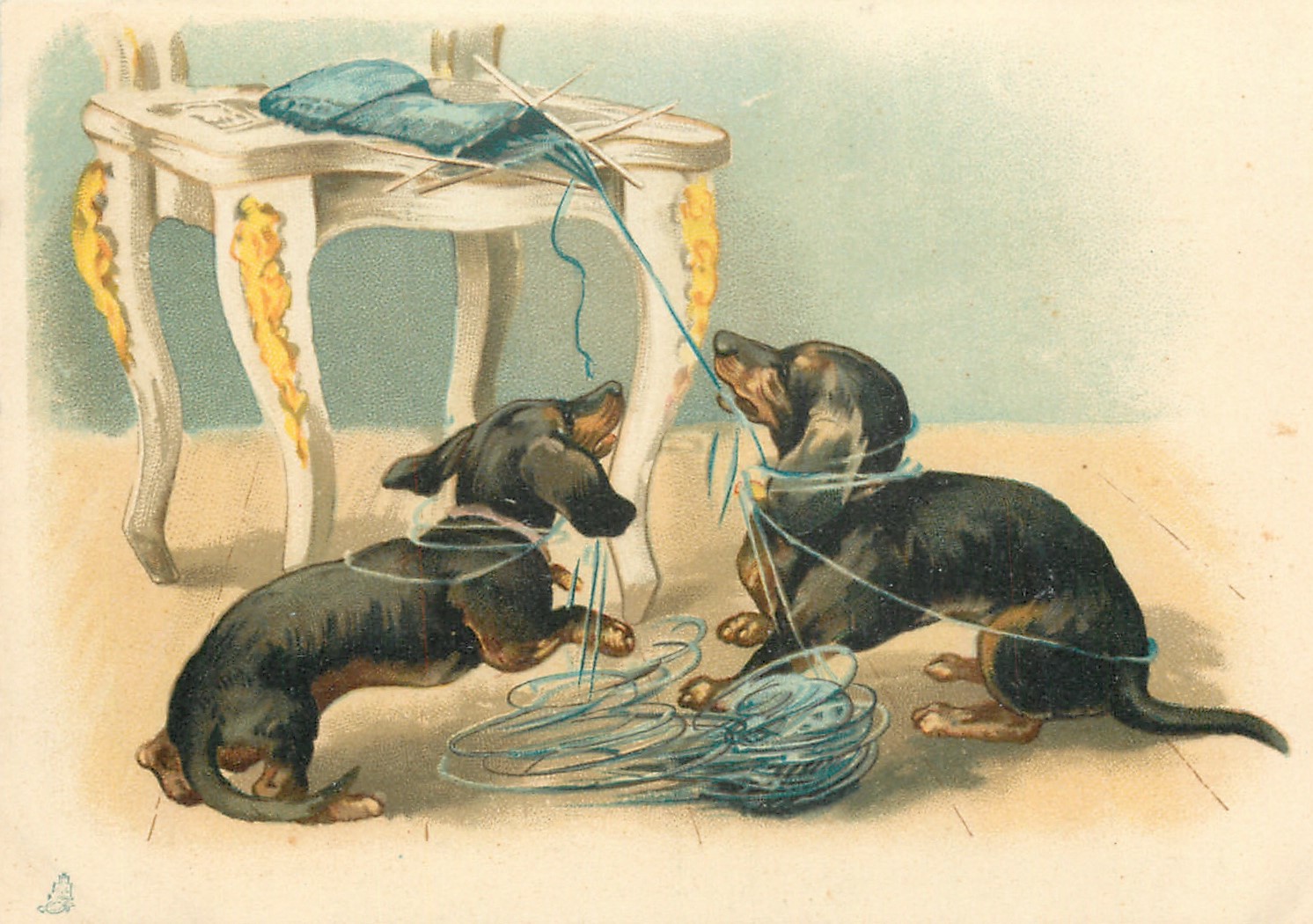
On a table is a partially knitted sock with knitting needs. On the floor below the table are two dachshunds who are playing with the ball of yarn and are unraveling the sock. They have tangled strands of yarn around themselves.
.

Having finished the strip begin again, and make another precisely like it; then a third, and perhaps, if your needles are not very long, a fourth—you might consult with mamma or Auntie as to that. When the four are finished ( in order to be sure to have the article large enough we will say four), fold the side edges of two neatly together, and knit them together with a crochet hook, or sew them with a needle and some of the tidy cotton, as you prefer.

Add the third and fourth in the same manner, and when all is complete if you do not have a bath towel which will please papa better than any Turkish towel he ever bought, I shall be astonished and disappointed.

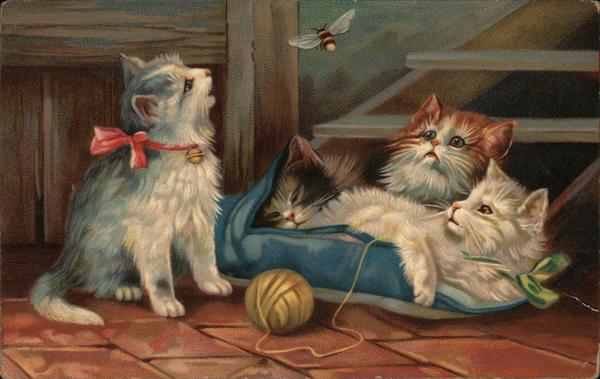
Illustration of four kittens. Three lay on a pillow while a fourth sits beside them. They have a partially-unraveled ball of yarn on the floor beside them, but their attention is on a bee that is flying just above their heads.
.

For fear of discouraging you at the outset, I mentioned a yard as the length, but let me whisper to you, entirely in confidence, that if you should make it a yard and a half long, or even a trifle longer, papa would like it better still. You see, I have heard the gentlemen groan over short bathing towels, and I know all about it.

.

You see with how very little expense such an article could be made, and I really do not know of any one thing which will add more to the comfort of the bath. Some gentlemen like very coarse and rough bathing towels, in which case macramé cord is sometimes used instead of tidy cotton; probably mamma could advise you wisely in this direction, also.

.

 If you undertake such a gift, I hope you will have the kindness to write and tell me how you succeeded, when and how the gift was presented, what was said, and all about it.

Your friend,

Pansy.

Do you ever make or give hand-made gifts? What home-made gift is your favorite to give or receive?

Are you a knitter? What knitted items do you like to give as gifts?

Free Read: A Glimpse into the Future

This month’s free read is a short story about two teenage friends Isabella described as:

“Sensible young ladies” who were “older at fifteen than their grandmothers at the same age thought of being.”

As is always the case with Isabella’s stories, it’s thoughtfully written to illustrate what she would call a “home truth.” But the story also gives us some hints about her personal life.

For example, she fondly describes her memories of May Day celebrations as “good times” gone by.

And later in the story, one of the characters mentions her “Mental Philosophy” class at school. When Isabella wrote the story in 1896, Mental Philosophy involved the study of the consciousness, functional thought, and religion. It was the precursor of what we now call the study of psychology. With her strong background in teaching, it isn’t surprising that Isabella would weave the latest educational innovations into her story.

.

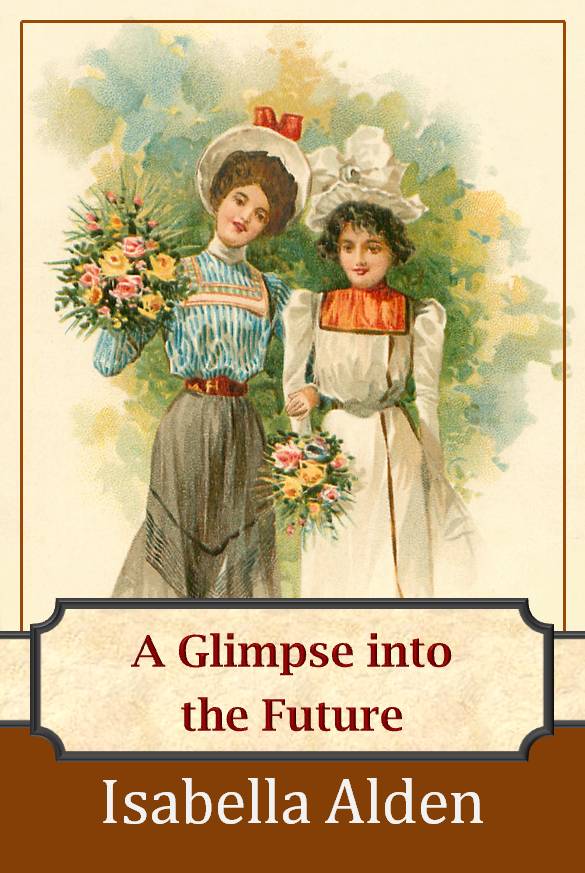
When teenagers Eva and Cassie are tempted to visit the village fortune-teller, it seems like nothing more than a bit of harmless fun, until a wise friend shows them what their futures truly hold.

You can read “A Glimpse into the Future” for free!

Choose the reading option you like best:

You can read the story on your computer, phone, tablet, Kindle, or other electronic device. Just click here to download your preferred format from BookFunnel.com.

Or you can select BookFunnel’s “My Computer” option to receive an email with a version you can read, print, and share with friends.

Graduation Time!

It’s that time of year, when students “commence” higher studies or the business of life. It’s the season for graduation ceremonies, when young men and women—as well as their parents—attend closing exercises of the school year, exchange cards of congratulations and bestow graduation gifts.

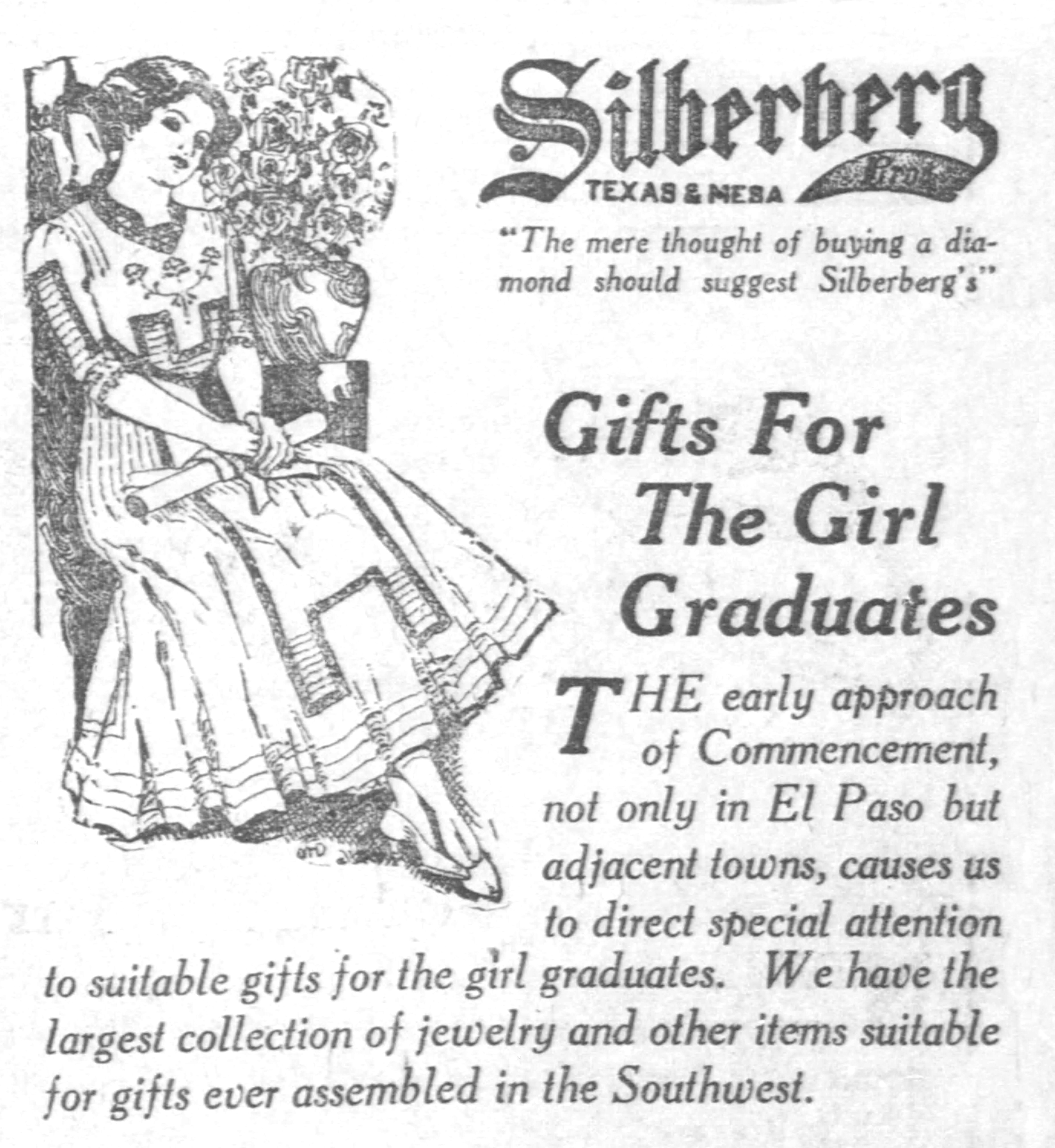
Illustration of a young woman wearing a dress from about 1910. It has a high embroidered collar that covers her neck. The sleeves are long and embroidered, as is the bodice. A ribbon circles her waist. The skirt is floor-length and lightly pleated. It is adorned with rosettes and ribbons at the hips. Two rows of ribbon embroidery circle the skirt near the hem. In one hand she holds a rolled-up diploma tied with a ribbon. In her other hand she holds a bouquet of roses tied with wide ribbons.

It was the same way in Isabella’s day. Being an educated woman, and having been a teacher herself, Isabella knew that graduation was a significant milestone in a young life. The characters she wrote about in her novels worked hard for their education, and they had good reason to celebrate their achievements.

Black and white illustration of a young woman in dress from 1912 seated in a chair. In her lap she holds a rolled diploma tied with a ribbon. Beside her is a large vase filled with roses. SILBERBERG. TEXAS & MESA. "The mere thought of buying a diamond should suggest Silberberg's." GIFTS FOR THE GIRL GRADUATES. The early approach of Commencement, not only in El Paso but adjacent towns, causes us to direct special attention to suitable gifts for the girl graduates. We have the largest collection of jewelry and other items suitable for gifts ever assembled in the Southwest.
From The El Paso Herald, April 27, 1912.

Just as we do today, it was the fashion in the late 1800s and early 1900s to give graduates a gift of some kind to mark the occasion.

Black and white illustration of three young women. All are dressed in clothing from 1904, with high necklines, long, full sleeves, and floor-length skirts. One stands in the foreground, holding a piece of paper. Behind her is a waist-high trellis of roses. Behind the trellis stand the other two girls, one of whom is holding a piece of paper. In front of them on the floor is a large vase filled with roses.
Girl graduations, from The Kansas City Star, May 8, 1904.

Acceptable gifts came in many forms. Boys and young men received neckties, gloves, fountain pens, and pocket watches.

Illustration of a pocket watch case. Above the winding stem is "14K." AS GRADUATION TIME APPROACHES - very naturally you will begin to look around for the BEST gift store. Now, the selling of Graduation Gifts is, and has long been made a specialty of by this Pfeifer Store. We have endeavored to find out what will most please a graduate, and from our personal observations we believe that many have a preferance [sic] for Watches. The following special values, therefore, will certainly be of interest at this time. FOR THE GIRL. Bracelet Watch, 7-jewel nickel movement; guaranteed. 14K solid gold, richly hand-engraved watch, Elgin movement. 14K solid gold, plain case watch, set with sparkling diamond; Elgin movement. FOR THE BOY. Elgin Watch, 15-jewel, 20-year guaranteed gold filled case. 14K solid gold watch, fitted with 15-jewel nick Elgin movement. Howard Watch, 17-jewel movement in 25-year guaranteed Elgin Howard case. ALBERT PFEIFER & BRO JEWELERS
From the Daily Arkansas Gazette, May 16, 1914

Young women received watches, too; but instead of pocket watches, bracelet watches were in style, like the ones mentioned in this 1914 ad:

Drawing of head and shoulders of four young women. WATCHES FOR THE GRADUATES. The very popular watch gift is here in a great variety of models, and at a big prince [sic] range. The gift of a "Stifft" Watch insures years of continued, satisfactory use by the recipient, and is a lasting remembrance of the all-important event - graduation. [List:] Pretty Sterling Silver Bracelet Watches; good timekeepers. Sterling Silver Braclet Watches; blue enamel inlaid. Gold Filled Bracelet Watches; guaranteed movement. Solid Gold Bracelet Watches; fine guaranteed movement. WATCHES FOR BOYS. Elgin 7-Jewel Thing Model, 20-year gold filled case. Elgin 15-Jewel Thin Model, 20-year gold filled case. "Gruen Verithin" Watches, 25-year gold filled case.
From the Daily Arkansas Gazette, May 16, 1914

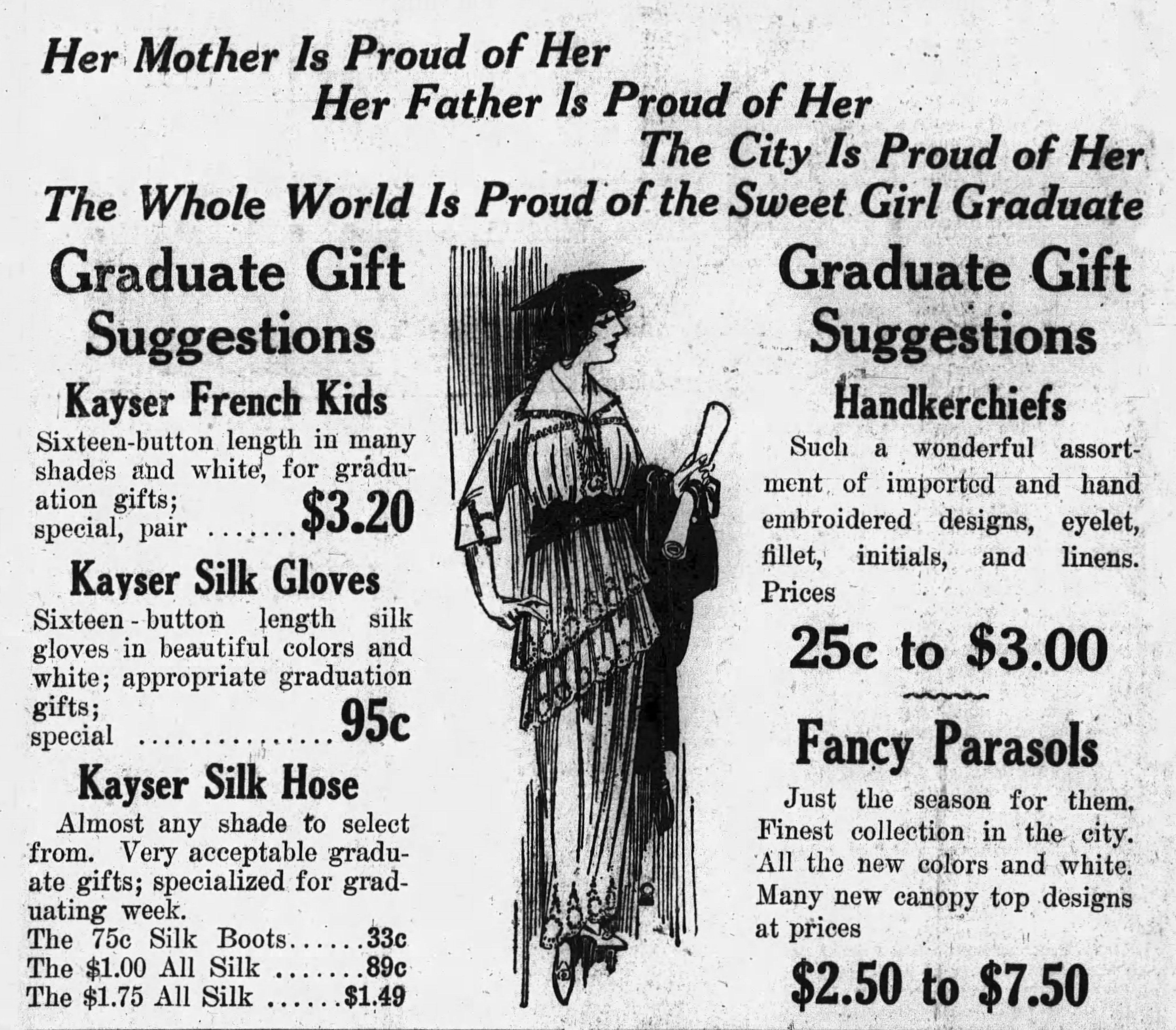
Stores carried a variety of gifts for the graduate, from handkerchiefs and gloves, to hosiery and stationery.

HER MOTHER IS PROUD OF HER. HER FATHER IS PROUD OF HER. THE CITY IS PROUD OF HER. THE WHOLE WORLD IS PROUD OF THE SWEET GIRL GRADUATE. Graduate Gift Suggestions. Kayser French Kids, Kayser Silk Gloves, Kayser Silk Hose, Handkerchiefs, Fancy Parasols
From The Independent Record, May 24, 1914.

Stores also offered plenty of gift ideas that featured the latest in 1912 technology. The ad below mentions Kodak cameras and field glasses (binoculars) as desirable gifts for men and boys.

GRADUATION GIFTS FOR BOYS AND GIRLS. One of the events of a life-time comes with the ending of the school or college term. Its importance is being generally recognized int he giving of gifts--tokens of regard that are as treasured as the gifts that commemorate any other events of a life-time. Our displays on the First Floor of the Wabash Avenue Building will offer a fund of suggestions at any intended expenditure. GRADUATION GIFTS FOR BOYS. Kodaks, field glasses, watches, coat chains, watch fobs, watch chains, scarf pins, cuff buttons, rings, key rings, military brushes. GRADUATION GIFTS FOR GIRLS. Kodaks, opera glasses, watches, fans, vanity cases, brooches, neck chains, necklaces, mesh bags, silver coin purses, bar pins, lockets, rings, bracelets, sterling silver comb, brush and mirror sets. MARSHALL FIELD & CO.
From the Chicago Tribune, Wednesday, June 5, 1912.

An ad in a 1916 issue of Good Housekeeping magazine suggested the gift of a table lamp, with a floral painted glass shade:

Drawing of a table lamp with bowl-shaded shade. Behind it is a drawing of a sitting room in style of the period. A print-fabric chair with cushions and an ruffled ottoman. On one side of the chair is a table with a similar table lamp and a framed portrait. On the other side is a smaller table with a second framed portrait. A sconce with four candles hangs over the fireplace. On the mantle is a goblet and urn. Behind the chair are more portraits handing on the wall and a sconce with two bulbs. The ad text reads: Handel Lamps. The spirit of the summer boudoir with its light, delicate draperies is reflected in this Handel Lamp. The charming floral design makes is an attractive gift for the June bride or the girl graduate. Handel Lamps, created by expert craftsmen from exclusive designs, are noted for their individuality.
Advertisement in Good Housekeeping magazine, 1916.

Lamps like that could be expenses; they cost anywhere from $15 to $50 each. For more budget-conscious gift-giving, books were always an appropriate option.

Newspaper ad. Header: Gift Books for Graduates. Books always make suitable gifts for graduates. our Book Department has hundreds of desirable volumes ready to be tied in the proper class colors. We mention a few below:
Books of Travel at $3.50
Late Fiction by Well-Known Authors; Titles Suitable for Graduates.
Friendship Books from 89c to $1.50
The South's highest-class department store. Kaufman-Straus Co.
From The Courier Journal (Louisville, Kentucky), June 21, 1911.

And if your taste didn’t run toward novels, Bibles and prayer books were an excellent choice, especially if the gift giver added a loving, hand-written message of congratulations on the fly leaf or title page.

Drawing of neck and head of a young woman wearing a graduation mortar-board. SEE OUR LINE OF COMMENCEMENT GIFTS. Beautiful, Serviceable, Acceptable. BOOKS. The most complete line of Bibles, Testaments, Prayer Books in the City.
From The Lexington Leader, May 24, 19906

What is the best graduation gift you ever received or gave?

The First Pansy of the Season

“A plainly attired lady of medium hight [sic] wearing a brown dress and lace collar, was introduced to a large audience at the Case avenue Presbyterian church last evening as Mrs. G. R. Alden, or the first “Pansy” of the season after an unusually severe winter.”

Isn’t that a charming way to describe Isabella?

Sepia head and shoulders photograph of Isabella. She wears a dark-colored dress with long sleeves and embroidered flowers adorning the bodice, and a detachable lace color that buttons high on the throat. The lace is 3" to 4" deep, and hangs down into a jabot 4" to 5" long.
Photo of Isabella Alden about 1880 (age 39)

Those are the first lines of a newspaper article about a public reading she gave at a Cleveland church in 1885.

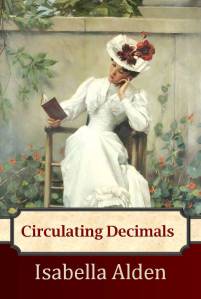
Isabella regularly drew large crowds whenever she appeared at an event, especially if there was a chance she might read one of her stories; and on this particular evening, she read chapters from her short story “Circulating Decimals.”

Cover of "Circulating Decimals" showing  a young woman in a white dress from the early 1900s, and a white hat with red flowers. She is seated in a wooden chair in a garden and is reading a book.

Here’s the newspaper’s full description of the event:

“PANSY” ON CHURCH SOCIETIES.

Mrs. Alden and the Adelbert College Glee Club Entertain an Audience.

A plainly attired lady of medium hight [sic] wearing a brown dress and lace collar, was introduced to a large audience at the Case avenue Presbyterian church last evening as Mrs. G. R. Alden, or the first “Pansy” of the season after an unusually severe winter.

Mrs. Alden, who is well known in the literary world as “Pansy” the Sunday school workers’ favorite authoress, read several chapters of her republished book “Circulating Decimal,” to the great delight of her hearers. She is a pleasing and natural reader, and knows how to interest an audience. She read of the trials and tribulations of Sunday school societies, described the efforts of the young ladies to “get up” a church fair and the cantata of “Esther,” how they quarreled over the leading parts and how they netted the enormous sum of $19.02

In the course of the evening the Adelbert college glee club entertained the audience with several excellent selections, capitally sung, among which were “Nellie was a Lady,” “Way Down Upon the Suwanee river” and “George Washington.”
From the Cleveland Plain Dealer, April 15, 1885

You can read Isabella’s story “Circulating Decimals” for free!

Choose the reading option you like best:

You can read the story on your computer, phone tablet, Kindle, or other electronic device.

Just click here to download your preferred format from BookFunnel.com.

Or you can select BookFunnel’s “My Computer” option to receive an email with a version you can read, print, and share with friends.

The Month of May

Isabella’s son Raymond was twenty years old when he wrote this charming poem about the month of May.

Why are bees and butterflies
    Dancing in the sun?
Violets and buttercups
    Blooming, every one?
Why does Mr. Bobolink 
    Seem so shocking gay?
Why does—Ah! I'd half-forgot!
    This is really May.
Why are all the water-bugs
    Donning roller skates?
And the solemn lady-bugs
    Dozing on the gates?
Why do all the meadow brooks
    Try to run away,
As though someone were chasing them?
    Bless me! This is May.
Please to tell me why the trees
    Have put new bonnets on?
Please to tell me why the crows
    Their picnics have begun?
Why does all the whole big world
    Smell like a fresh bouquet
Picked from one of God's flower beds?
    Oh, I know! It's May.

Raymond M. Alden