Things Some People Regret

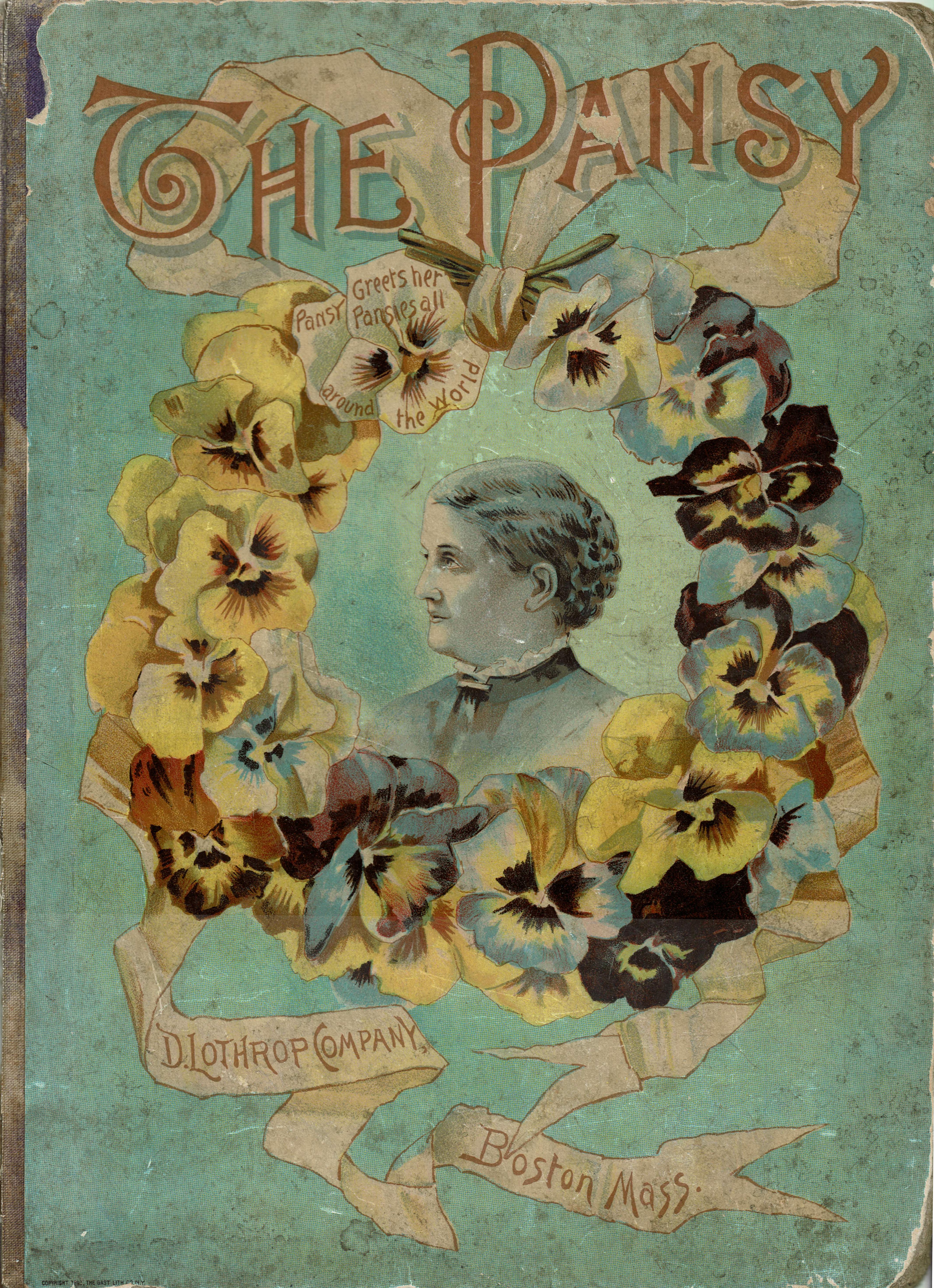
In 1891 when Isabella Alden was the editor of The Pansy magazine, she took up a very special project on behalf of her readers.

She wrote to several prominent Christian leaders and asked them to share the one thing they wished they had done, or not done, or managed differently in their lives.

Banner that reads "Things Some People Regret" in an old-fashioned Victorian type. Beside the text is a single pink rose.

Quite a few of the replies she received were from well-respected ministers who had regrets about their early Christian life. Here are a few:

“I regret that in my boyhood I did not read the Bible more, and did not memorize a greater number of its most precious promises.”

E. Hez Swem
Pastor, Second Baptist Church, Washington D. C
.

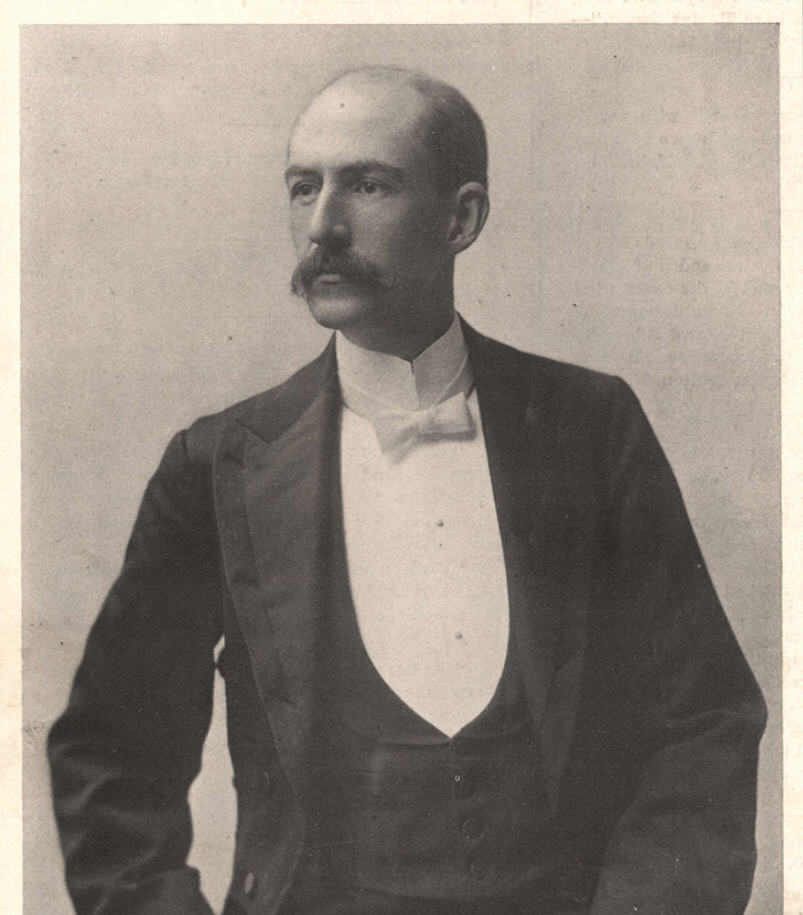
Old black and white portrait photograph from about 1890 of a middle-aged man. He is balding and his hair is closely cut. He wears a dark suit with a vest, white shirt with a high collar, and a white bow-tie.
Pastor E. Hez Swem

“My most painful regret in regard to my early life is, that I did not become a member of the Church before my mother died, that she might have carried into eternity the comfortable knowledge of the fact that her only child was on the Lord’s side, a thing she greatly desired. It was simply postponing my public profession; and she died without the sight!”

Charles F. Deems
Pastor of the Church of the Strangers, New York, New York

“There is nothing in my life that I regret so frequently and so deeply, as that I was not a more earnest and active Christian during the years of my college life. A professed Christian when I entered the institution, though without a thought of the ministry of Christ, my life was largely one of spiritual idleness. It was in the future that I hoped to serve my Master. Present opportunities were neglected.”

Rev. Henry Darling, D. D.
President of Hamilton College

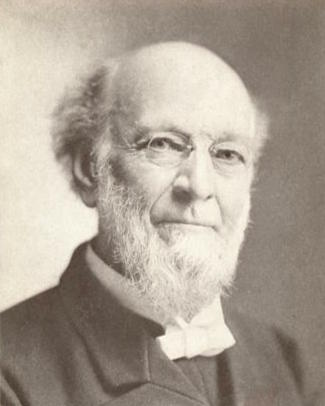
Old black and white portrait photograph from about 1890 of an older man. He is clean shaven and his wavy hair is white or grey and arranged neatly. He wears a dark suit with a white shirt and high collar, and a dark bow-tie.
Rev. Henry Darling

Some of the responses were about not making the most about the time they were given:

“I look back over my life and feel as if I had walked like one with a string of priceless pearls in his hand, and the cord had been carelessly broken, and they had slipped off one by one as I walked, and were forever lost. Only the days are so much more precious than pearls!”

J. H. Ecob, D.D.
Pastor Second Presbyterian Church, Albany, New York

“The great regret of my life is my failure to realize the value of life till the larger part of it has slipped away. I have always been what might be called “a busy man,” but the thing which troubles me is, that I have for the most part been busy with trifles, and have trifled so much with life’s real business.”

P. S. Henson
Pastor, Baptist Church, Chicago, Illinois

A few wrote about not recognizing the value of opportunities they let pass:

“I greatly regret an early want of thoroughness. I was too willing, in my early days, to let a hard thing balk me. Such an enemy of early unthoroughness has been in my late days a miserable and plaguing nuisance.”

Rev. Wayland Hoyt
Pastor, Baptist Church, Minneapolis, Minnesota

 “I regret having failed to understand the value of such accomplishments as may be gained along with a more substantial education. For instance, I do not know music, so useful to a pastor, as well as so important to a father as an aid to making his home pleasant to his children. I might easily have gotten it in spare hours at any time before entering my profession; but now there are no spare hours! This is only one of several things that I once underestimated, but whose value I now see very clearly.”

Dr. Teunis S. Hamlin
Pastor of President William Henry Harrison
Pastor, Church of the Covenant, Washington, D. C
.

Old black and white portrait photograph from about 1890 of a man in his thirties or forties. His hair is closely cut and he wears a neatly trimmed beard and mustache. He wears a dark colored suit with a white shirt and white tie.
Dr. Teunis S. Hamlin

Isabella and her husband were close friends with Rev. George Hays, who wrote the next “regret.” She noted that despite Rev. Hays’ many plans for his life, he was instead “led, as a child, by his Father’s hand.”

“The number of foolish ambitions that entered my head when young was large. The hard work done to fit myself for places from which God’s good providence saved me, is not any part of my regrets. Not one of the positions I wanted did I ever get.”

Rev. George P. Hays, D.D., LL.D.
Pastor Second Presbyterian Church, Kansas City, Missouri

Some “regrets,” like this one, were about showing kindness to others:

“I regret that I have not better acquired the art of pleasantly acknowledging the kindnesses shown me, and of showing my appreciation of people whom I really do appreciate. My influence with many would be greatly increased if I could but make them understand how warmly my heart goes out to them.”

Dr. William J. Beecher
Professor of Hebrew in Auburn Theological Seminary

Old black and white portrait photograph from about 1890 of an older man. His hair is closely cut and he wears a beard, but no mustache. The top button of his suit coat is right below his neck. Beneath it he wears a white shirt with a high collar that covers his neck, and a necktie arranged with a large knot.
Dr. William J. Beecher

Last, but not least, is a letter Isabella received and almost didn’t share, because she didn’t want it to appear she was praising her very own magazine:

“The greatest regret that I have for lost opportunities in my youth is that I did not have the benefit of such magazines as The Pansy. No amount of reading in after years can make up for this serious loss in youth. I feel this so keenly that I seek every opportunity in my lectures and writings to impress upon parents the necessity of feeding the minds as carefully as they are wont to feed the bodies of the young immortals entrusted to their care. So I thank God for The Pansy, which has such a sweet, tender, yet strong way of putting thoughts into the heads and hearts of the young people.”

Helen M. Gougar
Attorney, newspaper journalist, and women’s rights advocate

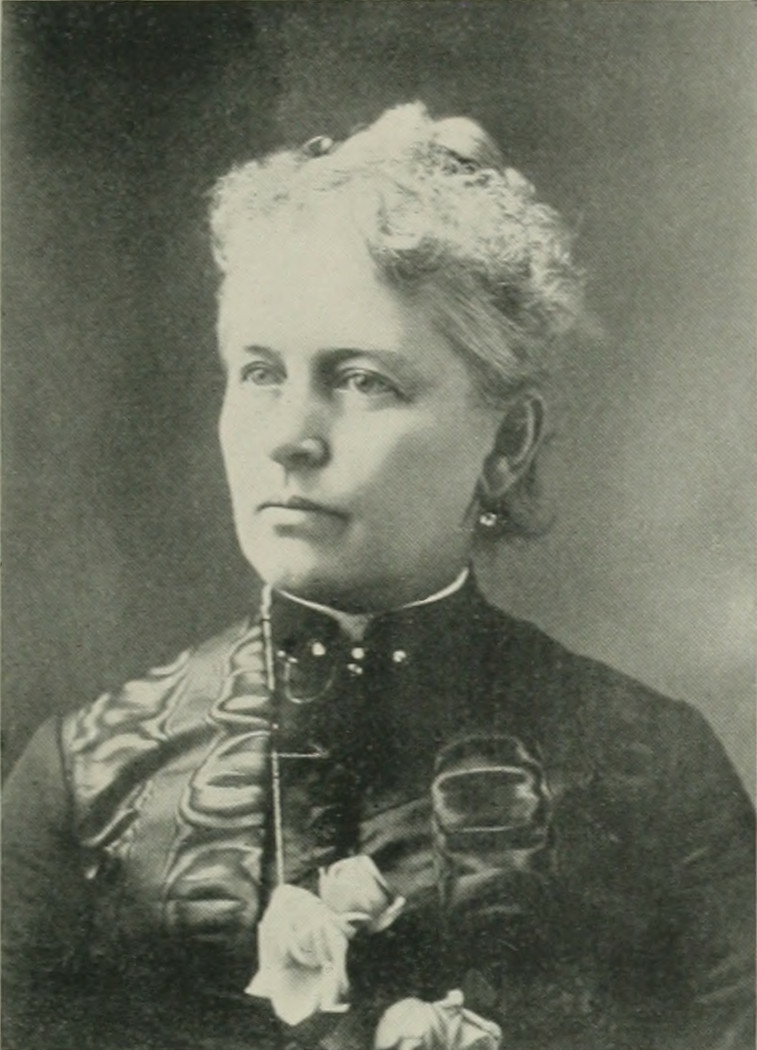
Old black and white portrait photograph from about 1890 of an older woman. Her hair is white and is styled in a loose arrangement at the top of her head. She wears a dark dress with a high collar that fastens down the front. In between fastenings she has inserted a few flowers.
Helen M. Gougar

There are many adults today who will agree with Mrs. Gougar!

WHAT DO YOU THINK OF THE REGRETS THESE CHRISTIAN LEADERS SHARED?

WHAT REGRETS WOULD YOU ADD TO THIS LIST?

Why?

As a teacher and a parent, Isabella must have often found herself from time to time on the receiving end of a child’s relentless “Why?” questions. She probably understood that asking “Why?” is an important part of a young child’s learning process, and that it’s more than just a question; it’s a peek inside their busy minds, showing their natural drive to understand the world around them.

In many of the articles she wrote for The Pansy magazine, Isabella demonstrated how astute (and patient) she was in answering the many “Why?” questions she received from her young readers.

In 1891 she published this article that addressed children’s “Why?” questions about Easter:


“Why do people use eggs at Easter?”

“Why do they call a certain day in the spring Easter?”

“Why do Easter cards so often have pictures of butterflies on them?”

Let me see if I can answer your questions. Let me begin in the middle: “Why do they call a certain day in the spring ‘Easter’?”

Away back in the days when people had a great deal to do with imaginary “gods” and “goddesses,” there was one named “Ostara,” who was called the goddess of the spring; our fourth month of the year was set apart for her special service, and called “Eostur-monath,” or “Easter month.”

The heathen festivals in honor of Ostara were times of great rejoicing. The people were so glad that the season for the resurrection of flowers and vines and plants had come again, that they built great bonfires, and with wild shouts and many strange customs, showed their joy. They called it the “awaking of nature from the death of winter.”

An old greeting card showing a bird and her nest of four eggs in a cherry blossom tree. The caption reads, "Easter Greeting. May sweet Hope, the hope of Eastertide, In your heart for evermore abide."

After many years it became the custom for Christians to choose the same time of year for their festival in honor of the “awaking of Jesus from the death of sleep.” So that “Easter” today means to Christians the glad day when Jesus Christ arose from the grave.

Illustration of a wooden cross with cherry blossoms twined around it and a butterfly resting on one of the flowers. The caption reads, "He is Risen."

Now for the second question:

“Why do people use eggs at Easter?”

That is an old, old thought handed down to us. When the festival was held entirely in honor of the return of spring, eggs seemed to be used as symbols of life. As from the apparently dead egg life sprang forth, after the mother hen had brooded over it for awhile, so from the apparently dead earth the life of nature started forth anew. This was the thought.

An old greeting card with an illustration of a chick just hatched as it stares down into half of its  former egg shell while the other half is on his back.. Nearby are two brightly dyed pink and red Easter eggs and a small bouquet of blue flowers. A caption reads "Easter Greetings."

The Persians used the brightly-colored eggs as New Year presents in honor of the birth of the solar year, which, you know, is in March!

Illustration of a basket of Easter eggs brightly colored in pink, white, yellow and blue. Behind them is a green glass vase holding an arrangement of white  daisies with bright yellow centers.

Christian people have held to the same symbol to represent their faith in the life after death. And in this connection I can best answer that third question about “butterflies.”

Did you ever watch a slow-crawling caterpillar with his awkward, woolly body and sluggish ways, and wonder how it was possible that such a creature could change into the brilliant butterfly, whose swift, graceful circlings through the air charm all eyes? If you have, I think you have answered your own question. Where could we find in nature a better symbol of the wonderful difference between these slow-moving, easily stopped, rather troublesome bodies of ours, and the glorious bodies promised us some day?

Illustration of a group of four children frolicking on a grassy hill. Three of the children pick wild flowers while a fourth reaches up to touch one of four butterflies hovering near them. Nearby a white rabbit sits beside some colored Easter eggs and in the background white sheep and lambs feed on the grass. A caption reads "Loving Greetings and best wishes for a Happy Easter."

More than that, when the caterpillar weaves a coffin for himself and shuts himself into silence and immovableness, does it not seem as though his life was ended? Haven’t you had some such thought when you stood beside an open grave? How still and cold and utterly lifeless the body is which is being placed therein. Is it possible that it can live again?

Illustration of three butterflies hovering near a vase of white and pink roses. Beside them a poem reads "Fair Days. Joy fill your heart, and gladness your days, with content never part, through life's varied ways."

“Oh, yes!” says the butterfly. “Look at me; I was a worm, and I crawled away and the children thought me dead. See me now! If God so clothe the worms of the dust, shall he not much more clothe you, O, ye of little faith?”

Almost as plainly as though he had a tongue, the bright-winged butterfly speaks to me.

Illustration showing three butterflies with their orange, yellow, and black wings spread. Beside them reads "He hath made every thing beautiful in his time."

A better emblem than the egg, I think it is, of the wonders of resurrection; but the egg is the universal emblem. Nearly all nations, and all classes of people, think a great deal about Easter eggs, and spend much time in making them beautiful. Isn’t it a grand thought that such simple, every-day objects are able to remind us of the glory which is to come to those who “love His appearing.”

Pansy.


What do you think of Isabella’s answers to the children’s “Why?” questions about Easter?

What is the most memorable “Why?” question a child ever asked you, and how did you answer?

Kind Hearts

In 1876 Isabella was firmly established in her new role as editor of The Pansy magazine, although the entire enterprise was a family affair. Isabella’s husband, sister, brother-in-law, and friends all contributed articles and stories to each issue of the magazine.

Isabella’s husband, the Rev. G. R. “Ross” Alden, wrote Bible study lessons, stories, and poems for the magazine. His talent was creating lovely rhymes with messages that were meaningful for both children and adults.

Here’s one of Rev. Alden’s poems that expertly blends a message on kindness with a celebration of the first day of spring:

Image of a basket overflowing with gold, white and purple pansy flowers. Below is a poem titled "Kind Hearts."
Kind hearts are the gardens,
Kind thoughts are the roots,
Kind words are the blossoms,
Kind deeds are the fruits;
Love is the sweet sunshine
That warms into life,
For only in darkness
Grow hatred and strife.


You can read more of Rev. Alden’s poems in these previous posts:

Welcome, April!

September

Two of Us

A Letter from Ida White

It’s difficult to describe how incredibly popular The Pansy magazine was. As the editor, Isabella received hundreds of letters every month from parents and children. Sometimes they wrote in response to a question Isabella posed in an article or story. Sometimes children wrote stories of their own and sent them to Isabella for her feedback.

Other times children confided their problems to Isabella and asked for her advice; others simply wrote to tell Isabella about their day.

Photo of a small desk, set beneath a window. On the desk is a piece of paper; at the top of the paper is written "Dear Pansy." Beside the paper on the desk is a pencil and some books with old-fashioned leather covers and spintes.

In 1891 a little girl named Ida White wrote a letter about her family and home life that Isabella found so charming, she published the entire letter in The Pansy magazine for all her readers to see. Here is Ida’s letter.

Dear Pansy:

My hair has grown out in curls about three inches long all about my face and neck.

We have a little baby at our house, which we call Blue-eyed Pansy. His name is George Washington.

Both of my little brothers are tongue-tied, and have two toes on the same foot, grown together. They are as much alike as twins could be, only one is nine years, and the other three months old. Mamma took him to church last Sunday and he squealed; she took him out in the hall, and he squealed there; then she took him out in the yard, and gave him a roll on the grass. He cannot talk, but he has heard the word “look” so much, that he tries to say it, or seems to.

We have a little dog named “Tip.” He is about the size (and my sister thinks he is almost as sweet) as a pound of yellow sugar. We have four little kittens; their names are Adams, Lincoln, Jefferson, and Grant. We live on a farm in a two-story house, a mile and a half west of the village. We have two hundred little chickens.

A small puppy peers at a little chick that has just hatched and still has a bit of egg shell on its head.

A little oriole built its nest on a tree in our front yard; then a cuckoo stole the nest, and they brought up their families together. We have pansies blooming on the north side of the house. We have flowers from March till frost; and plenty of beautiful little hummingbirds, and innumerable bumble-bees.

I have an uncle living in California that mamma and I never saw; when he comes to see us, I will tell you about California. I would like to go to New York, and to Niagara Falls, and to see the ocean.

I think it is real good and kind of you to read other people’s children’s scratching, and give them a chance to write; and I love you for it. I hope your Ray will live till he is a man, for I think he will be a good and benevolent gentleman. You may publish my letter if you want to.

Good-by,
Ida White.

In the last paragraph of her letter, Ida mentioned Isabella’s son “Ray.” At the time, Raymond Alden was three years old and the apple of Isabella’s eye. She often shared little stories in the magazine about his antics and mentioned him when she replied to children’s letters (“No, we haven’t any dog; but our Ray, whenever we ask him what he would like to have for a birthday present, says, “A big, black dog.”).

By all accounts, Ida’s wish came true, for Raymond Alden grew up to be a well-loved, well-respected and extremely “benevolent gentleman.”

New Free Read: Doctor Dunmore’s Prayers

If the surname “Dunmore” sounds familiar to you, you’ve probably read Isabella Alden’s novel, Miss Dee Dunmore Bryant.

In that book about the adventures of the Bryant family, Judge Dunmore was a kind and generous man who befriended the Bryant children and helped improve their fortunes.

Isabella must have liked the surname “Dunmore,” because six years earlier, she used the same name in a short story she published in The Pansy magazine. In the short story, the kindly and wise gentleman named Dunmore was a physician who went above and beyond his Hippocratic Oath to heal the heart of a badly injured patient.

“Doctor Dunmore’s Prayers” is this month’s free read.

Book cover of an old-fashioned kitchen from about 1900 with wooden cupboards. In the foreground is a wooden table covered with baskets and plates of fruits, vegetables, and breads. On the floor beneath the table are bags and baskets of potatoes. The book title is "Doctor Dunmore's Prayers." The author name is "Isabella Alden."

When Mr. Greyson is badly injured at work, Dr. Dunmore does all he can to repair the man’s damaged body and orders him to bed. But with no income, the Greyson family is soon in dire straits and desperate for help. What else can the doctor do to help restore the man’s health and faith?

You can read “Doctor Dunmore’s Prayers” for free!

Choose the reading option you like best:

You can read the story on your computer, phone, tablet, Kindle, or other electronic device. Just click here to download your preferred format from BookFunnel.com.

Or you can select BookFunnel’s “email” option to receive an email with a PDF version you can read, print, and share with friends.

The Governor’s Son Giveaway!

Before Isabella published a new novel, she often shared the story in chapter-by-chapter installments in magazines. One example is her novel Christie’s Christmas. Before it was published in 1885, part of it appeared in The Pansy magazine under the title “Christie at Home.” Then the magazine’s publisher advertised the story in newspapers across the country:

Newspaper clipping: An everyday and Sunday visitor and friend in your home. In the first place: There is the new cover, dainty and sweet from top to bottom, an index to the fresh, attractive interior. Second: Mrs. G. R. Alden ("Pansy") has written a new serial entitled "CHRISTIE AT HOME," one of her invigorating, strong efforts towards making true men and women of the boys and girls of to-day, and the boys' and girls' fathers and mothers. As fascinating as all her books, is this latest story.
From The Perry County Democrat (Pennsylvania) newspaper, November 5, 1884.

When Isabella’s niece, Grace Livingston Hill began her writing career, she followed suit. Several of her short stories and novels first appeared as serials in magazines before the complete story was published in book form.

In 1905 Grace’s novella The Governor’s Son was published as a serial in a Christian magazine. Then, in 1909, the same story appeared as a serial in a British magazine. Both publications included lovely pen and pencil illustrations of some of the story’s key scenes.

The Governor’s Son is about a young woman named Leslie who spends the summer with her sister and cousin at a seaside resort. Here’s one of the magazine illustrations showing Leslie befriending an elderly woman while on the train to the resort, as her sister and cousin look on.

Illustration of the interior of a train. An elderly woman sits on a bench as a young woman stands beside her in the aisle, offering her a cup of water. Two young ladies are seated behind the elderly woman, watching. In the background another passenger reads a newspaper.

That small act of kindness earns Leslie a new friend, and she and the elderly woman spend quite a bit of time together on the seashore.

Illustration of a young woman in white sitting beside an elderly woman on the beach as they sit under an umbrella near a formation of rocks. The young woman is reading a book. In the background a fisherman tends to his row boat and sailboats sail on the ocean.

The Governor’s Son was never published in book form, but all the complete magazine issues survived, so the story could be pieced together; and it’s now available for purchase on Amazon.com.

The Giveaway:

We’re giving away five e-book copies of The Governor’s Son by Grace Livingston Hill!

Book cover showing a young woman in a long white dress, holding a sun bonnet in her hand, standing at the steps of a piazza as she looks out to sea.

Shy, lovely Leslie Graham would rather spend her summer at home reading a book, but her parents insist she accompany her sister Anna to a seaside resort, where the sisters’ differences quickly come to light. While Anna tries to mingle with the resort’s most fashionable and wealthy inhabitants, Leslie makes friends with sweet, elderly Mrs. Hamilton, who likes to watch the ocean, quote Bible verses, and talk about her son. And when Mrs. Hamilton’s son arrives, Leslie realizes Chauncey Hamilton is just as thoughtful and handsome as his mother described. In the face of such kindness, Leslie can’t help but prefer to spend her days and nights with Chauncey and his mother, even as Anna plots to pull her in a more worldly and dangerous direction.

To enter the drawing, just leave a comment below or on Isabella’s Facebook page no later than midnight (EDT) on Thursday, September 14.

The five winners will be announced on Friday, September 15. Good luck!

If you love Grace Livingston Hill stories and can’t wait until Friday to read The Governor’s Son, you can purchase your copy of the novella by clicking here.

Remember: You don’t have to own an Amazon Kindle to read The Governor’s Son. Just download Amazon’s e-reader app to read the story on any electronic device.


This post is part of our 10-Year Blogiversary Celebration! Join us every weekday in September for a fun drawing, giveaway, or Free Read!

Pansy’s Letter-box

In 1876 Isabella Alden was serving her second year as editor of The Pansy magazine. At that time the magazine was published monthly and by all accounts, it was a success!

Children regularly wrote letters to her, telling how much they enjoyed an article or story. Some sent in word puzzles they had made, in hopes their puzzles would be published to delight (or possibly stump) other readers.

They also wrote to Isabella about their birthdays, how they spent a holiday, and the difficulties they encountered in daily life.

A little boy picks up a little girl up so she can put a letter in a post office mailbox. In the foreground is an envelope addressed "To Pansy"

Here’s a letter a boy named Orvie B. Strain wrote to Isabella about the fun he had on April Fools’ Day.

Dear Pansy: 
I will tell you some of the funny things that happened to me April first. I took an empty oyster can, done it up in brown paper, and laid it on the sidewalk. A young man came along, looked at it a minute, and then kicked it off the sidewalk, and I didn’t watch it any longer. Late in the afternoon, I went to look for it, and I found it all mashed fine. 

As I came from the post-office, I forgot about its being April fool-day. I saw a two-cent piece lying on the side walk; I stopped to pick it up, and it was nailed fast. I had lots more fun, but I’ll not write about it this time. I am nine years old. May I belong to your ‘Pansy bed?’ This letter is written with my left hand.
A little girl holding a bundle of letters stands in front of a post office mailbox. Beside her a little dog holds a letter in his mouth.

Not only did Isabella publish many of the letters she received like Orvie’s, she replied to them all! Sometimes she sent individual replies by mail. Other times she simply wrote a quick reply in the next issue of The Pansy magazine.

Here are a few of those replies from the June 1876 issue of The Pansy. They give us a glimpse into Isabella’s personality and how she interacted with children:

LENA DARLING: 
Delighted to hear from you, my darling. The story is good, and will appear in The Pansy one of these days. Give my love to “Rubie.”
NELLIE MILLS: 
Such a nice little printed letter, with three new people in it! I am glad you think the Pansy “very nice.” Do you know, little darling, that you make Ns up-side down?
FRANKIE PAGE: 
I am glad that you have learned to write. Fifteen cows! Oh my! Can you milk any of them?
A large dog holds a letter in his mouth and stands on his hind legs so he can place the letter in a post office mailbox.
LAURA KESSNER: 
Welcome to the Pansy bed. You must wait patiently from month to month. Pansies have to grow, you know.
IDA T. DERBY: 
How many words did you miss at spelling school? Tell us all about it. Are there no little people in your “garden,” to make a Sunday-school of? Can’t you start one?
BERTHA WOLCOTT: 
I am glad to hear you think so much of our paper; but you must not expect Pansies to blossom every week! You have made a splendid selection of verses for your acrostic [puzzle].
A little girl in a pink dress and hat holds a large bouquet of purple and pink flowers in one hand. In her other hand she holds an envelope with a red was seal.
CHARLIE FISK: 
Your puzzle is good. It will appear in The Pansy some time. Are you practicing on your verses?
PUELLA HALBERT: 
Have you enjoyed my visits? May you be one of His “little ones.” We must all keep young hearts. See Matthew xviii. 3.
IDA MAY HATFIELD: 
There was good news in your letter. It is very easy to “live a Christian life,” if we always “love to pray.”
JOSEPH WASSON: 
We too have a pony, and his name is Tony. We haven’t any dog; but our Ray, whenever we ask him what he would like to have for a birthday present, says: “A big, black dog.”
A little boy and girl stand at a mail box. The boy holds open the lid of the mail deposit slot so the girl can slip a letter inside.
WATSON BEAR: 
I’ll answer your questions with pleasure. There’s a lady edits the paper, and her name is Pansy, and ever and ever so many thousands of children take it. You write a letter to all the Pansies, and if it isn’t more than twelve lines long, I’ll publish it. That is a good idea.
HORACE A. STRAIN: 
Yes, indeed; you shall belong to the “Pansy bed.” Will you be a great, purple Pansy, or a little bit of a white one? You got pretty high up in school, didn’t you, and only seven years old? Well done.
EVA HATFIELD: 
Welcome, Eva. We shall not consider you a stranger any longer. We all belong to the same garden. I hope we are all trying for the same home.
A little girl in a blue coat and hat holds a letter close to her chest. She stands beside a post office mail box. A little dog peaks from behind the mail box, watching her.
ALBERT P. OVERMAN: 
Poor little Ralph, or, rather, Ralph’s mamma. How sorry we are for her! You miss him from the Sunday-school, but think what a great army of Sunday-school children he has joined!
MINNIE L. SMITH: 
The puzzle is very nice. It will appear just as soon as we get to it, but there are about twenty-five ahead of you. I am glad you like The Pansy so much. We are going to make it semi-monthly one of these days. What was your prize, and for what was it given? Kiss “Tidy” for me. I think Benny gave her a very pretty pet name. I am glad of the good news about yourself.

Two of Us

Isabella’s husband the Reverend G. R. Alden regularly wrote poems, which were published in The Pansy magazine. In June 1891 he celebrated the closeness of siblings with this delightful poem:

"Twice one is two." 
That's a text for you. 
Whether at work or play,
Whether by night or day,
Whether in school or store, 
On table, or shelf or floor, 
This is the thing we do — 
We prove the rule is true.
One cannot truly love alone, 
No more than could a granite stone; 
Better eat dinner without bread, 
Or think sweet thoughts, without a head.
The heart all empty is, you see, 
And one must enter there and be 
The tenant, and fill up the hollow, 
Just like the dinner you would swallow.
Quarrel alone! That would be funny! 
Sooner have bees, but never honey! 
Better a cart with but one wheel, 
Better a flint, with never a steel.
With half a shears, if you were clever, 
You might do work; but you could never 
Quarrel alone, in all your life; 
Someone must help you in the strife.
S'pose that is why God made us two, 
That we might love each other true; 
Not hate and quarrel, scratch and fight, 
So drive away his love and light; 
But helping each, in work or play, 
We'll hurry on the heavenly way, 
And by and by together stand, 
Before his throne, each hand in hand.

G. R. Alden

Free Read: The Old Brimmer Place

Last week’s free read, The Little Red Shop, first appeared in The Pansy magazine and told the story of the Brimmer children—Jack, Cornelius and Rosalie. They started their own business to help support their mother and baby sister, and made a great success of it!

But author Margaret Sidney knew that with great success comes great responsibility—a lesson she illustrated in this week’s free read, The Old Brimmer Place.

The Brimmer family’s adventures continue as their little red shop prospers and thrives. But when Jack discovers a neighbor’s shameful secret, he, Corny, and Rosy can’t agree about what to do about it. Should they help their neighbor? Or should they ignore friends in need and simply concentrate on their business?

You can read The Little Red Shop for free!

Choose the reading option you like best:

You can read the story on your computer, phone, tablet, Kindle, or other electronic device.

Just click here to download your preferred format from BookFunnel.com.

Or you can select BookFunnel’s “My Computer” option to receive an email with a version you can read, print, and share with friends.

Remember: March is Margaret Sidney month!

Join us next week for another story by Margaret Sidney you can read for free!

Did you miss prior weeks’ Margaret Sidney free reads? Click below to read them:

How Tom and Dorothy Made and Kept a Christian Home

The Little Red Shop

Our Fashion Plate

Isabella was 26 years old in 1867, when a new women’s magazine called Harper’s Bazar was launched in America.

Harper’s Bazar was different from other women’s magazines—like Godey’s Lady’s Book—because it was published weekly, rather than monthly. Its content was exclusively directed toward women. Each issue featured stories, decorating advice, recipes, instruction on home economics, needlework patterns, and, of course, fashion plates.

Illustrated cover of Harper's Bazar shows a woman in a white gown with black horizontal stripes at waist and hem. She wears a black and white fascinator-style bonnet. She stands at a metal railing atop a rock lookout. A text box reads, "A weekly journal of fashion devoted to every interest of woman and the home."
An 1896 cover of Harper’s Bazar, from the New York Public Library.

The fashion plates detailed the latest clothing trends from Paris and New York. By the late 1890s, most issues of the magazine featured hand-colored engravings of gowns, coats, bonnets, shoes, and just about every other article of clothing a lady could imagine.

An 1891 fashion plate, featuring a colored illustration of two women modeling clothes. One woman is dressed in a brown gown with a high neck and long sleeves puffed at the shoulders. The neckline, wrist cuffs, and floor-length skirt are trimmed in ribbons. She carries a folding fan and wears a brown bonnet adorned with large ribbon bows. The other woman wears a blue dress, also featuring a high collar and long sleeves with puffs at the shoulder. Her gown is decorated with lace at the neck, bodice, and cuffs. The floor-length skirt is draped in front with bows; in back the skirt is pleated from waist to hem, where more lace decorates the skirt.
An 1891 fashion plate

The magazine had a great influence over women in all walks of life. Isabella wrote about that influence in her novel Divers Women, when she described Kitty, who worked as a clerk in a dry-goods store and devoted almost all of her salary to recreating the fashions she saw in magazines:

Miss Kitty Brown was a tall slender girl with a very small waist, and a pale, rather pretty face. She was gotten up in the style of the last fashion plate. She wore trails and high heels, and bows, and frizzes, and puffs, and jewelry, and a stylish little hat with a long plume. She had a sky-blue silk dress with ruffles, and pleatings, and ribbons innumerable, and a white Swiss muslin and a pink muslin that floated about her like soft clouds.

An 1894 fashion plate, featuring a colored illustration of two women modeling clothes. One woman is dressed in a green skirt, green open jacket and white shirtwaist. Pearl-like trim is attached to the high collar, the lapels and cuffs of the jacket, as well as the hem of the skirt. She carries a parasol and wears a small green bonnet. The other woman wears a pink gown with high collar and floor-length skirt. The sleeves have a large puff from shoulder to elbow; from elbow to wrist is lace. The bodice has a large collar that is fastened at the bosom with a large artificial flower. The skirt has large vertical panels of white lace trim that are attached to the skirt at varying heights. More large panels of lace trim encircle the hem.
An 1894 fashion place

In creating Kitty Brown, and other female characters, Isabella often conveyed the message that ladies who dressed as Kitty did were uneducated, lacking in taste, and prone to take fashion to extremes.

Isabella objected to seeing women dressed in an “accumulation of silk, and lace, and flounce, and ruffle, and fold, and double plaits, and single plaits, and box plaits, and double box plaits, and fringe, and gimp, and ribbons, and bows.” That’s how she described the trends that were fashionable when she wrote her novel, The King’s Daughter.

An 1896 fashion plate, featuring a colored illustration of two women modeling clothes. One woman is dressed in a brown gown with a plain skirt. The bodice has a high neck trimmed with lace. At the shoulders are a large, stiff panels of fabric that extend the gown's shoulder line horizontally. Below the panels are large puff sleeves that extend from the shoulders to below the elbows. The remaining sleeve from below the elbows to the wrists are fitted and adorned with lace. The bodice has a wide lace trim above the bosom; vertical lace panels trim the lower bodice to the waist, where there is a large peplum made of lace and other trimmings. The other woman wears an evening dress of light green. The bodice has a low neckline and lace trim below the bosom. The shoulders are adorned with bunches of small purple flowers. The puff sleeves are large and end just below the elbows. Narrow and deep rows of lace trim the hem of the floor-length skirt. The woman carries an ostrich-plume evening fan and wears long white gloves that reach allmost to her elbow.
An 1896 fashion plate

Later in the same book, she sympathized with the many layers of fabric and trim the fashion magazines required “one poor little suffering body to carry around with her.”

She even wrote a brief article for The Pansy magazine about women’s slavery to fashion—an article she flavored it with just a touch of shade:

Our Fashion Plate

Fashion, you know, is a queer thing. It keeps changing and changing without regard to taste, or even to sense, one would think; and as we are fond of getting fashions from abroad, I present you with the picture of two ladies in full court dress. They are from Bombay, which is certainly a large and important enough place for us to give attention to their style of dress.

Woodcut engraving of two women standing in front of the high wall with beautiful carvings in the stone. They are dressed in traditional clothing of India. On their forearms they wear large cuff bracelets; their feet are bare.

You will notice that they have taken special pains with their embroidery and jewelry. I doubt whether we could match the bracelets in this country, in size, at least. But what about the feet! How should you like a fashion that would banish all the pretty kid boots, and scarlet, and navy-blue, and brilliant plaid stockings, and oblige us to dress just in our “skin and toes” as a certain little miss put it? Oh, well, there is really no telling what we may come to. I have so much faith in our dear American people that I believe they would follow like martyrs in the bare-footed line, if the next orders from Paris should direct it. Yes, and the little girls would lay aside their kid boots and lovely stockings with a sigh indeed, but they would do it.

As to the bracelets, judging from the size which some ladies and even a few little misses wear now, I am not sure but we could put these large ones on without a sigh; that is, if they cost enough money. Meantime, however, I am rather glad that we don’t live in Bombay. Aren’t you?

What do you think of Isabella’s opinions about fashion?

Do you think that women (and men) pay too much attention to fashion styles and trends?

You can read more about Isabella’s novels mentioned in this post by clicking on the covers below:

.