Isabella’s Glory

In her novel Wise and Otherwise, Isabella wrote about a group of people who lived at a boarding house and the influences they had on each other. One of the residents, Mrs. Sayles, invited her dearest friend Dell Bronson to visit and take a room at the same boarding house. Isabella describes their reunion this way:

Mrs. Sayles went about during the rest of that day with very shining eyes, and very happy, expectant face, which was not shaded in the least when on the morrow she had been sitting for half an hour close beside her friend, and was now with her in her dressing-room, waiting while the rich masses of brown hair were being smoothed and braided into shape.

Isabella knew whereof she wrote. Like Dell Bronson, Isabella also had rich masses of brown hair that she wore in a braid, arranged at the back of her head.
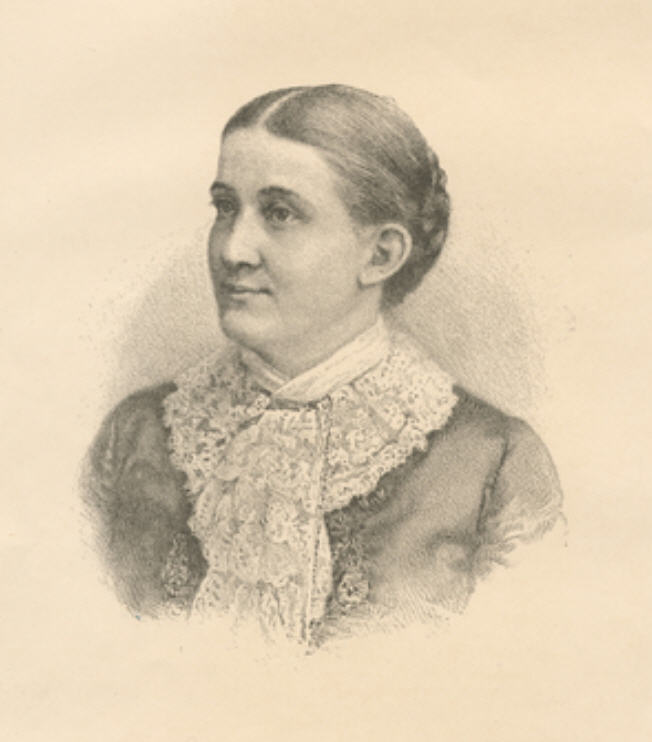
A pencil and charcoal drawing of Isabella as a young woman. Her hair is parted in the middle and drawn to the back of her head where it is arranged in a braided coil.
A publicity image of Isabella, drawn from a photo of her when she was about age 30.

Her niece, Grace Livingston Hill, admired Isabella’s hair, and described it this way:

Her eyes were dark and had interesting twinkles in them that children loved; her hair was long and dark and very heavy, dressed in two wide braids that were wound round and round her lovely head in smooth coils, fitting close like a cap.
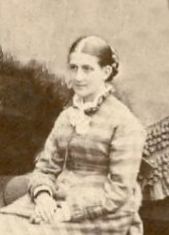
Black and white photo of Isabella wearing her hair parted in the middle and drawn smoothly back into a braided bun at the back of her head.
Isabella about age 35

But that wasn’t all Grace admired about her aunt’s hair. She wrote:

When [her hair] was unbraided and brushed out, it fell far below her knees and was like a garment folding her about.

Black and white photo of Isabella in profile. Her hair is parted in the middle and smoothed back into a braided bun at the back of her head.
Isabella about age 40

Grace went on to confess:

How I adored that hair and longed to have hair just like it! How I even used in secret to tie an old brown veil about my head and let it fall down my back, and try to see how it would feel to have hair like that. Nobody else in the world looked just as lovely as did she.

Black and white photo of Isabella Alden in profile, showing her hair parted in the middle and combed back into a braided bun at the back of her head.
Isabella, about age 60.

Isabella kept the same simple yet becoming hairstyle throughout her adult life.

Are you surprised to learn how long Isabella’s hair was? What is the longest length you’ve ever grown your hair?

Downton Abbey Hair Styles

In her novels, Isabella Alden often described a character’s hair style as an indicator of the character’s personality and lot in life.

Lady Sybil Crawley's hair; Downton Abbey
Lady Sybil Crawley’s hair; Downton Abbey

For instance, Mrs. Carpenter, who took in laundry to support herself and her husband in Her Associate Members, dressed very plainly, “her hair stretched back as straight and as firmly as comb and hairpins will accomplish.”

By contrast, this is how Isabella described wealthy Elsie Chilton in John Remington, Martyr: “Elsie Chilton, dressed in brown, her gold hair in a knot below a jaunty little brown cap, escaping here and there in waves and rings about her forehead.”

There was quite a difference between the two women’s hairstyles. Elsie wore her hair in a fashion that proclaimed her to be a lady of leisure. As a general rule, the more elaborate the hairstyle, the higher the probability someone dressed the lady’s hair for her.

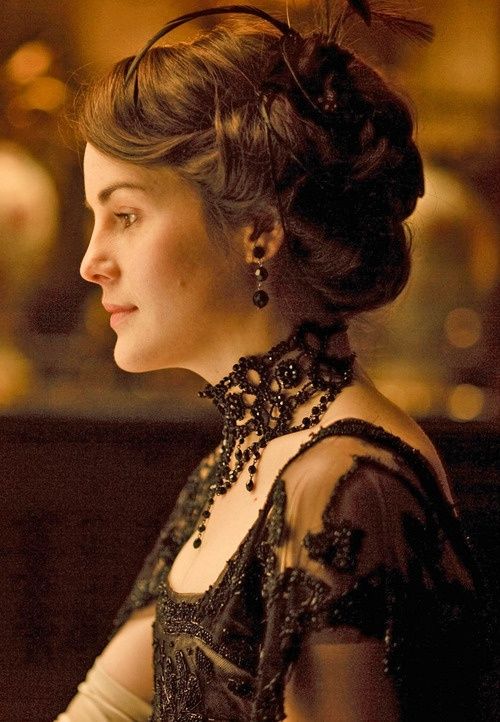
Lavinia Swire, Downton Abbey

If you’ve watched the TV shows Downton Abbey, Selfridges, or The Paradise—all set in the early 1900s—you may have marveled over the elaborate hairstyles worn by the female characters.

Cora, Countess Grantham, Downton Abbey

Ladies of rank—like Downton’s fictional Countess of Grantham and her daughters, Mary, Edith and Sybil—employed maids to dress their hair for them every morning; but the heroines of Isabella Alden’s books lacked such privileges. They had to dress their hair themselves, and it was not an easy task to achieve the fashionable hair styles of the early 1900s.

Lady Mary Crawley, Downton Abbey

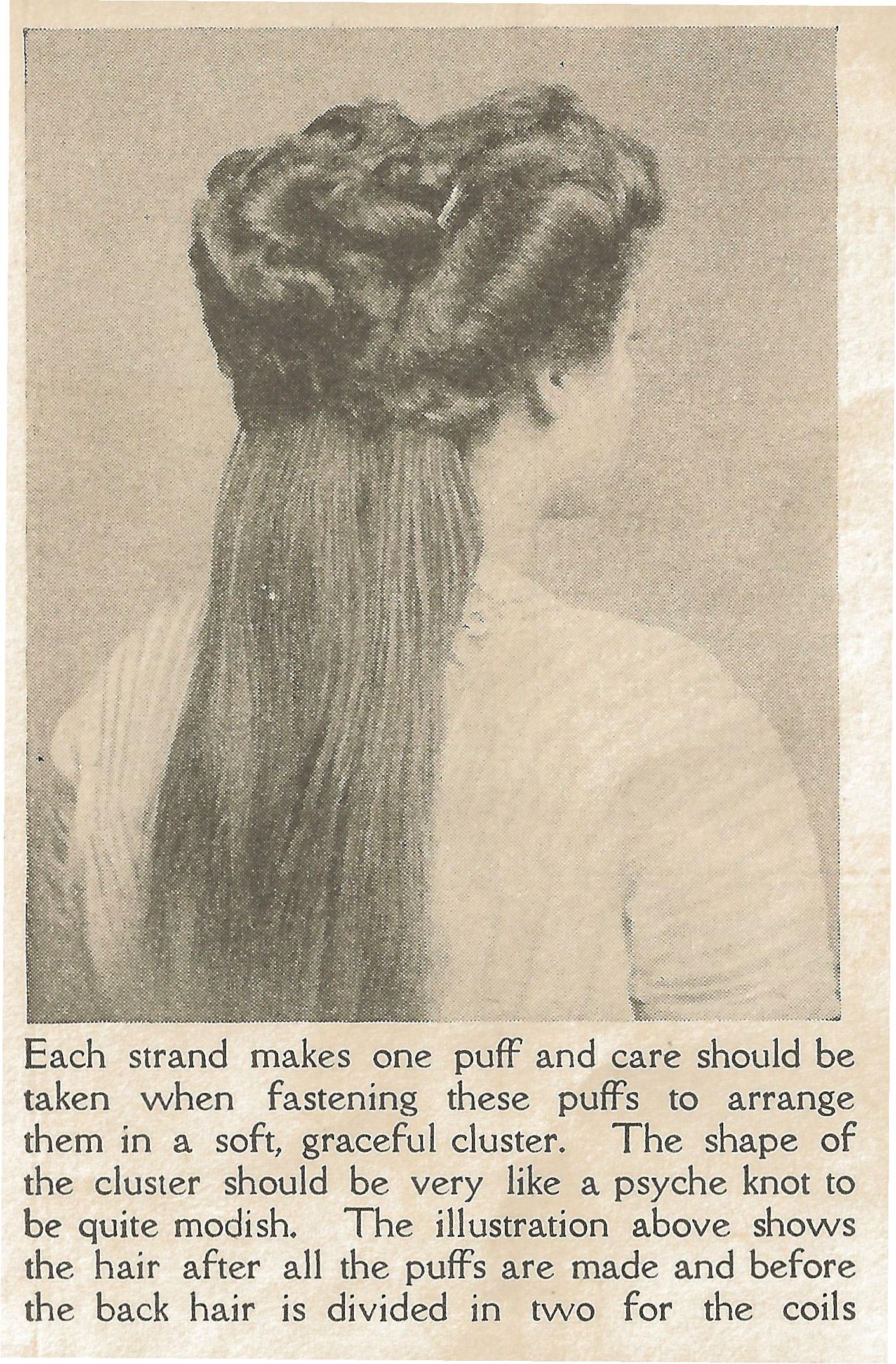
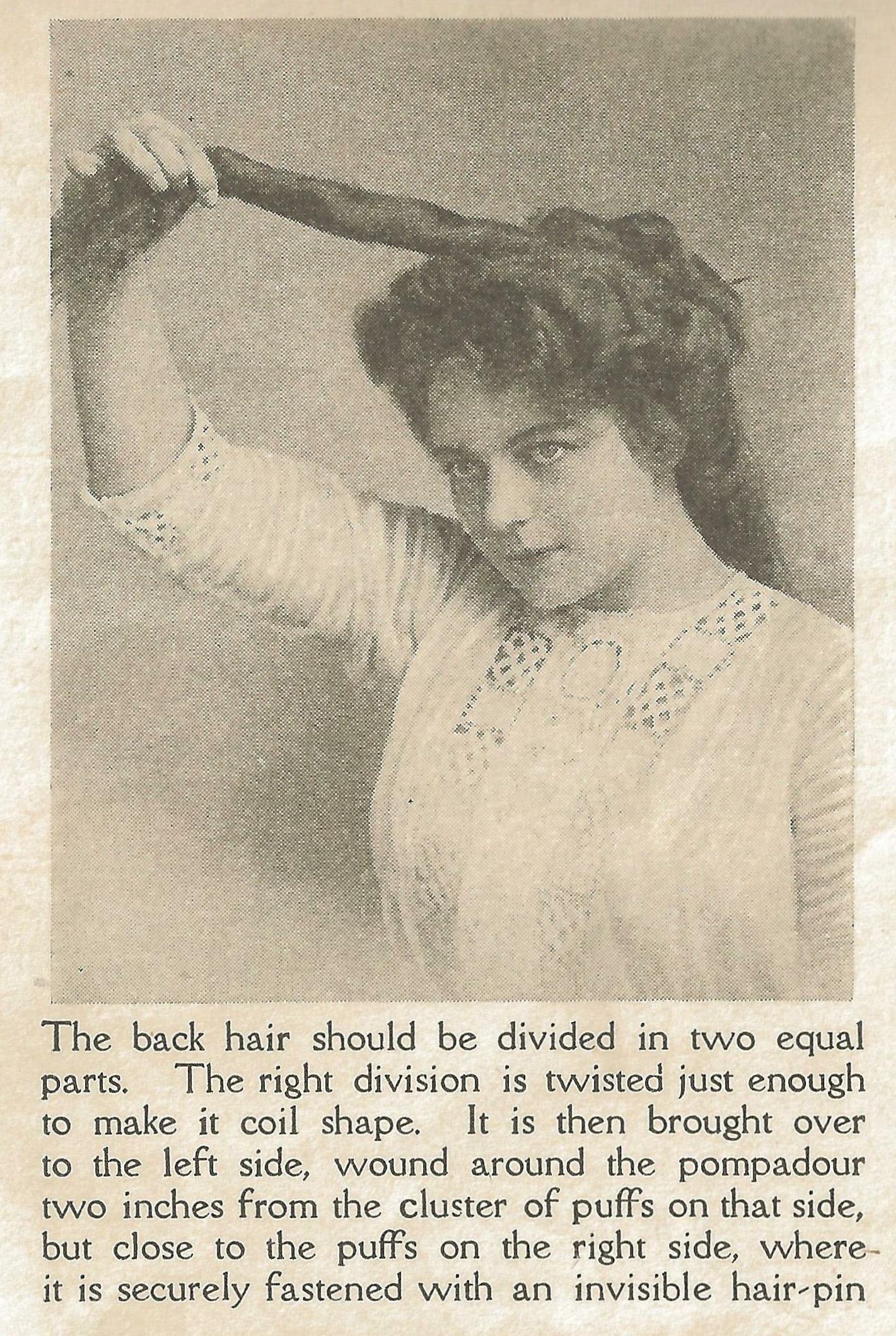
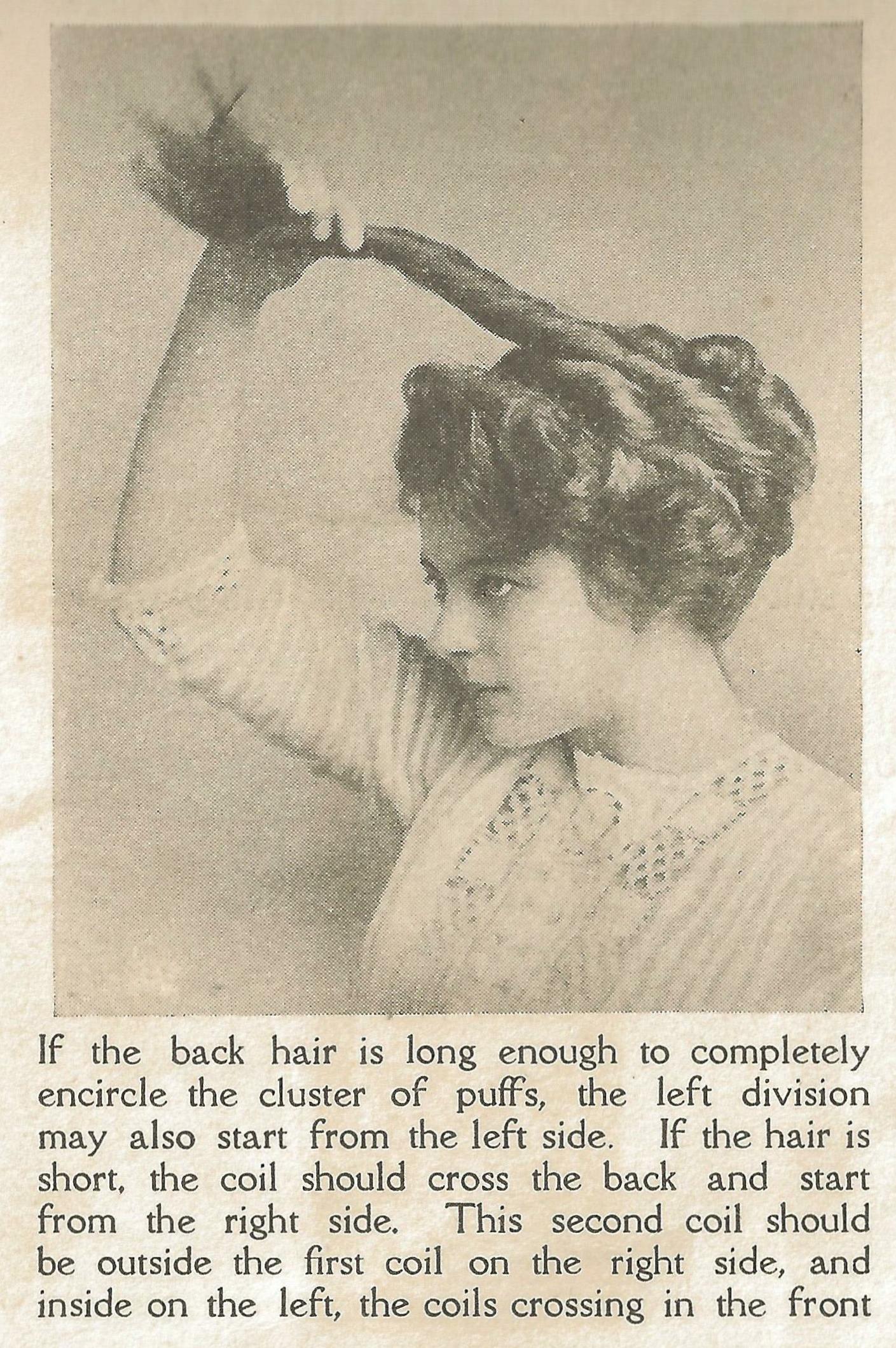
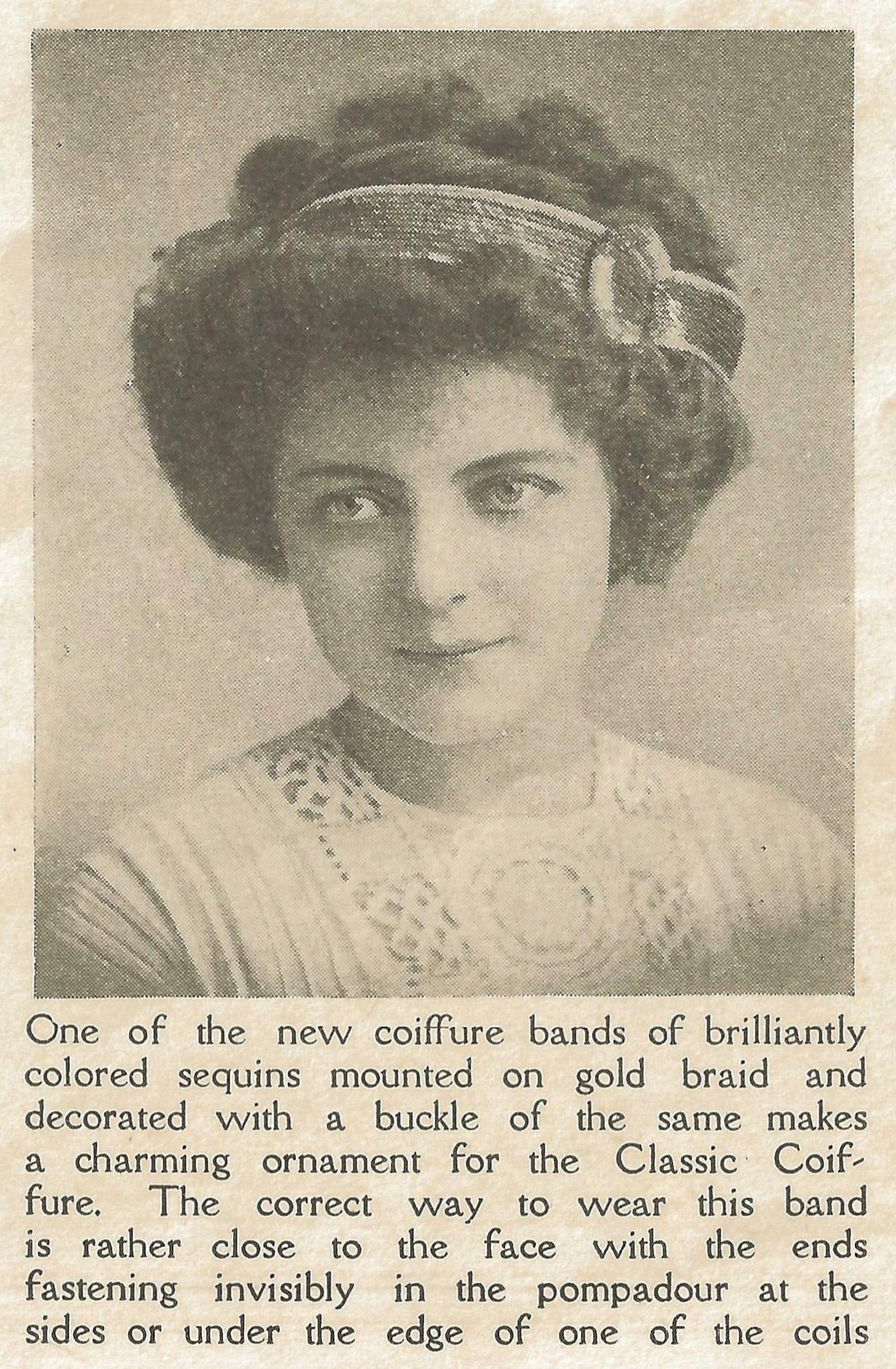
Ladies’ magazines often published pictorials instructing women on how to create the latest hairstyles. Below are step-by-step instructions for assembling intricate coils and puffs, as featured in a 1911 edition of The Woman’s Home Companion magazine:

Photo 01

Photo 02

Photo 03

Photo 04

Photo 05

Photo 06

Photo 07

Photo 08

Photo 09

Photo 10

Not every woman had thick, lush hair like the model in the instructions. Ladies with hair of a finer texture often augmented their own hair with purchased hair pieces.

Hair on Approval

Ladies could purchase hair pieces in different lengths they could style along with their own hair. This ad, from the same 1911 magazine, offered to ship high class hair “on approval” to women.

Photo 11

And this ad proclaimed, “Send no money” to order human hair, either in different lengths or clusters of puffs:

Photo 12