Isabella’s Glory

In her novel Wise and Otherwise, Isabella wrote about a group of people who lived at a boarding house and the influences they had on each other. One of the residents, Mrs. Sayles, invited her dearest friend Dell Bronson to visit and take a room at the same boarding house. Isabella describes their reunion this way:

Mrs. Sayles went about during the rest of that day with very shining eyes, and very happy, expectant face, which was not shaded in the least when on the morrow she had been sitting for half an hour close beside her friend, and was now with her in her dressing-room, waiting while the rich masses of brown hair were being smoothed and braided into shape.

Isabella knew whereof she wrote. Like Dell Bronson, Isabella also had rich masses of brown hair that she wore in a braid, arranged at the back of her head.
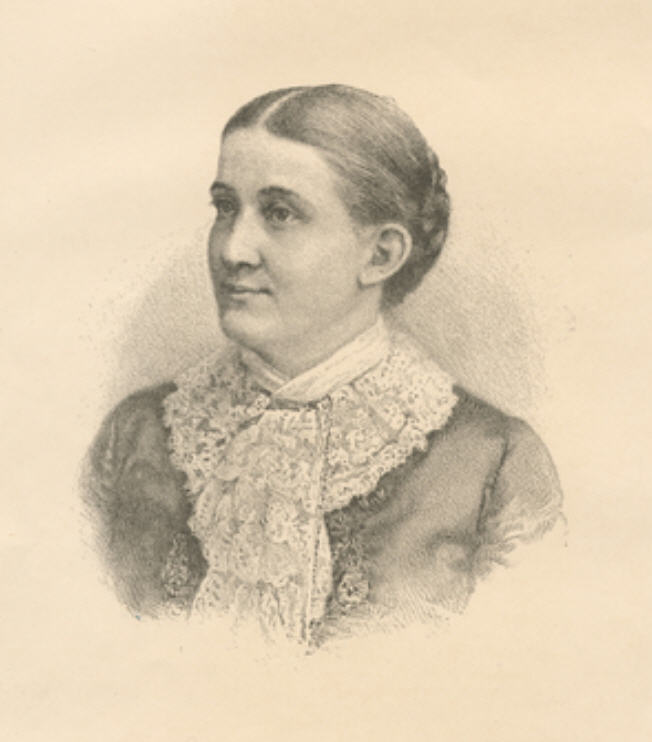
A pencil and charcoal drawing of Isabella as a young woman. Her hair is parted in the middle and drawn to the back of her head where it is arranged in a braided coil.
A publicity image of Isabella, drawn from a photo of her when she was about age 30.

Her niece, Grace Livingston Hill, admired Isabella’s hair, and described it this way:

Her eyes were dark and had interesting twinkles in them that children loved; her hair was long and dark and very heavy, dressed in two wide braids that were wound round and round her lovely head in smooth coils, fitting close like a cap.
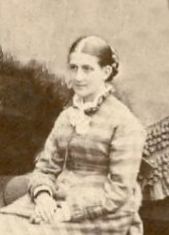
Black and white photo of Isabella wearing her hair parted in the middle and drawn smoothly back into a braided bun at the back of her head.
Isabella about age 35

But that wasn’t all Grace admired about her aunt’s hair. She wrote:

When [her hair] was unbraided and brushed out, it fell far below her knees and was like a garment folding her about.

Black and white photo of Isabella in profile. Her hair is parted in the middle and smoothed back into a braided bun at the back of her head.
Isabella about age 40

Grace went on to confess:

How I adored that hair and longed to have hair just like it! How I even used in secret to tie an old brown veil about my head and let it fall down my back, and try to see how it would feel to have hair like that. Nobody else in the world looked just as lovely as did she.

Black and white photo of Isabella Alden in profile, showing her hair parted in the middle and combed back into a braided bun at the back of her head.
Isabella, about age 60.

Isabella kept the same simple yet becoming hairstyle throughout her adult life.

Are you surprised to learn how long Isabella’s hair was? What is the longest length you’ve ever grown your hair?

A Perfect Gown

Do you enjoy seeing examples of clothing Isabella and her characters might have worn? This afternoon gown from the 1890s holds a little secret.

With its stuffed bodice and skirt made of ruffled rows that drape up into a small bustle at the back of the waist, it’s very typical of the 1890s style.

And the smocking at the shoulders and waist indicate the gown was tailored to exactly fit the lady who owned it.

But don’t let the muted tones of the fabric fool you. This gown holds a surprise.

If you look closely, you can see pink roses and cherubs—symbols of love—woven into the fabric design.

Doesn’t that make this the perfect gown for a young lady with summer romance on her mind?

Which of Isabella’s characters do you think would have worn this afternoon gown?

Let’s Make Beautiful Music

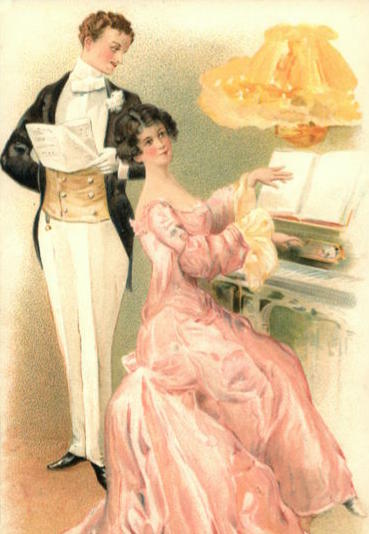
Many of Isabella’s characters played musical instruments, the most common of which was the piano.

Sadie Ried was a talented pianist in Ester Ried, as was Dell Bronson in The King’s Daughter.

Dell’s beloved piano was located “in the little summer parlor,” and she often turned to “her dear piano” for company.

She touched the keys with a sort of tremulous eagerness, and soft, sweet plaintive sounds filled the room.

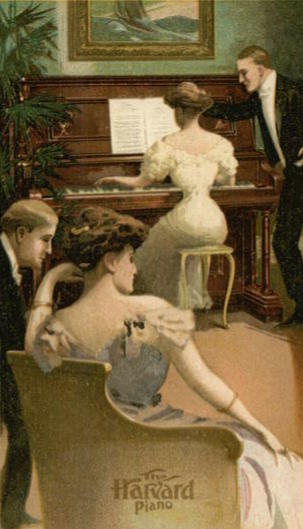
But a piano was an expensive luxury the majority of Americans could ill afford, despite ads like this one that invited buyers to purchase a piano (or organ) on credit.

For those who could not afford to have a piano in their home, there were plenty of other musical instruments to be had.

“Leisure Hours” by Hugo Breul.

Many ladies strummed guitars (Louise Morgan played one in A New Graft on the Family Tree), and some even learned to play banjo.

But one of the most popular musical instruments during Isabella’s lifetime was the autoharp.

Autoharps were extremely affordable—some styles were priced as low at $5.00.

Even better, they were easily portable. They went from home to school, from church to social functions—anywhere musical accompaniment was needed.

Autoharps were relatively easy to learn to play, and thanks to some astute publishing houses, sheet music for the autoharp—from hymns to operas to college songs—was plentiful and affordable.

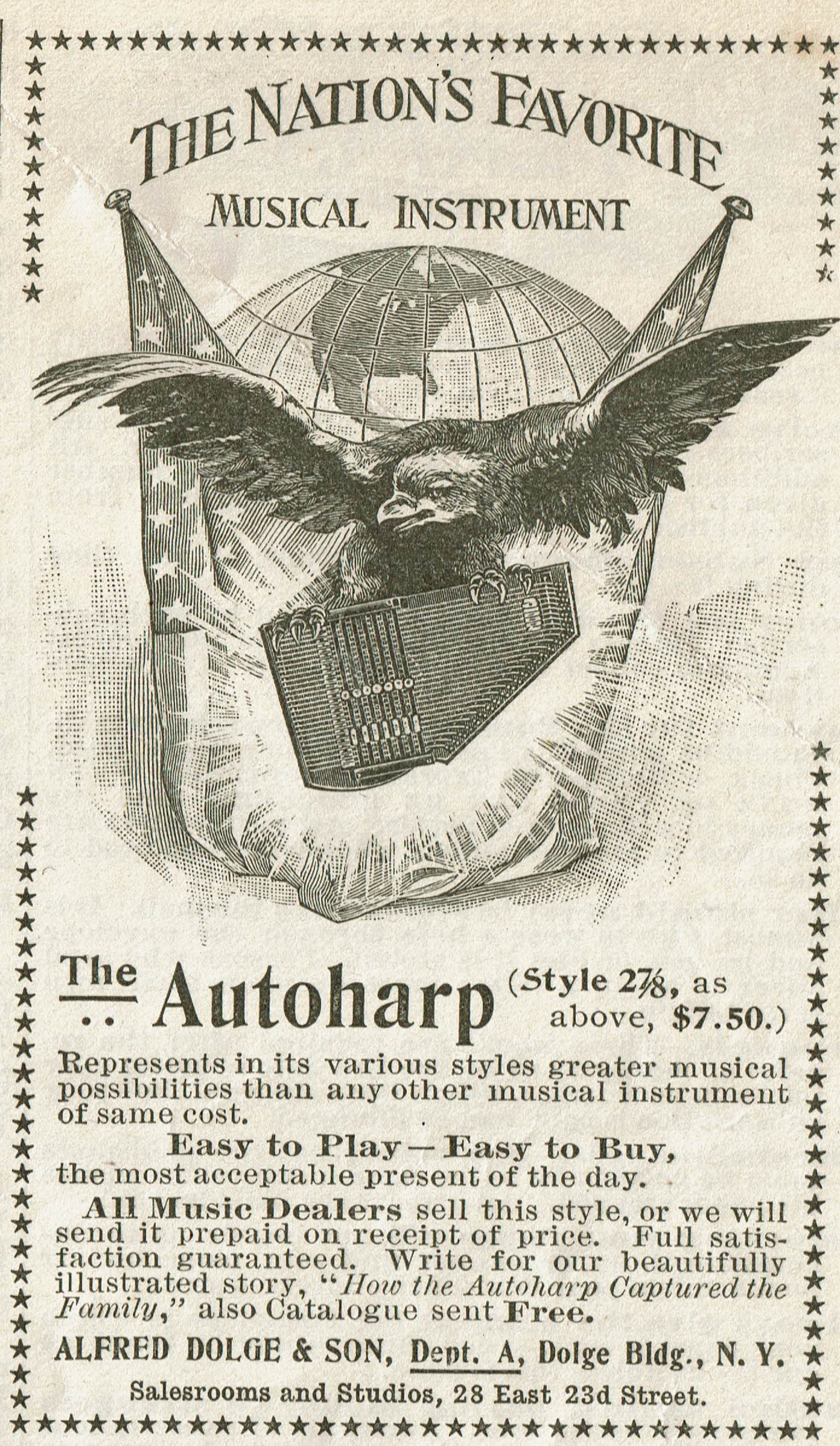
An 1896 newspaper ad for the Dolge Autoharp.

By 1899 manufacturers began advertising the autoharp as “America’s favorite instrument.”

Brothers making music on a banjolele and an autoharp (about 1910).

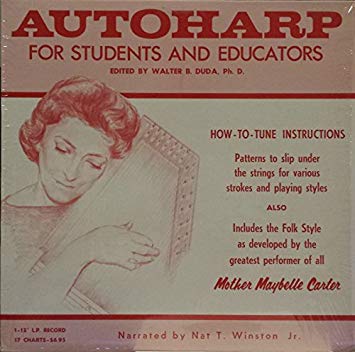
Autoharps remained popular for decades into the twentieth century. School teachers across the country used autoharps to introduce children to the basic principles of music and singing. And their distinctive sound became a mainstay in early country music recordings.

Autoharp for educators booklet, featuring an image of country artist Maybelle Carter on the cover.

Have you ever heard an autoharp played before? Have you ever played one yourself? Tell us about it!

Dell Bronson’s Porte-Monnaie

In The King’s Daughter, the heroine of the story is Miss Dell Bronson, a fashionable young lady, raised in the lap of Boston luxury by a wealthy aunt and uncle.

An antique porte-monnaie made of metal mesh

In writing about Dell, Isabella described her as dainty, neat, and graceful. Dell was always fashionably, but tastefully dressed; and because of her uncle’s wealth, Dell was able to afford the latest styles of dress and accessories.

A sterling silver porte-monnaie. It's long shape suggests it was carried in a pocket.
A sterling silver porte-monnaie. It’s long shape suggests it was ideal for carrying in a pocket.

One of Dell’s accessories was a porte-monnaie, which she carried in her skirt pocket.

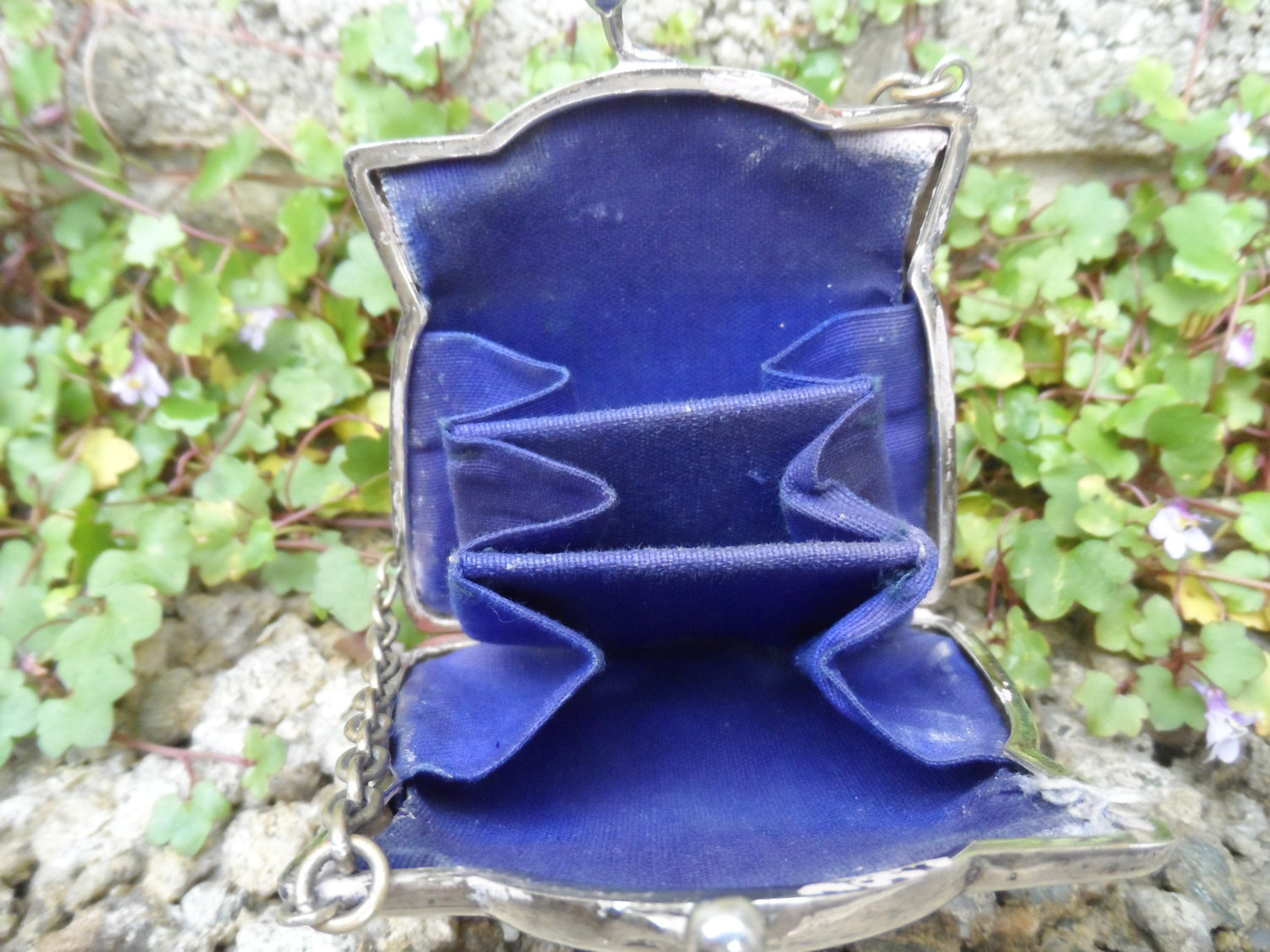
A silver porte-monnaie, lined in blue leather. From Etsy.


The blue leather interior of the silver porte-monnaie features bellows to separate coin denominations. From Etsy.

Literally, a porte-monnaie was a place for money—specifically coins. In the 19th and early 20th centuries, men and women carried their paper money and coins separately. Paper bills were carried flat in wallets or bill-folds, but all the many coins in circulation at the time were usually carried in porte-monnaies.

A two-cent piece, in circulation until 1873. It was the first American coin to carry the motto, In God We Trust.

And what a variety of coins there were! In addition to the pennies, dimes, nickels and quarters we know today, people commonly carried:

Two-cent pieces
Silver three-cent pieces
Three-cent pieces made from nickel
Half-dimes
Twenty-cent pieces
Half-dollars
Dollars

The three-cent piece, made of nickel, was in circulation until 1889.

And gold coins (also known as Eagles) weren’t uncommon. They were minted in denominations of $1, $2.50, $5, $10, and $20.

Carried by both men and women, porte-monnaies were made of sturdy material, such as leather or silver. At home, women kept their porte-monnaie in the pocket of their skirt or apron. Outside the home, women would often tuck their porte-monnaie inside their purse or reticule.

Antique silver porte-monnaie. The center emblem has a space for engraving the initials of the owner. From Pinterest.

Men kept a porte-monnaie in a desk drawer at home, and carried it in a pocket while out and about.

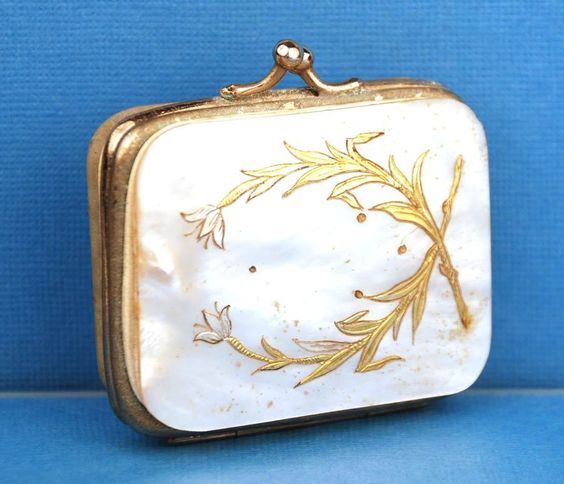
A French porte-monnaie made of mother-of-pearl, with brass and silver inlay. From Pinterest.

References to porte-monnaies date as far back as the 1850s but the term came into fashion during the American Civil War, when Americans considered anything French to be the height of fashion.

Which of the fashionable porte-monnaies pictured here do you think Dell Bronson would have carried? Cast your vote below