In 1891 when Isabella Alden was the editor of The Pansy magazine, she took up a very special project on behalf of her readers.
She wrote to several prominent Christian leaders and asked them to share the one thing they wished they had done, or not done, or managed differently in their lives.
Quite a few of the replies she received were from well-respected ministers who had regrets about their early Christian life. Here are a few:
“I regret that in my boyhood I did not read the Bible more, and did not memorize a greater number of its most precious promises.”
E. Hez Swem Pastor, Second Baptist Church, Washington D. C.
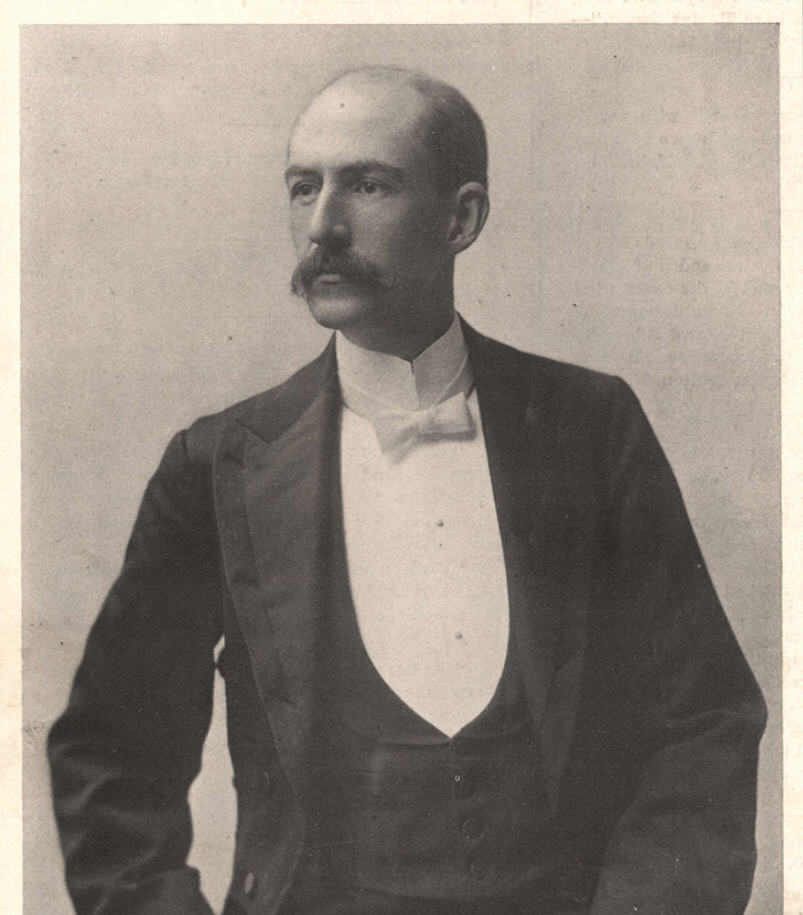
Pastor E. Hez Swem
“My most painful regret in regard to my early life is, that I did not become a member of the Church before my mother died, that she might have carried into eternity the comfortable knowledge of the fact that her only child was on the Lord’s side, a thing she greatly desired. It was simply postponing my public profession; and she died without the sight!”
Charles F. Deems Pastor of the Church of the Strangers, New York, New York
“There is nothing in my life that I regret so frequently and so deeply, as that I was not a more earnest and active Christian during the years of my college life. A professed Christian when I entered the institution, though without a thought of the ministry of Christ, my life was largely one of spiritual idleness. It was in the future that I hoped to serve my Master. Present opportunities were neglected.”
Rev. Henry Darling, D. D. President of Hamilton College
Rev. Henry Darling
Some of the responses were about not making the most about the time they were given:
“I look back over my life and feel as if I had walked like one with a string of priceless pearls in his hand, and the cord had been carelessly broken, and they had slipped off one by one as I walked, and were forever lost. Only the days are so much more precious than pearls!”
J. H. Ecob, D.D. Pastor Second Presbyterian Church, Albany, New York
“The great regret of my life is my failure to realize the value of life till the larger part of it has slipped away. I have always been what might be called “a busy man,” but the thing which troubles me is, that I have for the most part been busy with trifles, and have trifled so much with life’s real business.”
P. S. Henson Pastor, Baptist Church, Chicago, Illinois
A few wrote about not recognizing the value of opportunities they let pass:
“I greatly regret an early want of thoroughness. I was too willing, in my early days, to let a hard thing balk me. Such an enemy of early unthoroughness has been in my late days a miserable and plaguing nuisance.”
“I regret having failed to understand the value of such accomplishments as may be gained along with a more substantial education. For instance, I do not know music, so useful to a pastor, as well as so important to a father as an aid to making his home pleasant to his children. I might easily have gotten it in spare hours at any time before entering my profession; but now there are no spare hours! This is only one of several things that I once underestimated, but whose value I now see very clearly.”
Dr. Teunis S. Hamlin Pastor of President William Henry Harrison Pastor, Church of the Covenant, Washington, D. C.
Dr. Teunis S. Hamlin
Isabella and her husband were close friends with Rev. George Hays, who wrote the next “regret.” She noted that despite Rev. Hays’ many plans for his life, he was instead “led, as a child, by his Father’s hand.”
“The number of foolish ambitions that entered my head when young was large. The hard work done to fit myself for places from which God’s good providence saved me, is not any part of my regrets. Not one of the positions I wanted did I ever get.”
Rev. George P. Hays, D.D., LL.D. Pastor Second Presbyterian Church, Kansas City, Missouri
Some “regrets,” like this one, were about showing kindness to others:
“I regret that I have not better acquired the art of pleasantly acknowledging the kindnesses shown me, and of showing my appreciation of people whom I really do appreciate. My influence with many would be greatly increased if I could but make them understand how warmly my heart goes out to them.”
Dr. William J. Beecher Professor of Hebrew in Auburn Theological Seminary
Dr. William J. Beecher
Last, but not least, is a letter Isabella received and almost didn’t share, because she didn’t want it to appear she was praising her very own magazine:
“The greatest regret that I have for lost opportunities in my youth is that I did not have the benefit of such magazines as The Pansy. No amount of reading in after years can make up for this serious loss in youth. I feel this so keenly that I seek every opportunity in my lectures and writings to impress upon parents the necessity of feeding the minds as carefully as they are wont to feed the bodies of the young immortals entrusted to their care. So I thank God for The Pansy, which has such a sweet, tender, yet strong way of putting thoughts into the heads and hearts of the young people.”
Helen M. Gougar Attorney, newspaper journalist, and women’s rights advocate
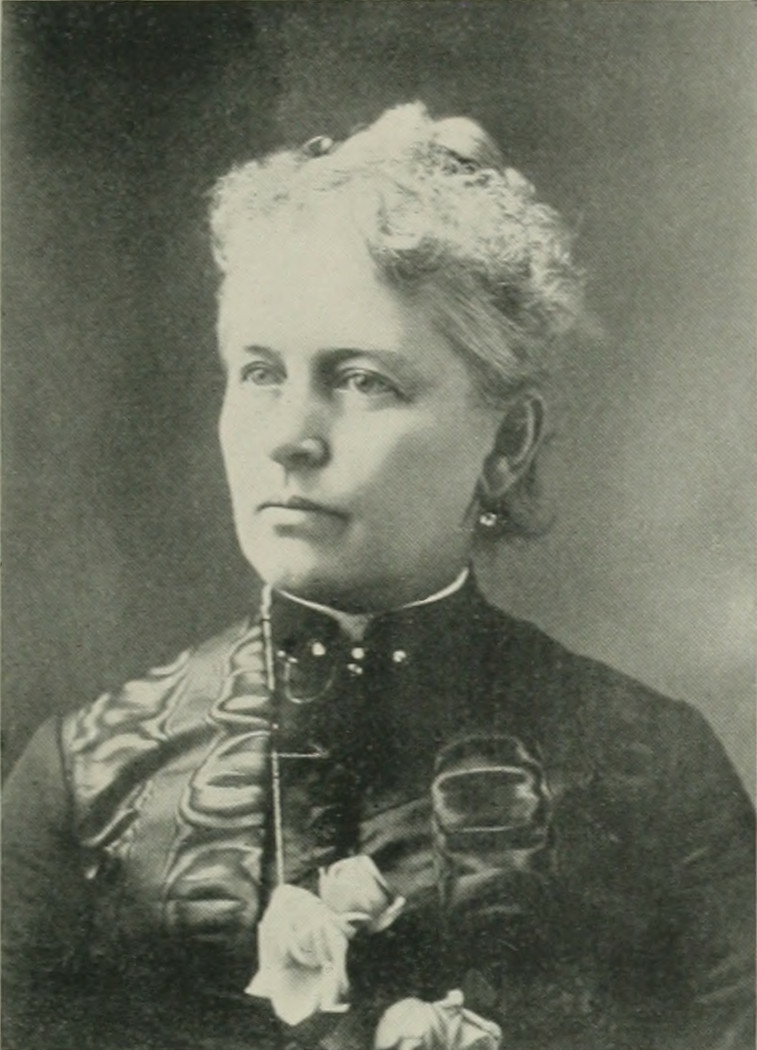
Helen M. Gougar
There are many adults today who will agree with Mrs. Gougar!
WHAT DO YOU THINK OF THE REGRETS THESE CHRISTIAN LEADERS SHARED?
Reviews and giveaways for Christian fiction and sweet, clean fiction. Bringing readers information on great stories and connecting authors with their readers.





 Isabella Alden