
As a teacher and a parent, Isabella must have often found herself from time to time on the receiving end of a child’s relentless “Why?” questions. She probably understood that asking “Why?” is an important part of a young child’s learning process, and that it’s more than just a question; it’s a peek inside their busy minds, showing their natural drive to understand the world around them.
In many of the articles she wrote for The Pansy magazine, Isabella demonstrated how astute (and patient) she was in answering the many “Why?” questions she received from her young readers.
In 1891 she published this article that addressed children’s “Why?” questions about Easter:
“Why do people use eggs at Easter?”
“Why do they call a certain day in the spring Easter?”
“Why do Easter cards so often have pictures of butterflies on them?”
Let me see if I can answer your questions. Let me begin in the middle: “Why do they call a certain day in the spring ‘Easter’?”
Away back in the days when people had a great deal to do with imaginary “gods” and “goddesses,” there was one named “Ostara,” who was called the goddess of the spring; our fourth month of the year was set apart for her special service, and called “Eostur-monath,” or “Easter month.”
The heathen festivals in honor of Ostara were times of great rejoicing. The people were so glad that the season for the resurrection of flowers and vines and plants had come again, that they built great bonfires, and with wild shouts and many strange customs, showed their joy. They called it the “awaking of nature from the death of winter.”

After many years it became the custom for Christians to choose the same time of year for their festival in honor of the “awaking of Jesus from the death of sleep.” So that “Easter” today means to Christians the glad day when Jesus Christ arose from the grave.

Now for the second question:
“Why do people use eggs at Easter?”
That is an old, old thought handed down to us. When the festival was held entirely in honor of the return of spring, eggs seemed to be used as symbols of life. As from the apparently dead egg life sprang forth, after the mother hen had brooded over it for awhile, so from the apparently dead earth the life of nature started forth anew. This was the thought.

The Persians used the brightly-colored eggs as New Year presents in honor of the birth of the solar year, which, you know, is in March!
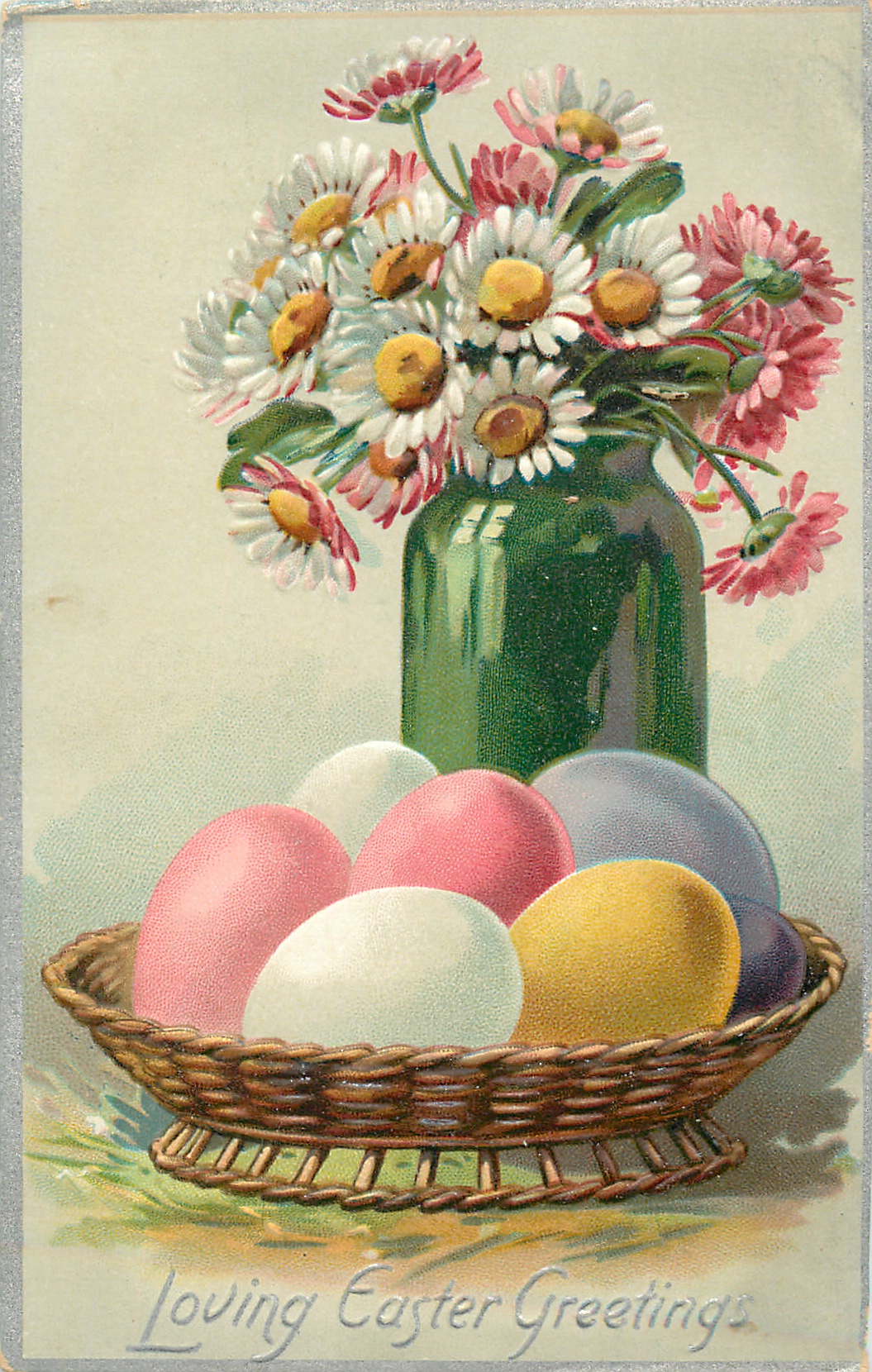
Christian people have held to the same symbol to represent their faith in the life after death. And in this connection I can best answer that third question about “butterflies.”
Did you ever watch a slow-crawling caterpillar with his awkward, woolly body and sluggish ways, and wonder how it was possible that such a creature could change into the brilliant butterfly, whose swift, graceful circlings through the air charm all eyes? If you have, I think you have answered your own question. Where could we find in nature a better symbol of the wonderful difference between these slow-moving, easily stopped, rather troublesome bodies of ours, and the glorious bodies promised us some day?

More than that, when the caterpillar weaves a coffin for himself and shuts himself into silence and immovableness, does it not seem as though his life was ended? Haven’t you had some such thought when you stood beside an open grave? How still and cold and utterly lifeless the body is which is being placed therein. Is it possible that it can live again?
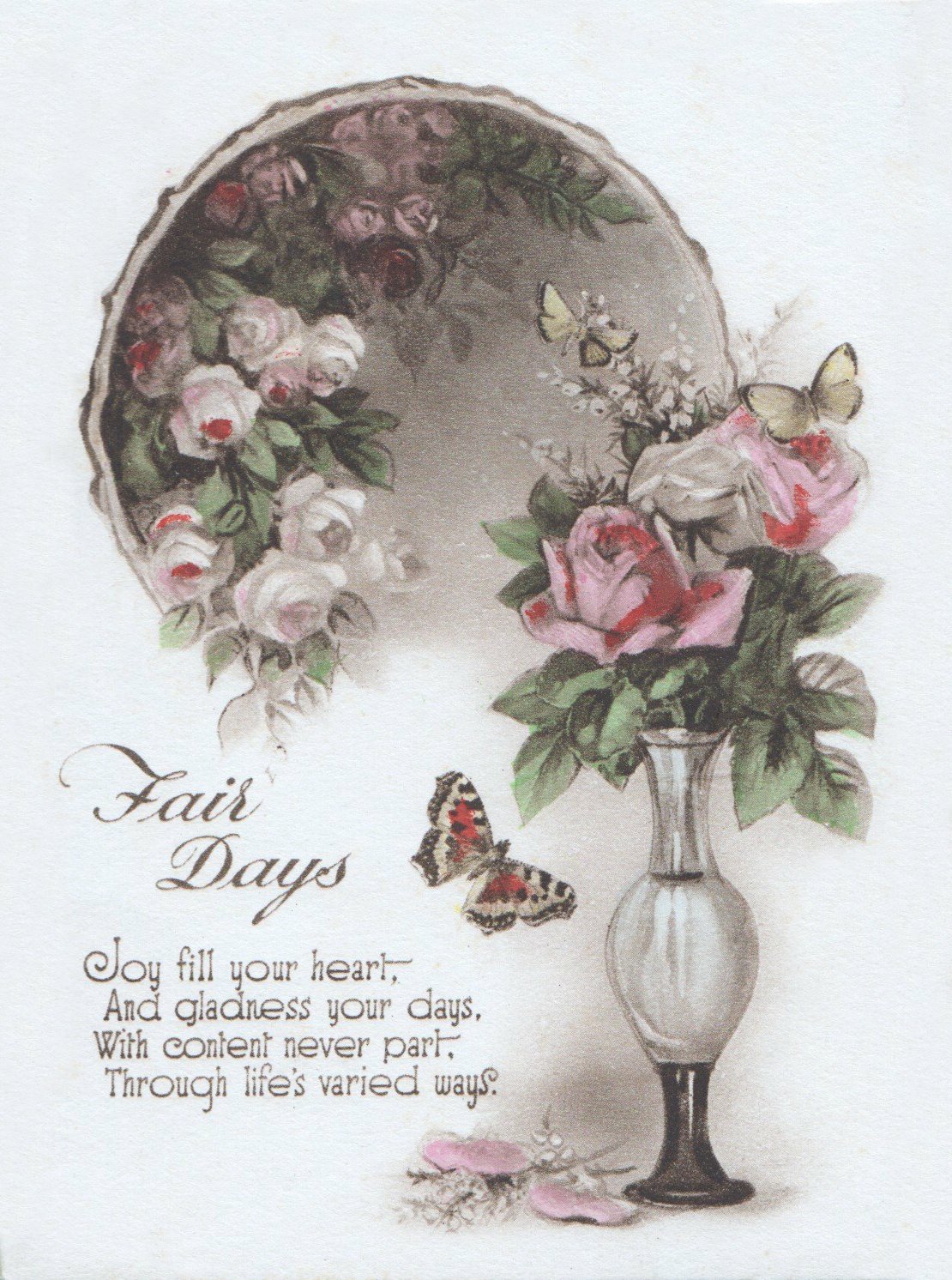
“Oh, yes!” says the butterfly. “Look at me; I was a worm, and I crawled away and the children thought me dead. See me now! If God so clothe the worms of the dust, shall he not much more clothe you, O, ye of little faith?”
Almost as plainly as though he had a tongue, the bright-winged butterfly speaks to me.

A better emblem than the egg, I think it is, of the wonders of resurrection; but the egg is the universal emblem. Nearly all nations, and all classes of people, think a great deal about Easter eggs, and spend much time in making them beautiful. Isn’t it a grand thought that such simple, every-day objects are able to remind us of the glory which is to come to those who “love His appearing.”
Pansy.

 Isabella Alden