
On the surface, it may seem that Isabella led a charmed life. Her husband was beloved a minister and a leader in the Presbyterian Church.
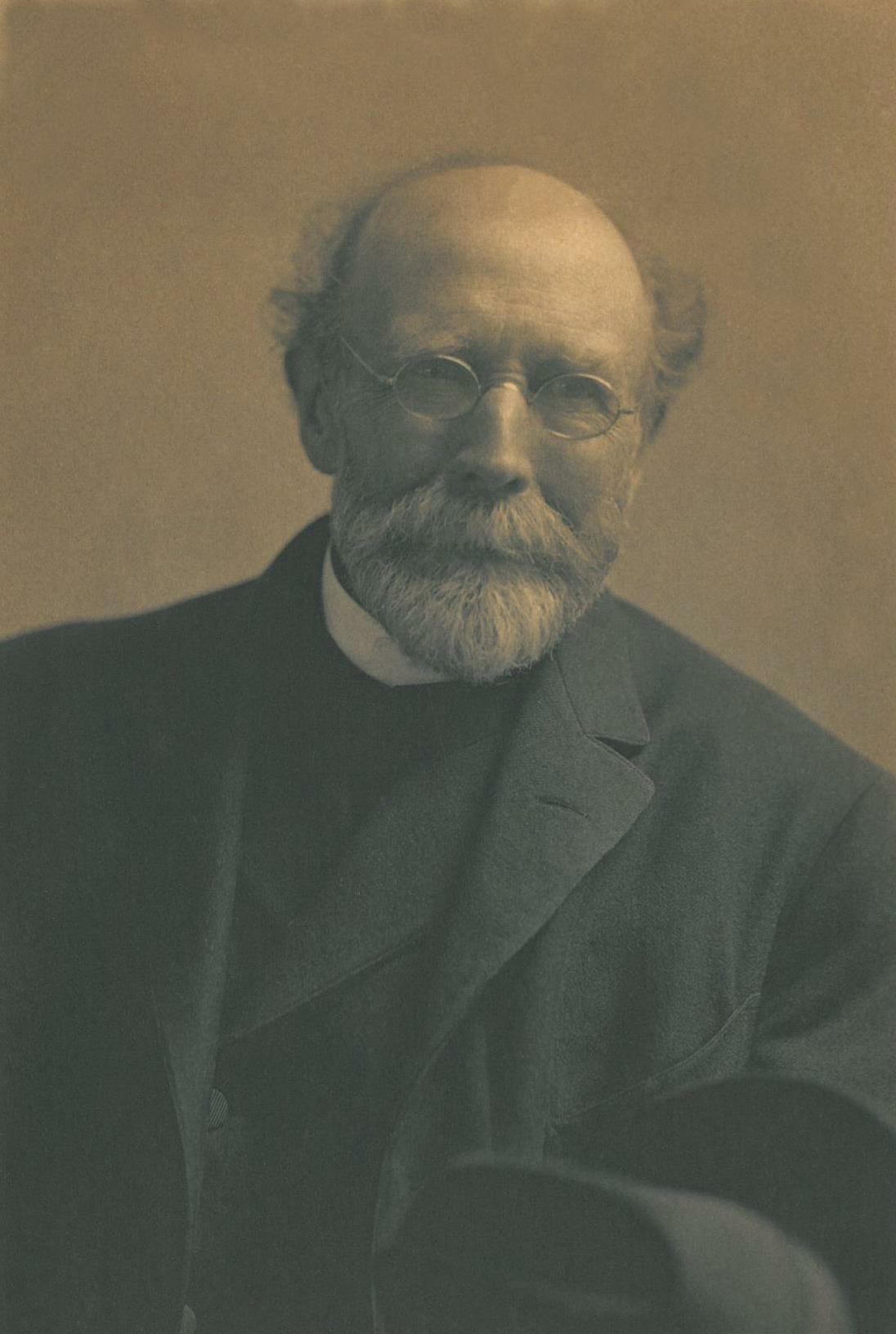
Her son Raymond was a talented writer, a beloved teacher, and an esteemed academic.
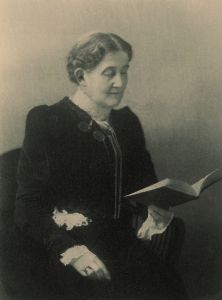
Isabella, herself, had been a successful author for decades, as well as an influential editor of various Christian magazines for young people and adults.
With so many proud accomplishments in her life, it’s hard to remember that Isabella had her share of heartache and loss.
Some of those losses were made all the more difficult because they occurred almost in a back-to-back fashion during one six-month period in her life. And it happened one-hundred years ago.
The year 1924 began on a positive note for the entire Alden family. Isabella’s son Raymond—who was head of the English Department at Stanford University in California—was on sabbatical so he could teach courses at Columbia University in New York. It was an exciting career opportunity for Raymond.

His topics during that Spring Session at Columbia were:
- English Literature from 1780 to 1830.
- Shakespeare
- Versification
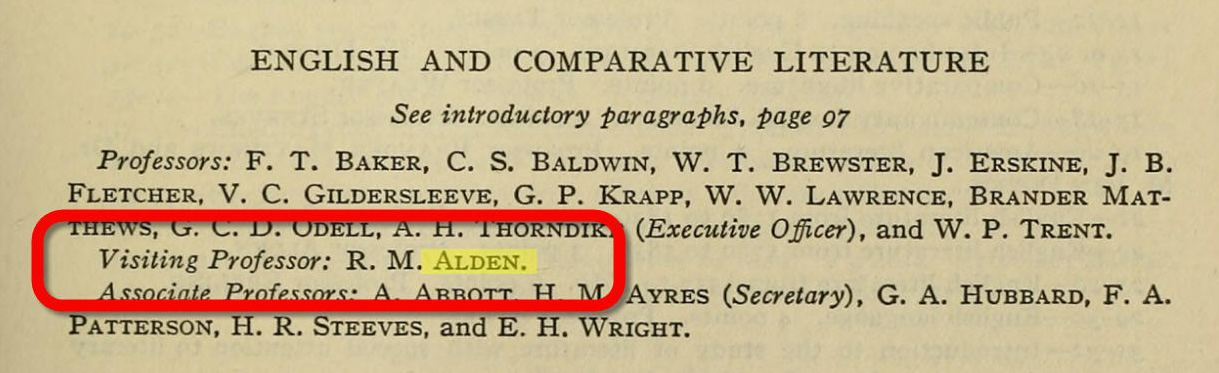
Raymond, his wife Barbara, and their five children (ages 2 to 14) made the move east together and rented a home within an easy commute to Columbia’s campus.

Isabella and her husband Ross went, too. Ross was 92 years old and had been officially retired from the ministry for some time, but he still enjoyed excellent health and a quick wit and intellect. Isabella was still writing novels, but she too had “retired” and had adopted a much slower pace when it came to her work.
Isabella and Ross moved into the Swarthmore, Pennsylvania home of Isabella’s sister Marcia Livingston and niece Grace Livingston Hill. Grace often described Marcia and Isabella as “inseparable” sisters, and for the majority of their lives, the Aldens and the Livingstons spent much of their time together.
It was while the Aldens were staying with Marcia and Grace in Swarthmore in the spring of 1924 that tragedy struck.

At that time Philadelphia was dealing with an influenza epidemic. The particular strain that prevailed during the spring of 1924 often caused pneumonia.

Unfortunately, antibiotics like penicillin and sulfonamides were not as widely available as they are today; so doctors could offer little in the way of treatment for pneumonia, beyond recommending bed rest, and drinking fluids. Almost every day newspapers reported new outbreaks of the influenza virus, as well as the number of deaths, and it often seemed as if no one was safe.

Health officials warned that a common cold or a mild case of the flu could quickly turn into a deadly case of pneumonia. Unfortunately, that is exactly what happened to Rev. Alden. At ninety-two years of age he was particularly susceptible to pneumonia, and although the family brought in a physician in to treat him, he died on March 29, 1924.

His death was reported in newspapers across the country and the tributes and remembrances came pouring in. People wrote about their memories of when he was their church minister. They related the anecdotes he used to illustrate his sermons and teachings; and they mentioned the close friendships they formed with him in the Sabbath School classes he taught.
Perhaps Isabella had a chance to read some of those tributes. And she no doubt relied upon her sister Marcia’s support, as well as the tender care that Raymond, Barbara and Grace would have provided.
Isabella made the decision to remain in Swarthmore until summer, so Raymond could fulfill his teaching responsibilities at Columbia. Then, the Alden family planned to travel together back to their home in Palo Alto, California, where Rev. Alden’s remains would be laid to rest.
In her remembrances of her uncle, Grace recalled a poem he wrote and had printed as a New Year greeting card. He sent the cards to the members of his Bible class the last winter he was with them before going to Swarthmore. It reads:
TODAY
We are living today—not tomorrow,
For no morrow was ever yet seen;
And for joy, or for pain, or for sorrow,
Only yesterdays ever have been.God gives us duties—just for today;
And His strength He bestows by the hour,
“Grace is sufficient” we still hear Him say,
So we trust Him for wisdom and power.And since today is all that He gives,
Let us treasure the day as it stands.
It matters, then, much how everyone lives
For tomorrow God holds in His hands.
G. R. Alden

 Isabella Alden
Wow! This is such an interesting read and I’m so glad you shared it, Jenny! Thanks so much—th
Thank you, Marline. I’m so glad you found it interesting! —Jenny
I appreciated reading this. I look forward to the next part. Thank you!
Mr Alden’s poem “Today” is very timely for me. Thank you
I’m glad of that, Rebekah! —Jenny