
Despite her popularity as a best-selling author, Isabella gave very few interviews. She made an exception in 1892 when a magazine called The Ladies Home Journal (which was quickly becoming the most widely-read magazine in the world) came calling.
The interviewer, Denny Johnson, asked Isabella the usual interview questions about her home life, her childhood, and what inspired her to write. But in the process of sharing Isabella’s answers to those very standard questions, Johnson’s article reveals the quiet power of Isabella’s Christian principles.
Reading the article, you get the sense that what made Isabella extraordinary wasn’t just her prolific writing career; it was the way in which her personal character was very much reflected in the stories she published.
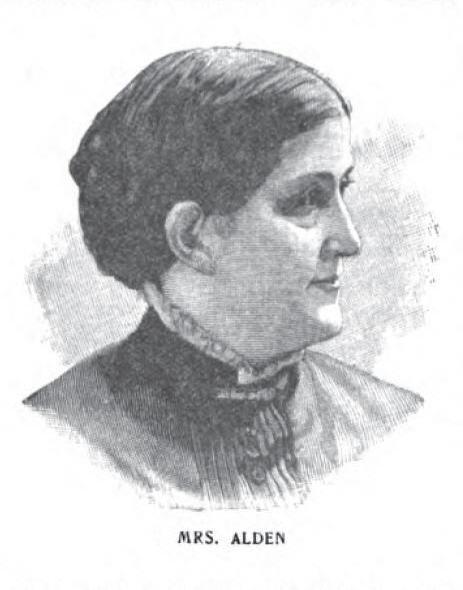
So, here are four things The Ladies Home Journal interview revealed about Isabella’s personal character:
1. Isabella Lived Her Message
Johnson wrote that Isabella’s Christian principles weren’t “mere theories, existing only on paper.” Instead, they were “the rules that govern her own daily life.”
In those few words, Johnson revealed what is essentially the foundation of Isabella’s stories. Readers don’t just admire her characters’ moral courage—they can sense it comes from the reality of Isabella’s life.
Isabella believed in what Johnson called “practical “Christianity”—faith that rolled up its sleeves and got to work.
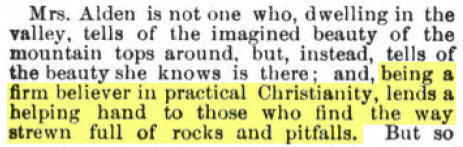
She quietly helped others navigate life’s difficulties, often so unobtrusively that people didn’t realize she was the one who had “smoothed this bit of path, or pushed aside that jagged stone.” To Isabella, that was genuine Christian service.

2. Isabella had Humility in Success
By 1892 Isabella had already authored over one hundred books that were beloved by readers around the world, yet the article describes her “as unspoiled as when she signed her name for the first time ‘Pansy.'” She shrank from publicity and seemed genuinely surprised by the impact of her work.
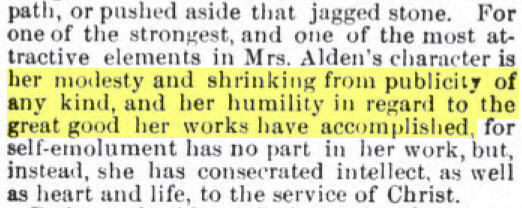
Her modesty wasn’t false humility; it reflected Isabella’s belief that her talents were gifts meant for service rather than self-promotion. As Johnson wrote, “self-emolument has no part in her work,” but instead she had “consecrated intellect, as well as heart and life, to the service of Christ.” In other words, she didn’t write stories for personal gain.
3. Isabella was Consistent
What gave Isabella her unique influence over young people wasn’t just her writing skill, but her consistent character. The same “high standard of right and wrong,” the same genuine care for others, the same joy in her faith that readers found in her books—all of this could be witnessed in her daily life.
The article said she had an infectious laugh and youthful spirit that weren’t manufactured for her audience.
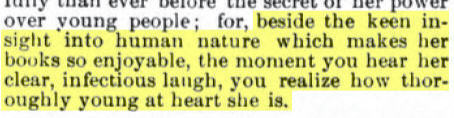
She would pause her important work to meet with any child who came to visit, demonstrating that her love for young people was authentic, not merely professional.

4. Isabella’s Example is Timeless
In our present world of personal brands and influence marketing, Isabella’s story feels refreshingly honest. Her success didn’t come from clever marketing; it came from being the same person in private that she was in public. She wrote from who she actually was, not who she thought her audience wanted her to be.
Maybe that’s a big part of why her books are still being read today, long after other, flashier authors have been forgotten. There’s still something powerful about the simple consistency of Isabella’s authentic faith and the honest life she lived that still shine through when we read her stories.
You can click here to read the entire article about Isabella that appeared in The Ladies Home Journal.

 Isabella Alden