
With less than thirty days left of summer, it’s natural for Americans to try to spend as much time out of doors as possible before the weather begins to change.
And one popular way to do that is on a bicycle.

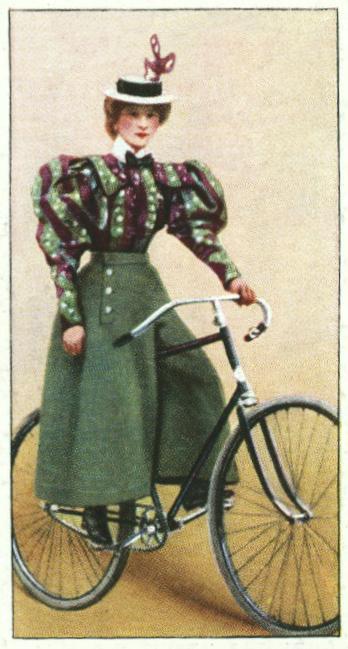
Bicycle riding was extremely popular during Isabella Alden’s lifetime, especially for women. It gave them instant mobility, and a way to escape the homes they had been confined to for generations.
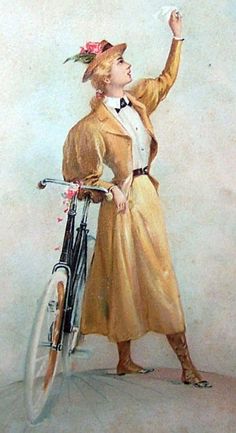
With a bicycle women could travel to see new sights or tour new towns—and they could do it without being dependent on a man.

Suffragist Susan B. Anthony said bicycling “has done more to emancipate women than anything else in the world.”

Author and cycling advocate Lillias Campbell Davidson wrote that bicycle riding helped women escape their homes:
The lives of women have been unnaturally cramped and contracted within doors.
She encouraged housewives to take up cycling. She believed a good, healthy ride would help them return to their work “cheered, refreshed and braced to take up the burden of daily commonplace life once more.”
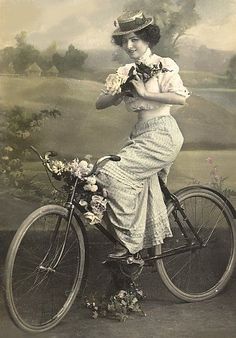
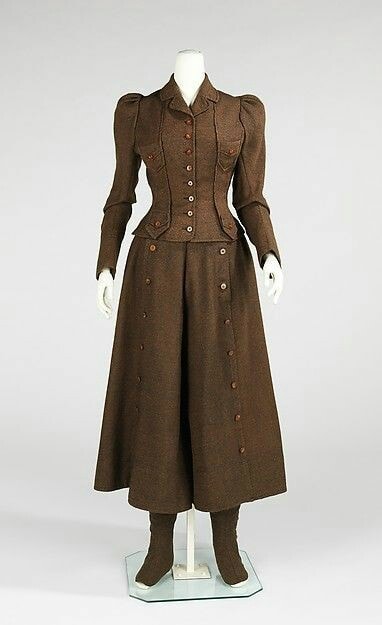
Another advantage cycling had for women was the change it made in their wardrobes. By 1900 women cyclists were wearing split skirts when riding, and many cycling women shed their corsets and petticoats for more practical attire.
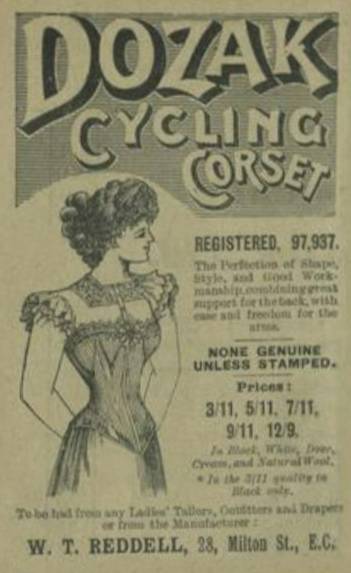
Not everyone liked the changes. When one Baltimore woman was criticized for wearing “bloomers” (as the divided skirts were called) while riding her bike, she replied:
“I can ride faster than people can talk.”
By 1898 bicycle sales to women were booming, thanks in large part to Sears, Roebuck & Company.

They began marketing affordable bicycles to ladies, and even printed a specialty catalog to market the many different models they offered.

Before long, women across the country were riding Sears bicycles, and discovering for themselves the thrill of healthy exercise and the freedom of traveling under their own power.
Are you a bicycle rider? What do you like most about the sport?

 Isabella Alden