
Isabella’s primary purpose in writing her stories and novels was to win souls for Christ. But she also wrote to inspire readers to simply be better people.
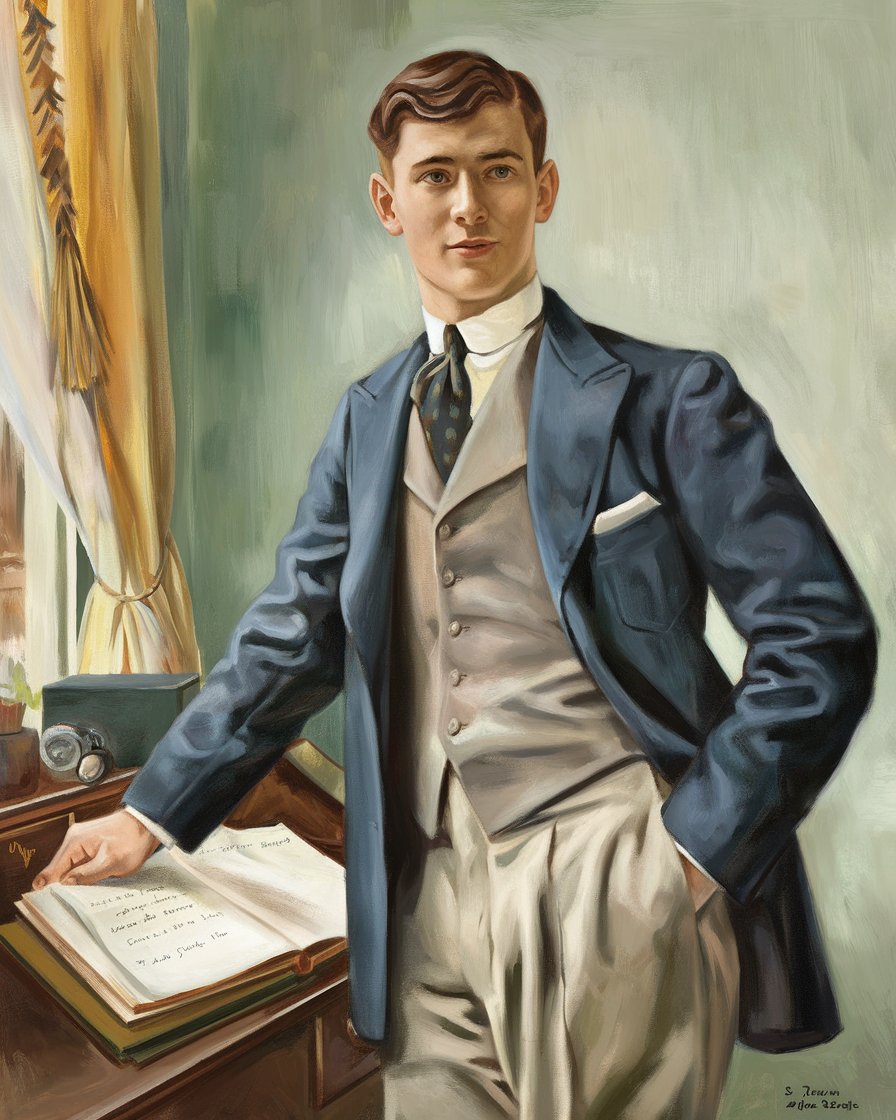
During Isabella Alden’s lifetime, there was no higher compliment you could pay a man than to call him a “gentleman.” So it’s no surprise that the main male characters in Isabella’s stories—young or old, rich or poor—exhibited many of the characteristics that defined a gentleman.
They had strong moral principles. They were courteous and considerate. They had good manners, a desire to learn and understand the world, and they were willing to help and be kind to others.
For Isabella, a gentleman’s character was closely tied to his Christian beliefs. She illustrated that premise in this scene from her novel, Her Associates Members:
As she walked back and forth thinking her troubled thoughts, she heard footsteps approaching, and was surprised to see Uncle Tommy returning.
“Why, Uncle Tommy,” she said, going to the gate to speak to him; “are you coming back? I thought you had started homeward for the night. Have you seen my charge to her own door already?”
“No, I didn’t see her to the door, ma’am; she met with someone whose company suited her better than mine, and said I need not trouble further, though it would have been no trouble at all, of course.”
“Met someone? Did she meet a friend?”
“Aye, and he turned and walked with her, and seemed glad of the chance, and she likewise, or at least willing; so there was nothing for me to do but turn and leave them.”
“A gentleman was it, Uncle Tommy?”
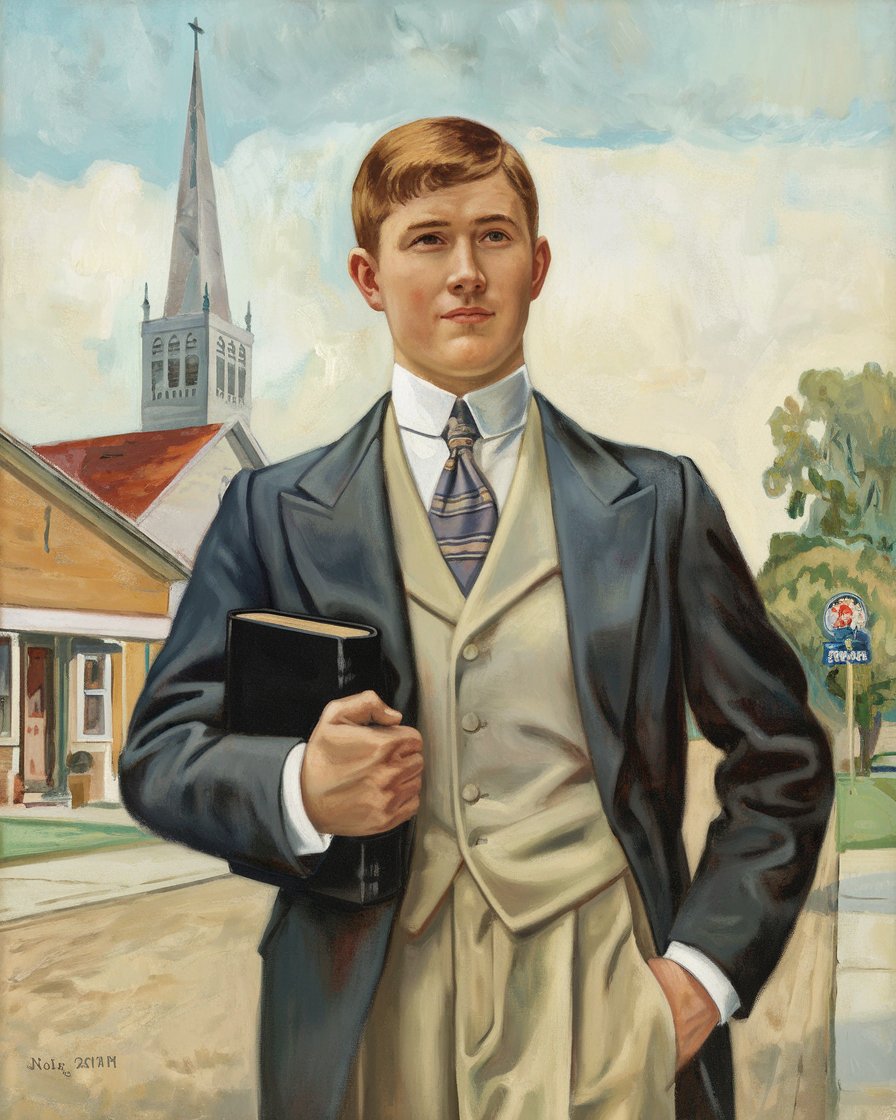
“Aye, at least that is what he calls himself. I make no doubt there might be two opinions about that.”
“What is a gentleman?” she asked, more for the purpose of seeming to be friendly with the old man, than because she was interested in his reply.
“Well,” said Uncle Tommy, straightening himself in the moonlight, “there might be different opinions about it; looking on at folks, I’ve no kind of doubt that there are; but if you ask for my views, why, according to my way of thinking, there is only one kind of true gentleman, and that is a man who is keeping to the road He traveled, just as near as he can.”
Not only did Isabella write about gentlemanly behavior, she also shared other authors’ writings that touched on the subject. In one of the magazines she edited, Isabella published this brief essay:

The true gentleman is the man whose conduct proceeds from good will and an acute sense of propriety, and whose self-control is equal to emergencies;

. . . who does not make the poor man conscious of his poverty, the obscure man of his obscurity, or any man of his inferiority or deformity;
. . . who does not flatter wealth, cringe before power, or boast of his own possessions or achievements;
. . . who speaks with frankness, but always with sincerity and sympathy, and whose deed follows his word;
. . . who thinks of the rights and feelings of others rather than of his own;
. . . who appears well in any company, and who is the same at home what he seems to be abroad;
. . . a man with whom honor is sacred and virtue is safe.
—John Walter Wayland
In today’s world of social media, movies, and television shows that encourage people to behave badly, it’s sometimes difficult to remember there was once a time when honor, honesty and kindness were admired traits. Thankfully, we have Isabella’s stories and novels to remind us of those days.

 Isabella Alden